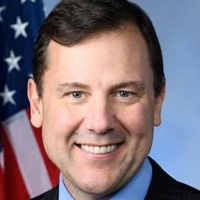
Legislative Activity
Track Thomas's sponsored bills, co-sponsored legislation, and voting record
The BITE Act establishes a comprehensive national system utilizing AI, data tracking, and public education to prevent and predict vector-borne diseases like those transmitted by ticks.
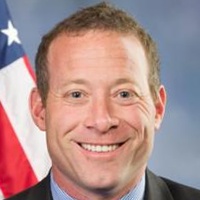
Josh Gottheimer
Representative
NJ
Josh Gottheimer
Representative
NJ
The Battling Infections Transmitted by Ticks and Exposure (BITE) Act establishes a comprehensive national system to prevent vector-borne diseases like Lyme disease. This system will utilize AI-driven early warning alerts, expert identification services, and real-time monitoring of insurance claims and symptoms. A key goal of the Act is to support efforts to reduce Lyme disease cases by 25% by 2035.
This act mandates that the Veterans Health Administration expand its informed consent requirements to specifically cover the prescription of antipsychotics, stimulants, antidepressants, anxiolytics, and narcotics.

Gus Bilirakis
Representative
FL
Gus Bilirakis
Representative
FL
The Written Informed Consent Act mandates that the Veterans Health Administration (VHA) expand its informed consent directives to specifically cover several classes of medications, including antipsychotics, stimulants, antidepressants, anxiolytics, and narcotics. This ensures veterans receive a thorough understanding of these prescribed drugs. The Secretary of Veterans Affairs must update VHA Directive 1005 to reflect these expanded requirements.
This bill mandates a long-term study and creation of a health registry to investigate the neurological and mental health effects of G-force stress and flight operations on military aviators.
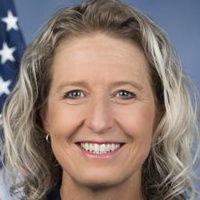
Jennifer Kiggans
Representative
VA
Jennifer Kiggans
Representative
VA
The Warrior Impact from Neurological and G-Force Stress Act (WINGS Act) mandates a comprehensive, long-term study by the VA to investigate the physical and mental health effects of military flight operations, particularly high G-forces, on aviators. This research will examine links between flight stress and conditions like TBI, cognitive decline, and mental health issues, comparing aviators to other service members. The bill also requires the creation of a dedicated Military Aviator Neurohealth Registry to track this data over time.
The College Transparency Act establishes a secure, centralized system for tracking student data across postsecondary institutions to increase transparency regarding costs, completion, and post-college outcomes.
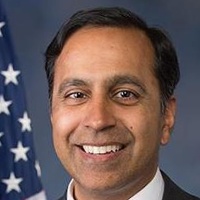
Raja Krishnamoorthi
Representative
IL
Raja Krishnamoorthi
Representative
IL
The College Transparency Act establishes a secure, new national system for tracking student data from postsecondary institutions to improve transparency regarding enrollment, completion, costs, and post-college outcomes. This system will collect detailed, student-level data, securely matched with other federal records, to create public, aggregate reports for comparison. The law mandates strict privacy and security standards while aiming to reduce overall reporting burdens for colleges.
This resolution celebrates the 60th anniversary of Medicaid while directing Congress to address significant projected spending increases to ensure the program's long-term viability.
Gabe Evans
Representative
CO
Gabe Evans
Representative
CO
This resolution celebrates the 60th anniversary of Medicaid while addressing significant concerns over projected spending increases. Congress commits to protecting the program from waste, fraud, and abuse to ensure its long-term viability for vulnerable populations. The bill emphasizes the ongoing partnership between federal and state governments in supporting essential healthcare access.
This Act eliminates age restrictions and simplifies premium requirements for adult children covered under the TRICARE Young Adult program.
Patrick Ryan
Representative
NY
Patrick Ryan
Representative
NY
The Health Care Fairness for Military Families Act of 2025 significantly improves the TRICARE Young Adult (TYA) program for military dependents. This legislation eliminates the age restriction for TYA eligibility and removes the separate premium requirement for coverage. These changes aim to provide broader and simpler healthcare access for adult children of service members.
This act prohibits federal law from considering the provision of benefits when determining an individual's employment status.
Kevin Kiley
Representative
CA
Kevin Kiley
Representative
CA
The Modern Worker Security Act prohibits federal law from considering the provision of benefits when determining an individual's employment status. This means benefits commonly associated with full-time employment can no longer be used as a factor in classifying a worker. The goal is to clarify the definition of an employee by removing benefit considerations from the determination process.
This Act prioritizes federal research and development funding for controlling the invasive Spotted Lanternfly and extends key agricultural research programs through 2030.
Joseph Morelle
Representative
NY
Joseph Morelle
Representative
NY
The Spotted Lanternfly Research and Development Act prioritizes federal funding for research and extension programs specifically aimed at controlling the invasive Spotted Lanternfly. This legislation ensures that developing effective tools and treatments against this pest becomes a high-priority initiative. Additionally, the Act extends the authorization for several existing high-priority agricultural research programs until 2030.
This Act establishes a Department of Veterans Affairs grant program to fund facility repairs and technology upgrades for Veterans Service Organizations.
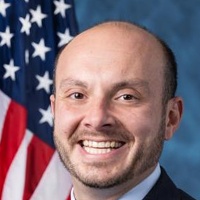
Andrew Garbarino
Representative
NY
Andrew Garbarino
Representative
NY
The Saving Vet Halls Act of 2025 establishes a new grant program administered by the Department of Veterans Affairs. This program provides funding to Veterans Service Organizations (VSOs) specifically for repairing facilities and upgrading technology. Grants are capped at $\$75,000$ or the total project cost (whichever is higher), and organizations receiving funds are ineligible to reapply for five years. The legislation authorizes $\$10$ million to support these essential improvements for VSOs.
This act establishes a new two-part test under the Fair Labor Standards Act and the National Labor Relations Act to determine when an individual is classified as an independent contractor rather than an employee.
Kevin Kiley
Representative
CA
Kevin Kiley
Representative
CA
The Modern Worker Empowerment Act establishes a new, two-part test under federal law to determine if a worker is an independent contractor rather than an employee. This test focuses on the degree of control exercised over the work's details and whether the worker has the risks and opportunities of entrepreneurship. The Act applies this updated classification standard to both the Fair Labor Standards Act and the National Labor Relations Act.
This bill amends the Family and Medical Leave Act to explicitly qualify time taken for an employee's own organ donation surgery as a serious health condition.
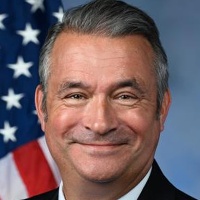
Don Bacon
Representative
NE
Don Bacon
Representative
NE
This bill amends the Family and Medical Leave Act (FMLA) to explicitly clarify that time taken off for an employee's own organ donation surgery qualifies as a serious health condition. This ensures both private and federal sector workers receive FMLA protection for recovery from organ donation. The legislation also specifies how federal employees must substitute existing paid leave when taking FMLA time for this purpose.
The Supporting Apprenticeship Colleges Act of 2025 establishes grant programs to boost outreach for construction and manufacturing apprenticeships and to fund academic advising and student support services for apprentices in those fields.
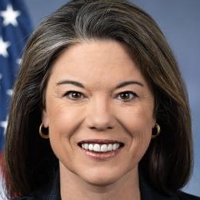
Angie Craig
Representative
MN
Angie Craig
Representative
MN
The Supporting Apprenticeship Colleges Act of 2025 establishes two grant programs totaling \$10 million annually to boost construction and manufacturing apprenticeships. The first program funds community outreach to recruit students and connect programs with local employers, particularly in rural areas. The second program provides funds for expanded academic advising and student support services to improve program retention and completion rates. The Act also formally defines specialized apprenticeship colleges and sets reporting requirements for grant recipients.
This bill establishes a State judicial threat intelligence and resource center to monitor threats, coordinate security, and report on incidents targeting state and local judges and court staff.
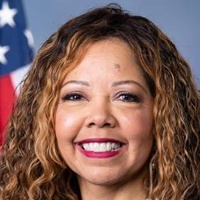
Lucy McBath
Representative
GA
Lucy McBath
Representative
GA
This bill establishes a new State judicial threat intelligence and resource center to enhance the security of state and local judges and court staff. The center will provide training, monitor threats, standardize reporting, and create a national database for incidents against the judiciary. It also requires annual reporting to Congress on the number and severity of threats received.
This Act prohibits insurance companies from discriminating against living organ donors when issuing life, disability, or long-term care policies and mandates the updating of educational materials regarding donation risks and insurance implications.
Don Bacon
Representative
NE
Don Bacon
Representative
NE
The Living Donor Protection Act of 2025 prohibits life, disability, and long-term care insurance companies from denying coverage or increasing premiums solely because an individual is a living organ donor. This legislation ensures that living donors are not financially penalized for their altruistic act. Additionally, the bill requires the Secretary of HHS to update educational materials to accurately reflect the insurance protections afforded to living donors.
This Act prohibits U.S. commerce and services for vessels associated with ports in Western Hemisphere trade partners that have illegally seized access-controlling land belonging to American entities since 2024.
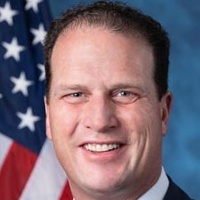
August Pfluger
Representative
TX
August Pfluger
Representative
TX
The Defending American Property Abroad Act of 2025 targets foreign governments in the Western Hemisphere that have seized or unfairly controlled port infrastructure essential to U.S. trade access since early 2024. The bill requires the executive branch to identify this "prohibited property" and subsequently ban any associated vessels from accessing U.S. ports or receiving services. Furthermore, the Act expands the definition of unfair trade practices to explicitly include the nationalization or discriminatory treatment of U.S. assets by foreign nations.
This Act prohibits the Federal Reserve from directly or indirectly issuing a Central Bank Digital Currency (CBDC) and bars the Fed from developing or using one for monetary policy without explicit Congressional authorization.
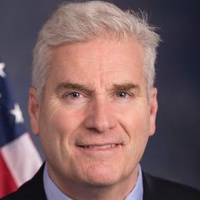
Tom Emmer
Representative
MN
Tom Emmer
Representative
MN
The Anti-CBDC Surveillance State Act strictly prohibits the Federal Reserve from directly or indirectly issuing a Central Bank Digital Currency (CBDC) to individuals. This legislation prevents the Fed from developing, testing, or implementing any digital currency that functions as a direct liability of the Federal Reserve. Furthermore, Congress asserts that any authority to create such a digital asset must explicitly come from Congress itself.
This resolution condemns the slogan "Globalize the Intifada" as a call for violence against Israeli and Jewish people globally and urges leaders to denounce it as such.
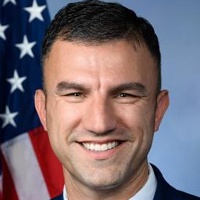
Rudy Yakym
Representative
IN
Rudy Yakym
Representative
IN
This resolution formally condemns the slogan "Globalize the Intifada" as a call for violence against Israeli and Jewish people worldwide. It cites the historical context of past Intifadas and recent antisemitic incidents to support this position. The bill urges all levels of U.S. leadership to publicly denounce the slogan.
This Act mandates that VA medical staff promptly certify the deaths of veterans who died from natural causes within 48 hours to expedite burial and survivor benefits.
Tom Emmer
Representative
MN
Tom Emmer
Representative
MN
The Veteran Burial Timeliness and Death Certificate Accountability Act addresses significant delays in obtaining death certificates for veterans who die from natural causes, often due to VA medical staff delays. This bill mandates that VA medical providers must certify a veteran's death within 48 hours or allow the local medical examiner to step in. Furthermore, the VA must annually report on its compliance with this new timely certification requirement.
This resolution commends Petty Officer 3d Class Scott Ruskan for his heroic rescue of 165 people during the devastating central Texas floods and thanks all first responders involved.
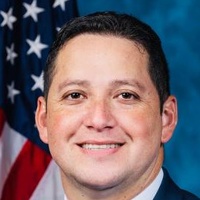
Ernest Gonzales
Representative
TX
Ernest Gonzales
Representative
TX
This resolution officially commends Petty Officer 3d Class Scott Ruskan for his heroic actions during the devastating central Texas floods of July 2025. It specifically recognizes him for personally rescuing 165 individuals and coordinating triage efforts under hazardous conditions. Furthermore, the bill extends deep gratitude to all federal, state, and volunteer responders who risked their lives during this major natural disaster.
This bill mandates a comprehensive report detailing the current and future state of the U.S.-Greece security cooperation, focusing on basing rights and strategic investments.

Grace Meng
Representative
NY
Grace Meng
Representative
NY
This bill mandates a comprehensive report from the Secretary of Defense detailing the current state and future potential of the U.S.-Greece security relationship. The report must specifically address basing rights, investments made under the 2021 Mutual Defense Cooperation Agreement, and analyze options for expanding U.S. military presence in Greece. This oversight ensures Congress is fully informed about strategic cooperation in the Eastern Mediterranean.