Legislative Activity
Track Jonathan's sponsored bills, co-sponsored legislation, and voting record
This bill halts penalties, interest accrual, and negative credit reporting on federal employee student loans during periods of involuntary pay disruption, such as government shutdowns.

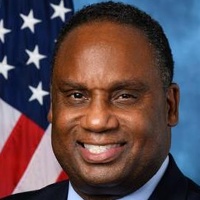
Jasmine Crockett
Representative
TX
Jasmine Crockett
Representative
TX
The Halting Education Loan Payments during Federal Employment Disruptions Act (HELP FEDs Act) provides immediate relief for federal employees experiencing involuntary pay disruptions, such as government shutdowns. This bill halts interest accrual and prevents penalties or negative credit reporting on qualified federal student loans during these periods of missed pay. The protections apply retroactively to disruptions occurring on or after October 1, 2025, but the Act does not forgive any underlying loan debt.
This act permanently establishes the structure and staffing of the Office of Head Start to ensure continued comprehensive support for eligible children and families.
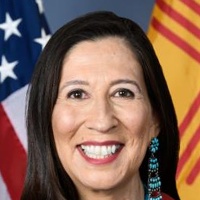
Teresa Leger Fernandez
Representative
NM
Teresa Leger Fernandez
Representative
NM
The Every Child Deserves a Head Start Act of 2025 aims to solidify the foundational support for the Head Start program, recognizing its vital role in early childhood development. This bill permanently establishes the structure and staffing levels of the Office of Head Start, including its 12 regional offices, as they existed before January 20, 2025. The legislation strictly limits the Secretary of Health and Human Services from altering this established structure or reducing staff without specific Congressional notification procedures. Ultimately, the Act ensures the consistent delivery of essential educational and support services to eligible children and families nationwide.
This resolution expresses the House's sense that immigration enforcement operations must mandate visible identification, body cameras, and enhanced accountability to ensure transparency and protect constitutional rights.
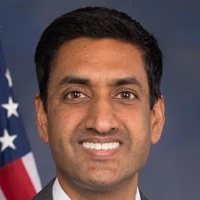
Ro Khanna
Representative
CA
Ro Khanna
Representative
CA
This resolution expresses the sense of the House that immigration enforcement operations must be transparent and accountable. It calls for mandatory identification, body cameras, and limits on agents concealing their identity during public interactions. Furthermore, the bill pushes for stronger oversight, better training, and increased penalties for impersonation to ensure constitutional protections are upheld.
This act ensures that state and local funds used to keep Head Start and Early Head Start programs running during a federal government shutdown are fully reimbursed.
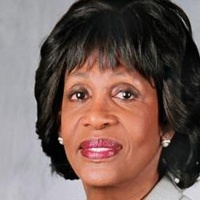
Maxine Waters
Representative
CA
Maxine Waters
Representative
CA
The Head Start Shutdown Protection Act of 2025 ensures that states, local governments, or school districts are reimbursed for any of their own funds used to keep Head Start and Early Head Start programs operational during a lapse in federal appropriations. This legislation protects these vital early childhood education services from disruption caused by government shutdowns. By guaranteeing reimbursement, the Act encourages local entities to maintain program continuity without bearing the financial burden.
This resolution honors the memory of Wadee Alfayoumi, a young Palestinian-American murder victim of a hate crime, and condemns all acts of discrimination and violence based on ethnicity or religion in Illinois.
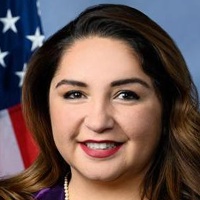
Delia Ramirez
Representative
IL
Delia Ramirez
Representative
IL
This resolution honors the memory of Wadee Alfayoumi, a 6-year-old Palestinian-American boy murdered in a hate crime in Illinois. It strongly condemns all hate crimes and discrimination based on ethnicity or religion. The measure also recognizes the significant contributions of the Palestinian community to the United States. Finally, it calls for an end to hateful rhetoric and violence against all children globally.
This bill, the Healthy Meals Help Kids Learn Act of 2025, increases federal reimbursement rates for school lunches and breakfasts starting in late 2025.
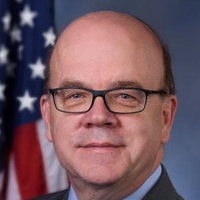
James McGovern
Representative
MA
James McGovern
Representative
MA
The Healthy Meals Help Kids Learn Act of 2025 aims to increase federal reimbursement rates for school meals. Specifically, it provides an additional 45 cents per lunch and 28 cents per breakfast served by school food authorities starting November 1, 2025. These adjusted rates will be subject to future inflation adjustments.
This Act mandates that all states must operate the WIC program and guarantees necessary funding through permanent appropriation starting in fiscal year 2026.
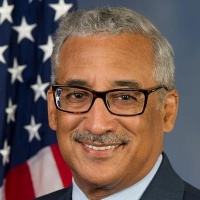
Robert Scott
Representative
VA
Robert Scott
Representative
VA
The WIC Benefits Protection Act mandates that all states must operate the Special Supplemental Nutrition Program for Women, Infants, and Children (WIC). This legislation also guarantees permanent, mandatory funding for WIC starting in fiscal year 2026, ensuring the program has the necessary resources annually. Furthermore, it clarifies eligibility language within the program's governing statute.
This Act establishes strict evidence requirements for states to remove registered voters from the rolls for federal elections and mandates timely notification to those affected.
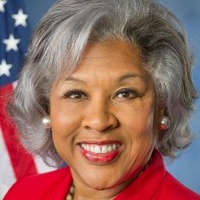
Joyce Beatty
Representative
OH
Joyce Beatty
Representative
OH
The Voter Purge Protection Act establishes strict new evidence requirements for states before they can remove registered voters from the rolls for federal elections. States must have objective proof that a voter is ineligible and cannot remove someone solely for not voting or failing to respond to a notice unless it was returned as undeliverable. If a voter is removed, the state must notify them within 48 hours with instructions on how to re-register.
This Act temporarily halts certain legal and financial actions against federal employees and their contractors during a government shutdown to protect their civil rights and financial stability.
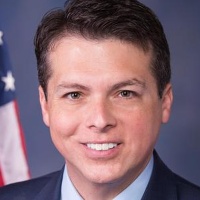
Brendan Boyle
Representative
PA
Brendan Boyle
Representative
PA
The Federal Employees Civil Relief Act aims to protect federal employees and contractors from negative civil actions during a government shutdown. It temporarily pauses various legal and administrative proceedings, including evictions, foreclosures, and debt collections, when a worker is furloughed or working without pay. The bill also grants federal workers the ability to defer income tax payments without penalty and prevents negative credit reporting based on seeking relief under this Act.
This bill authorizes the Federal Government to reimburse states for using their own funds to maintain WIC program operations during a lapse in federal appropriations.
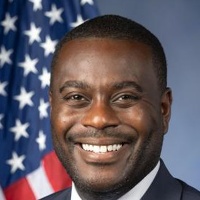
Gabe Amo
Representative
RI
Gabe Amo
Representative
RI
This bill ensures that states are reimbursed by the Federal Government for any state funds they use to maintain essential operations of the Special Supplemental Nutrition Program for Women, Infants, and Children (WIC) during a lapse in federal appropriations. It provides a mechanism for the Federal Government to pay back states that cover WIC costs during a government shutdown. This protects state budgets while keeping vital nutrition assistance running.
This resolution expresses deep concern over the surge in book banning and threats to free expression, urging the immediate restoration of removed materials in federal schools and the repeal of restrictive directives.
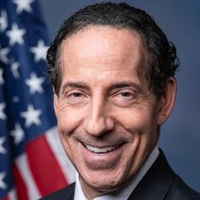
Jamie Raskin
Representative
MD
Jamie Raskin
Representative
MD
This resolution expresses deep concern over the growing trend of book banning and threats to freedom of expression in U.S. schools and libraries. It asserts that such censorship undermines democratic values and harms students by restricting access to diverse ideas and histories. The bill urges local entities to follow best practices for book challenges and calls for the immediate reinstatement of books removed from Department of Defense schools. Ultimately, it reaffirms the nation's commitment to First Amendment rights and the freedom to read.
This Act waives the 10% early withdrawal penalty on Thrift Savings Plan distributions up to $30,000 during a federal government shutdown and provides special provisions for TSP hardship withdrawals and loan payments affected by the lapse in appropriations.
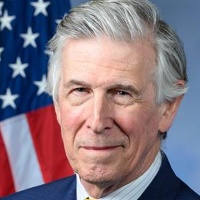
Donald Beyer
Representative
VA
Donald Beyer
Representative
VA
The Emergency Relief for Federal Workers Act of 2025 provides financial relief to federal employees affected by government shutdowns. This bill waives the 10% early withdrawal penalty on Thrift Savings Plan (TSP) distributions up to $30,000 during a qualifying shutdown. Additionally, it allows affected employees greater access to TSP hardship withdrawals and loans, and prevents missed TSP loan payments due to a shutdown from being treated as a taxable distribution.
This bill prohibits the termination or layoff of career federal civil service employees during a government shutdown due to a lapse in discretionary funding.
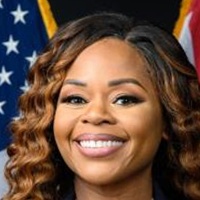
Sheila Cherfilus-McCormick
Representative
FL
Sheila Cherfilus-McCormick
Representative
FL
The Stop Stealing Our Jobs Act prohibits the President or agency heads from firing, laying off, or removing career civil service employees during a government shutdown caused by a lapse in discretionary funding. This protection ensures job security for the career federal workforce, while explicitly excluding political appointees from coverage. The bill clarifies definitions to specify which employees are shielded and which are not.
The Child Care for Every Community Act establishes a national framework to guarantee universal access to high-quality, regulated early learning programs with mandated national standards and comparable pay for staff.
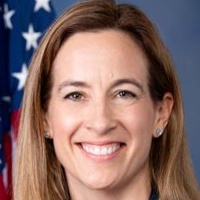
Mikie Sherrill
Representative
NJ
Mikie Sherrill
Representative
NJ
The Child Care for Every Community Act establishes a national framework to guarantee universal access to high-quality, regulated child care and early learning programs for every young child. It mandates federal standards for quality, ensures child care staff receive pay comparable to K-12 employees, and requires local coordination with school systems. Furthermore, the bill protects existing state funding levels and caps family fees based on income.
The No Shame at School Act of 2025 mandates that schools must eliminate meal debt stigma by prohibiting overt identification of students who owe fees and ensuring immediate action to certify eligible children for free or reduced-price meals.

Ilhan Omar
Representative
MN
Ilhan Omar
Representative
MN
The No Shame at School Act of 2025 mandates that schools must stop shaming students over unpaid meal debt by prohibiting overt identification or segregation of students who owe fees. This law requires local agencies to actively pursue free meal certification for students with outstanding balances and prevents schools from taking food away after it has been served. Furthermore, it establishes strict rules for debt collection, forbidding communication directed at the child and banning the use of third-party debt collectors.
This act expands physical therapists' participation in the National Health Service Corps loan repayment program and ensures Medicare coverage for their services at Rural Health Clinics and Federally Qualified Health Centers.

Diana DeGette
Representative
CO
Diana DeGette
Representative
CO
The Physical Therapist Workforce and Patient Access Act of 2025 aims to increase patient access to physical therapy, recognizing its importance in pain management and recovery. This bill integrates physical therapists into the National Health Service Corps, making them eligible for loan repayment in underserved areas. Furthermore, it mandates that Medicare Rural Health Clinics and Federally Qualified Health Centers cover physical therapy services starting in 2027.
This Act provides appropriations and mandates contract price adjustments to compensate federal contractor employees for losses incurred due to funding lapses or government shutdowns.
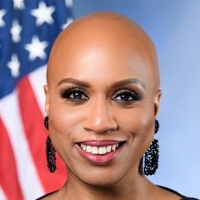
Ayanna Pressley
Representative
MA
Ayanna Pressley
Representative
MA
The Fair Pay for Federal Contractors Act of 2025 ensures that employees of federal contractors are compensated for losses incurred due to government funding lapses or shutdowns. It requires federal agencies to adjust existing contracts to cover reasonable costs associated with furloughs, pay cuts, or mandatory leave taken by contractor employees. The bill appropriates necessary funds to cover these contract price adjustments and mandates public reporting on the compensation provided.
This Act ensures that payments made for car, home/renter, and flood insurance policies are excluded when determining income for eligibility in federal, state, or local assistance programs.
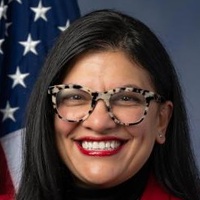
Rashida Tlaib
Representative
MI
Rashida Tlaib
Representative
MI
The Cost-of-Living Fairness Act ensures that payments made for essential insurance policies, such as car, home/renter, and flood insurance, are excluded when determining eligibility for federal, state, or local assistance programs. This change prevents necessary insurance expenses from negatively impacting a household's income calculation for benefits. The goal is to make it fairer for families to maintain necessary coverage while accessing public aid.
This bill prohibits the removal of Federal employees during a lapse in discretionary appropriations, ensuring job security for civil servants during government shutdowns.
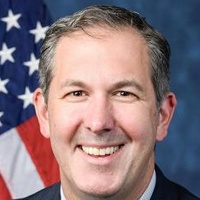
Johnny Olszewski
Representative
MD
Johnny Olszewski
Representative
MD
This bill prohibits federal agencies from removing civil service employees during any lapse in discretionary appropriations, commonly known as a government shutdown. If an employee is terminated in violation of this rule during a shutdown, they will have the option to be reinstated with full back pay once funding resumes. This measure aims to protect federal workers from job loss caused by budget impasses.
This Act establishes federal grants to fund comprehensive, trauma-informed mental health services and support programs in schools for students facing significant challenges.
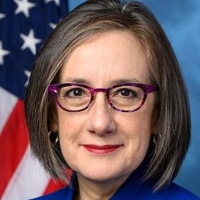
Andrea Salinas
Representative
OR
Andrea Salinas
Representative
OR
The Mental Health Services for Students Act of 2025 establishes a new federal program to provide comprehensive, trauma-informed mental health services and supports in schools through grants and contracts. These funds will support partnerships to implement awareness campaigns, staff training on trauma and suicide risk, and direct student and family treatment. The Secretary must ensure equitable distribution of funding, which is capped at \$2 million per award, with Congress authorized to appropriate \$300 million annually for the initial years.