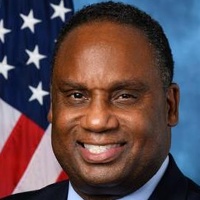
Legislative Activity
Track Jonathan's sponsored bills, co-sponsored legislation, and voting record
This bill establishes sanctions against foreign individuals responsible for human rights violations against LGBTQI people and mandates enhanced tracking and reporting of such abuses in annual human rights reports.
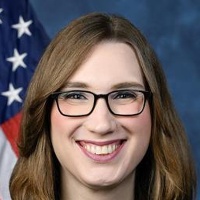
Sarah McBride
Representative
DE
Sarah McBride
Representative
DE
The Global Respect Act aims to promote and protect the human rights of LGBTQI individuals worldwide. It mandates the President to identify and report foreign persons responsible for human rights violations against LGBTQI people, leading to their inadmissibility to the United States. Furthermore, the Act requires enhanced tracking and reporting of violence and discrimination targeting individuals based on sexual orientation, gender identity, or sex characteristics in the annual human rights reports.
The EXPERTS Act of 2025 aims to reform federal rulemaking by increasing transparency around submitted studies, establishing new disclosure requirements for conflicts of interest, streamlining agency review timelines, and creating an Office of the Public Advocate focused on social equity.
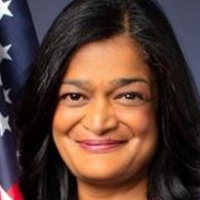
Pramila Jayapal
Representative
WA
Pramila Jayapal
Representative
WA
The EXPERTS Act of 2025 aims to enhance transparency and accountability in the federal rulemaking process. It introduces new disclosure requirements for studies submitted during public comment periods and mandates greater public awareness of agency actions. Furthermore, the bill establishes the Office of the Public Advocate to improve public involvement and explicitly requires agencies to consider social equity in their cost-benefit analyses. Finally, it streamlines the Office of Information and Regulatory Affairs (OIRA) review timeline and clarifies judicial review standards for agency interpretations.
This act mandates Medicare coverage for FDA-approved early detection screening tests for Alzheimer's disease and related dementias beginning in 2028.

Vern Buchanan
Representative
FL
Vern Buchanan
Representative
FL
The Alzheimer’s Screening and Prevention Act of 2025 (ASAP Act) amends Medicare to cover early detection screening tests for Alzheimer's disease and related dementias starting in 2028. This coverage applies to FDA-cleared tests, including genomic sequencing and other equivalent diagnostic methods, designed to detect pre-symptomatic or early-stage conditions. The bill ensures these screenings are added to the list of covered medical services under Medicare.
This Act prohibits rental property owners from engaging in coordinated activities that effectively fix or influence rental prices, treating such coordination as an illegal restraint of trade under existing antitrust laws.
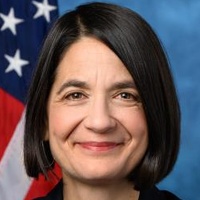
Becca Balint
Representative
VT
Becca Balint
Representative
VT
The End Rent Fixing Act of 2025 prohibits rental property owners from hiring coordinators or engaging in activities that involve collecting, analyzing, or recommending rental prices or terms across multiple properties. This coordinated activity is deemed an unlawful restraint of trade under existing antitrust laws. The bill grants enforcement power to the FTC, the Attorney General, and State Attorneys General, while also allowing injured persons to sue for treble damages. Furthermore, it lowers the pleading standard for civil lawsuits brought under this Act and related antitrust claims.
This act repeals specific sections of a prior reconciliation act to restore previous laws affecting American families and farmers.
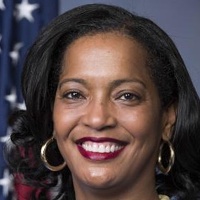
Jahana Hayes
Representative
CT
Jahana Hayes
Representative
CT
The Restoring Food Security for American Families and Farmers Act of 2025 aims to strengthen domestic food security by repealing specific sections of a prior reconciliation act. This action effectively revives the original laws that were previously amended by the repealed provisions. The bill seeks to revert existing agricultural and food-related statutes to their pre-amendment status.
This Act establishes strict standards, training, and reporting requirements for federal immigration enforcement personnel regarding the use of force, identification, and equipment.

Scott Peters
Representative
CA
Scott Peters
Representative
CA
The Stop Excessive Force in Immigration Act of 2025 establishes strict new standards for the use of non-deadly force by federal immigration personnel, requiring proportionality and de-escalation efforts. The bill mandates identification requirements, restricts the use of certain crowd-control equipment, and imposes new body camera and detailed reporting mandates. Furthermore, it creates affirmative duties for officers to intervene against excessive force and requires annual training on these new policies.
This resolution expresses the sense of the House that a commemorative postage stamp should be issued to honor the historical contributions of the Buffalo Soldiers.
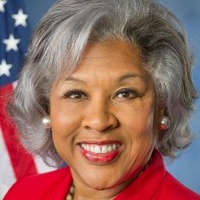
Joyce Beatty
Representative
OH
Joyce Beatty
Representative
OH
This resolution expresses the sense of the House of Representatives that a commemorative postage stamp should be issued to honor the historical contributions of the Buffalo Soldiers. It recognizes their significant service in the U.S. Army following the Civil War and through major conflicts. The bill specifically requests that the Citizens Stamp Advisory Committee recommend this stamp to the Postmaster General.
This bill prevents the sitting President and their immediate family from filing claims under the Federal Tort Claims Act while in office.
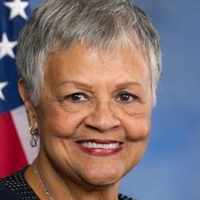
Bonnie Watson Coleman
Representative
NJ
Bonnie Watson Coleman
Representative
NJ
The CORRUPT Act amends the Federal Tort Claims Act to prohibit the sitting President and their immediate relatives from filing claims under that act while in office. This measure specifically prevents the President and covered family members from seeking damages through the Federal Tort Claims Act during their term.
This bill prohibits the Secretary of Health and Human Services from implementing the Wasteful and Inappropriate Services Reduction (WISeR) Model under Medicare.
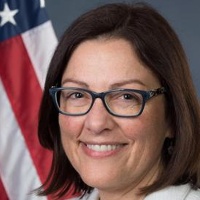
Suzan DelBene
Representative
WA
Suzan DelBene
Representative
WA
The Seniors Deserve SMARTER Care Act of 2025 prohibits the Secretary of Health and Human Services from implementing the Wasteful and Inappropriate Services Reduction (WISeR) Model under Medicare. This legislation specifically blocks the implementation of the prior authorization requirements associated with the WISeR Model. The goal is to prevent the adoption of this particular payment and service delivery model.
This resolution recognizes the heroic military service and ongoing challenges faced by Black veterans in their fight for equality and dignity.
Joyce Beatty
Representative
OH
Joyce Beatty
Representative
OH
This Concurrent Resolution expresses the sense of Congress recognizing the heroic military sacrifices and patriotism of Black veterans throughout U.S. history. It acknowledges the significant challenges they faced both during service and upon returning home. The resolution highlights the vital connection between their military service and the ongoing fight for civil rights. Finally, Congress calls attention to the current disparities in health and benefits disproportionately affecting Black veterans.
This Act ensures uninterrupted funding and operation for the SNAP and WIC programs through fiscal year 2026, even if appropriations for the Department of Agriculture are delayed.
Jahana Hayes
Representative
CT
Jahana Hayes
Representative
CT
The Keep SNAP and WIC Funded Act of 2025 ensures that the Supplemental Nutrition Assistance Program (SNAP) and the Special Supplemental Nutrition Program for Women, Infants, and Children (WIC) continue to operate without interruption in fiscal year 2026 if standard appropriations are delayed. If funding lapses, the Secretary of Agriculture is authorized to use funds from the Treasury to provide benefits and reimburse state agencies. This special funding remains in effect until full appropriations are enacted or until September 30, 2026.
This bill establishes a five-year pilot program to expand work-study allowance eligibility for student veterans enrolled at least half-time and mandates annual reporting on participant outcomes.
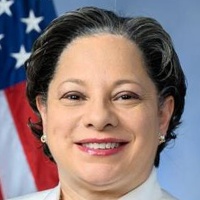
Jennifer McClellan
Representative
VA
Jennifer McClellan
Representative
VA
The Student Veteran Work Study Modernization Act establishes a five-year pilot program to expand eligibility for the VA work-study allowance to veterans pursuing certain educational or training programs at a half-time enrollment level. This allows more student veterans to benefit from work-study opportunities without meeting the current three-quarter-time enrollment requirement. Additionally, the Secretary of Veterans Affairs is required to submit annual reports detailing participation and outcomes for veterans in the work-study program.
This resolution urges the USDA to use its contingency funds and interchange authority to ensure continued funding for the Supplemental Nutrition Assistance Program (SNAP), especially during potential government shutdowns.
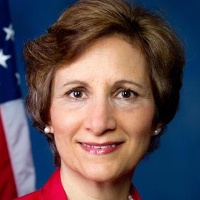
Suzanne Bonamici
Representative
OR
Suzanne Bonamici
Representative
OR
This resolution expresses the sense of the House that the Department of Agriculture should utilize its existing contingency funds and interchange authority to ensure the Supplemental Nutrition Assistance Program (SNAP) remains fully funded. The bill specifically urges the administration to immediately use these resources to finance SNAP operations, particularly during potential government funding lapses. This action is deemed crucial to support millions of vulnerable Americans, including children, seniors, and veterans, who rely on these benefits.
This act mandates that all states allow eligible individuals to register and vote on the same day during federal elections, beginning in November 2026.
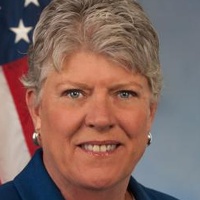
Julia Brownley
Representative
CA
Julia Brownley
Representative
CA
The Same Day Registration Act of 2025 mandates that all states allow eligible individuals to register to vote and cast a ballot on the same day during any federal election, including early voting periods. This requirement applies starting with the November 2026 general election. States without any voter registration requirement for federal elections are exempt from this mandate.
This Act automatically funds government operations for 14-day periods during funding lapses and imposes restrictions on travel and legislative procedures for certain officials until appropriations are enacted.
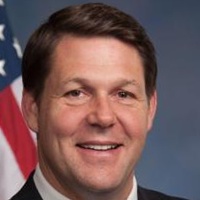
Jodey Arrington
Representative
TX
Jodey Arrington
Representative
TX
The Prevent Government Shutdowns Act automatically appropriates funding for federal programs at the rate of the preceding funding law for 14-day periods whenever a lapse in appropriations occurs. This automatic funding continues until a new appropriation Act is enacted or the automatic authority expires. Furthermore, the bill imposes strict limitations on official travel for covered Members of Congress and their staff, and restricts legislative business during these automatic funding periods. These budgetary effects are to be treated as discretionary, part-year appropriations for enforcement purposes.
This resolution commemorates October 2025 as Head Start Awareness Month, recognizing the program's six-decade history of positively impacting over 40 million children and their families through comprehensive support services.

André Carson
Representative
IN
André Carson
Representative
IN
This joint resolution commemorates October 2025 as Head Start Awareness Month to recognize the program's enduring positive impact. It honors Head Start's 60-year legacy of preparing over 40 million children and their families for success through comprehensive health, nutrition, and educational support. The resolution highlights the program's role in promoting long-term academic achievement and empowering parents.
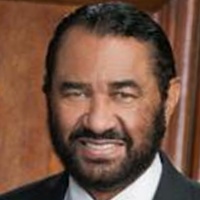
This resolution supports the goals of National Domestic Violence Awareness Month, highlights the pervasive and devastating impact of intimate partner violence across all demographics, and calls for increased funding for prevention and support programs.
Al Green
Representative
TX
Al Green
Representative
TX
This resolution designates October as National Domestic Violence Awareness Month to highlight the widespread and devastating impact of intimate partner violence across all demographics. It recognizes the urgent need to eliminate domestic violence and supports increased funding for intervention and prevention programs. The resolution underscores the severe physical, emotional, and economic toll this abuse takes on individuals, families, and communities.
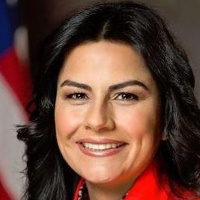
This Act expands charitable tax deductions for donations of food storage, transportation, and meal preparation equipment to organizations serving those in need.
Nanette Barragán
Representative
CA
Nanette Barragán
Representative
CA
The Feed the Community Act amends tax law to encourage charitable donations of essential food service equipment, such as refrigerators, transport vehicles, and preparation tools. This bill expands the definition of eligible donated property beyond just food inventory to include functional food storage, transport, and meal preparation equipment. Donors can elect to limit the reduction in their charitable deduction for these specific donations, subject to certain dollar limits for transport and preparation equipment. These changes are set to take effect for taxable years beginning after December 31, 2025.
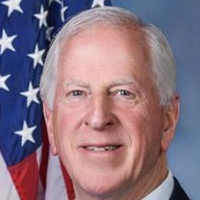
This bill extends and modifies various tax credits for energy production, efficiency improvements, and clean vehicle adoption to lower energy costs and support American energy leadership.
Mike Thompson
Representative
CA
Mike Thompson
Representative
CA
The American Energy Independence and Affordability Act is a comprehensive bill designed to lower energy costs by extending and adjusting key tax incentives across energy production, efficiency, and clean vehicle adoption. It stabilizes support for renewable energy manufacturing, extends deadlines for energy-efficient building credits, and ensures consumer incentives for electric vehicles remain available through 2032. Overall, the legislation aims to provide long-term certainty for energy investments and consumer adoption of cleaner technologies.
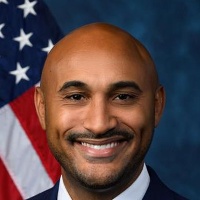
The GRAD Act ensures students maintain their enrollment status during a government shutdown, even if it disrupts their Title IV federal student financial aid.
Shomari Figures
Representative
AL
Shomari Figures
Representative
AL
The GRAD Act ensures that students maintain their current enrollment status during a government shutdown, even if federal student aid is temporarily disrupted. This legislation prevents educational institutions from penalizing students by changing their enrollment status due to funding lapses. Essentially, it protects students from negative academic consequences caused by federal funding interruptions.