Legislative Activity
Track Dusty's sponsored bills, co-sponsored legislation, and voting record
The Secure Rural Schools Reauthorization Act of 2025 extends federal funding and program authorities for states and counties containing national forest land through 2026.
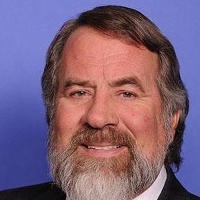
Doug LaMalfa
Representative
CA
Doug LaMalfa
Representative
CA
The Secure Rural Schools Reauthorization Act of 2025 extends critical federal funding for states and counties containing national forest land through 2026. This legislation ensures the continuation of essential community services and maintains the authority for resource advisory committees and local special projects.
This resolution expresses Congressional opposition to imposing new performance fees or royalties on local radio stations and businesses for broadcasting or playing music.
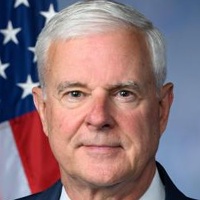
Steve Womack
Representative
AR
Steve Womack
Representative
AR
The Local Radio Freedom Act expresses Congressional opposition to imposing new performance fees, taxes, or royalties on local radio stations and businesses for playing music. It argues that the current system of free airplay provides essential promotional value to artists and that new fees would threaten the financial viability of local broadcasters and the vital community services they provide.
This bill prohibits the Secretary of Health and Human Services from enforcing the CMS minimum staffing standards for nursing homes published on May 10, 2024.
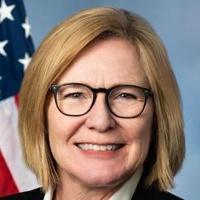
Michelle Fischbach
Representative
MN
Michelle Fischbach
Representative
MN
The Protecting America’s Seniors’ Access to Care Act prohibits the Secretary of Health and Human Services from implementing the minimum staffing level rules for nursing homes that were published by CMS on May 10, 2024. This legislation effectively blocks the enforcement of those specific staffing mandates.
The "One Flag for All Act" would generally require only the U.S. flag to be displayed on the exterior and in public areas of federal buildings, with specific exceptions for POW/MIA flags, flags of visiting dignitaries, state flags of members of congress, armed forces flags, flags of historical significance, public safety flags, flags commemorating national observances, flags representing religious organizations during religious events at military facilities, flags representing a Federal agency, flags representing an Indian Tribe, and flags representing the State, territory, county, city, or local jurisdiction where the public building is located.
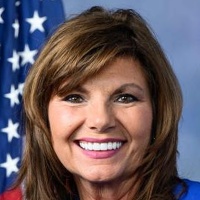
Diana Harshbarger
Representative
TN
Diana Harshbarger
Representative
TN
The "One Flag for All Act" generally prohibits the display of flags other than the U.S. flag on the exterior or in public areas of covered federal buildings. There are explicit exceptions for flags such as POW/MIA flags, state flags displayed at a Member of Congress's office, flags representing the Armed Forces, flags of historical significance, and flags representing local jurisdictions where the building is located. The bill defines "covered public buildings" broadly, including federal buildings, Senate and House buildings, military installations, and U.S. embassies and consulates.
This Act allows schools participating in the National School Lunch Program to offer organic or non-organic whole milk alongside other options, while clarifying saturated fat accounting and restricting milk sourcing from China state-owned enterprises.
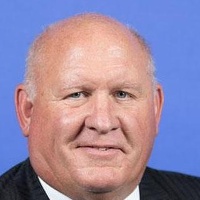
Glenn Thompson
Representative
PA
Glenn Thompson
Representative
PA
The Whole Milk for Healthy Kids Act of 2025 expands milk options available to students in the National School Lunch Program by allowing schools to offer organic or non-organic whole milk. This legislation provides greater flexibility for schools in providing fluid milk choices while maintaining accommodations for students with special dietary needs. Importantly, the saturated fat content of these offered milk options will not count toward the meal's overall saturated fat limits.
The "Semiconductor Supply Chain Security and Diversification Act of 2025" aims to diversify and secure the semiconductor supply chain within the Western Hemisphere through diplomatic support, regulatory improvements, and strategic investments, bolstering both economic and national security.
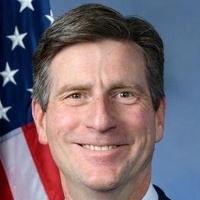
Greg Stanton
Representative
AZ
Greg Stanton
Representative
AZ
The "Semiconductor Supply Chain Security and Diversification Act of 2025" aims to diversify the semiconductor supply chain within the Western Hemisphere by offering diplomatic and financial support to participating countries. This includes supporting international negotiations, improving regulatory environments, and enhancing market integration for semiconductors. The Act also allows the United States International Development Finance Corporation to support semiconductor projects in upper-middle and high-income Western Hemisphere countries, under specific conditions certified by the President. This diversification effort supports both U.S. economic and national security interests, aligning with investments made under the CHIPS and Science Act.
This bill transfers the functions, assets, and responsibilities of the Food for Peace Act from the U.S. Agency for International Development to the Department of Agriculture.
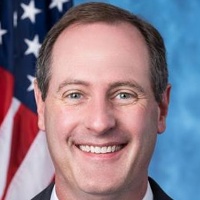
Tracey Mann
Representative
KS
Tracey Mann
Representative
KS
This bill transfers the functions, assets, and responsibilities for implementing the Food for Peace Act from the U.S. Agency for International Development (USAID) to the Department of Agriculture (USDA). The Secretary of Agriculture will now administer the program, though the Famine Early Warning Systems Network will remain under USDA control. This change allows the USDA to quickly update necessary rules to ensure a smooth transition of the program.
This bill directs the Department of Education to consider the International Holocaust Remembrance Alliance's definition of antisemitism when evaluating discrimination complaints under Title VI of the Civil Rights Act of 1964, while also protecting First Amendment rights.
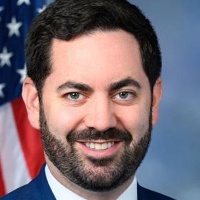
Michael Lawler
Representative
NY
Michael Lawler
Representative
NY
The Antisemitism Awareness Act of 2025 requires the Department of Education to consider the International Holocaust Remembrance Alliance's definition of antisemitism when evaluating discrimination complaints under Title VI of the Civil Rights Act of 1964, concerning race, color, and national origin. This aims to address rising antisemitism in educational settings. The Act clarifies that it does not expand the Department of Education's authority, change existing discrimination standards, reduce existing rights, or infringe upon First Amendment rights.
This bill restricts the Secretary of Education from implementing student loan regulations or executive actions that would increase federal subsidy costs or have a significant economic impact.
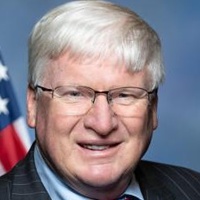
Glenn Grothman
Representative
WI
Glenn Grothman
Representative
WI
The Protecting Taxpayers from Student Loan Bailouts Act restricts the Secretary of Education’s authority to implement new student loan regulations or executive actions that carry a significant economic impact. Specifically, it prohibits any policy that would increase federal subsidy costs by $100 million or more. This measure ensures greater fiscal oversight by requiring rigorous cost analysis before any major changes to federal student financial aid programs can proceed.
This bill provides a 6.62 percent Medicare payment increase for physicians and practitioners from April through December 2025 to help stabilize medical practices.
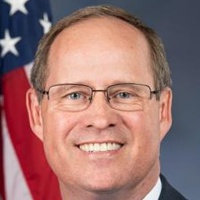
Gregory Murphy
Representative
NC
Gregory Murphy
Representative
NC
The Medicare Patient Access and Practice Stabilization Act of 2025 aims to support healthcare providers by extending Medicare payment adjustments through the end of 2025. Specifically, the bill provides a 6.62 percent payment increase for services rendered between April 1, 2025, and December 31, 2025, to help practitioners adjust to evolving Medicare payment policies.
The PROTECTS Act of 2025 prohibits the use of federal funds for gender transition surgeries, hormone therapies, and puberty blockers for minors, with specific medical exceptions.
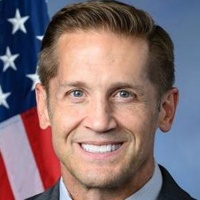
Rich McCormick
Representative
GA
Rich McCormick
Representative
GA
The PROTECTS Act of 2025 prohibits the use of federal funds to provide, refer, or reimburse gender transition procedures—including surgeries, hormone therapies, and puberty blockers—for individuals under the age of 18. The bill includes specific exceptions for medically necessary treatments related to genetic disorders of sex development or other physical health conditions.
This bill recognizes the significant contributions of tax-exempt fraternal benefit societies to communities across the United States through charitable activities, volunteer work, and financial support for their members, and expresses Congressional support for their continued promotion.
Darin LaHood
Representative
IL
Darin LaHood
Representative
IL
This bill recognizes the significant historical and ongoing contributions of tax-exempt fraternal benefit societies to communities across the United States through charitable activities, volunteer work, and financial support for members. It expresses the sense of Congress that these societies are a valuable support system that addresses unmet needs and generates substantial returns to the U.S. through their tax-exempt status. The bill also advocates for the continued promotion of fraternal benefit societies.
The Life at Conception Act declares that the constitutional right to life begins at the moment of fertilization and applies to every member of the species *homo sapiens* at all stages of development.
Eric Burlison
Representative
MO
Eric Burlison
Representative
MO
The Life at Conception Act declares that the constitutional right to life begins at the moment of fertilization, defining all human beings as persons from that point forward. The bill establishes legal personhood for every member of the species *homo sapiens* at all stages of development. Additionally, it explicitly prohibits the prosecution of any woman for the death of her unborn child.
The Born-Alive Abortion Survivors Protection Act requires health care practitioners to provide the same level of care to infants born alive after an abortion attempt as they would to any other newborn, mandating immediate hospitalization and imposing penalties for violations, while protecting the mother from prosecution. It also allows the mother of a child born alive to file a civil action against anyone who violated the act.
Ann Wagner
Representative
MO
Ann Wagner
Representative
MO
The "Born-Alive Abortion Survivors Protection Act" ensures that infants born alive after an abortion receive the same medical care as any other newborn, mandating immediate hospitalization and requiring healthcare practitioners to report any failures to comply. Violators face fines, imprisonment, and potential prosecution for homicide or attempted homicide, while the mother of the child cannot be prosecuted. The bill also allows the woman who had the abortion to file a civil action against anyone who violated the act. It defines abortion and attempts at abortion, and renames "Partial-Birth Abortions" to "Abortions" in relevant sections of the U.S. Code.
The "Fix Our Forests Act" aims to reduce wildfire risks, improve forest health, and support communities by focusing on landscape-scale restoration, protecting wildland-urban interface areas, and enhancing transparency and technology in forest management. It also establishes a casualty assistance program for wildland firefighters and their families.
Bruce Westerman
Representative
AR
Bruce Westerman
Representative
AR
The "Fix Our Forests Act" aims to improve forest management and wildfire resilience through landscape-scale restoration, community protection in wildland-urban interfaces, and enhanced transparency and technology. It establishes programs for wildfire risk reduction, reforestation, and biochar development, while also focusing on restoring white oak populations and supporting the families of firefighters. The act streamlines project approvals, encourages collaboration, and implements litigation reforms to expedite forest management activities. Additionally, it creates a casualty assistance program for firefighters and support personnel who are seriously injured, become ill, or die while on duty.
The Main Street Tax Certainty Act makes the 20% pass-through business income deduction permanent by removing its scheduled expiration after 2025.
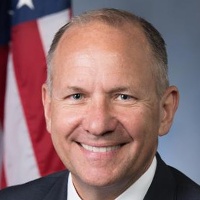
Lloyd Smucker
Representative
PA
Lloyd Smucker
Representative
PA
The Main Street Tax Certainty Act makes the 20% pass-through business income deduction permanent. By removing the current 2025 expiration date, this legislation ensures long-term tax relief for owners of qualified pass-through entities.
This bill mandates that the Department of Defense provide a variety of milk options to service members at military dining facilities while prohibiting the purchase of milk from foreign adversaries.
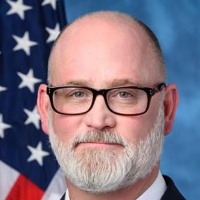
Derrick Van Orden
Representative
WI
Derrick Van Orden
Representative
WI
The Strengthening our Servicemembers with Milk Act requires the Department of Defense to provide a diverse range of milk options to service members at military dining facilities. The bill also mandates that all milk supplies be sourced exclusively from domestic or non-adversarial entities, prohibiting purchases from companies controlled by foreign adversaries.
The Heartbeat Protection Act of 2025 prohibits physicians from performing abortions once a fetal heartbeat is detectable, subject to specific exceptions and federal penalties.
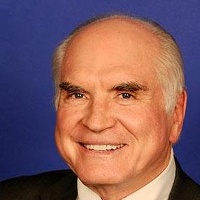
Mike Kelly
Representative
PA
Mike Kelly
Representative
PA
The Heartbeat Protection Act of 2025 prohibits physicians from performing an abortion if a fetal heartbeat is detectable, subject to specific exceptions for medical emergencies, rape, and incest. Physicians who knowingly violate this federal law face potential fines and imprisonment, though the legislation explicitly protects the mother from prosecution. The bill also mandates strict documentation and record-keeping requirements for all heartbeat determinations and exception claims.
The FARM Act strengthens national security by bringing U.S. agricultural systems under the review of the Committee on Foreign Investment in the United States (CFIUS) and mandating regular reporting on foreign influence in the agricultural sector.
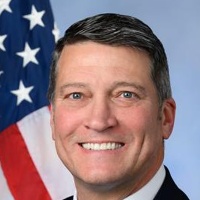
Ronny Jackson
Representative
TX
Ronny Jackson
Representative
TX
The Foreign Adversary Risk Management (FARM) Act strengthens national security by bringing U.S. agriculture and its supply chains under the oversight of the Committee on Foreign Investment in the United States (CFIUS). By adding the Secretary of Agriculture to the committee and classifying agricultural systems as critical infrastructure, the bill ensures foreign investments in the sector undergo rigorous security reviews. Additionally, the Act mandates annual reporting to Congress to monitor foreign influence, espionage, and potential threats to the U.S. agricultural industry.
This bill prohibits federal funding for abortions and for health insurance plans that cover abortions, clarifies these prohibitions under the Affordable Care Act, and requires health plans to disclose the extent of their abortion coverage and any related surcharges.
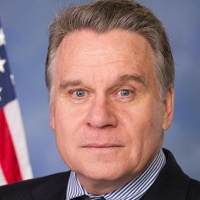
Christopher Smith
Representative
NJ
Christopher Smith
Representative
NJ
The "No Taxpayer Funding for Abortion and Abortion Insurance Full Disclosure Act of 2025" seeks to prohibit the use of federal funds for abortions and for health plans that cover abortions, while allowing individuals and entities to purchase separate abortion coverage with non-federal funds. It clarifies that premium tax credits and cost-sharing reductions under the Affordable Care Act (ACA) cannot be used for health plans that include abortion coverage. The Act also revises notice requirements for health plans, mandating clear disclosure of abortion coverage and any associated premium surcharges to enrollees. Exceptions to the funding restrictions are included for cases of rape, incest, or when the mother's life is in danger.