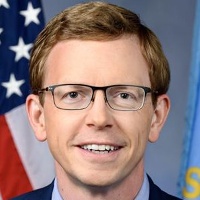
Legislative Activity
Track Dusty's sponsored bills, co-sponsored legislation, and voting record
This bill restricts stock trading by Members of Congress and their families while establishing new federal requirements for voters to provide photo identification in federal elections.
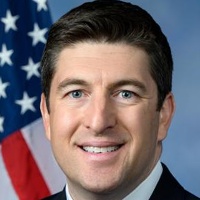
Bryan Steil
Representative
WI
Bryan Steil
Representative
WI
The Stop Insider Trading Act restricts Members of Congress, their spouses, and dependent children from purchasing or selling individual stocks to prevent conflicts of interest. Additionally, the bill mandates that voters provide valid photo identification when voting in person or by mail in federal elections.
The Preventing Forced Abortions Act of 2026 prohibits federal courts from enforcing surrogacy contract provisions that mandate abortion and protects a surrogate mother's right to full compensation regardless of her decision to carry a pregnancy to term.
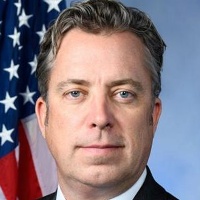
Andrew Ogles
Representative
TN
Andrew Ogles
Representative
TN
The Preventing Forced Abortions Act of 2026 prohibits federal courts from enforcing surrogacy contract provisions that mandate abortion at the request of an intended parent. The bill ensures that surrogate mothers remain entitled to their full contractual compensation regardless of their refusal to undergo an abortion. Additionally, it grants federal district courts jurisdiction over civil disputes involving such surrogacy agreements.
This bill clarifies that a franchisor is only considered a joint employer of a franchisee's workers if it exercises substantial, direct, and immediate control over essential terms of employment.
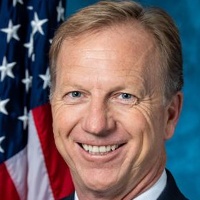
Kevin Hern
Representative
OK
Kevin Hern
Representative
OK
The American Franchise Act aims to protect the traditional franchise business model by clarifying the definition of a "joint employer." This legislation establishes that a franchisor is only considered a joint employer if it exercises "substantial direct and immediate control" over the essential terms of employment for a franchisee's workers. This change specifically targets liability risks associated with maintaining brand standards, ensuring franchisors are not automatically held responsible for local labor practices. The new standard applies prospectively to future legal proceedings.
The "Combating Illicit Xylazine Act" aims to combat the misuse of xylazine by adding it to Schedule III of the Controlled Substances Act, tracking its distribution, and ensuring appropriate penalties for related offenses, while also protecting legitimate veterinary use.
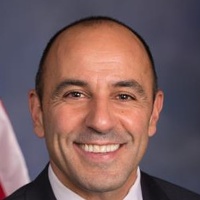
Jimmy Panetta
Representative
CA
Jimmy Panetta
Representative
CA
The "Combating Illicit Xylazine Act" aims to combat the illegal use of xylazine by adding it to Schedule III of the Controlled Substances Act, which would allow for increased regulation and tracking of the substance. The bill includes exemptions and delayed effective dates for certain requirements to ease the transition for legitimate users, such as veterinarians and animal handlers. It also directs the Sentencing Commission to review sentencing guidelines for xylazine-related offenses and mandates reports to Congress on the prevalence and impact of illicit xylazine use. Finally, it will include xylazine in Arcos tracking.
This bill mandates electronic prior authorization, increases transparency through required data reporting, and establishes faster decision timelines for Medicare Advantage plans to improve timely access to care for seniors.
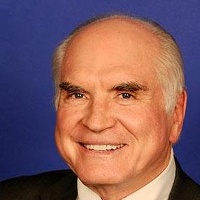
Mike Kelly
Representative
PA
Mike Kelly
Representative
PA
The Improving Seniors’ Timely Access to Care Act of 2025 aims to streamline and modernize the prior authorization process within Medicare Advantage plans. This bill mandates the adoption of electronic prior authorization systems and significantly increases transparency regarding approval rates and decision times starting in 2027. Furthermore, it establishes new enrollee protections and grants the Secretary authority to enforce faster decision timeframes for medical services.
This bill designates the American mastodon as the national fossil mammal and the *Tyrannosaurus rex* as the national fossil dinosaur of the United States.
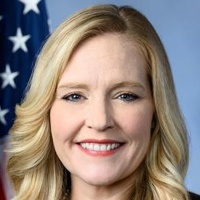
Erin Houchin
Representative
IN
Erin Houchin
Representative
IN
This bill, titled the "National Fossil Act," officially designates the American mastodon as the national fossil mammal and the *Tyrannosaurus rex* as the national fossil dinosaur of the United States. It amends federal law to formally recognize these two prehistoric species.
The Freedom of Association in Higher Education Act of 2026 prohibits colleges and universities that receive federal funding from taking adverse actions against students or organizations based on their participation in single-sex social groups.
Erin Houchin
Representative
IN
Erin Houchin
Representative
IN
The Freedom of Association in Higher Education Act of 2026 protects students and single-sex social organizations from adverse actions by colleges and universities that receive federal funding. The bill ensures that students can freely join or lead these organizations without facing institutional bias or discrimination based on their membership. It establishes clear standards to prevent schools from penalizing students or organizations solely for maintaining single-sex membership policies.
This bill renames and revises the Great American Outdoors Act's maintenance fund, increases dedicated funding through new, higher fees for foreign visitors, and sets spending priorities for deferred maintenance across public lands agencies.
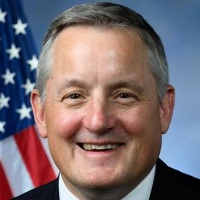
Bruce Westerman
Representative
AR
Bruce Westerman
Representative
AR
This bill, the Great American Outdoors Act 250, significantly reforms and renames the existing public lands restoration fund to the America’s Legacy Restoration Fund. It secures dedicated funding streams, primarily from energy revenues and new fees on foreign visitors, to address critical deferred maintenance across the National Park Service, Forest Service, and other public land agencies. The legislation establishes strict spending priorities for infrastructure repair while also creating pilot programs for enhancing outdoor recreation and sportsmen's access. Finally, it mandates increased transparency and accountability through standardized metrics and public reporting on all funded projects.
This bill expands Medicare Part B coverage to reimburse for specific pharmacist services related to testing and treatment for certain public health threats, effective January 1, 2026.
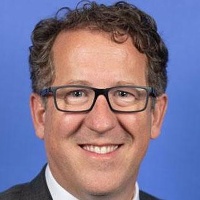
Adrian Smith
Representative
NE
Adrian Smith
Representative
NE
The Ensuring Community Access to Pharmacist Services Act expands Medicare Part B coverage to include services provided by pharmacists starting January 1, 2026. This coverage is specifically for testing or treatment related to COVID-19, the flu, RSV, strep throat, or during a declared public health emergency. The bill outlines payment structures, generally covering 80% of the cost, and prohibits pharmacists from balance billing Medicare patients for these covered services.
This bill allows for year-round sales of E15 gasoline and restructures the Renewable Fuel Standard program by phasing out small refinery exemptions in favor of a 75% compliance obligation reduction starting in 2028.
Adrian Smith
Representative
NE
Adrian Smith
Representative
NE
This bill, the Nationwide Consumer and Fuel Retailer Choice Act of 2025, makes two major changes: it allows for the year-round sale of E15 gasoline and reforms the Renewable Fuel Standard (RFS) for small refineries. The RFS reform phases out existing small refinery exemptions starting in 2028, replacing them with a 75% compliance obligation reduction. The Act also directs the EPA to update fuel infrastructure rules for E15 distribution.
This bill establishes the Combating Organized Retail Crime Act of 2025 to enhance federal prosecution tools against organized retail and supply chain crime and create a DHS-led coordination center to align law enforcement efforts.
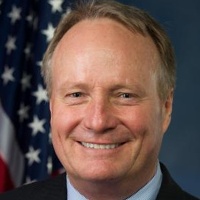
David Joyce
Representative
OH
David Joyce
Representative
OH
The Combating Organized Retail Crime Act of 2025 aims to combat sophisticated, cross-jurisdictional organized retail and supply chain theft. It achieves this by strengthening federal laws regarding money laundering and stolen property offenses, including lowering monetary thresholds for prosecution. Furthermore, the bill establishes a dedicated Center within the Department of Homeland Security to coordinate federal, state, and local enforcement efforts against these criminal organizations.
This resolution expresses support for America's law enforcement professionals by recognizing their service, acknowledging the dangers they face, and calling for necessary equipment, training, and funding to ensure their safety and effectiveness.
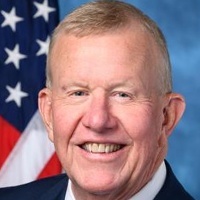
Mike Ezell
Representative
MS
Mike Ezell
Representative
MS
This resolution expresses strong support and appreciation for America's law enforcement professionals, recognizing their daily service and sacrifice. It honors officers who have been injured or killed in the line of duty and highlights recent crime reduction successes attributed to their efforts. The bill calls for increased support, including better equipment, training, mental health resources, and tougher penalties for assaulting officers, to ensure their safety and effectiveness.
This bill expands the Committee on Foreign Investment in the United States (CFIUS) authority to review and presume national security risks from real estate transactions involving foreign adversaries near sensitive sites and on agricultural land.
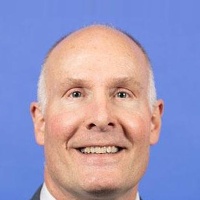
John Moolenaar
Representative
MI
John Moolenaar
Representative
MI
This Act strengthens national security by expanding the Committee on Foreign Investment in the United States (CFIUS) review of real estate transactions involving foreign adversaries. It specifically targets purchases of farmland and property near sensitive national security sites. The legislation introduces a presumption that such "elevated risk" transactions pose unresolvable risks, placing a high burden on CFIUS to prove otherwise. Furthermore, it mandates consideration of U.S. food security during transaction reviews and ensures state laws restricting foreign adversary land ownership remain in effect.
This bill expresses support for designating May 5th as a National Day of Awareness for Missing and Murdered Indigenous Women and Girls and calls for related commemorative activities and updated research.
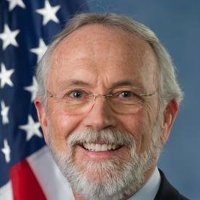
Dan Newhouse
Representative
WA
Dan Newhouse
Representative
WA
This bill expresses support for designating May 5th as a National Day of Awareness for Missing and Murdered Indigenous Women and Girls. It calls for national observance to honor victims and show solidarity with their families. Additionally, the legislation recommends the Department of Justice commission an updated study on this ongoing crisis.
This bill condemns the multiple assassination attempts against President Donald J. Trump and recognizes the critical mission of the Department of Homeland Security.
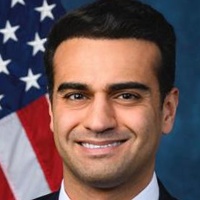
Abraham Hamadeh
Representative
AZ
Abraham Hamadeh
Representative
AZ
This bill strongly condemns the multiple attempted assassinations against President Donald J. Trump, including the attack on April 25, 2026. It commends the heroism of law enforcement and recognizes the critical mission of the Department of Homeland Security. Furthermore, the resolution calls for unity against political violence and the full funding of essential security agencies.
The SEED Act extends key biodiesel and renewable diesel tax incentives through 2029 while preventing taxpayers from claiming overlapping benefits for the same fuel.
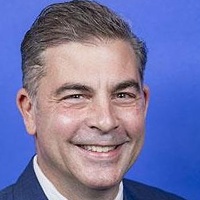
Mike Carey
Representative
OH
Mike Carey
Representative
OH
The Supporting Energy and Economic Development (SEED) Act primarily extends key tax incentives for biodiesel and renewable diesel through 2029. It also introduces new provisions to prevent taxpayers from claiming multiple overlapping benefits for the same fuel, ensuring credits are not double-counted.
This Act repeals the federal beneficial ownership information reporting requirements for domestic persons and entities, limiting them only to foreign individuals and foreign-connected companies, and mandates the deletion of existing domestic data.
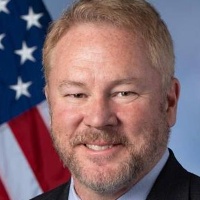
Warren Davidson
Representative
OH
Warren Davidson
Representative
OH
The Repealing Big Brother Overreach Act significantly narrows the federal beneficial ownership information reporting requirements. This legislation limits reporting obligations exclusively to foreign individuals and foreign-connected companies. Furthermore, it mandates the deletion of all previously collected data pertaining to domestic persons and entities.
The Native American Housing Assistance and Self-Determination Modernization Act of 2026 streamlines environmental reviews, reauthorizes critical housing funding, and expands support for tribal homeownership, veteran assistance, and infrastructure development.
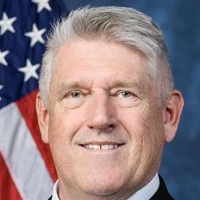
Troy Downing
Representative
MT
Troy Downing
Representative
MT
The Native American Housing Assistance and Self-Determination Modernization Act of 2026 streamlines federal housing programs to better support tribal communities. The bill simplifies environmental review processes, expands homeownership and rental assistance opportunities, and reauthorizes critical funding through 2032. Additionally, it enhances tribal authority over housing management, improves access to loan guarantees, and establishes new support programs for homeless or at-risk Native American veterans.
The SNAP Fraud Reporting Act of 2026 mandates that states submit comprehensive annual data on Supplemental Nutrition Assistance Program fraud to the Secretary of Agriculture to improve oversight and reporting to Congress.
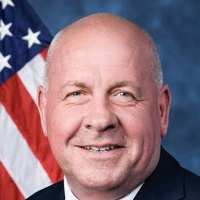
David Taylor
Representative
OH
David Taylor
Representative
OH
The SNAP Fraud Reporting Act of 2026 mandates that states submit detailed annual reports to the U.S. Secretary of Agriculture regarding fraud investigations, recoveries, and enforcement actions within the Supplemental Nutrition Assistance Program. This legislation aims to increase transparency and accountability by requiring the federal government to compile and publish this data for Congressional review. States that fail to comply with these reporting requirements will face a withholding of administrative funding.
This bill prohibits federal agencies from banning the use of lead ammunition and tackle on federal lands and waters unless specific, evidence-based criteria and state-level coordination requirements are met.
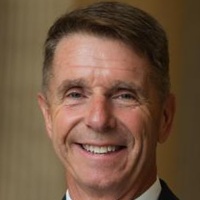
Robert Wittman
Representative
VA
Robert Wittman
Representative
VA
The Protecting Access for Hunters and Anglers Act prevents federal agencies from banning the use of lead ammunition and tackle on federal lands and waters open to hunting and fishing. Exceptions to this rule are only permitted if specific, site-based field data proves lead is causing a wildlife population decline and the action is approved by or consistent with state wildlife policies.