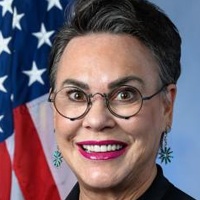
Legislative Activity
Track Harriet's sponsored bills, co-sponsored legislation, and voting record
The SHIELD Act prohibits schools receiving federal funds from allowing abortion providers to distribute information about abortion or related services to students on school grounds or virtual platforms.
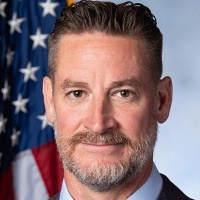
W. Steube
Representative
FL
W. Steube
Representative
FL
The School Health and Instructional Environment Limits and Disclosure (SHIELD) Act prohibits schools that receive federal funding from allowing abortion providers to distribute information about abortion or related services to students. This restriction applies to both physical school grounds and virtual platforms operated by local educational agencies.
The Stop Secret Spending Act of 2025 mandates greater transparency in federal spending by requiring the public disclosure of "other transaction agreements" and improving the accuracy and reporting standards of federal award data on USAspending.gov.
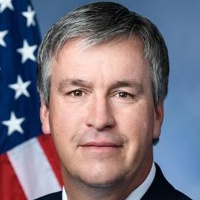
Barry Moore
Representative
AL
Barry Moore
Representative
AL
The Stop Secret Spending Act of 2025 increases federal financial transparency by requiring that "other transaction agreements" be publicly disclosed on USAspending.gov. The bill mandates improved data quality standards, establishes recurring reporting requirements for agencies, and ensures greater oversight of federal spending that currently remains hidden from public view.
The Permanent CBDC Ban Act prohibits the Federal Reserve from issuing a central bank digital currency.
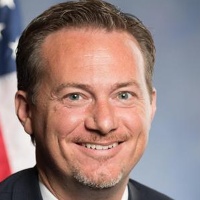
Michael Cloud
Representative
TX
Michael Cloud
Representative
TX
The Permanent CBDC Ban Act seeks to codify a long-term prohibition on the issuance of a Central Bank Digital Currency (CBDC) by the Federal Reserve. By amending the Federal Reserve Act, this legislation aims to permanently restrict the government from implementing a digital dollar.
This bill prohibits the Department of Labor from finalizing, implementing, or enforcing the proposed rule regarding heat injury and illness prevention in outdoor and indoor work settings.
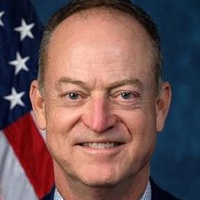
Mark Messmer
Representative
IN
Mark Messmer
Representative
IN
This act, the Heat Workforce Standards Act of 2025, prohibits the Secretary of Labor from finalizing, implementing, or enforcing the proposed rule regarding heat injury and illness prevention published in August 2024. This restriction extends to any future standard substantially similar to the one proposed.
This bill establishes a federal standard requiring large industrial electricity customers to fully cover the costs of necessary utility infrastructure upgrades and provide financial assurances before construction begins.
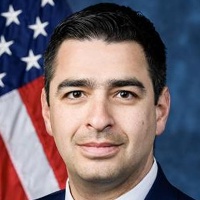
Gabe Evans
Representative
CO
Gabe Evans
Representative
CO
The Ratepayer Protection Act establishes a new federal standard requiring electric utilities to ensure large industrial customers (100 MW or more) fully cover the costs of necessary infrastructure upgrades. This mandates that large-load customers provide financial assurances before construction begins, protecting existing ratepayers from bearing the risk of future contract terminations. States must consider and adopt this standard within two years, unless they have already implemented similar requirements.
This bill clarifies that a franchisor is only considered a joint employer of a franchisee's workers if it exercises substantial, direct, and immediate control over essential terms of employment.
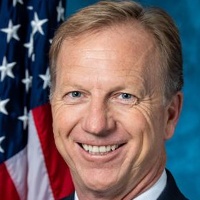
Kevin Hern
Representative
OK
Kevin Hern
Representative
OK
The American Franchise Act aims to protect the traditional franchise business model by clarifying the definition of a "joint employer." This legislation establishes that a franchisor is only considered a joint employer if it exercises "substantial direct and immediate control" over the essential terms of employment for a franchisee's workers. This change specifically targets liability risks associated with maintaining brand standards, ensuring franchisors are not automatically held responsible for local labor practices. The new standard applies prospectively to future legal proceedings.
This act amends Title IX to explicitly define "sex," "female," and "male" based on biological characteristics.
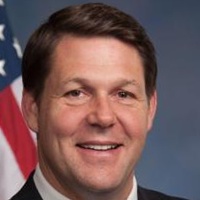
Jodey Arrington
Representative
TX
Jodey Arrington
Representative
TX
The Title IX Clarification Act of 2026 amends Title IX to explicitly define "sex," "female," and "male" based on an individual's biologically determined sex and reproductive system. This legislation clarifies the scope of sex-based protections under federal education law. The changes take effect immediately upon enactment.
The FORMULA Act of 2026 mandates stricter federal safety standards, testing requirements, and contaminant limits for infant formula to ensure product purity and protect infant health.
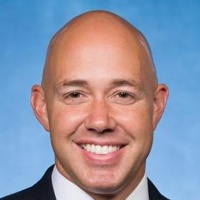
Brian Mast
Representative
FL
Brian Mast
Representative
FL
The FORMULA Act of 2026 strengthens infant safety by mandating strict federal limits on contaminants in infant formula, including heavy metals, PFAS, and microplastics. The bill requires manufacturers to conduct rigorous product testing, maintain detailed records, and report violations to ensure compliance with new health standards. These measures aim to protect infant development by ensuring the domestic formula supply chain meets the highest feasible safety benchmarks.
The No GRIFT Act of 2026 prohibits the Department of Justice from awarding grants to nonprofit organizations that rely on federal funding for over half their revenue while paying any employee more than the Attorney General’s salary.

Andy Biggs
Representative
AZ
Andy Biggs
Representative
AZ
The No GRIFT Act of 2026 prohibits the Department of Justice from awarding grants to nonprofit organizations that rely on federal funding for more than half of their revenue while paying any employee more than the Attorney General’s annual salary. To qualify for funding, organizations must certify that they do not exceed these compensation and revenue thresholds.
The Safe Cloud Storage Act establishes federal cybersecurity, storage, and liability standards for private vendors contracted by law enforcement to manage digital evidence of child exploitation.
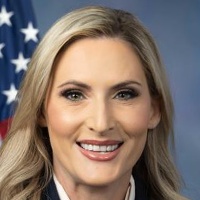
Laurel Lee
Representative
FL
Laurel Lee
Representative
FL
The Safe Cloud Storage Act establishes federal standards for law enforcement agencies that use private vendors to store digital evidence of child pornography and child obscenity. The bill mandates rigorous cybersecurity and data handling requirements for these vendors while providing them with limited liability protections. Additionally, it sets clear protocols for evidence retention and oversight to ensure the secure management of sensitive investigative materials.
This bill restricts how government entities can obtain records generated or held by Members of Congress and their staff during official duties, requiring notification and imposing review delays unless an exception applies.
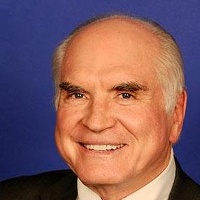
Mike Kelly
Representative
PA
Mike Kelly
Representative
PA
The Congressional Records Protection Act restricts government entities from obtaining official records of Members of Congress and their staff through warrants or subpoenas, with exceptions for criminal investigations. If such records are sought, the Member or employee must be notified before or at the time of execution. Furthermore, the government generally cannot review the seized materials for 30 days following notification.
This bill amends the federal charter of the Daughters of the American Revolution to restrict membership eligibility to individuals who meet the organization's genealogical requirements and are defined as adult human females.

Ben Cline
Representative
VA
Ben Cline
Representative
VA
The Daughters of the American Revolution Membership Integrity Act amends the organization’s federal charter to formally define membership eligibility. The bill restricts membership to adult human females, establishing a biological definition for the term "female" based on reproductive system development.
The Chloe Cole Act of 2026 establishes a private right of action allowing individuals to sue healthcare providers for damages resulting from gender-transition medical interventions performed on them as minors.
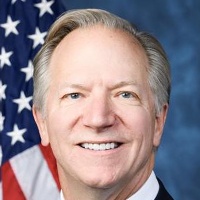
Robert Onder
Representative
MO
Robert Onder
Representative
MO
The Chloe Cole Act of 2026 establishes a federal private right of action allowing individuals to sue healthcare professionals and institutions for damages related to gender-transition medical interventions performed on them as minors. The bill permits lawsuits regardless of when the intervention occurred and sets a statute of limitations extending 25 years past the individual's 18th birthday. Additionally, it mandates strict liability for such interventions performed after the Act's enactment.
This bill authorizes the presentation of a Congressional Gold Medal to the Hmong people in recognition of their distinguished service and sacrifice alongside the United States during the Vietnam War.
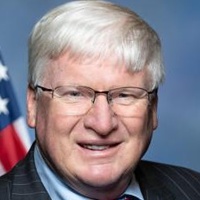
Glenn Grothman
Representative
WI
Glenn Grothman
Representative
WI
The Hmong Congressional Gold Medal Act honors the Hmong people for their courageous service and sacrifice alongside the United States during the Vietnam War. This legislation authorizes the presentation of a Congressional Gold Medal to recognize their critical contributions in the fight against communism and their subsequent resettlement in America. The medal will be housed at the Smithsonian Institution to preserve the history of their service for future generations.
The National Fraud Enforcement Division Act of 2026 establishes a dedicated division within the Department of Justice to lead, coordinate, and prosecute large-scale fraud investigations affecting the federal government and U.S. citizens.
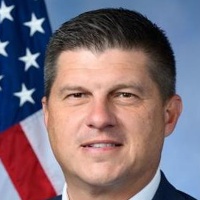
Brad Finstad
Representative
MN
Brad Finstad
Representative
MN
The National Fraud Enforcement Division Act of 2026 establishes a dedicated division within the Department of Justice to centralize and strengthen the federal government's response to sophisticated fraud. Led by a Senate-confirmed Assistant Attorney General, this division will oversee multi-jurisdictional investigations, coordinate national enforcement priorities, and propose systemic reforms to protect federal programs and U.S. citizens.
The FEES Act of 2026 limits eligibility and caps attorney fee awards in federal litigation, prohibits fee payments in settlements involving new agency regulations, and mandates an independent scientific review of federal land management.
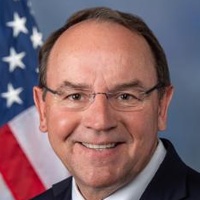
Thomas Tiffany
Representative
WI
Thomas Tiffany
Representative
WI
The FEES Act of 2026 reforms the Equal Access to Justice Act by capping attorney fee awards in federal litigation and requiring prevailing parties to demonstrate a direct monetary interest. It further prohibits the payment of legal fees in settlements that result in new federal regulations or guidance documents. Additionally, the bill mandates a five-year independent scientific review to assess the impact of these changes on the sustainability and management of federal lands.
This act mandates that public colleges and universities receiving federal funds must grant religious student groups the same rights, benefits, and privileges as all other student organizations on campus.
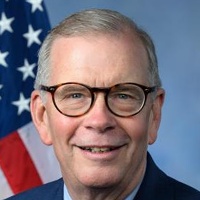
Tim Walberg
Representative
MI
Tim Walberg
Representative
MI
The Equal Campus Access Act of 2025 ensures that public colleges and universities receiving federal funding must grant religious student groups the same rights, benefits, and privileges afforded to all other student organizations. This legislation prohibits discrimination against religious groups based on their beliefs, speech, leadership, or standards of conduct. Essentially, it mandates equal access to campus resources for all student organizations.
This bill renames and revises the Great American Outdoors Act's maintenance fund, increases dedicated funding through new, higher fees for foreign visitors, and sets spending priorities for deferred maintenance across public lands agencies.
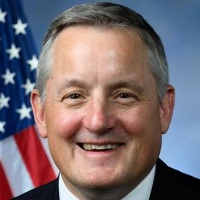
Bruce Westerman
Representative
AR
Bruce Westerman
Representative
AR
This bill, the Great American Outdoors Act 250, significantly reforms and renames the existing public lands restoration fund to the America’s Legacy Restoration Fund. It secures dedicated funding streams, primarily from energy revenues and new fees on foreign visitors, to address critical deferred maintenance across the National Park Service, Forest Service, and other public land agencies. The legislation establishes strict spending priorities for infrastructure repair while also creating pilot programs for enhancing outdoor recreation and sportsmen's access. Finally, it mandates increased transparency and accountability through standardized metrics and public reporting on all funded projects.
The "Ban Abortion by Mail Act" mandates that providers of mifepristone and other abortion drugs conduct in-person patient visits and hold a valid medical license in the patient's state of residence.
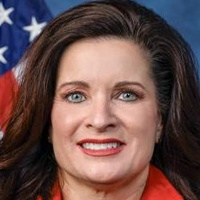
Sheri Biggs
Representative
SC
Sheri Biggs
Representative
SC
The "Ban Abortion by Mail Act" mandates that healthcare providers conduct in-person visits and hold a valid medical license in the patient's state of residence before prescribing or dispensing abortion drugs. Providers who violate these requirements face a minimum two-year loss of their FDA-mandated REMS certification. Additionally, the bill requires the Department of Health and Human Services to submit annual reports to Congress regarding providers who lose their certification due to these violations.
This bill, the Hydropower Licensing Affordability Act, modernizes the hydropower licensing process by expanding the Federal Energy Regulatory Commission's authority to require mitigation measures for adverse effects on federal reservations and fish populations.
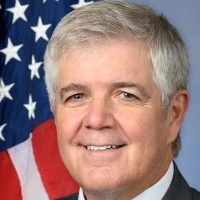
Cliff Bentz
Representative
OR
Cliff Bentz
Representative
OR
This bill, the Hydropower Licensing Affordability Act, modernizes the hydropower licensing process under the Federal Power Act. It expands the Federal Energy Regulatory Commission's authority to impose conditions on licenses to ensure hydropower projects reasonably mitigate direct adverse effects on federal reservations and local fish populations.