The FEES Act of 2026 limits eligibility and caps attorney fee awards in federal litigation, prohibits fee payments in settlements involving new agency regulations, and mandates an independent scientific review of federal land management.
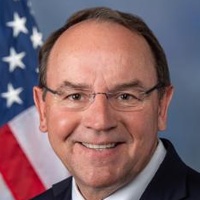
Thomas Tiffany
Representative
WI-7
The FEES Act of 2026 reforms the Equal Access to Justice Act by capping attorney fee awards in federal litigation and requiring prevailing parties to demonstrate a direct monetary interest. It further prohibits the payment of legal fees in settlements that result in new federal regulations or guidance documents. Additionally, the bill mandates a five-year independent scientific review to assess the impact of these changes on the sustainability and management of federal lands.
FEES Act of 2026 Limits Legal Fee Awards to $200,000 and Requires Direct Financial Harm for Lawsuits Against Federal Agencies
The FEES Act of 2026 fundamentally changes the rules for when the federal government has to pay your legal bills if you win a case against them. Under the new rules, you can only recover attorney fees if you can prove a 'direct and personal monetary interest' in the case, such as a personal injury, property damage, or an unpaid government payment (Section 2). This means if you are suing an agency over a public interest issue—like clean air in your neighborhood or the protection of a local park—you might be on the hook for all your legal costs even if a judge rules that the government broke the law, simply because you didn't suffer a direct hit to your bank account.
The $200,000 Price Tag on Justice
For those who do qualify for fees, the bill introduces strict new limits. It caps attorney fee awards at $200,000 per case and limits any single person or business to three such awards per year (Section 2). While this doesn't apply to Social Security or Veterans Affairs cases, it creates a massive hurdle for complex litigation. For a small business owner fighting a multi-year regulatory battle that costs $500,000 in legal fees to win, the $200,000 cap means they would still lose $300,000 just for being right. Additionally, courts are now required to deny fees entirely if they decide a party acted in bad faith or in an 'obdurate' or 'mendacious' manner—terms that give judges significant leeway to withhold payments.
No Fees for Policy Fixes
A major shift in this bill targets how advocates use the legal system to change government policy. Section 3 prohibits the government from paying any legal fees as part of a settlement or consent decree if that settlement results in the agency issuing a new regulation or 'guidance document.' This covers almost everything from formal rules to simple blog posts or manuals. If a local advocacy group sues an agency to force them to update safety guidelines for a chemical plant, and the agency agrees to update those guidelines to settle the case, the group’s lawyers cannot be paid by the government. This could effectively end 'sue and settle' practices, but it also makes it much harder for non-profits to hold agencies accountable without massive outside funding.
A New Look at the Great Outdoors
While much of the bill focuses on the courtroom, Section 4 pivots to the woods. It mandates an independent scientific review of federal land management every five years to check on forest health, wildfire risks, and economic productivity. The review panel must include a specific mix of voices: two hunters or anglers, one representative from the timber industry, one from a rural water utility, and one wildlife biologist. This panel will report directly to Congress on whether our federal lands are being managed sustainably, potentially shifting how the Department of the Interior prioritizes logging, conservation, and recreation in the years to come.