This bill, the Hydropower Licensing Affordability Act, modernizes the hydropower licensing process by expanding the Federal Energy Regulatory Commission's authority to require mitigation measures for adverse effects on federal reservations and fish populations.
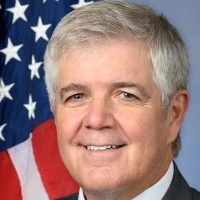
Cliff Bentz
Representative
OR-2
This bill, the Hydropower Licensing Affordability Act, modernizes the hydropower licensing process under the Federal Power Act. It expands the Federal Energy Regulatory Commission's authority to impose conditions on licenses to ensure hydropower projects reasonably mitigate direct adverse effects on federal reservations and local fish populations.
Hydropower Licensing Affordability Act Targets River Health and Tribal Land Protections Through New Mitigation Rules
The Hydropower Licensing Affordability Act aims to modernize how the federal government greenlights hydroelectric projects by expanding the Federal Energy Regulatory Commission’s (FERC) power to demand accountability. Under Section 2, the bill updates the Federal Power Act to allow FERC to require project operators to do more than just protect land; they must now "reasonably mitigate the direct adverse effect" of their projects on federal and Indian reservations. This shift moves from simple maintenance to active damage control, ensuring that if a dam or powerhouse negatively impacts tribal land or federal resources, the company behind it has to fix or compensate for that specific harm.
Balancing Power and Protection
This isn't just about paperwork; it’s about how energy production interacts with the people and ecosystems nearby. For a tribal community living downstream from a major dam, this change means the project operator can be legally compelled to address specific issues like soil erosion or land loss caused directly by the facility’s operation. While the bill aims to improve the relationship between energy providers and local communities, the phrase "reasonably mitigate" is a bit of a gray area. Since the bill doesn't define exactly what counts as "reasonable," it leaves a lot of room for FERC to decide, which could lead to long legal back-and-forths between government regulators and utility companies.
New Rules for the River
The bill also takes a closer look at what’s happening underwater. Section 3 mandates that any fishways—essentially ladders or bypasses that help fish move around dams—must be designed to mitigate the direct adverse effects on fish populations in that river system. For a commercial fisherman or a local guide whose livelihood depends on healthy salmon or trout runs, this provision is intended to ensure that hydropower doesn't come at the cost of the local ecosystem. By tying fishway requirements directly to the health of the species, the bill forces operators to look at the actual biological results of their infrastructure rather than just checking a box.
The Bottom Line for Consumers
While these environmental and tribal protections are a step toward more responsible energy, they don't come for free. Hydropower operators may face significant new costs to meet these mitigation standards, from building more advanced fish ladders to paying for land restoration projects. For the average person, these operational costs often trickle down to monthly utility bills. The challenge for regulators will be implementing these rules in a way that protects natural and tribal resources without making renewable hydropower too expensive for the households and small businesses that rely on it.