Legislative Activity
Track Jahana's sponsored bills, co-sponsored legislation, and voting record
This act nullifies a recent Executive Order regarding federal labor relations and ensures existing collective bargaining agreements remain in effect.

Jared Golden
Representative
ME
Jared Golden
Representative
ME
The Protect America's Workforce Act nullifies a specific Executive Order issued in March 2025 concerning exclusions from federal labor-management relations programs. This legislation ensures that any existing collective bargaining agreements between federal agencies and employee unions remain fully in effect until their stated expiration dates. The Act also prohibits the use of federal funds to implement the overturned Executive Order.
The Keeping All Students Safe Act strictly prohibits dangerous restraint and seclusion in federally funded schools while mandating comprehensive state reporting, staff training, and parental notification for any permissible physical restraint.
Donald Beyer
Representative
VA
Donald Beyer
Representative
VA
The Keeping All Students Safe Act strictly prohibits dangerous restraint and seclusion practices in federally funded schools, establishing national safety standards and requiring immediate parental notification after any restraint incident. It mandates that states create detailed plans, publicly report incident data broken down by student demographics, and utilize federal grants to fund training and prevention strategies. The bill creates a private right of action for families harmed by violations and ensures oversight across various federal school systems.
This act restores access to professional degrees by amending the Higher Education Act to remove specific annual and aggregate loan limits for graduate and professional students.
Ritchie Torres
Representative
NY
Ritchie Torres
Representative
NY
The Professional Degree Access Restoration Act amends the Higher Education Act to eliminate specific annual and aggregate loan limits for Federal Direct PLUS Loans made to graduate and professional students. This action removes previous restrictions on the maximum amount graduate students can borrow through these federal loan programs.
This act increases the annual and aggregate loan limits for Federal Direct Unsubsidized Stafford Loans for graduate and professional students, effective July 1, 2026.
Timothy Kennedy
Representative
NY
Timothy Kennedy
Representative
NY
The Loan Equity for Advanced Professionals Act raises the federal student loan limits for graduate and professional students. Effective July 1, 2026, the annual borrowing limit for Federal Direct Unsubsidized Stafford Loans will increase to \$50,000, and the aggregate limit will rise to \$200,000. This aims to provide greater financial support for advanced degree candidates.
This act establishes a USDA program to provide grants for eligible entities to strengthen and modernize the domestic supply chain for certified organic products.
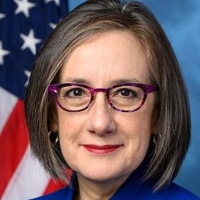
Andrea Salinas
Representative
OR
Andrea Salinas
Representative
OR
The Domestic Organic Investment Act of 2025 establishes a new program within the Department of Agriculture to strengthen the domestic supply chain for certified organic products. This program will provide grants to eligible U.S. entities for projects that expand storage, processing, and distribution capacity. The goal is to modernize infrastructure, improve compliance, and better compete with imported organic goods.
This bill significantly increases civil penalties across various federal labor laws, strengthens enforcement for health plan compliance, establishes penalties for employer unfair labor practices, and treats certain recordkeeping failures as continuing violations.
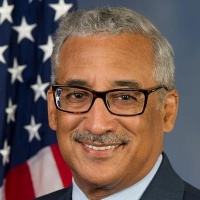
Robert Scott
Representative
VA
Robert Scott
Representative
VA
The Labor Enforcement to Securely Protect Workers (LETS Protect Workers) Act significantly increases civil penalties for violations across major federal labor laws, including child labor, wage and hour, and workplace safety standards. It strengthens enforcement mechanisms for mine safety violations and retaliation against miners, while also establishing new penalties for employer unfair labor practices under the National Labor Relations Act. Furthermore, the bill enhances enforcement for health plan parity and makes certain recordkeeping failures under OSHA and FLSA continuing violations.
The CARE for First Responders Act expands crisis counseling and establishes specialized mental health services and mobile crisis grants for emergency responders and public safety telecommunicators following major disasters.
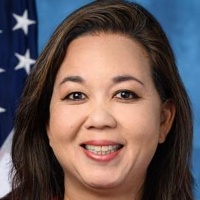
Jill Tokuda
Representative
HI
Jill Tokuda
Representative
HI
The CARE for First Responders Act expands crisis counseling assistance to include emergency responders and public safety telecommunicators following major disasters. The bill establishes a comprehensive mental health program providing 24/7 confidential support, including a dedicated hotline and peer counseling. Additionally, it creates a grant program to fund mobile crisis units offering on-site mental health services to first responders during disaster response.
This bill officially names the World War II Women's Memorial at Arlington National Cemetery and adjusts location restrictions for a related commemorative work in Washington, D.C.

Debbie Dingell
Representative
MI
Debbie Dingell
Representative
MI
This Act officially names the memorial at the entrance to Arlington National Cemetery as the "World War II Women's Memorial." It also designates this memorial as a "commemorative work" under existing federal law. Furthermore, the bill allows a specific World War II home front women's commemorative work to be placed in designated areas within Washington, D.C., overriding standard location restrictions.
The HELP Copays Act mandates that financial assistance from non-profits and drug manufacturers must count toward a patient's deductible, copay, and out-of-pocket maximum for prescription drugs.
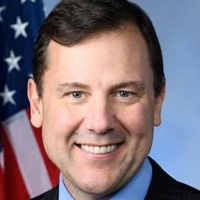
Thomas Kean
Representative
NJ
Thomas Kean
Representative
NJ
The HELP Copays Act requires that financial assistance provided by non-profit organizations and drug manufacturers must count toward a patient's deductible, copayments, and out-of-pocket maximums for prescription drugs. This change ensures that patient assistance dollars directly reduce the amount a patient must pay before their coverage fully kicks in. The legislation specifically applies to specialty drugs and those subject to utilization management. These provisions will take effect for plan years beginning on or after January 1, 2026.
The Right to Read Act of 2025 establishes definitions for effective school libraries and the right to read, amends federal education law to require state and local plans supporting these rights, authorizes funding for literacy programs, and mandates data collection on school libraries.
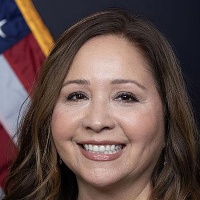
Adelita Grijalva
Representative
AZ
Adelita Grijalva
Representative
AZ
The Right to Read Act of 2025 amends federal education law to establish a comprehensive "right to read" for all students, ensuring access to evidence-based instruction, effective school libraries, and diverse reading materials. The bill defines key terms like "effective school library" and mandates that states and local agencies detail plans to support these resources and protect students' First Amendment rights regarding information access. Furthermore, it authorizes significant new funding to improve literacy programs, support school librarians, and mandates national data collection on school library resources.
This bill establishes a CISA program to promote cybersecurity careers specifically to disadvantaged communities across the United States.
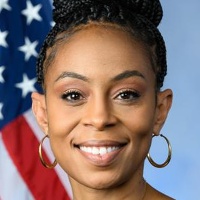
Shontel Brown
Representative
OH
Shontel Brown
Representative
OH
The Expanding Cybersecurity Workforce Act of 2025 establishes a new CISA program to actively promote cybersecurity careers to disadvantaged communities across the nation. This initiative specifically targets outreach to older individuals, minorities, people with disabilities, veterans, and those from nontraditional educational backgrounds. The goal is to diversify and strengthen the U.S. cyber workforce through tailored education and training assistance. The Act authorizes $20 million annually through fiscal year 2031 to support these efforts.
The Dignity for Detained Immigrants Act establishes comprehensive standards, rigorous oversight, and new custody procedures to ensure humane treatment and due process for all noncitizens detained by the Department of Homeland Security, while phasing out for-profit detention facilities.
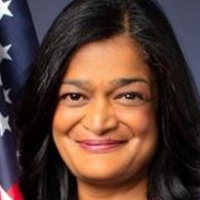
Pramila Jayapal
Representative
WA
Pramila Jayapal
Representative
WA
The Dignity for Detained Immigrants Act aims to overhaul immigration detention by establishing mandatory, high standards based on ABA guidelines and increasing transparency through rigorous, unannounced inspections. The bill prohibits the use of private, for-profit detention facilities within three years and ends the mandatory detention of most noncitizens, prioritizing release or community-based alternatives. Furthermore, it establishes new due process rights, including timely custody hearings, a presumption of release, and prohibitions on detaining children or using solitary confinement.
This bill withdraws Oak Flat from mineral entry and cancels the land exchange to prevent foreign mining operations by Resolution Copper.
Adelita Grijalva
Representative
AZ
Adelita Grijalva
Representative
AZ
This bill, the Save Oak Flat from Foreign Mining Act, withdraws approximately 2,422 acres of Forest Service land known as Oak Flat in Arizona from all forms of mineral entry and development. It specifically cancels the prior land exchange that would have transferred the land to Resolution Copper Mining, LLC. The Act prohibits the transfer of Oak Flat to the foreign-backed mining venture, citing national security and environmental concerns.
The Kid PROOF Act of 2025 expands federal grant funding for substance abuse and suicide prevention services, treatment, and lethal means safety supplies for children, adolescents, and young adults.
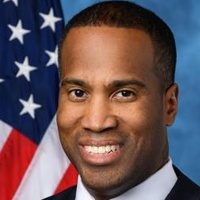
John James
Representative
MI
John James
Representative
MI
The Kid PROOF Act of 2025 aims to enhance substance abuse and suicide prevention services for children, adolescents, and young adults. This bill expands eligibility for federal grant funding to a wider range of healthcare providers and specialists serving this population. It also authorizes new grant activities focused on overdose and suicide intervention, parental counseling, and providing lethal means safety supplies. Finally, the Act extends the program's funding authorization through fiscal year 2030.
This bill repeals harmful provisions of a previous act, exempts unaccompanied children from various immigration fees, and restricts the use of their sponsor information for enforcement purposes.

Dan Goldman
Representative
NY
Dan Goldman
Representative
NY
The Upholding Protections for Unaccompanied Children Act of 2025 seeks to reverse harmful provisions affecting unaccompanied children. This bill eliminates various immigration-related fees for current and former unaccompanied children, including those for asylum and employment authorization. It also prohibits physically intrusive medical examinations and restricts the sharing of sponsor information with immigration enforcement agencies. Furthermore, the Act mandates the refunding of previously paid fees.
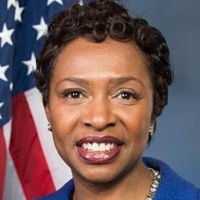
The Artificial Intelligence Civil Rights Act of 2025 establishes comprehensive federal rules to prevent algorithmic discrimination, mandate independent safety audits for high-risk AI systems, and grant individuals new rights to transparency and legal recourse against biased automated decisions.
Yvette Clarke
Representative
NY
Yvette Clarke
Representative
NY
The Artificial Intelligence Civil Rights Act of 2025 establishes comprehensive federal rules to prevent discrimination caused by automated decision-making systems in critical areas like employment, housing, and credit. It mandates independent safety checks, public reporting for high-risk findings, and clear contractual standards between algorithm creators and users. The law empowers the Federal Trade Commission (FTC) and grants individuals a private right of action to enforce these new civil rights protections against algorithmic bias.
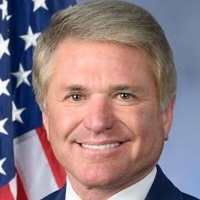
The Mikaela Naylon Give Kids a Chance Act primarily focuses on enhancing pediatric drug research, ensuring completion of pediatric study requirements, extending incentives for rare pediatric disease treatments, and making targeted updates to FDA and organ transplant network operations.
Michael McCaul
Representative
TX
Michael McCaul
Representative
TX
The Mikaela Naylon Give Kids a Chance Act focuses primarily on improving pediatric drug development and ensuring patient access to necessary treatments. This legislation mandates new research requirements for molecularly targeted pediatric cancer drugs, strengthens FDA enforcement of pediatric study completion, and extends incentives for developing drugs for rare pediatric diseases. Additionally, the bill updates organ transplant network functions and establishes an Abraham Accords Office within the FDA to enhance international regulatory cooperation.
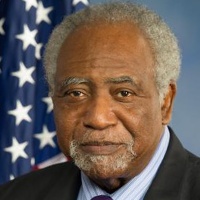
This Act prohibits discrimination based on religion, sex, or marital status in federally funded child welfare services to improve outcomes for all children, especially LGBTQ youth.
Danny Davis
Representative
IL
Danny Davis
Representative
IL
The John Lewis Every Child Deserves a Family Act prohibits discrimination based on religion, sex, or marital status in federally funded child welfare services. This aims to increase the number of stable, family-like placements for children, especially for LGBTQ youth who are overrepresented in foster care. The bill mandates federal guidance, training, and data collection to improve safety and well-being outcomes for all children involved in the system.
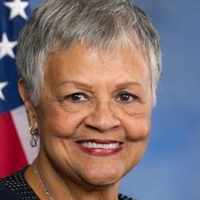
The Healthy MOM Act establishes special enrollment periods for pregnancy across various health plans, mandates maternity coverage for dependents, and ensures continuous 12-month Medicaid and CHIP coverage for pregnant and postpartum individuals.
Bonnie Watson Coleman
Representative
NJ
Bonnie Watson Coleman
Representative
NJ
The Healthy Maternity and Obstetric Medicine Act, or Healthy MOM Act, aims to improve maternal and newborn health outcomes by ensuring comprehensive maternity coverage is accessible. It establishes special enrollment periods for pregnant individuals across various health plans and mandates that dependent coverage must include maternity care. Furthermore, the bill secures continuous 12-month postpartum coverage under Medicaid and CHIP and adjusts federal employee health benefit rules regarding pregnancy.
This bill expands Medicare drug price negotiation to private insurance, applies inflation rebates to commercial drugs, and establishes annual out-of-pocket limits for prescription drugs under private health insurance.
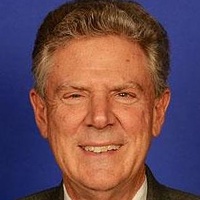
Frank Pallone
Representative
NJ
Frank Pallone
Representative
NJ
The Lowering Drug Costs for American Families Act aims to significantly reduce prescription drug expenses for consumers. It expands the federal drug price negotiation program to cover more drugs and extends negotiated prices to most private health insurance plans. Furthermore, the bill applies inflation rebates to the commercial market and establishes new annual out-of-pocket spending caps for prescription drugs under private insurance starting in 2027. It also sets specific, lower cost-sharing requirements for covered insulin products.