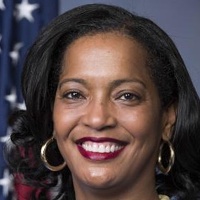
Legislative Activity
Track Jahana's sponsored bills, co-sponsored legislation, and voting record
The ASSET Act eliminates restrictive asset limits for TANF, SNAP, and LIHEAP programs and increases resource limits for Supplemental Security Income (SSI) to help low-income families build financial security.
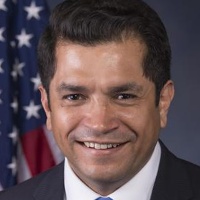
Jimmy Gomez
Representative
CA
Jimmy Gomez
Representative
CA
The Allowing Steady Savings by Eliminating Tests (ASSET) Act aims to improve financial security for low-income families by removing restrictive asset limits in key federal assistance programs, including TANF, SNAP, and LIHEAP. Additionally, the bill significantly increases and indexes resource limits for Supplemental Security Income (SSI) to account for inflation. These changes are designed to help families build savings and reduce reliance on public assistance without the fear of losing essential benefits.
This bill strengthens federal protections for domestic violence survivors by closing loopholes to prohibit individuals subject to protective orders from purchasing or possessing firearms and establishing a grant program to assist in the removal of firearms from adjudicated abusers.
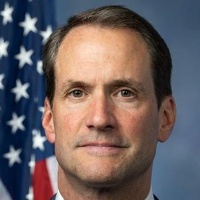
James Himes
Representative
CT
James Himes
Representative
CT
The Lori Jackson-Nicolette Elias Domestic Violence Survivor Protection Act strengthens federal law to better protect victims of domestic violence by closing loopholes that allow abusive dating partners and those under temporary restraining orders to access firearms. The bill expands the definition of "intimate partner" and "misdemeanor crime of domestic violence," while prohibiting individuals subject to qualifying protective orders from purchasing or possessing firearms. Additionally, it establishes a federal grant program to assist states and local governments in implementing effective procedures for the removal and safe storage of firearms from individuals under domestic violence protection orders.
The Right to IVF Act of 2026 establishes a nationwide right to fertility care, mandates comprehensive insurance coverage for reproductive services, and expands access to fertility treatments for veterans and federal employees.
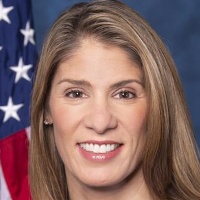
Lori Trahan
Representative
MA
Lori Trahan
Representative
MA
The Right to IVF Act of 2026 establishes a nationwide statutory right to access assisted reproductive technology (ART) and intrauterine insemination (IUI) while prohibiting states from imposing restrictive barriers. The bill further expands family-building support by mandating comprehensive fertility coverage across private insurance, Medicare, Medicaid, and federal employee health plans. Additionally, it guarantees expanded access to fertility services and preservation for military service members and veterans.
This bill reauthorizes the Accelerating Access to Critical Therapies for ALS Act through 2031 while enhancing grant oversight, safety reporting requirements, and FDA strategic planning for rare neurodegenerative diseases.

Mike Quigley
Representative
IL
Mike Quigley
Representative
IL
The Accelerating Access to Critical Therapies for ALS Reauthorization Act of 2026 extends vital funding for ALS research and clinical trial programs through 2031. This legislation strengthens oversight by enhancing grant review processes, improving safety reporting requirements, and mandating a comprehensive five-year FDA action plan to accelerate the development of treatments for rare neurodegenerative diseases.
This bill grants Members of Congress and their staff expanded access to federal buildings and contractor facilities to ensure effective oversight of government operations.
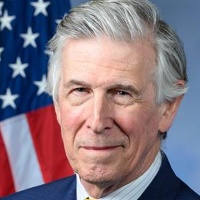
Donald Beyer
Representative
VA
Donald Beyer
Representative
VA
The Congressional Oversight and Agency Access Act grants Members of Congress and their staff expanded access to federal buildings and contractor-operated facilities to ensure effective oversight. The bill establishes clear protocols for entry during business hours, emergencies, and secure areas, while prohibiting agencies from obstructing observational access.
The Justice for Incarcerated Moms Act aims to improve maternal health outcomes for incarcerated individuals by prohibiting the shackling of pregnant prisoners and establishing federal and state programs to provide comprehensive prenatal and postpartum care.
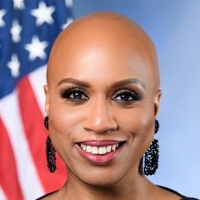
Ayanna Pressley
Representative
MA
Ayanna Pressley
Representative
MA
The Justice for Incarcerated Moms Act aims to improve maternal health outcomes and reduce disparities for pregnant and postpartum individuals in the criminal justice system. The bill mandates the end of shackling for pregnant individuals in federal and state facilities and establishes comprehensive model programs to provide prenatal and postpartum care. Additionally, it creates a grant program for state and local facilities to improve maternal health services and requires a federal report to identify and address systemic barriers to care.
This resolution recognizes July 21, 2026, as Black Women’s Equal Pay Day to raise awareness of the persistent wage gap and reaffirm the commitment to achieving pay equity.
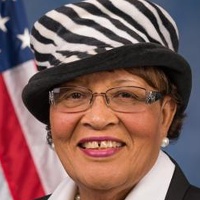
Alma Adams
Representative
NC
Alma Adams
Representative
NC
This resolution recognizes July 21, 2026, as Black Women’s Equal Pay Day to highlight the persistent and significant wage gap between Black women and white, non-Hispanic men. It calls attention to the systemic racial and gender-based barriers contributing to this disparity and reaffirms a commitment to achieving true pay equity.
This bill mandates the Federal Energy Regulatory Commission to hold a technical conference and report on strategies to shield residential and small commercial utility customers from rising energy costs driven by large AI data centers.
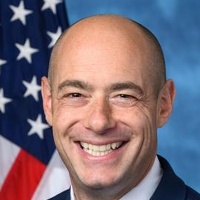
Greg Landsman
Representative
OH
Greg Landsman
Representative
OH
This bill, the Protecting Families from AI Data Center Energy Costs Act, directs the Federal Energy Regulatory Commission (FERC) to convene a technical conference on strategies to shield residential and small commercial utility customers from rising energy costs driven by large loads like AI data centers. Following the conference, FERC must submit a report to Congress detailing recommendations and best practices. The goal is to ensure utility costs remain manageable for everyday families and small businesses.
The AADAPT Act expands grant eligibility and funding to integrate dementia care services into health centers through 2031.
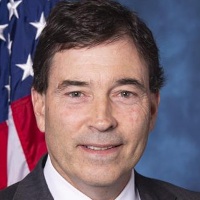
Troy Balderson
Representative
OH
Troy Balderson
Representative
OH
The AADAPT Act expands access to specialized dementia care by authorizing grants for public and nonprofit health centers to integrate these services into their programs. Additionally, the bill extends federal funding authorization through 2031 to ensure the continued growth and sustainability of these critical health outcomes.
The Essential Caregivers Act of 2026 mandates that long-term care facilities allow residents to designate essential caregivers who maintain in-person visitation rights even during periods when regular visitation is suspended.
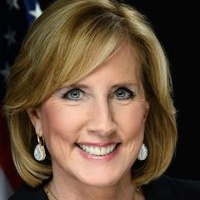
Claudia Tenney
Representative
NY
Claudia Tenney
Representative
NY
The Essential Caregivers Act of 2026 ensures that residents in long-term care facilities maintain access to designated essential caregivers, even when general visitation is suspended. The bill mandates that facilities allow residents to appoint up to two caregivers who can provide in-person support, provided they adhere to established safety protocols. It also prioritizes the investigation of access complaints and guarantees that these visitation rights cannot be waived during emergencies.
This bill mandates electronic prior authorization, increases transparency through required data reporting, and establishes faster decision timelines for Medicare Advantage plans to improve timely access to care for seniors.
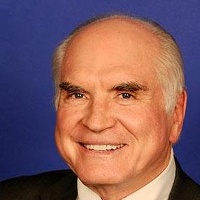
Mike Kelly
Representative
PA
Mike Kelly
Representative
PA
The Improving Seniors’ Timely Access to Care Act of 2025 aims to streamline and modernize the prior authorization process within Medicare Advantage plans. This bill mandates the adoption of electronic prior authorization systems and significantly increases transparency regarding approval rates and decision times starting in 2027. Furthermore, it establishes new enrollee protections and grants the Secretary authority to enforce faster decision timeframes for medical services.
The Summer Meals REACH Act of 2026 expands access to the Summer Food Service Program by implementing universal child eligibility, removing geographic restrictions, and allowing for flexible, noncongregate meal service options.
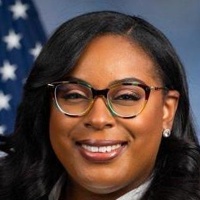
LaMonica McIver
Representative
NJ
LaMonica McIver
Representative
NJ
The Summer Meals REACH Act of 2026 expands access to child nutrition by allowing non-congregate meal options, such as grab-and-go or delivery, in areas lacking traditional service. The bill establishes universal eligibility for all children and updates reimbursement policies to ensure broader support for summer food programs. These changes aim to eliminate geographic and economic barriers to ensure children have consistent access to meals when school is out.
The Fresh Bucks for Fresh Produce Act establishes a pilot program providing low-income households with $60 in monthly benefits to increase access to fresh fruits and vegetables at local retailers.
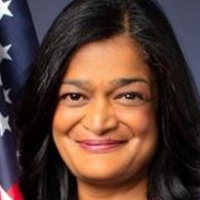
Pramila Jayapal
Representative
WA
Pramila Jayapal
Representative
WA
The Fresh Bucks for Fresh Produce Act establishes a federal pilot program that provides $60 in monthly benefits to low-income households for the purchase of fresh fruits and vegetables. By awarding grants to states, the program aims to increase food security, expand access to healthy produce, and support local retailers in underserved communities.
This bill supports the goals of Alzheimer's and Brain Awareness Month by encouraging education, advocacy for research and care, and support for those affected by Alzheimer's disease.
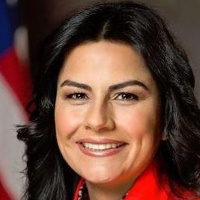
Nanette Barragán
Representative
CA
Nanette Barragán
Representative
CA
This resolution officially designates June as Alzheimer's and Brain Awareness Month. It highlights the widespread impact of Alzheimer's disease, including rising prevalence, significant caregiver strain, and health disparities. The measure encourages public education, advocacy for research and support services, and support for those affected by the disease.
The Home Internet Accessibility Act mandates a comprehensive federal assessment and strategic plan to expand broadband infrastructure and connectivity within federally assisted housing.
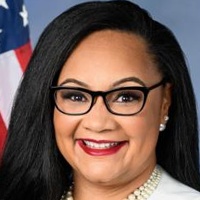
Nikema Williams
Representative
GA
Nikema Williams
Representative
GA
The Home Internet Accessibility Act mandates a comprehensive assessment of broadband infrastructure within federally assisted housing to identify gaps in connectivity and physical capacity. Following this report, the Department of Housing and Urban Development is required to develop a strategic plan to retrofit these properties for modern internet access. This legislation aims to bridge the digital divide by providing Congress with the data and actionable recommendations necessary to ensure all federally assisted housing can support reliable broadband service.
This act strengthens worker protections by increasing pay transparency, expanding recovery for wage theft, and establishing grants to combat illegal pay practices.

Rosa DeLauro
Representative
CT
Rosa DeLauro
Representative
CT
The Wage Theft Prevention and Wage Recovery Act strengthens worker protections by amending the Fair Labor Standards Act to mandate pay transparency, guarantee timely final pay, and significantly increase penalties for wage theft. It also extends the statute of limitations for filing wage claims and establishes a federal grant program to support local efforts in preventing wage theft and assisting workers with recovery. Overall, the bill aims to ensure workers receive the full wages they are owed through stricter enforcement and greater accountability for employers.
This bill impeaches Secretary of Education Linda M. McMahon for high crimes and misdemeanors, citing unlawful transfers of departmental offices, misleading Congress, and disrupting federal education funding.
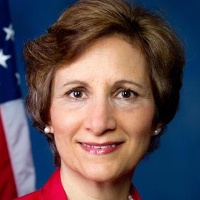
Suzanne Bonamici
Representative
OR
Suzanne Bonamici
Representative
OR
This bill impeaches Secretary of Education Linda M. McMahon for high crimes and misdemeanors related to her alleged unlawful transfer of departmental offices, willful non-compliance with federal law, and misleading Congress. The resolution cites her actions as a deliberate attempt to dismantle the Department of Education without congressional approval and a breach of her oath of office. These actions, including massive workforce reductions and the delayed disbursement of congressionally authorized funds, warrant her removal and disqualification from future office.
This bill renames and revises the Great American Outdoors Act's maintenance fund, increases dedicated funding through new, higher fees for foreign visitors, and sets spending priorities for deferred maintenance across public lands agencies.
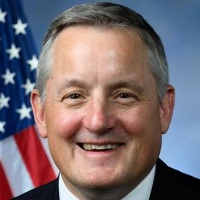
Bruce Westerman
Representative
AR
Bruce Westerman
Representative
AR
This bill, the Great American Outdoors Act 250, significantly reforms and renames the existing public lands restoration fund to the America’s Legacy Restoration Fund. It secures dedicated funding streams, primarily from energy revenues and new fees on foreign visitors, to address critical deferred maintenance across the National Park Service, Forest Service, and other public land agencies. The legislation establishes strict spending priorities for infrastructure repair while also creating pilot programs for enhancing outdoor recreation and sportsmen's access. Finally, it mandates increased transparency and accountability through standardized metrics and public reporting on all funded projects.
This resolution urges Congress to take immediate action to restore and strengthen voting rights protections and consider structural reforms to the Senate and Supreme Court to safeguard American democracy.
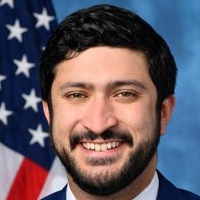
Gregorio Casar
Representative
TX
Gregorio Casar
Representative
TX
This resolution expresses the House's urgent call for Congress to restore and strengthen civil rights and fair political representation for all Americans. It specifically condemns recent Supreme Court decisions that have weakened the Voting Rights Act and enabled partisan gerrymandering. The bill asserts that Congress must act boldly, including considering Senate and Supreme Court reforms, to protect multiracial democracy.
The LIFT the BAR Act restores federal public benefit eligibility, including SNAP, Medicaid, and housing assistance, for many lawfully present noncitizens by repealing restrictions from the 1996 welfare law and updating terminology.
Pramila Jayapal
Representative
WA
Pramila Jayapal
Representative
WA
The LIFT the BAR Act repeals decades-old restrictions that barred many lawfully present noncitizens from accessing essential federal public benefits. This legislation restores eligibility for programs like SNAP, Medicaid, CHIP, and housing assistance for qualified noncitizens. The bill also updates terminology, replacing "alien" with "noncitizen" throughout relevant statutes.