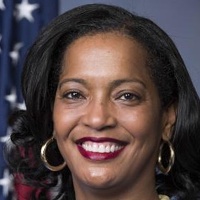
Legislative Activity
Track Jahana's sponsored bills, co-sponsored legislation, and voting record
This act reauthorizes and expands funding for the WISEWOMAN program to provide additional heart health preventive services to low-income women.
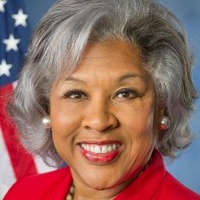
Joyce Beatty
Representative
OH
Joyce Beatty
Representative
OH
The Women’s Heart Health Expansion Act of 2026 reauthorizes the WISEWOMAN program through fiscal year 2031, securing significant funding for women's health initiatives. This legislation allows for supplemental grants to expand preventive health services, such as blood pressure and cholesterol screenings, to low-income women. These services will be integrated with existing breast and cervical cancer screening programs.
This resolution recognizes January 2026 as National Mentoring Month to honor mentors and promote quality mentoring programs for America's youth.
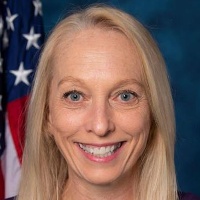
Mary Scanlon
Representative
PA
Mary Scanlon
Representative
PA
This resolution officially recognizes January 2026 as National Mentoring Month to honor the dedicated staff and volunteers in mentoring programs. It highlights the significant benefits of mentoring, such as boosting educational achievement and reducing juvenile delinquency. The bill encourages the growth of quality mentoring programs nationwide to ensure more young people have supportive adult connections.
This Act mandates the issuance of a forever postage stamp honoring the life and contributions of civil rights leader Bayard Rustin.

Eleanor Norton
Representative
DC
Eleanor Norton
Representative
DC
This bill, the Bayard Rustin Stamp Act, directs the Postmaster General to issue a forever postage stamp honoring the life and significant contributions of civil rights leader Bayard Rustin. The stamp will recognize his pivotal role as chief organizer of the 1963 March on Washington and his lifelong advocacy for nonviolence, labor rights, and equality.
This bill mandates that Federally-qualified health centers receive the full 340B discounted drug price upfront at the point of purchase, prohibiting post-purchase price adjustments.
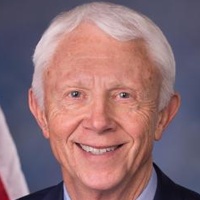
Jack Bergman
Representative
MI
Jack Bergman
Representative
MI
The Community Health Center Drug Pricing Protection Act ensures that Federally-qualified health centers (FQHCs) receive the full 340B discounted price for drugs at the point of purchase. This legislation prohibits manufacturers from requiring FQHCs to pay more than the established ceiling price upfront, regardless of any later rebates or reimbursements. The goal is to guarantee immediate, upfront savings for these vital health centers.
The Drain ICE Act of 2026 seeks to repeal specific sections of a previous law and rescind related funding, citing concerns over the Trump Administration's immigration enforcement practices, detention conditions, and resource allocation.
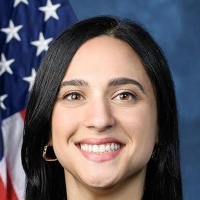
Yassamin Ansari
Representative
AZ
Yassamin Ansari
Representative
AZ
The Drain ICE Act of 2026 aims to fundamentally reform immigration enforcement by repealing specific sections of a prior law (Public Law 11921) and rescinding associated funding. This legislation is introduced in response to Congressional findings detailing concerns over mass deportation policies, inhumane detention conditions, and the detention of non-criminal individuals under the Trump Administration. The bill seeks to end practices deemed contrary to constitutional protections and human rights in immigration enforcement.
The Rebuild America’s Schools Act of 2026 establishes federal grant and bond programs to provide billions of dollars for the long-term improvement, modernization, and repair of public school facilities, prioritizing health, safety, and environmental conditions in high-need districts.
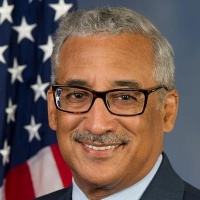
Robert Scott
Representative
VA
Robert Scott
Representative
VA
The **Rebuild America’s Schools Act of 2026** establishes major federal funding streams, including grants and tax-credit bonds, to modernize and repair public school facilities nationwide from 2027 through 2031. The legislation prioritizes districts with the greatest need, focusing on improving student health, safety, and environmental conditions in school buildings. It also mandates increased transparency through public databases tracking facility conditions and requires specific labor and "Buy America" standards for funded construction projects.
This bill establishes mandatory minimum humanitarian standards for health screening, water, sanitation, food, and shelter for all individuals in ICE and CBP custody.
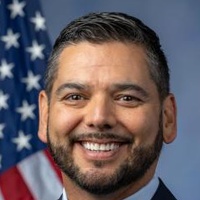
Raul Ruiz
Representative
CA
Raul Ruiz
Representative
CA
The Humanitarian Standards for Individuals in ICE and CBP Custody Act establishes minimum standards for health screening, nutrition, sanitation, and shelter for individuals detained by ICE and CBP. This bill mandates specific protocols for medical care, facility conditions, and personnel training to ensure humane treatment. It also requires regular inspections and public reporting on compliance and sexual abuse complaints.
This bill renames and significantly expands the existing organic cost-share program to provide comprehensive financial, technical, and capacity-building support for farmers transitioning to and maintaining organic operations.
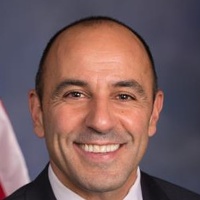
Jimmy Panetta
Representative
CA
Jimmy Panetta
Representative
CA
The Opportunities in Organic Act renames and significantly expands the existing organic certification cost-share program. This new program will provide financial assistance for organic certification costs, while also offering crucial support and technical assistance for farmers transitioning to organic management. The bill directs funding to eligible nonprofits to build capacity, offer direct producer support during transition, and strengthen the organic supply chain. Finally, it mandates increased reporting to Congress on program outcomes and barriers faced by participants.
This bill supports designating 2026 as the International Year of the Woman Farmer to recognize the critical role of women in agriculture.

Chellie Pingree
Representative
ME
Chellie Pingree
Representative
ME
This bill officially designates 2026 as the "International Year of the Woman Farmer" to recognize and honor the vital contributions of women in U.S. agriculture. It encourages citizens to celebrate the impact of these women on the food system and empowers women to pursue leadership roles in the field.
This bill seeks to disapprove and nullify the Department of Veterans Affairs' final rule regarding "Reproductive Health Services."
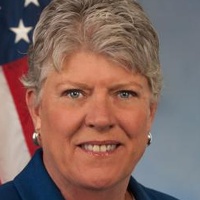
Julia Brownley
Representative
CA
Julia Brownley
Representative
CA
This resolution seeks to disapprove the Department of Veterans Affairs' final rule concerning "Reproductive Health Services" issued in September 2024. If enacted, this disapproval, made under the Congressional Review Act, would prevent the VA rule from taking legal effect.
This Act establishes a grant program administered by the Attorney General to fund library services in prisons to advance reintegration, reduce recidivism, and increase educational opportunities for incarcerated individuals.
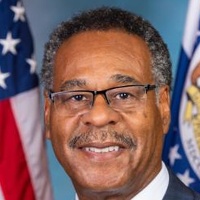
Emanuel Cleaver
Representative
MO
Emanuel Cleaver
Representative
MO
The Prison Libraries Act of 2026 establishes a federal grant program, administered by the Attorney General, to fund essential library services for incarcerated individuals. These grants aim to reduce recidivism and boost reintegration efforts by supporting education, job training, and access to modern library materials. States and territories can apply for these renewable, multi-year grants, which must be used strictly for library-related activities and cannot charge inmates for access to resources.
This act prohibits the use of images of living elected officials or political figures on the National Parks and Federal Recreational Lands Pass.
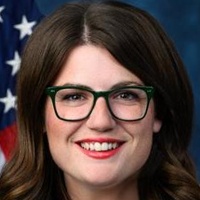
Sarah Elfreth
Representative
MD
Sarah Elfreth
Representative
MD
This bill, the Prohibit Partisan Park Passes Act, amends existing law to restrict the imagery allowed on the National Parks and Federal Recreational Lands Pass. Specifically, it prohibits the use of images of any living current or former elected official or living political figure on the pass.
This Act repeals Section 642 of the 1996 immigration law to restore constitutional balance and state/local control over public institution information policies.
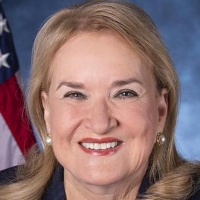
Sylvia Garcia
Representative
TX
Sylvia Garcia
Representative
TX
The Restoring Community Trust Act of 2026 repeals Section 642 of the 1996 Illegal Immigration Reform and Immigrant Responsibility Act. This action aims to restore constitutional balance by limiting federal intrusion into state and local control over their public institutions and internal operations. The bill respects state and local authority while affirming the federal government's exclusive role in civil immigration enforcement.
This bill mandates the removal of U.S. Armed Forces from Venezuela unless explicitly authorized by Congress.
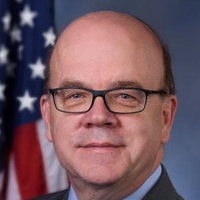
James McGovern
Representative
MA
James McGovern
Representative
MA
This bill mandates the President to withdraw all United States Armed Forces from Venezuela. This action is required unless Congress has formally declared war or passed specific legislation authorizing the use of military force in that country.
The Farm and Family Relief Act delays cost-sharing changes for SNAP benefits, provides targeted economic assistance to producers of various commodities and timber, establishes a specialty crop market development program, creates a Forest Service technology transfer office, and terminates certain timber-related tariffs.
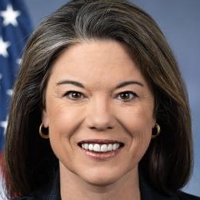
Angie Craig
Representative
MN
Angie Craig
Representative
MN
The Farm and Family Relief Act provides targeted economic assistance to various agricultural sectors, including producers of eligible commodities, sugar beets, and specialty crops, while also delaying scheduled cost-sharing changes for SNAP benefits. Additionally, the bill establishes new programs to support timber businesses through financial assistance and creates an Office of Technology Transfer within the U.S. Forest Service to commercialize research. Finally, it terminates several specific Executive orders imposing tariffs.
This bill eliminates out-of-pocket costs for mental health and substance use disorder services for pregnant and postpartum individuals under most health plans.
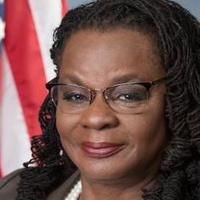
Gwen Moore
Representative
WI
Gwen Moore
Representative
WI
The Mental Health and MAMA Act of 2026 aims to improve access to care for new and expecting mothers. This legislation prohibits certain health plans from charging out-of-pocket costs for in-network mental health and substance use disorder services for pregnant and postpartum individuals. Furthermore, it updates continuity of care protections to explicitly cover postpartum individuals receiving ongoing mental health or substance use disorder treatment. These provisions will also apply to the Federal Employees Health Benefits Program.
The Language Access for All Act of 2026 mandates that federal agencies implement comprehensive language assistance services, including translation and interpretation, to ensure meaningful access for individuals with limited English proficiency.
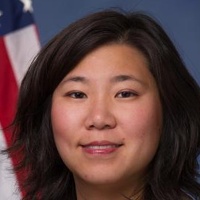
Grace Meng
Representative
NY
Grace Meng
Representative
NY
The Language Access for All Act of 2026 mandates that federal agencies provide meaningful access to programs and services for individuals with limited English proficiency. The bill requires agencies to implement comprehensive language access plans, establish technical standards for translation and interpretation, and appoint dedicated coordinators to ensure compliance. Additionally, it creates a public complaint system and sets strict guidelines for the use of AI in language services to ensure accuracy and accountability.
This act establishes the Domestic Cotton Consumption Credit to incentivize businesses to use U.S.-grown cotton through a verified supply chain with varying credit percentages based on processing location.
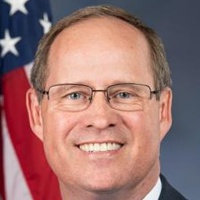
Gregory Murphy
Representative
NC
Gregory Murphy
Representative
NC
The Buying American Cotton Act of 2026 establishes the Domestic Cotton Consumption Credit to incentivize the use of U.S.-grown cotton in products sold domestically. This new business tax credit is calculated based on the volume of U.S. cotton used, the market price, and where the product was processed. The bill mandates digital tracing to verify the supply chain and offers significantly increased credit multipliers for products containing U.S.-made cotton yarn or fabric.
This bill establishes a Department of Justice Task Force to combat anti-Sikh hate and discrimination through definition, education, and reporting.
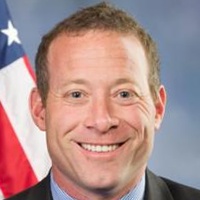
Josh Gottheimer
Representative
NJ
Josh Gottheimer
Representative
NJ
The Sikh American Anti-Discrimination Act of 2026 establishes a Department of Justice Task Force dedicated to combating anti-Sikh hate and discrimination. This Task Force is charged with formally defining anti-Sikh hate, developing educational programs for law enforcement and schools, and collaborating with the Sikh community. The bill mandates annual reporting to Congress on hate crimes, legal actions, and ongoing threats against Sikhs.
This resolution recognizes the vital role of the Older Americans Act nutrition programs in combating senior hunger, malnutrition, and isolation while improving the health and quality of life for millions of older adults.
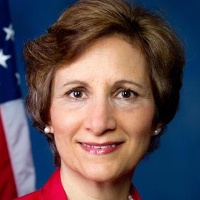
Suzanne Bonamici
Representative
OR
Suzanne Bonamici
Representative
OR
This resolution recognizes the vital role of the Older Americans Act (OAA) nutrition programs in combating hunger, malnutrition, and social isolation among seniors and individuals with disabilities. It highlights how these essential services improve health outcomes and reduce long-term medical costs while calling on Congress to support local providers through sustained funding and active volunteer participation.