Legislative Activity
Track Andy's sponsored bills, co-sponsored legislation, and voting record
This Act mandates that new passenger motor vehicles sold in the U.S. must include standard equipment capable of receiving AM broadcast radio signals.

Gus Bilirakis
Representative
FL
Gus Bilirakis
Representative
FL
The AM Radio for Every Vehicle Act of 2025 mandates that the Secretary of Transportation establish a rule requiring AM broadcast radio receivers to be installed as standard equipment in new passenger motor vehicles. This requirement aims to ensure public access to AM radio signals, which are often used for emergency alerts. The bill also directs a GAO study on the effectiveness of AM radio within the national emergency alert system compared to other technologies. Finally, the Act preempts state and local laws on this matter and includes a sunset provision eight years after enactment.
This Act permanently classifies the entire class of highly potent synthetic opioids known as nitazenes as Schedule I controlled substances to combat overdose deaths.
Eugene Vindman
Representative
VA
Eugene Vindman
Representative
VA
The Nitazene Control Act of 2025 permanently classifies the entire class of highly potent synthetic opioids known as nitazenes (2-Benzylbenzimidazole opioids) as Schedule I controlled substances. This action is taken due to their extreme danger, high potential for abuse, and role in fatal overdoses across the country. By scheduling the entire chemical class at once, the bill aims to proactively stop the emergence of new, dangerous analogs. This permanent scheduling subjects nitazenes to the strictest federal controls, mirroring those applied to fentanyl.
This resolution formally recognizes and celebrates the 180th anniversary of the United States Naval Academy, honoring its history, distinguished alumni, and enduring mission to develop leaders for the Navy and Marine Corps.
Sarah Elfreth
Representative
MD
Sarah Elfreth
Representative
MD
This resolution formally recognizes and celebrates the 180th anniversary of the United States Naval Academy. It honors the institution's history, its mission to instill honor and courage in future leaders, and the significant achievements of its distinguished alumni. Congress reaffirms its commitment to supporting the Academy as it continues to prepare leaders for the Navy and Marine Corps.
This resolution condemns the assassination of Charlie Kirk and honors his life, legacy, and commitment to civil discourse.
Mike Kennedy
Representative
UT
Mike Kennedy
Representative
UT
This resolution condemns the assassination of conservative activist Charlie Kirk and extends condolences to his family. It honors his life and legacy, recognizing his founding of Turning Point USA and his commitment to encouraging civil discourse on college campuses.
This Act streamlines pharmacy compounding during drug shortages, improves FDA reporting requirements for manufacturers to anticipate supply issues, and updates labeling and regulatory language for compounded and outsourced drugs.
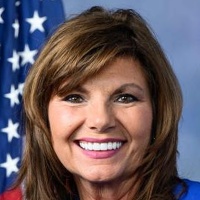
Diana Harshbarger
Representative
TN
Diana Harshbarger
Representative
TN
The Drug Shortage Compounding Patient Access Act of 2025 aims to improve patient access to necessary medications during drug shortages. It allows pharmacists and physicians to compound urgent batches of drugs without an individual prescription if the drug is on the shortage list and commercial alternatives are unavailable. Furthermore, the bill enhances drug shortage mitigation by requiring manufacturers to report sudden surges in demand to the FDA, alongside existing reporting for manufacturing interruptions. Finally, it clarifies compounding regulations and adds specific labeling requirements for patient-specific compounded drugs.
This resolution strongly condemns the assassination of Charlie Kirk and calls for national change inspired by his life and tragic death.
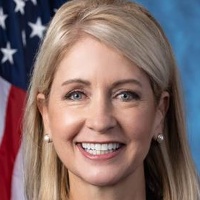
Mary Miller
Representative
IL
Mary Miller
Representative
IL
This resolution strongly condemns the assassination of conservative activist Charlie Kirk on September 10, 2025, during his national speaking tour. It honors his life, his founding of Turning Point USA, and his dedication to conservative principles. Ultimately, the document calls for national unity and reaffirms the commitment to protecting the right to peaceful assembly and free expression.
This bill protects firearm licensees from license revocation for self-reported or correctable violations by requiring notice, a chance to fix mistakes, and granting federal courts the power to review revocations *de novo*.
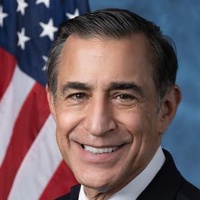
Darrell Issa
Representative
CA
Darrell Issa
Representative
CA
The FIREARM Act aims to protect licensed firearm dealers from overly harsh penalties for minor or self-reported mistakes. It establishes new standards requiring the government to provide notice and an opportunity for dealers to correct violations before license revocation. Furthermore, the bill retroactively applies these protections to licenses previously revoked under a specific 2021 enforcement policy, allowing affected individuals a path to reapply.
This Act mandates that individuals charged with offenses in the District of Columbia must execute a secured appearance bond to be released pending trial.

Andy Biggs
Representative
AZ
Andy Biggs
Representative
AZ
The Keep Offenders Off Our Streets Act mandates that individuals charged with offenses in the District of Columbia must execute a secured appearance bond to be released pending trial. This legislation explicitly prohibits the D.C. government from allowing release on personal recognizance or unsecured bonds. The Act amends D.C. Code provisions to ensure that release is conditioned upon a financial guarantee ensuring court appearance.
This bill extends the emergency period during which the President can exercise control over the Metropolitan Police Department from 30 days to 180 days.
Andy Biggs
Representative
AZ
Andy Biggs
Representative
AZ
This bill amends the District of Columbia Home Rule Act to significantly extend the emergency period during which the President may exercise control over the Metropolitan Police Department. Specifically, it changes the standard emergency declaration period from 30 days to 180 days. This extension applies to both current and future emergency declarations made under the relevant section of the Act.
This Act establishes a federal database to identify and prohibit federal funding for state and local governments deemed to have sanctuary policies that conflict with immigration enforcement.

Chip Roy
Representative
TX
Chip Roy
Representative
TX
The Sanctuary Penalty and Public Protection Act of 2025 establishes a federal database to identify and publicly list state and local governments deemed to have policies that obstruct federal immigration enforcement. Jurisdictions placed on this "sanctuary jurisdiction" list will be prohibited from receiving or using any new federal funding. This act aims to penalize local governments that refuse to fully cooperate with federal immigration detainers and enforcement requests.
This bill requires the District of Columbia to allow Members of Congress with valid concealed carry permits from their home states to carry concealed firearms within the District.
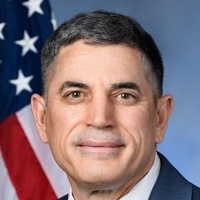
Andrew Clyde
Representative
GA
Andrew Clyde
Representative
GA
This bill would require the District of Columbia to recognize valid concealed carry permits or the legal right to carry a concealed firearm held by Members of Congress from their home states. Specifically, it allows Senators, Representatives, Delegates, and Resident Commissioners to carry a concealed firearm in D.C. provided they meet federal eligibility requirements and carry proper identification.
This resolution expresses the importance of clearly distinguishing between treating life-threatening medical emergencies like ectopic pregnancies and elective abortions to ensure timely and accurate emergency care for pregnant women.
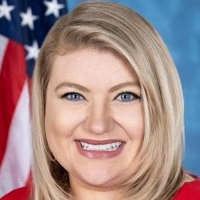
Katherine Cammack
Representative
FL
Katherine Cammack
Representative
FL
This resolution emphasizes the critical need to distinguish between treating life-threatening medical emergencies, such as ectopic pregnancies, and elective abortions. It calls on medical organizations and training institutions to clearly educate professionals on these differences to ensure timely and appropriate emergency care. The goal is to prevent confusion that could delay necessary, life-saving treatment for pregnant women.
This bill seeks to revoke the federal charter of the National Education Association (NEA) and impose strict new operational, financial, and political restrictions on the organization due to its perceived political agenda and actions.
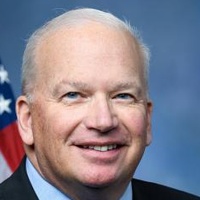
Scott Fitzgerald
Representative
WI
Scott Fitzgerald
Representative
WI
This bill, the STUDENT Act, seeks to fundamentally alter the federal charter and operations of the National Education Association (NEA). It imposes strict new requirements on the organization's political activities, membership dues collection from government employees, and governance structure. Furthermore, the Act prohibits the NEA and its affiliates from engaging in strikes or promoting specific controversial ideological beliefs within schools.
This Act increases penalties for health plans and insurers that violate surprise billing rules, imposes severe financial penalties for late payments after dispute resolution, and mandates more frequent and detailed transparency reporting on enforcement actions.
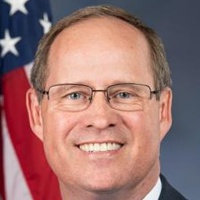
Gregory Murphy
Representative
NC
Gregory Murphy
Representative
NC
The No Surprises Act Enforcement Act significantly increases financial penalties for group health plans and insurance issuers that violate balance billing protections. It establishes steep fines, including up to $\$10,000$ per affected individual for serious non-compliance. Furthermore, the bill imposes severe penalties, including triple the disputed amount plus interest, for failing to make required payments promptly after an Independent Dispute Resolution (IDR) determination. Finally, it mandates more frequent and detailed transparency reporting on enforcement actions and violations.
This Act prohibits covered foreign entities from acquiring or leasing U.S. agricultural land and temporarily bans them from purchasing residential real estate, imposing severe penalties for non-compliance.
Mary Miller
Representative
IL
Mary Miller
Representative
IL
This Act prohibits "covered foreign entities," primarily defined as those connected to the People's Republic of China, from acquiring or leasing U.S. agricultural land. Covered entities currently owning such land must divest within one year or face severe daily fines and potential criminal forfeiture. Additionally, the bill imposes a temporary two-year ban on these same entities purchasing residential real estate, with separate penalties for non-compliance. The legislation mandates the creation of new enforcement offices within the Departments of Agriculture and Commerce to oversee compliance.
This bill ends the liability shield for vaccine manufacturers by allowing individuals to sue directly in court or seek compensation through the existing program, while also removing time limits for program claims and excluding COVID-19 vaccines from countermeasure liability protections.

Paul Gosar
Representative
AZ
Paul Gosar
Representative
AZ
The End the Vaccine Carveout Act fundamentally changes vaccine injury compensation by allowing individuals to choose between filing a claim through the existing National Vaccine Injury Compensation Program or suing the manufacturer or administrator directly in court. This legislation removes the liability shield for vaccine makers and eliminates time limits for filing claims with the Program. Additionally, it specifically excludes COVID-19 vaccines from existing countermeasure liability protections.
This Act preempts state and local governments from imposing handgun design or feature requirements on firearms in interstate commerce that are not already mandated by federal law.
Darrell Issa
Representative
CA
Darrell Issa
Representative
CA
The Modern Firearm Safety Act preempts state and local governments from imposing handgun design or feature requirements beyond existing federal law. This bill prevents jurisdictions from mandating specific features, such as loaded chamber indicators or magazine insertion sensors, on handguns sold or shipped across state lines. The goal is to standardize federal requirements and limit local restrictions on firearm manufacturing and commerce.
The Prompt and Fair Pay Act mandates that Medicare Advantage plans pay providers at least as much as Original Medicare and establishes strict, enforceable deadlines for prompt payment of clean claims.
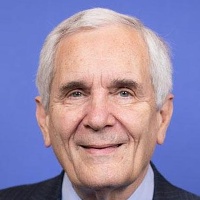
Lloyd Doggett
Representative
TX
Lloyd Doggett
Representative
TX
The Prompt and Fair Pay Act establishes new rules for Medicare Advantage (MA) plans to ensure providers receive fair compensation and timely payments. Starting in 2027, MA plans must pay doctors and suppliers at least as much as Original Medicare for the same services. Additionally, the Act mandates enforceable deadlines for MA plans to pay clean claims—within 14 days for electronic submissions and 30 days for others—and requires detailed notification for any claim that is not considered "clean."
This resolution formally condemns the severe, ongoing persecution of Christians in Muslim-majority countries and urges the President to prioritize their protection in U.S. foreign policy.
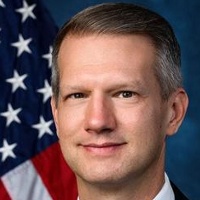
Riley Moore
Representative
WV
Riley Moore
Representative
WV
This resolution formally condemns the severe, ongoing persecution of Christians in Muslim-majority countries worldwide. It documents specific instances of violence, discrimination, and legal restrictions faced by Christian communities across numerous nations. The bill urges the President to prioritize the protection of these religious minorities in all U.S. foreign policy and diplomatic engagement.
This resolution condemns the slogan "Globalize the Intifada" as a call for violence against Israeli and Jewish people globally and urges leaders to denounce it as such.
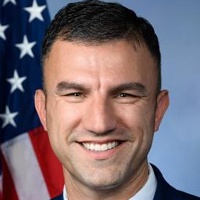
Rudy Yakym
Representative
IN
Rudy Yakym
Representative
IN
This resolution formally condemns the slogan "Globalize the Intifada" as a call for violence against Israeli and Jewish people worldwide. It cites the historical context of past Intifadas and recent antisemitic incidents to support this position. The bill urges all levels of U.S. leadership to publicly denounce the slogan.