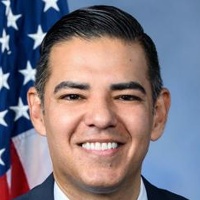
Legislative Activity
Track Robert's sponsored bills, co-sponsored legislation, and voting record
This resolution recognizes the epidemic of violence against transgender people, memorializes those lost this year, and calls for action to ensure their safety and dignity.

Pramila Jayapal
Representative
WA
Pramila Jayapal
Representative
WA
This resolution supports the goals of Transgender Day of Remembrance by recognizing the ongoing epidemic of violence targeting transgender people, particularly transgender women of color. It memorializes the lives lost this year and highlights the systemic barriers, including discrimination and lack of healthcare access, faced by the transgender community. The bill calls for urgent action from the government to protect these lives through inclusive legislation and policies that ensure dignity and respect for all individuals.
This Act prohibits discrimination based on religion, sex, or marital status in federally funded child welfare services to improve outcomes for all children, especially LGBTQ youth.
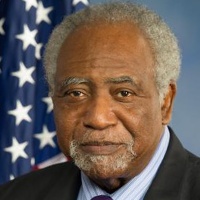
Danny Davis
Representative
IL
Danny Davis
Representative
IL
The John Lewis Every Child Deserves a Family Act prohibits discrimination based on religion, sex, or marital status in federally funded child welfare services. This aims to increase the number of stable, family-like placements for children, especially for LGBTQ youth who are overrepresented in foster care. The bill mandates federal guidance, training, and data collection to improve safety and well-being outcomes for all children involved in the system.
This bill amends federal transportation loan programs (TIFIA and RRIF) to establish flexible creditworthiness standards for projects that incorporate residential or mixed-use development.
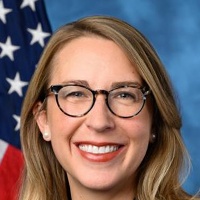
Hillary Scholten
Representative
MI
Hillary Scholten
Representative
MI
The Unlocking Affordable Housing Act modifies federal transportation loan programs, specifically TIFIA and RRIF, to create flexible creditworthiness standards for projects that incorporate residential or mixed-use development. This change aims to encourage the inclusion of housing in transportation infrastructure projects by aligning credit review with standards used by the Department of Housing and Urban Development (HUD). The Secretary of Transportation is required to establish these new, tailored credit rules within 180 days of enactment.
This bill expands Medicare drug price negotiation to private insurance, applies inflation rebates to commercial drugs, and establishes annual out-of-pocket limits for prescription drugs under private health insurance.
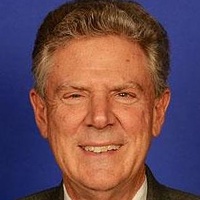
Frank Pallone
Representative
NJ
Frank Pallone
Representative
NJ
The Lowering Drug Costs for American Families Act aims to significantly reduce prescription drug expenses for consumers. It expands the federal drug price negotiation program to cover more drugs and extends negotiated prices to most private health insurance plans. Furthermore, the bill applies inflation rebates to the commercial market and establishes new annual out-of-pocket spending caps for prescription drugs under private insurance starting in 2027. It also sets specific, lower cost-sharing requirements for covered insulin products.
This bill officially renames the United States Postal Service facility at 28201 Franklin Parkway in Santa Clarita, California, as the "Deputy Ryan Clinkunbroomer Post Office Building."
George Whitesides
Representative
CA
George Whitesides
Representative
CA
This bill officially designates the United States Postal Service facility at 28201 Franklin Parkway in Santa Clarita, California, as the "Deputy Ryan Clinkunbroomer Post Office Building." The legislation ensures that all future official references to this location will use the new name.
This bill establishes sanctions against foreign individuals responsible for human rights violations against LGBTQI people and mandates enhanced tracking and reporting of such abuses in annual human rights reports.
Sarah McBride
Representative
DE
Sarah McBride
Representative
DE
The Global Respect Act aims to promote and protect the human rights of LGBTQI individuals worldwide. It mandates the President to identify and report foreign persons responsible for human rights violations against LGBTQI people, leading to their inadmissibility to the United States. Furthermore, the Act requires enhanced tracking and reporting of violence and discrimination targeting individuals based on sexual orientation, gender identity, or sex characteristics in the annual human rights reports.
The EXPERTS Act of 2025 aims to reform federal rulemaking by increasing transparency around submitted studies, establishing new disclosure requirements for conflicts of interest, streamlining agency review timelines, and creating an Office of the Public Advocate focused on social equity.
Pramila Jayapal
Representative
WA
Pramila Jayapal
Representative
WA
The EXPERTS Act of 2025 aims to enhance transparency and accountability in the federal rulemaking process. It introduces new disclosure requirements for studies submitted during public comment periods and mandates greater public awareness of agency actions. Furthermore, the bill establishes the Office of the Public Advocate to improve public involvement and explicitly requires agencies to consider social equity in their cost-benefit analyses. Finally, it streamlines the Office of Information and Regulatory Affairs (OIRA) review timeline and clarifies judicial review standards for agency interpretations.
This Act mandates the public release of all unclassified Department of Justice documents related to Jeffrey Epstein, Ghislaine Maxwell, and their associates within 30 days, with very limited exceptions for victim privacy or active investigations.
Ro Khanna
Representative
CA
Ro Khanna
Representative
CA
The Epstein Files Transparency Act mandates the Attorney General to publicly release all unclassified Department of Justice records related to Jeffrey Epstein and his associates within 30 days of the bill becoming law. This release must include materials concerning investigations, flight logs, settlements, and internal communications, with very limited exceptions for victim privacy or active investigations. The Act strictly prohibits withholding documents due to political sensitivity or reputational harm and requires detailed justification for any redactions made.
This act repeals specific sections of a prior reconciliation act to restore previous laws affecting American families and farmers.
Jahana Hayes
Representative
CT
Jahana Hayes
Representative
CT
The Restoring Food Security for American Families and Farmers Act of 2025 aims to strengthen domestic food security by repealing specific sections of a prior reconciliation act. This action effectively revives the original laws that were previously amended by the repealed provisions. The bill seeks to revert existing agricultural and food-related statutes to their pre-amendment status.
This bill authorizes federal grants for public transit systems to hire unarmed "transit support specialists" to enhance rider safety and deter disruptive behavior.
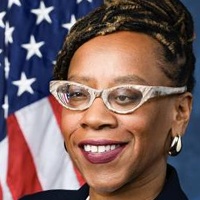
Lateefah Simon
Representative
CA
Lateefah Simon
Representative
CA
The RIDER Safety Act authorizes federal grants for public transit systems to hire unarmed "Transit Support Specialists." These specialists are tasked with increasing rider security through their visible presence, engaging with the public, and handling minor conflicts. Their role is to deter disruptive behavior and connect riders with necessary services, allowing law enforcement to focus on critical incidents.
The VA Work-Study Improvement Act expands eligible work-study activities, clarifies minimum wage standards, mandates electronic timesheets, and requires annual publication of program data.
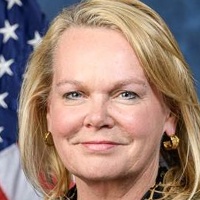
April McClain Delaney
Representative
MD
April McClain Delaney
Representative
MD
The VA Work-Study Improvement Act expands approved work-study locations to include state/local government agencies and nonprofits that benefit veterans. It establishes a clear standard for the minimum hourly wage paid to participants and mandates the use of electronic timesheets. Furthermore, the bill requires the VA to annually publish detailed data regarding the work-study program's activities and participants.
This bill mandates the addition of the 74 crew members of the USS Frank E. Evans, killed in action on June 3, 1969, to the Vietnam Veterans Memorial Wall.
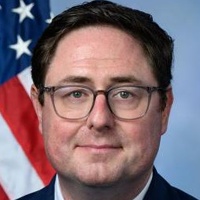
Mike Flood
Representative
NE
Mike Flood
Representative
NE
The USS Frank E. Evans Act mandates the Secretary of Defense to add the names of the 74 crew members lost when the USS Frank E. Evans sank on June 3, 1969, to the Vietnam Veterans Memorial Wall. This action must be completed within one year of the Act becoming law. The Secretary is required to consult with relevant authorities regarding space on the Memorial Wall for these additions.
This Act ensures uninterrupted funding and operation for the SNAP and WIC programs through fiscal year 2026, even if appropriations for the Department of Agriculture are delayed.
Jahana Hayes
Representative
CT
Jahana Hayes
Representative
CT
The Keep SNAP and WIC Funded Act of 2025 ensures that the Supplemental Nutrition Assistance Program (SNAP) and the Special Supplemental Nutrition Program for Women, Infants, and Children (WIC) continue to operate without interruption in fiscal year 2026 if standard appropriations are delayed. If funding lapses, the Secretary of Agriculture is authorized to use funds from the Treasury to provide benefits and reimburse state agencies. This special funding remains in effect until full appropriations are enacted or until September 30, 2026.
This resolution supports the goals of National Domestic Violence Awareness Month, highlights the pervasive and devastating impact of intimate partner violence across all demographics, and calls for increased funding for prevention and support programs.
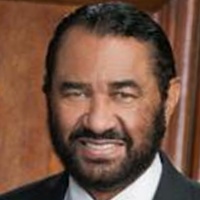
Al Green
Representative
TX
Al Green
Representative
TX
This resolution designates October as National Domestic Violence Awareness Month to highlight the widespread and devastating impact of intimate partner violence across all demographics. It recognizes the urgent need to eliminate domestic violence and supports increased funding for intervention and prevention programs. The resolution underscores the severe physical, emotional, and economic toll this abuse takes on individuals, families, and communities.
This Act expands charitable tax deductions for donations of food storage, transportation, and meal preparation equipment to organizations serving those in need.
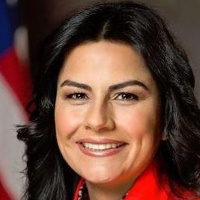
Nanette Barragán
Representative
CA
Nanette Barragán
Representative
CA
The Feed the Community Act amends tax law to encourage charitable donations of essential food service equipment, such as refrigerators, transport vehicles, and preparation tools. This bill expands the definition of eligible donated property beyond just food inventory to include functional food storage, transport, and meal preparation equipment. Donors can elect to limit the reduction in their charitable deduction for these specific donations, subject to certain dollar limits for transport and preparation equipment. These changes are set to take effect for taxable years beginning after December 31, 2025.
This bill extends and modifies various tax credits for energy production, efficiency improvements, and clean vehicle adoption to lower energy costs and support American energy leadership.
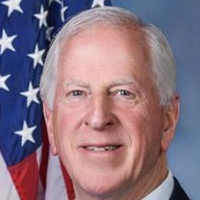
Mike Thompson
Representative
CA
Mike Thompson
Representative
CA
The American Energy Independence and Affordability Act is a comprehensive bill designed to lower energy costs by extending and adjusting key tax incentives across energy production, efficiency, and clean vehicle adoption. It stabilizes support for renewable energy manufacturing, extends deadlines for energy-efficient building credits, and ensures consumer incentives for electric vehicles remain available through 2032. Overall, the legislation aims to provide long-term certainty for energy investments and consumer adoption of cleaner technologies.
This resolution demands the President swiftly provide the House with unredacted communications regarding agency messaging during a potential government shutdown and alleged violations of federal employee political activity rules.
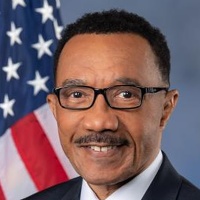
Kweisi Mfume
Representative
MD
Kweisi Mfume
Representative
MD
This resolution is an official request from the House of Representatives demanding the President promptly transmit specific documents related to government communications during a funding lapse. Congress seeks records detailing directives from the OMB and messaging used by agencies like HUD and Education that explicitly blamed political opponents for a potential shutdown. The inquiry also requires information on whether these communications potentially violated federal rules regarding political activity by government employees.
This resolution demands the President promptly transmit all documents related to potential furloughs, pay withholding, and legal justifications concerning federal employees affected by a funding lapse starting October 1, 2025.
Kweisi Mfume
Representative
MD
Kweisi Mfume
Representative
MD
This resolution is an official request demanding the President transmit specific, unredacted documents to the House of Representatives within 14 days. Congress is seeking all communications and records related to potential furloughs, layoffs, or the withholding of pay for federal employees due to a funding lapse beginning October 1, 2025. The request specifically targets documents concerning legal opinions that might undermine the requirement to pay furloughed workers after appropriations resume.
The No Shame at School Act of 2025 mandates that schools must eliminate meal debt stigma by prohibiting overt identification of students who owe fees and ensuring immediate action to certify eligible children for free or reduced-price meals.

Ilhan Omar
Representative
MN
Ilhan Omar
Representative
MN
The No Shame at School Act of 2025 mandates that schools must stop shaming students over unpaid meal debt by prohibiting overt identification or segregation of students who owe fees. This law requires local agencies to actively pursue free meal certification for students with outstanding balances and prevents schools from taking food away after it has been served. Furthermore, it establishes strict rules for debt collection, forbidding communication directed at the child and banning the use of third-party debt collectors.
This Act provides appropriations and mandates contract price adjustments to compensate federal contractor employees for losses incurred due to funding lapses or government shutdowns.
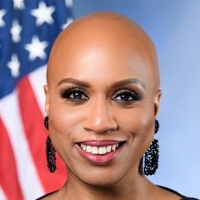
Ayanna Pressley
Representative
MA
Ayanna Pressley
Representative
MA
The Fair Pay for Federal Contractors Act of 2025 ensures that employees of federal contractors are compensated for losses incurred due to government funding lapses or shutdowns. It requires federal agencies to adjust existing contracts to cover reasonable costs associated with furloughs, pay cuts, or mandatory leave taken by contractor employees. The bill appropriates necessary funds to cover these contract price adjustments and mandates public reporting on the compensation provided.