Legislative Activity
Track Robert's sponsored bills, co-sponsored legislation, and voting record
The No Tax Breaks for Union Busting Act denies businesses tax deductions for expenses incurred while influencing employees regarding union organization and activities.
Donald Norcross
Representative
NJ
Donald Norcross
Representative
NJ
The No Tax Breaks for Union Busting (NTBUB) Act aims to disallow businesses from deducting federal income taxes for expenses incurred while attempting to influence employees regarding union organization or activities. This change is intended to stop companies from subsidizing anti-union campaigns through tax write-offs. The bill also establishes new, significant reporting requirements and penalties for businesses and third-party consultants who engage in these influence expenditures.
The IDEA Full Funding Act establishes mandatory, increasing funding levels for the Individuals with Disabilities Education Act (IDEA) from 2026 through 2035, contingent upon offsetting budget cuts.
Jared Huffman
Representative
CA
Jared Huffman
Representative
CA
The IDEA Full Funding Act establishes mandatory, increasing funding levels for the Individuals with Disabilities Education Act (IDEA) programs through fiscal year 2035. This legislation sets specific appropriation targets based on student counts and national average spending to ensure greater financial support for special education services. Furthermore, the bill requires that these new IDEA appropriations adhere to "cut-as-you-go" budget offset rules.
This resolution demands the President transmit unredacted documents within 14 days regarding the potentially dangerous and unaccountable use of AI by the U.S. DOGE Service that jeopardizes American private information and essential services.
Melanie Stansbury
Representative
NM
Melanie Stansbury
Representative
NM
This resolution is an official request demanding the President transmit unredacted documents within 14 days concerning the deployment and use of Artificial Intelligence (AI) by the U.S. DOGE Service since January 20, 2025. Congress seeks detailed information on the AI systems, the sensitive Federal data used to train them, and the individuals involved in their policy and implementation. The inquiry specifically targets concerns regarding privacy violations, potential misuse of data, and the legality of AI-driven decisions affecting American services and benefits.
This Act establishes federal grant programs to improve medical education, expand community health center capacity, and increase rural provider training in gender-affirming care for transgender individuals.
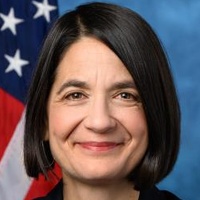
Becca Balint
Representative
VT
Becca Balint
Representative
VT
The Transgender Health Care Access Act aims to improve access to gender-affirming care by addressing critical gaps in medical education and provider capacity. The bill establishes grant programs to develop and implement comprehensive training curricula for medical professionals across various settings, including rural areas. Furthermore, it provides funding to expand the ability of community health centers to deliver culturally competent and necessary care to transgender individuals. Ultimately, this legislation seeks to ensure that healthcare providers are adequately trained and equipped to meet the medical needs of the transgender population.
This resolution formally recognizes and supports the goals and ideals of the International Transgender Day of Visibility to honor the achievements and acknowledge the ongoing struggles of the transgender community.
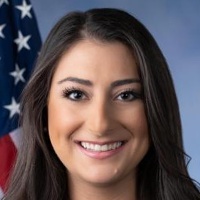
Sara Jacobs
Representative
CA
Sara Jacobs
Representative
CA
This resolution formally recognizes and celebrates the International Transgender Day of Visibility. Congress acknowledges the achievements of transgender individuals while highlighting the ongoing discrimination and violence they face. The resolution encourages appropriate ceremonies and activities to observe the day and celebrate the community's leadership and fight for equality.
This joint resolution seeks to disapprove and block a proposed foreign military sale to Israel involving 1,000-pound bomb bodies and associated JDAM guidance kits.
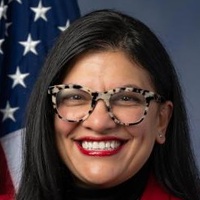
Rashida Tlaib
Representative
MI
Rashida Tlaib
Representative
MI
This joint resolution seeks to disapprove and halt a specific proposed foreign military sale of defense articles and services to Israel. The blocked sale includes various 1,000-pound bomb bodies and associated Joint Direct Attack Munition (JDAM) guidance kits. This action uses congressional authority to stop the transfer outlined in Transmittal No. 2526.
The Abortion Care Awareness Act of 2025 mandates a national public health campaign by HHS to educate the public on accessing abortion care, understanding related rights, and identifying misinformation.

Jasmine Crockett
Representative
TX
Jasmine Crockett
Representative
TX
The Abortion Care Awareness Act of 2025 mandates the creation of a national public health campaign by the Secretary of HHS to educate the public on accessing abortion and related health services legally and safely. This campaign must provide medically accurate information on care options, including telehealth and medication abortion, while also teaching people how to recognize disinformation and protect their health data. The effort must be culturally competent and accessible to underserved communities, explicitly prohibiting the promotion of misinformation or abstinence-only programs.
The Hot Foods Act of 2025 lifts the general ban on purchasing ready-to-eat hot foods with SNAP benefits while imposing a sales cap on retailers that primarily sell such items.

Grace Meng
Representative
NY
Grace Meng
Representative
NY
The Hot Foods Act of 2025 removes the general federal ban on using Supplemental Nutrition Assistance Program (SNAP) benefits to purchase hot, ready-to-eat foods. This legislation clarifies that hot foods are now eligible for purchase with SNAP benefits, while also setting a new rule that limits SNAP-participating retailers to deriving no more than 50% of their gross sales from these ready-to-eat hot items. The act updates existing statutes to reflect this expanded purchasing power for recipients.
This resolution formally recognizes the 10th anniversary of Educators Rising and commends its vital role in addressing the national teacher shortage through student recruitment and preparation programs.
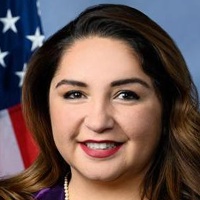
Delia Ramirez
Representative
IL
Delia Ramirez
Representative
IL
This resolution formally recognizes the 10th anniversary of Educators Rising and commends its vital role in addressing the national teacher shortage. It highlights the program's success in inspiring future educators through "Grow Your Own" initiatives and providing essential career preparation. Congress is acknowledging the organization's commitment to building a diverse and well-prepared teaching workforce for the future.
This Act establishes a three-year pilot program to provide guaranteed monthly cash payments and supportive services to a randomized group of up to 105,000 homeless youth aged 18-29 to study the impact on housing stability and economic outcomes.
Rashida Tlaib
Representative
MI
Rashida Tlaib
Representative
MI
The Youth Homelessness Guaranteed Income Pilot Program Act of 2025 establishes a three-year pilot program to provide direct, unconditional cash payments to eligible homeless or formerly homeless individuals aged 18 to 29. This initiative aims to study the impact of guaranteed income on housing stability, economic outcomes, and well-being for this vulnerable population. The program will also mandate comprehensive support services alongside the cash assistance, with an independent external partner evaluating the results for Congress.
This Act restores immediate U.S. funding to UNRWA contingent upon the agency's commitment to increased accountability and transparency reforms following an independent review.
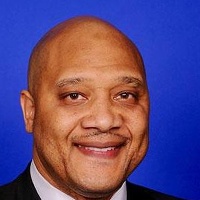
André Carson
Representative
IN
André Carson
Representative
IN
The UNRWA Funding Emergency Restoration Act of 2025 aims to immediately restart U.S. funding for the UN agency assisting Palestinian refugees, which was previously frozen. This bill mandates the cancellation of existing restrictions and requires the Secretary of State to resume aid payments while ensuring accountability based on an independent review. Furthermore, it urges Israel to cooperate with UNRWA investigations to maintain agency neutrality.
This resolution formally recognizes the significant heritage, culture, and economic contributions of Latinas in the United States while acknowledging the ongoing disparities they face.
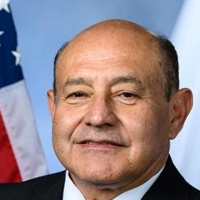
J. Correa
Representative
CA
J. Correa
Representative
CA
This resolution formally recognizes the significant heritage, culture, and vital contributions of Latinas throughout U.S. history across all sectors of American life. It celebrates their achievements while acknowledging the ongoing economic and societal disparities they continue to face. The bill calls for continued investment to help break down barriers and ensure Latinas can fully achieve their potential.
This act requires federal agencies to conduct detailed cost-benefit analyses for significant job relocations, which are then reviewed by the Inspector General and reported to Congress to ensure transparency.
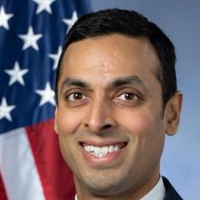
Suhas Subramanyam
Representative
VA
Suhas Subramanyam
Representative
VA
The COST of Relocations Act mandates that Federal agencies conduct a detailed, OMB-guided cost-benefit analysis before executing any "covered relocation" of jobs. Agencies must submit this analysis to their Inspector General (OIG), who then reviews the methodology and findings before reporting directly to Congress. This process ensures transparency and rigorous economic justification for significant federal job moves.
This Act removes existing restrictions and clarifies eligibility requirements for striking workers seeking Supplemental Nutrition Assistance Program (SNAP) benefits.
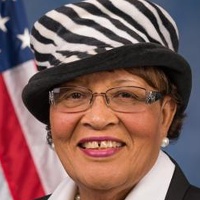
Alma Adams
Representative
NC
Alma Adams
Representative
NC
The Food Secure Strikers Act of 2025 aims to clarify and simplify eligibility rules for striking workers seeking Supplemental Nutrition Assistance Program (SNAP) benefits. This legislation removes outdated restrictions and clarifies the precise conditions under which participation in a labor strike affects a worker's SNAP eligibility. The goal is to streamline the existing law regarding striker access to food assistance.
This Act raises the minimum age for Federal Firearms Licensees to sell certain semiautomatic rifles and shotguns to 21, with exceptions for qualified individuals aged 18-20, and mandates an FBI report on its public access line operations.
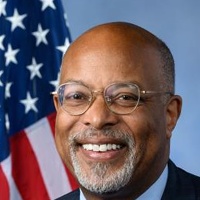
Glenn Ivey
Representative
MD
Glenn Ivey
Representative
MD
The Raise the Age Act of 2025 generally prohibits Federal Firearms Licensees from selling certain semiautomatic centerfire rifles or shotguns capable of holding magazines over five rounds to anyone under 21, with exceptions for qualified military or government personnel. The bill also maintains the existing minimum age of 18 for general firearm purchases, excluding the newly restricted categories. Finally, it mandates that the FBI Director report on the operational procedures of its public access line within 90 days of enactment.
This bill seeks to restore public faith in elections by imposing contribution limits on Super PACs to curb the influence of large donors and reduce the appearance of corruption.
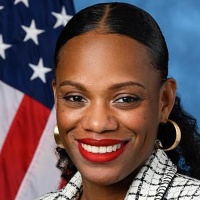
Summer Lee
Representative
PA
Summer Lee
Representative
PA
The Abolish Super PACs Act seeks to curb the influence of large, unlimited political donations by imposing new contribution limits on independent expenditure committees (Super PACs). Congress finds that uncapped spending has led to the appearance of corruption and damaged public trust in elections. This legislation aims to reduce the potential for corrupt deals and restore faith in the fairness of federal campaigns.
The Paycheck Fairness Act strengthens equal pay enforcement by tightening defenses against pay discrimination, expanding protections against retaliation, increasing penalties for violations, and requiring comprehensive data collection and training initiatives.

Rosa DeLauro
Representative
CT
Rosa DeLauro
Representative
CT
The Paycheck Fairness Act significantly strengthens federal equal pay protections by broadening definitions of sex discrimination, tightening employer defenses against pay disparities, and increasing penalties for violations. It also prohibits employers from using salary history in hiring decisions and mandates new data collection by the EEOC to better enforce anti-discrimination laws. Furthermore, the bill establishes new training and outreach programs to combat systemic wage bias.
This bill officially ratifies the Equal Rights Amendment, validating its inclusion in the Constitution regardless of any prior ratification deadlines.
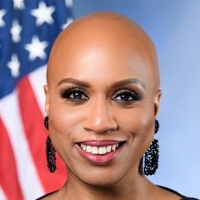
Ayanna Pressley
Representative
MA
Ayanna Pressley
Representative
MA
This bill officially ratifies the Equal Rights Amendment, declaring it a valid part of the U.S. Constitution. It specifically removes any previously imposed deadlines for state ratification. If three-fourths of the states have approved the amendment, this law confirms its official status regardless of past time constraints.
The House of Representatives affirms every person's basic right to emergency health care, including abortion care.
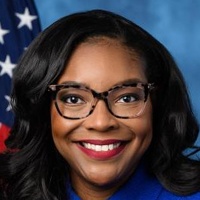
Emilia Sykes
Representative
OH
Emilia Sykes
Representative
OH
This bill affirms the House of Representatives' belief that every person has the right to emergency health care, including abortion care. It argues that abortion restrictions endanger lives, force doctors to make impossible choices, and disproportionately harm people of color, low-income individuals, and LGBTQI individuals. The bill emphasizes that delays in emergency care due to abortion bans can lead to life-threatening situations and that everyone, including pregnant individuals, should have access to necessary medical care without discrimination.
The Puppy Protection Act of 2025 establishes stricter housing, daily care, veterinary, and breeding standards for dog dealers under the Animal Welfare Act.
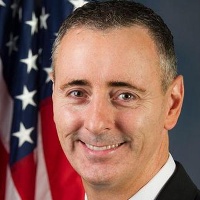
Brian Fitzpatrick
Representative
PA
Brian Fitzpatrick
Representative
PA
The Puppy Protection Act of 2025 significantly increases humane treatment standards for dog dealers under the Animal Welfare Act. This legislation mandates specific minimum space requirements, daily exercise access, and mandatory socialization for housed dogs. Furthermore, it establishes strict limits on female dog breeding frequency and age, alongside enhanced veterinary care protocols.