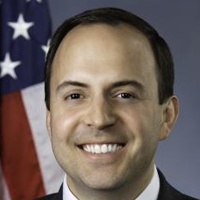
Legislative Activity
Track Lance's sponsored bills, co-sponsored legislation, and voting record
This bill amends federal law to include violations related to rioting within the definition of racketeering activity.
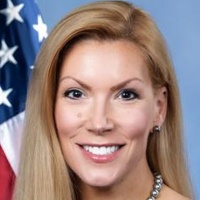
Beth Van Duyne
Representative
TX
Beth Van Duyne
Representative
TX
This bill amends federal law to explicitly include violations related to rioting within the definition of "racketeering activity." By adding this specific crime to the list under Title 18, Section 1961(1), the legislation makes participation in such activities subject to serious federal racketeering charges. This change treats rioting violations similarly to other established offenses like bribery or extortion for the purposes of federal prosecution.
This bill establishes a State judicial threat intelligence and resource center to monitor threats, coordinate security, and report on incidents targeting state and local judges and court staff.
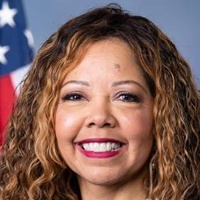
Lucy McBath
Representative
GA
Lucy McBath
Representative
GA
This bill establishes a new State judicial threat intelligence and resource center to enhance the security of state and local judges and court staff. The center will provide training, monitor threats, standardize reporting, and create a national database for incidents against the judiciary. It also requires annual reporting to Congress on the number and severity of threats received.
This Act prohibits the Federal Reserve from directly or indirectly issuing a Central Bank Digital Currency (CBDC) and bars the Fed from developing or using one for monetary policy without explicit Congressional authorization.
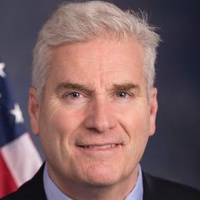
Tom Emmer
Representative
MN
Tom Emmer
Representative
MN
The Anti-CBDC Surveillance State Act strictly prohibits the Federal Reserve from directly or indirectly issuing a Central Bank Digital Currency (CBDC) to individuals. This legislation prevents the Fed from developing, testing, or implementing any digital currency that functions as a direct liability of the Federal Reserve. Furthermore, Congress asserts that any authority to create such a digital asset must explicitly come from Congress itself.
This Act authorizes livestock producers and their employees to take certain black vultures that threaten their livestock, with the exception of using poison, and requires annual reporting of such actions.
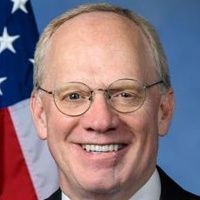
John Rose
Representative
TN
John Rose
Representative
TN
The Black Vulture Relief Act authorizes livestock producers and their employees to take action against black vultures that pose an imminent threat to their livestock. This permission overrides certain existing regulations but strictly prohibits the use of poison. Those who take vultures under this authority must submit an annual report to the U.S. Fish and Wildlife Service once the required reporting form is made available.
This Act mandates that VA medical staff promptly certify the deaths of veterans who died from natural causes within 48 hours to expedite burial and survivor benefits.
Tom Emmer
Representative
MN
Tom Emmer
Representative
MN
The Veteran Burial Timeliness and Death Certificate Accountability Act addresses significant delays in obtaining death certificates for veterans who die from natural causes, often due to VA medical staff delays. This bill mandates that VA medical providers must certify a veteran's death within 48 hours or allow the local medical examiner to step in. Furthermore, the VA must annually report on its compliance with this new timely certification requirement.
This resolution formally condemns the violent attack on the U.S. Border Patrol facility in McAllen, Texas, on July 7, 2025, while expressing support for law enforcement personnel.
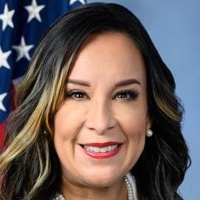
Mónica De La Cruz
Representative
TX
Mónica De La Cruz
Representative
TX
This resolution formally condemns the violent attack on the U.S. Border Patrol facility in McAllen, Texas, on July 7, 2025. It expresses support for the injured agents and reaffirms Congress's strong backing for the dedicated men and women of the Border Patrol. The bill emphasizes that such violence against law enforcement is unacceptable and undermines national security efforts.
This resolution commends Petty Officer 3d Class Scott Ruskan for his heroic rescue of 165 people during the devastating central Texas floods and thanks all first responders involved.
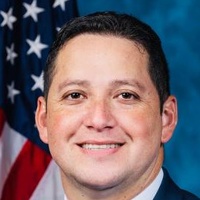
Ernest Gonzales
Representative
TX
Ernest Gonzales
Representative
TX
This resolution officially commends Petty Officer 3d Class Scott Ruskan for his heroic actions during the devastating central Texas floods of July 2025. It specifically recognizes him for personally rescuing 165 individuals and coordinating triage efforts under hazardous conditions. Furthermore, the bill extends deep gratitude to all federal, state, and volunteer responders who risked their lives during this major natural disaster.
This bill mandates quarterly rebates from manufacturers of selected drugs based on the difference between standard Medicare payment rates and the negotiated Maximum Fair Price, while adjusting beneficiary coinsurance accordingly.
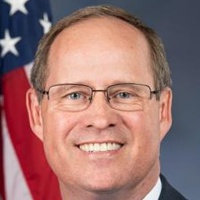
Gregory Murphy
Representative
NC
Gregory Murphy
Representative
NC
This bill, the Protecting Patient Access to Cancer and Complex Therapies Act, establishes a new mandatory rebate system for manufacturers of certain drugs selected for Maximum Fair Price (MFP) negotiation under Medicare. Manufacturers must pay quarterly rebates based on the difference between the standard Medicare payment and the lower negotiated MFP for units sold under Part B. These changes also adjust beneficiary coinsurance calculations to reflect the lower MFP, ensuring patient out-of-pocket costs are based on the negotiated price.
This act modernizes the Fairness to Contact Lens Consumers Act by requiring online sellers to accept electronic prescription transfers, mandating encrypted email for health information, and updating required seller contact information.
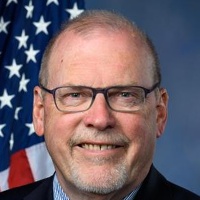
H. Griffith
Representative
VA
H. Griffith
Representative
VA
The Contact Lens Prescription Verification Modernization Act updates existing law to ensure consumers can easily obtain and use their contact lens prescriptions. This bill specifically requires online sellers to provide a HIPAA-compliant method for electronically receiving prescriptions and mandates encryption for any protected health information sent via email. Additionally, it updates seller record-keeping requirements to include customer email addresses.
This bill clarifies the Holocaust Expropriated Art Recovery Act of 2016 by explicitly barring time-based and other procedural defenses to ensure claims for Nazi-looted art are decided on their merits.
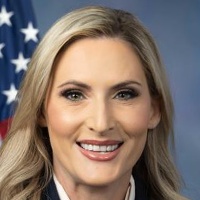
Laurel Lee
Representative
FL
Laurel Lee
Representative
FL
This bill significantly strengthens the Holocaust Expropriated Art Recovery Act of 2016 by explicitly blocking time-based and procedural defenses that have previously prevented claims for Nazi-looted art from being heard on their merits. The changes ensure that courts must now focus on whether the art was actually stolen, regardless of when the claim is brought or the citizenship of the original owner. These improvements apply immediately to both pending and future lawsuits seeking the return of art expropriated during the Nazi era.
This Act amends immigration law to make non-citizens inadmissible or deportable for convictions related to driving while intoxicated or impaired (DWI/DUI).
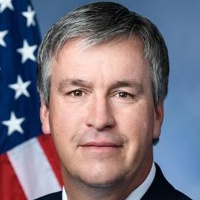
Barry Moore
Representative
AL
Barry Moore
Representative
AL
The Jeremy and Angel Seay and Sergeant Brandon Mendoza Protect Our Communities from DUIs Act of 2025 amends immigration law to address driving while intoxicated or impaired (DWI/DUI) offenses. This legislation establishes that a conviction for, or admission to the underlying acts of, a DWI/DUI offense makes a non-citizen inadmissible to the United States or deportable if already present. This applies regardless of whether the offense is classified as a misdemeanor or felony under local law.
This Act modernizes the au pair program by establishing exclusive federal regulation and mandating updated, flexible national standards for au pair stipends and educational allowances.
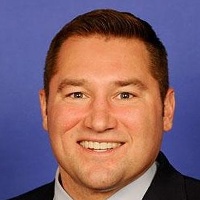
Guy Reschenthaler
Representative
PA
Guy Reschenthaler
Representative
PA
This Act modernizes the existing international au pair program, recognizing its vital role in affordable childcare and cultural diplomacy. It clarifies that federal law exclusively governs the program, preventing conflicting state or local regulations. Furthermore, the bill mandates the State Department to update au pair stipends and educational allowances while ensuring the program remains affordable and flexible for families with non-traditional schedules.
This bill makes technical corrections and clarifications to the Camp Lejeune Justice Act of 2022, including adjusting venue options, setting standards of proof, and capping attorney fees, all retroactively applied to August 10, 2022.
Gregory Murphy
Representative
NC
Gregory Murphy
Representative
NC
The Ensuring Justice for Camp Lejeune Victims Act of 2025 makes technical corrections to the 2022 Camp Lejeune Justice Act to clarify standards for proving harm and venue for trials. This legislation sets specific caps on attorney fees and retroactively applies these changes to all existing and future claims filed under the original 2022 Act. The bill ensures that existing statutes of limitations for filing claims remain unchanged.
This bill mandates a report on the Polisario Front's ties to terrorism and foreign actors, and requires the Secretary of State and Treasury to determine if sanctions should be imposed against the group.
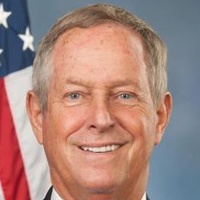
Joe Wilson
Representative
SC
Joe Wilson
Representative
SC
The Polisario Front Terrorist Designation Act mandates a comprehensive report from the Secretary of State detailing the group's foreign ties, especially concerning Iran and designated terrorist organizations. It also requires the Secretaries of State and Treasury to determine within 90 days whether the Polisario Front meets the criteria for designation as a Foreign Terrorist Organization and subsequent sanctions. The President retains the authority to waive these potential penalties if the group engages in good-faith negotiations regarding Morocco's 2007 autonomy plan for Western Sahara.
The Pro Codes Act establishes rules requiring copyright holders of technical standards incorporated by reference into law to make those standards publicly accessible online while preserving their underlying copyright protections.
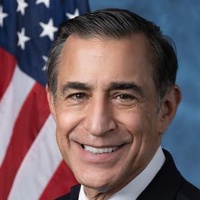
Darrell Issa
Representative
CA
Darrell Issa
Representative
CA
The Pro Codes Act aims to balance public access with the financial sustainability of organizations that create vital technical standards referenced in U.S. law. It establishes new copyright rules requiring Standards Development Organizations (SDOs) to make standards incorporated by reference into federal, state, or local law publicly accessible online for free. This ensures the public can view the codes they must follow while preserving the SDOs' ability to fund future standard development through copyright protection.
This resolution recognizes the life, achievements, and public service of former First Lady Barbara Pierce Bush on the occasion of her 100th birthday.
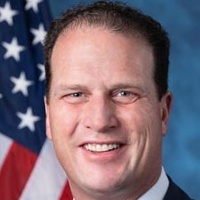
August Pfluger
Representative
TX
August Pfluger
Representative
TX
This resolution formally recognizes and celebrates the life, achievements, and distinguished public service of former First Lady Barbara Pierce Bush on the occasion of her 100th birthday. It highlights her dedication to family, her support of her husband's career, and her crucial advocacy for national literacy initiatives. The House of Representatives commends her enduring legacy as a model citizen and public servant.
The FIGHT Act of 2025 strengthens federal prohibitions against animal fighting, enhances enforcement mechanisms, and allows citizens to sue violators of animal fighting provisions.
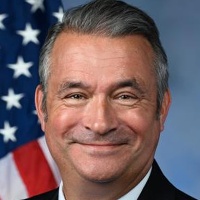
Don Bacon
Representative
NE
Don Bacon
Representative
NE
The FIGHT Act of 2025 significantly strengthens federal prohibitions against animal fighting ventures, specifically targeting the sponsorship, exhibition, and gambling associated with these events. This legislation clarifies the definition of a rooster for legal purposes and bans the interstate transport of roosters for fighting. Furthermore, it empowers private citizens to file lawsuits against violators, allowing for civil penalties and the potential seizure of property used to facilitate illegal animal fighting.
This joint resolution disapproves the EPA's rule allowing California to implement its Advanced Clean Cars II vehicle pollution control standards.
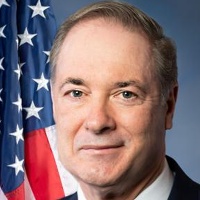
John Joyce
Representative
PA
John Joyce
Representative
PA
This joint resolution expresses Congressional disapproval of the Environmental Protection Agency's (EPA) rule regarding California's "Advanced Clean Cars II" vehicle pollution standards. By rejecting this rule, Congress is effectively canceling the EPA's decision to grant California a waiver allowing it to set stricter emission standards than federal law typically permits. Consequently, the approved California standards will not take effect.
This bill prohibits the Secretary of Defense from contracting for software source code with entities that have specific ties to certain foreign adversaries, such as China.
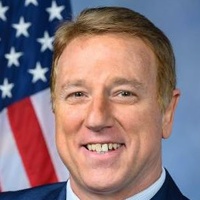
Patrick Fallon
Representative
TX
Patrick Fallon
Representative
TX
This bill prohibits the Secretary of Defense from awarding or renewing software source code contracts with entities that have specific ties to a "covered country," such as operating AI research facilities or allowing source code access to that nation. The restriction aims to safeguard sensitive technology by limiting defense contracts with certain foreign-linked companies. The Secretary may waive this prohibition if deemed necessary for U.S. national security interests.
This resolution expresses the House of Representatives' support for designating June 11, 2025, as "World Franchise Day" to recognize the economic impact and opportunities created by the franchising industry.
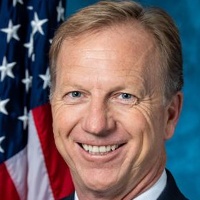
Kevin Hern
Representative
OK
Kevin Hern
Representative
OK
This resolution expresses the House of Representatives' support for designating June 11, 2025, as "World Franchise Day." It recognizes the significant role franchising plays in the U.S. economy by fostering entrepreneurship, creating millions of jobs, and providing pathways to ownership. The bill formally endorses the global recognition of this vital business model.