Legislative Activity
Track Chuy's sponsored bills, co-sponsored legislation, and voting record
This act caps the interest rate at 6% for student loans servicemembers consolidate or refinance during their military service.
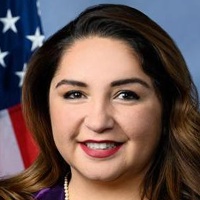
Delia Ramirez
Representative
IL
Delia Ramirez
Representative
IL
The Servicemember Student Loan Affordability Act of 2025 extends existing protections by imposing a 6% interest rate cap on new loans servicemembers take out to consolidate or refinance pre-existing student debt during their military service. This amendment specifically targets the refinancing of prior student loans, ensuring servicemembers do not face excessive interest rates on this debt while serving. The bill clarifies that this cap only applies when the refinancing exclusively covers eligible student loans.
The EXPERTS Act of 2025 aims to reform federal rulemaking by increasing transparency around submitted studies, establishing new disclosure requirements for conflicts of interest, streamlining agency review timelines, and creating an Office of the Public Advocate focused on social equity.
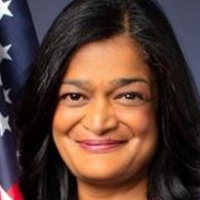
Pramila Jayapal
Representative
WA
Pramila Jayapal
Representative
WA
The EXPERTS Act of 2025 aims to enhance transparency and accountability in the federal rulemaking process. It introduces new disclosure requirements for studies submitted during public comment periods and mandates greater public awareness of agency actions. Furthermore, the bill establishes the Office of the Public Advocate to improve public involvement and explicitly requires agencies to consider social equity in their cost-benefit analyses. Finally, it streamlines the Office of Information and Regulatory Affairs (OIRA) review timeline and clarifies judicial review standards for agency interpretations.
This bill establishes sanctions against foreign individuals responsible for human rights violations against LGBTQI people and mandates enhanced tracking and reporting of such abuses in annual human rights reports.

Sarah McBride
Representative
DE
Sarah McBride
Representative
DE
The Global Respect Act aims to promote and protect the human rights of LGBTQI individuals worldwide. It mandates the President to identify and report foreign persons responsible for human rights violations against LGBTQI people, leading to their inadmissibility to the United States. Furthermore, the Act requires enhanced tracking and reporting of violence and discrimination targeting individuals based on sexual orientation, gender identity, or sex characteristics in the annual human rights reports.
The FAIR Act establishes new requirements for providing immigration detainees with access to privacy release forms, handbooks, communication tools, and clear processes for receiving constituent services from Congress.
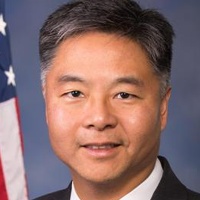
Ted Lieu
Representative
CA
Ted Lieu
Representative
CA
The Fairness and Access for Immigrant Rights (FAIR) Act establishes new requirements for providing constituent services to immigration detainees. This bill mandates that detainees must have timely access to necessary privacy release forms and essential handbooks in their preferred language. Furthermore, it ensures detainees have the tools to communicate with their congressional representatives or third-party assistants, and outlines a clear process for filing complaints if these rights are violated.
This act mandates Medicare coverage for FDA-approved early detection screening tests for Alzheimer's disease and related dementias beginning in 2028.
Vern Buchanan
Representative
FL
Vern Buchanan
Representative
FL
The Alzheimer’s Screening and Prevention Act of 2025 (ASAP Act) amends Medicare to cover early detection screening tests for Alzheimer's disease and related dementias starting in 2028. This coverage applies to FDA-cleared tests, including genomic sequencing and other equivalent diagnostic methods, designed to detect pre-symptomatic or early-stage conditions. The bill ensures these screenings are added to the list of covered medical services under Medicare.
This Act establishes grant programs and student loan repayment to increase the number of mental health service providers working in low-income schools.
Judy Chu
Representative
CA
Judy Chu
Representative
CA
The Increasing Access to Mental Health in Schools Act establishes grant programs to build pipelines that train and place more mental health providers in low-income schools. It also creates a student loan repayment program for providers who commit to working in these underserved districts for five years. The bill aims to improve student support ratios by increasing the number of school counselors, psychologists, and social workers in high-need areas. Finally, it mandates a study to develop future criteria for identifying areas with mental health provider shortages.
This Act prohibits rental property owners from engaging in coordinated activities that effectively fix or influence rental prices, treating such coordination as an illegal restraint of trade under existing antitrust laws.
Becca Balint
Representative
VT
Becca Balint
Representative
VT
The End Rent Fixing Act of 2025 prohibits rental property owners from hiring coordinators or engaging in activities that involve collecting, analyzing, or recommending rental prices or terms across multiple properties. This coordinated activity is deemed an unlawful restraint of trade under existing antitrust laws. The bill grants enforcement power to the FTC, the Attorney General, and State Attorneys General, while also allowing injured persons to sue for treble damages. Furthermore, it lowers the pleading standard for civil lawsuits brought under this Act and related antitrust claims.
This act repeals specific sections of a prior reconciliation act to restore previous laws affecting American families and farmers.
Jahana Hayes
Representative
CT
Jahana Hayes
Representative
CT
The Restoring Food Security for American Families and Farmers Act of 2025 aims to strengthen domestic food security by repealing specific sections of a prior reconciliation act. This action effectively revives the original laws that were previously amended by the repealed provisions. The bill seeks to revert existing agricultural and food-related statutes to their pre-amendment status.
This bill amends the Revised Statutes to redefine the scope of civil actions that can be brought against individuals acting under the authority of the United States.
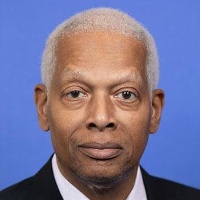
Henry Johnson
Representative
GA
Henry Johnson
Representative
GA
The Bivens Act of 2025 amends existing law to redefine the scope of civil actions that can be brought against individuals acting under federal authority. This legislation specifically revises Section 1979 of the Revised Statutes concerning such lawsuits. The core change narrows the focus of these civil actions to exclusively target persons acting under the authority of the United States.
This bill establishes direct liability for state and local governments, as well as the United States, for constitutional rights violations committed by their law enforcement officers, overriding existing immunity doctrines.
Henry Johnson
Representative
GA
Henry Johnson
Representative
GA
The Constitutional Accountability Act aims to strengthen civil rights enforcement by reforming liability standards for constitutional violations. It expands who can be sued under Section 1983 to include states and local governments, making them directly liable for rights violations committed by their law enforcement officers. This legislation specifically waives sovereign immunity for states and the United States in these actions. Ultimately, the Act seeks to ensure greater accountability and encourage better training and supervision within government entities.
This bill establishes a permanent Special Envoy for the Human Rights of LGBTQI+ Peoples within the Department of State to advance U.S. policy countering global criminalization, violence, and discrimination against LGBTQI+ individuals.
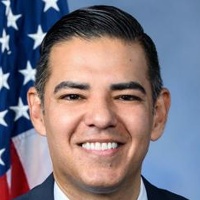
Robert Garcia
Representative
CA
Robert Garcia
Representative
CA
This bill, the International Human Rights Defense Act of 2025, establishes a permanent Special Envoy for the Human Rights of LGBTQI+ Peoples within the Department of State. It codifies U.S. policy to actively combat international criminalization, violence, and discrimination against LGBTQI+ individuals worldwide. The legislation also mandates enhanced reporting on these abuses in annual human rights reports and authorizes assistance to support related protection efforts abroad.
This resolution calls for the U.S. to recognize the genocide of Palestinians in Gaza and immediately halt military aid to Israel while supporting international accountability measures.
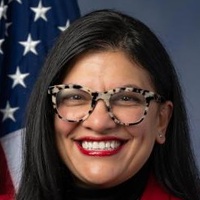
Rashida Tlaib
Representative
MI
Rashida Tlaib
Representative
MI
This resolution expresses the sense of Congress that the United States officially recognizes the State of Israel has committed genocide against the Palestinian people in Gaza. It details extensive evidence supporting this finding, including mass casualties, systematic destruction of infrastructure, and severe humanitarian crisis. Consequently, the bill calls for the immediate halt of all U.S. military and financial assistance to Israel until compliance with international court orders is verified. Furthermore, it demands the U.S. use its leverage to support international investigations and ensure robust funding for humanitarian aid through UNRWA.
This bill mandates the restoration of free telephone services and communication access for individuals in immigration detention, ensuring contact with family and legal counsel.

Maxine Dexter
Representative
OR
Maxine Dexter
Representative
OR
The Restoring Access for Detainees Act aims to reinstate and expand free communication services for individuals in civil immigration detention. It mandates the provision of free phone calls, including 200 free outgoing minutes monthly, specifically for contacting family and legal counsel. Furthermore, the bill ensures private, unmonitored communication opportunities with attorneys and certain government officials upon arrival in custody.
This Act establishes strict standards, training, and reporting requirements for federal immigration enforcement personnel regarding the use of force, identification, and equipment.
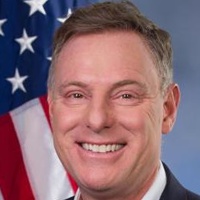
Scott Peters
Representative
CA
Scott Peters
Representative
CA
The Stop Excessive Force in Immigration Act of 2025 establishes strict new standards for the use of non-deadly force by federal immigration personnel, requiring proportionality and de-escalation efforts. The bill mandates identification requirements, restricts the use of certain crowd-control equipment, and imposes new body camera and detailed reporting mandates. Furthermore, it creates affirmative duties for officers to intervene against excessive force and requires annual training on these new policies.
This act mandates that all states allow eligible individuals to register and vote on the same day during federal elections, beginning in November 2026.
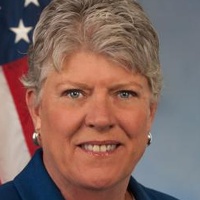
Julia Brownley
Representative
CA
Julia Brownley
Representative
CA
The Same Day Registration Act of 2025 mandates that all states allow eligible individuals to register to vote and cast a ballot on the same day during any federal election, including early voting periods. This requirement applies starting with the November 2026 general election. States without any voter registration requirement for federal elections are exempt from this mandate.
This resolution supports the goals of National Domestic Violence Awareness Month, highlights the pervasive and devastating impact of intimate partner violence across all demographics, and calls for increased funding for prevention and support programs.
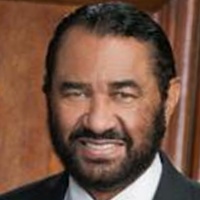
Al Green
Representative
TX
Al Green
Representative
TX
This resolution designates October as National Domestic Violence Awareness Month to highlight the widespread and devastating impact of intimate partner violence across all demographics. It recognizes the urgent need to eliminate domestic violence and supports increased funding for intervention and prevention programs. The resolution underscores the severe physical, emotional, and economic toll this abuse takes on individuals, families, and communities.
This act ensures that state and local funds used to keep Head Start and Early Head Start programs running during a federal government shutdown are fully reimbursed.

Maxine Waters
Representative
CA
Maxine Waters
Representative
CA
The Head Start Shutdown Protection Act of 2025 ensures that states, local governments, or school districts are reimbursed for any of their own funds used to keep Head Start and Early Head Start programs operational during a lapse in federal appropriations. This legislation protects these vital early childhood education services from disruption caused by government shutdowns. By guaranteeing reimbursement, the Act encourages local entities to maintain program continuity without bearing the financial burden.
This act permanently establishes the structure and staffing of the Office of Head Start to ensure continued comprehensive support for eligible children and families.
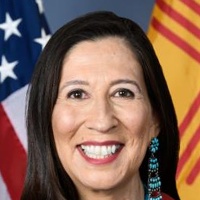
Teresa Leger Fernandez
Representative
NM
Teresa Leger Fernandez
Representative
NM
The Every Child Deserves a Head Start Act of 2025 aims to solidify the foundational support for the Head Start program, recognizing its vital role in early childhood development. This bill permanently establishes the structure and staffing levels of the Office of Head Start, including its 12 regional offices, as they existed before January 20, 2025. The legislation strictly limits the Secretary of Health and Human Services from altering this established structure or reducing staff without specific Congressional notification procedures. Ultimately, the Act ensures the consistent delivery of essential educational and support services to eligible children and families nationwide.
This resolution formally recognizes the vital role of Spanish-language media in informing, connecting, and strengthening diverse communities across the United States.
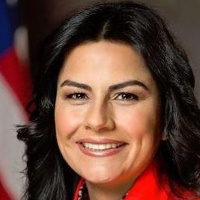
Nanette Barragán
Representative
CA
Nanette Barragán
Representative
CA
This resolution formally recognizes the vital role Spanish-language media plays in informing, educating, and connecting over 41 million Spanish speakers across the United States. It highlights how these outlets strengthen democracy by ensuring broad access to essential information and celebrate the rich cultural contributions of the Latino community. Ultimately, the bill encourages continued support for these crucial media sources nationwide.
This resolution honors the memory of Wadee Alfayoumi, a young Palestinian-American murder victim of a hate crime, and condemns all acts of discrimination and violence based on ethnicity or religion in Illinois.
Delia Ramirez
Representative
IL
Delia Ramirez
Representative
IL
This resolution honors the memory of Wadee Alfayoumi, a 6-year-old Palestinian-American boy murdered in a hate crime in Illinois. It strongly condemns all hate crimes and discrimination based on ethnicity or religion. The measure also recognizes the significant contributions of the Palestinian community to the United States. Finally, it calls for an end to hateful rhetoric and violence against all children globally.