
Legislative Activity
Track John's sponsored bills, co-sponsored legislation, and voting record
This Act allows employees to fully deduct union dues above the line and restores the itemized deduction for certain other job-related business expenses.
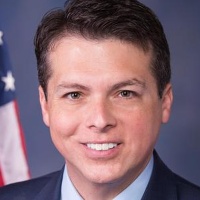
Brendan Boyle
Representative
PA
Brendan Boyle
Representative
PA
The Tax Fairness for Workers Act restores key federal tax deductions for employees, effective after 2024. This legislation makes union dues fully deductible "above the line," meaning they reduce Adjusted Gross Income without itemizing. Additionally, it allows itemizers to deduct certain other job-related business expenses that were previously limited.
This bill eliminates reduced-price school meals while expanding eligibility for free meals by raising the income threshold and allowing direct certification for children receiving Medicaid.
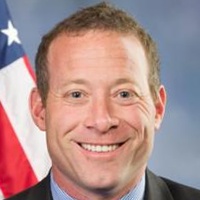
Josh Gottheimer
Representative
NJ
Josh Gottheimer
Representative
NJ
The Expanding Access to School Meals Act of 2025 aims to simplify school meal programs by eliminating the "reduced-price" meal category for both breakfast and lunch. It significantly expands eligibility for free school meals by raising the federal poverty level threshold to 224% and allowing automatic certification for children receiving Medicaid benefits. Additionally, the bill enhances financial support for schools by allowing retroactive reimbursement claims and increasing the multiplier for the Community Eligibility Program.
The American Innovation Act authorizes significant, inflation-adjusted funding increases through 2036 for key federal science and innovation agencies, exempting these appropriations from sequestration.
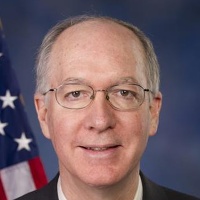
Bill Foster
Representative
IL
Bill Foster
Representative
IL
The American Innovation Act establishes significant, multi-year funding authorizations through fiscal year 2036 for key federal science and innovation agencies, including the NSF, DOE Office of Science, DoD, NIST, and NASA. These appropriations are protected from future budget sequestration and are set to automatically adjust for inflation starting in fiscal year 2036. The bill ensures these dedicated innovation funds remain available until expended.
This act establishes a new, increased tax credit and direct payment system for the production and use of renewable natural gas through 2035.
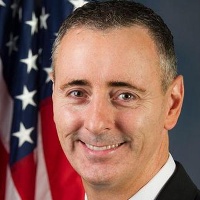
Brian Fitzpatrick
Representative
PA
Brian Fitzpatrick
Representative
PA
The Renewable Natural Gas Incentive Act of 2025 establishes a new, fixed tax credit of \$1.00 per gallon equivalent for the sale or use of qualifying renewable natural gas (RNG) as transportation fuel. This legislation updates the Internal Revenue Code to define RNG, set rules for blended fuels, and ensure producers register for the program. The direct payment option for businesses claiming this credit is set to expire after December 31, 2035.
The IDEA Full Funding Act establishes mandatory, increasing funding levels for the Individuals with Disabilities Education Act (IDEA) from 2026 through 2035, contingent upon offsetting budget cuts.
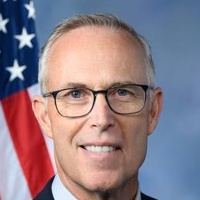
Jared Huffman
Representative
CA
Jared Huffman
Representative
CA
The IDEA Full Funding Act establishes mandatory, increasing funding levels for the Individuals with Disabilities Education Act (IDEA) programs through fiscal year 2035. This legislation sets specific appropriation targets based on student counts and national average spending to ensure greater financial support for special education services. Furthermore, the bill requires that these new IDEA appropriations adhere to "cut-as-you-go" budget offset rules.
This Act prohibits the State Department from implementing any reorganization without specific statutory authorization from Congress and the submission of a detailed plan outlining the impact of the changes.
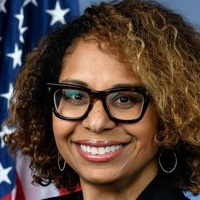
Sydney Kamlager-Dove
Representative
CA
Sydney Kamlager-Dove
Representative
CA
The Defending American Diplomacy Act prohibits the Secretary of State from implementing any reorganization of the State Department without specific statutory authorization from Congress and the submission of a detailed plan. This plan must thoroughly analyze the impact on foreign policy goals, operations, and personnel. If the Secretary proceeds without authorization, specific funding restrictions against the Department of Government Efficiency and official travel for high-level appointees will take effect.
This Act mandates the Department of Labor to establish and enforce comprehensive workplace violence prevention standards for healthcare and social service workers, while also tying compliance to Medicare funding for certain facilities.
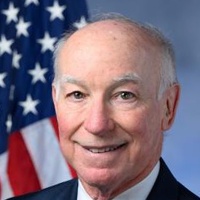
Joe Courtney
Representative
CT
Joe Courtney
Representative
CT
This Act mandates the Secretary of Labor to establish an interim and then a final standard requiring comprehensive workplace violence prevention plans for employers in the healthcare and social service sectors. These plans must be developed with employee input and detail risk assessments, hazard controls, reporting procedures, and annual training. Furthermore, the bill amends the Social Security Act to require Medicare-funded hospitals and skilled nursing facilities not covered by OSHA to comply with these new federal workplace violence prevention standards. The legislation also establishes clear definitions for workplace violence and includes strong anti-retaliation protections for employees who exercise their rights under the Act.
This Act imposes sweeping, mandatory sanctions, tariffs, and investment prohibitions on the Russian Federation and its affiliates until Russia negotiates a lasting peace with Ukraine.
Brian Fitzpatrick
Representative
PA
Brian Fitzpatrick
Representative
PA
The Sanctioning Russia Act of 2025 imposes sweeping economic penalties on the Russian Federation in response to its aggression against Ukraine. This legislation mandates severe, immediate sanctions against key Russian officials, financial institutions, and energy sector entities, including asset freezes and trade prohibitions. Furthermore, the Act dramatically increases import duties on Russian goods and requires the President to review and reimpose these measures until Russia negotiates a lasting peace with Ukraine.
The Hot Foods Act of 2025 lifts the general ban on purchasing ready-to-eat hot foods with SNAP benefits while imposing a sales cap on retailers that primarily sell such items.

Grace Meng
Representative
NY
Grace Meng
Representative
NY
The Hot Foods Act of 2025 removes the general federal ban on using Supplemental Nutrition Assistance Program (SNAP) benefits to purchase hot, ready-to-eat foods. This legislation clarifies that hot foods are now eligible for purchase with SNAP benefits, while also setting a new rule that limits SNAP-participating retailers to deriving no more than 50% of their gross sales from these ready-to-eat hot items. The act updates existing statutes to reflect this expanded purchasing power for recipients.
This Act holds sellers of certain large, older commercial vessels liable for the costs associated with their sinking if they are later sold for recreational use, unless the buyer has insurance.
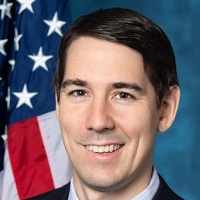
Josh Harder
Representative
CA
Josh Harder
Representative
CA
The Abandoned Vessel Prevention Act establishes liability for sellers of certain decommissioned commercial vessels that sink after being transferred for recreational use. Generally, the seller is responsible for cleanup and related expenses if the vessel sinks in U.S. waters. This liability does not apply if the vessel is small/new or if the buyer secures insurance covering the initial 12 months post-sale.
This resolution formally recognizes the significant heritage, culture, and economic contributions of Latinas in the United States while acknowledging the ongoing disparities they face.
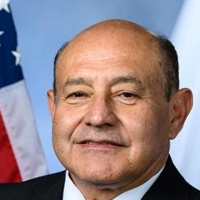
J. Correa
Representative
CA
J. Correa
Representative
CA
This resolution formally recognizes the significant heritage, culture, and vital contributions of Latinas throughout U.S. history across all sectors of American life. It celebrates their achievements while acknowledging the ongoing economic and societal disparities they continue to face. The bill calls for continued investment to help break down barriers and ensure Latinas can fully achieve their potential.
This Act restores immediate U.S. funding to UNRWA contingent upon the agency's commitment to increased accountability and transparency reforms following an independent review.
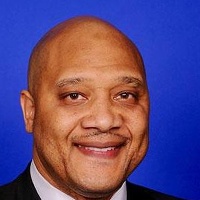
André Carson
Representative
IN
André Carson
Representative
IN
The UNRWA Funding Emergency Restoration Act of 2025 aims to immediately restart U.S. funding for the UN agency assisting Palestinian refugees, which was previously frozen. This bill mandates the cancellation of existing restrictions and requires the Secretary of State to resume aid payments while ensuring accountability based on an independent review. Furthermore, it urges Israel to cooperate with UNRWA investigations to maintain agency neutrality.
This Act raises the minimum age for Federal Firearms Licensees to sell certain semiautomatic rifles and shotguns to 21, with exceptions for qualified individuals aged 18-20, and mandates an FBI report on its public access line operations.
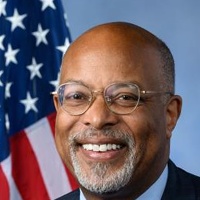
Glenn Ivey
Representative
MD
Glenn Ivey
Representative
MD
The Raise the Age Act of 2025 generally prohibits Federal Firearms Licensees from selling certain semiautomatic centerfire rifles or shotguns capable of holding magazines over five rounds to anyone under 21, with exceptions for qualified military or government personnel. The bill also maintains the existing minimum age of 18 for general firearm purchases, excluding the newly restricted categories. Finally, it mandates that the FBI Director report on the operational procedures of its public access line within 90 days of enactment.
This resolution formally recognizes the 250th anniversary of the United States Marine Corps, honoring its legacy, service, and core values.
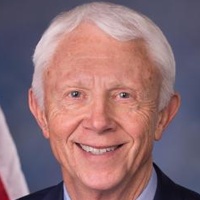
Jack Bergman
Representative
MI
Jack Bergman
Representative
MI
This resolution formally recognizes the upcoming 250th anniversary of the United States Marine Corps in 2025. Congress is honoring the Corps' long history, core values of honor, courage, and commitment, and its consistent readiness to defend the nation. The bill encourages the public to join in celebrating this significant milestone and acknowledging the service and sacrifice of all Marines.
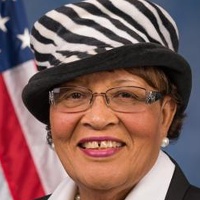
This Act removes existing restrictions and clarifies eligibility requirements for striking workers seeking Supplemental Nutrition Assistance Program (SNAP) benefits.
Alma Adams
Representative
NC
Alma Adams
Representative
NC
The Food Secure Strikers Act of 2025 aims to clarify and simplify eligibility rules for striking workers seeking Supplemental Nutrition Assistance Program (SNAP) benefits. This legislation removes outdated restrictions and clarifies the precise conditions under which participation in a labor strike affects a worker's SNAP eligibility. The goal is to streamline the existing law regarding striker access to food assistance.
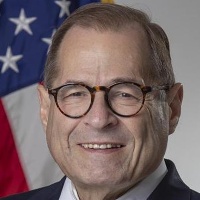
This Act establishes the permanent Office of Children's Health Protection within the EPA and a permanent advisory committee to focus federal efforts on mitigating environmental and safety hazards disproportionately affecting children.
Jerrold Nadler
Representative
NY
Jerrold Nadler
Representative
NY
The Children’s Health Protection Act of 2025 establishes a dedicated Office of Children's Health Protection within the EPA to specifically address environmental and safety hazards disproportionately affecting children. This Act also mandates the continuation of a permanent Children's Health Protection Advisory Committee to advise the EPA Administrator on related programs and rules. The goal is to ensure federal actions actively protect infants, children, and adolescents from environmental dangers.
This bill expands Medicare coverage under Part B to pay qualified home infusion suppliers for augmentation therapy kits and nursing services for Medicare beneficiaries with Alpha-1 Antitrypsin Deficiency Disorder who require emphysema treatment in their homes.

Maria Salazar
Representative
FL
Maria Salazar
Representative
FL
The John W. Walsh Alpha-1 Home Infusion Act of 2025 amends Medicare to specifically cover augmentation therapy for individuals with severe Alpha-1 Antitrypsin Deficiency Disorder when administered in the home. This legislation establishes new payment rules under Medicare Part B for the necessary intravenous kits and associated nursing services. The goal is to ensure qualified home infusion suppliers are reimbursed directly for providing this essential, ongoing maintenance treatment.
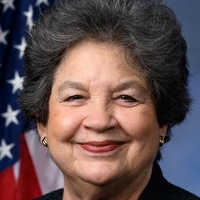
This resolution formally recognizes the persistent gender wage gap and reaffirms Congress's commitment to achieving pay equity.
Lois Frankel
Representative
FL
Lois Frankel
Representative
FL
This resolution formally recognizes the significant and persistent wage gap between men and women in the United States, highlighting statistics that show women earn substantially less. It serves as a strong public statement reaffirming Congress's commitment to achieving pay equity. The measure does not enact new laws but emphasizes the economic harm caused by unequal pay for women and their families.
The Paycheck Fairness Act strengthens equal pay enforcement by tightening defenses against pay discrimination, expanding protections against retaliation, increasing penalties for violations, and requiring comprehensive data collection and training initiatives.

Rosa DeLauro
Representative
CT
Rosa DeLauro
Representative
CT
The Paycheck Fairness Act significantly strengthens federal equal pay protections by broadening definitions of sex discrimination, tightening employer defenses against pay disparities, and increasing penalties for violations. It also prohibits employers from using salary history in hiring decisions and mandates new data collection by the EEOC to better enforce anti-discrimination laws. Furthermore, the bill establishes new training and outreach programs to combat systemic wage bias.
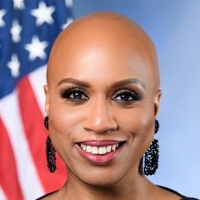
This bill officially ratifies the Equal Rights Amendment, validating its inclusion in the Constitution regardless of any prior ratification deadlines.
Ayanna Pressley
Representative
MA
Ayanna Pressley
Representative
MA
This bill officially ratifies the Equal Rights Amendment, declaring it a valid part of the U.S. Constitution. It specifically removes any previously imposed deadlines for state ratification. If three-fourths of the states have approved the amendment, this law confirms its official status regardless of past time constraints.