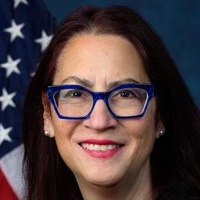
Legislative Activity
Track Laura's sponsored bills, co-sponsored legislation, and voting record
This resolution recognizes the 50th anniversary of the Fall of Saigon, honoring the history, service, and contributions of Vietnamese Americans while reaffirming U.S. commitment to democracy and human rights.
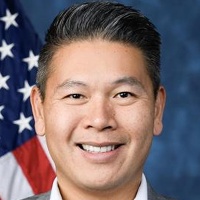
Derek Tran
Representative
CA
Derek Tran
Representative
CA
This resolution commemorates the 50th anniversary of the Fall of Saigon and recognizes the profound contributions of Vietnamese Americans to the United States. It honors those who fled the communist regime after April 30, 1975, and reaffirms American commitment to democracy and human rights. The bill encourages all citizens to observe this anniversary and remember the sacrifices made in the pursuit of freedom.
This Act establishes a pathway for eligible Ukrainian nationals paroled into the U.S. since February 20, 2014, to apply for lawful permanent resident status without paying application fees.
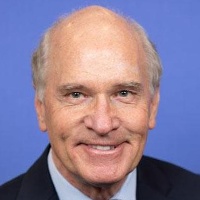
William Keating
Representative
MA
William Keating
Representative
MA
The Ukrainian Adjustment Act of 2025 establishes a pathway for eligible Ukrainian nationals, paroled into the U.S. after February 20, 2014, to apply for lawful permanent resident status (a Green Card). This process requires rigorous security vetting and allows the Secretary of Homeland Security broad waiver authority for most inadmissibility grounds, excluding certain post-2014 criminal activity. Approved applicants will have their status adjusted retroactively to their date of parole, and the application process will be fee-free.
The Better CARE for Animals Act of 2025 strengthens the enforcement of the Animal Welfare Act by expanding investigative authority, establishing new civil penalties up to \$10,000 per day, and explicitly granting the Attorney General power to file civil actions, including seeking seizure and forfeiture of animals.
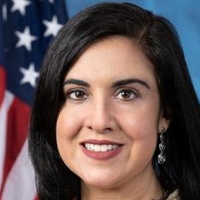
Nicole Malliotakis
Representative
NY
Nicole Malliotakis
Representative
NY
The Better CARE for Animals Act of 2025 significantly strengthens enforcement of the Animal Welfare Act by clarifying definitions and expanding the scope of investigations. It grants the Attorney General explicit authority to file civil actions seeking penalties up to $10,000 per day, and mandates that collected fines help cover temporary animal care costs. The bill also requires the Secretary of Agriculture and the Attorney General to establish a formal agreement for coordinated enforcement.
This bill bans the manufacture, sale, and transfer of specific semiautomatic assault weapons and large-capacity ammunition feeding devices while grandfathering existing possessions and establishing new transfer requirements.
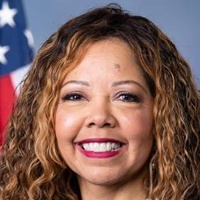
Lucy McBath
Representative
GA
Lucy McBath
Representative
GA
The Assault Weapons Ban of 2025 comprehensively defines and bans the manufacture, sale, and transfer of specific semiautomatic assault weapons and large capacity ammunition feeding devices. The bill grandfathers existing weapons but imposes new requirements for their secure storage and mandates dealer involvement for future private transfers. It also allows federal grant money to be used by states for buy-back programs targeting these banned items.
This bill establishes a universal, comprehensive national health insurance program called "Medicare for All" that eliminates patient cost-sharing and transitions the nation away from private insurance duplication.

Pramila Jayapal
Representative
WA
Pramila Jayapal
Representative
WA
The Medicare for All Act establishes a universal, nationwide health insurance program providing comprehensive coverage for all U.S. residents with no out-of-pocket costs. It fundamentally restructures healthcare financing by implementing global budgets for institutions and a new fee schedule for individuals, while phasing out existing federal programs like Medicare and Medicaid. The legislation also sets strict quality standards for providers and creates a dedicated Trust Fund to manage the system's finances.
The Equality Act comprehensively prohibits discrimination based on sex, sexual orientation, and gender identity across key areas including public accommodations, employment, housing, credit, and jury service.
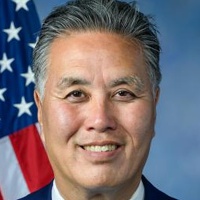
Mark Takano
Representative
CA
Mark Takano
Representative
CA
The Equality Act comprehensively expands federal civil rights protections against discrimination based on sex, sexual orientation, and gender identity across key areas of American life. It amends existing laws to prohibit discrimination in public accommodations, housing, credit, employment, and federal funding. The purpose of the bill is to provide consistent, explicit, and comprehensive remedies for individuals facing bias in these essential sectors.
The RESEARCHER Act establishes new federal guidelines to address the financial instability of graduate and postdoctoral researchers by improving stipends, benefits, and support services, while mandating new data collection and studies on the issue.
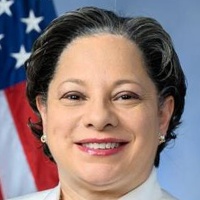
Jennifer McClellan
Representative
VA
Jennifer McClellan
Representative
VA
The RESEARCHER Act establishes new federal guidelines to address the financial instability faced by graduate and postdoctoral researchers supported by federal funding. It mandates agencies to improve stipends, healthcare access, and support for housing and family care for these essential researchers. Furthermore, the bill requires comprehensive data collection and studies by the National Academies and GAO to assess and report on the effectiveness of these new financial support measures.
This bill repeals the Arctic National Wildlife Refuge oil and gas program and designates over 1.5 million acres of the refuge as protected wilderness.
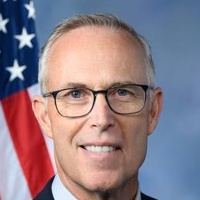
Jared Huffman
Representative
CA
Jared Huffman
Representative
CA
The Arctic Refuge Protection Act officially repeals the previous law authorizing oil and gas leasing in the Arctic National Wildlife Refuge. This legislation simultaneously designates approximately 1.56 million acres within the Refuge as protected wilderness under the National Wilderness Preservation System. The Secretary of the Interior is now required to manage this newly designated land according to strict wilderness preservation standards.
This Act mandates the CPSC to quickly establish federal safety standards for lithium-ion batteries used in small electric vehicles and personal mobility devices based on existing industry guidelines.

Ritchie Torres
Representative
NY
Ritchie Torres
Representative
NY
The Setting Consumer Standards for Lithium-Ion Batteries Act mandates the Consumer Product Safety Commission (CPSC) to rapidly adopt key industry standards as federal safety rules for lithium-ion batteries in small electric vehicles and personal mobility devices. This legislation ensures these standards automatically update to the newest industry revisions unless the CPSC finds a revision compromises safety. Furthermore, the CPSC must report to Congress five years after enactment regarding battery hazards and compliance.
This Act establishes comprehensive assistance programs through USAID for Vietnamese individuals affected by Agent Orange exposure and mandates HHS to conduct health assessments and establish support centers for Vietnamese Americans.
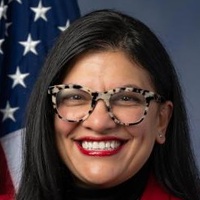
Rashida Tlaib
Representative
MI
Rashida Tlaib
Representative
MI
The Victims of Agent Orange Act of 2025 aims to address the ongoing health and environmental damage caused by the use of herbicides, including Agent Orange, during the Vietnam War. This legislation establishes comprehensive assistance programs through USAID for affected individuals and environmental cleanup in Vietnam. Furthermore, it mandates health assessments and the creation of dedicated health centers by HHS to support Vietnamese Americans impacted by the toxic exposure.
This Act authorizes the President to impose sanctions, including asset freezes and visa bans, on foreign individuals involved in violence, property destruction, or displacement in the West Bank.
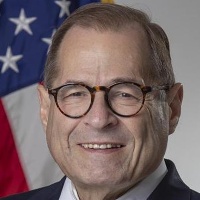
Jerrold Nadler
Representative
NY
Jerrold Nadler
Representative
NY
The West Bank Violence Prevention Act of 2025 declares extreme settler violence and displacement in the West Bank a threat to U.S. national security interests. This Act mandates the President to impose sanctions, including asset freezes and visa bans, on foreign individuals responsible for undermining peace and stability in the region. The Treasury Department must report to Congress on the implementation of these sanctions every 90 days.
This resolution expresses support for honoring Earth Day, recognizes past environmental achievements, warns against undermining current climate laws, and urges the President to issue a proclamation encouraging environmental action.

Doris Matsui
Representative
CA
Doris Matsui
Representative
CA
This resolution expresses strong support for honoring Earth Day and recognizes its historical importance in launching the modern environmental movement. It highlights ongoing challenges like climate change while celebrating recent landmark investments in clean energy and infrastructure. Ultimately, the bill urges the President to issue a proclamation recognizing Earth Day and encourages all Americans to take sustained action to protect the environment for future generations.
This Act provides disaster survivors with federally backed mortgage payment forbearance, fee waivers, and protection from default during recovery.
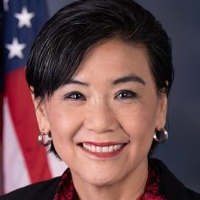
Judy Chu
Representative
CA
Judy Chu
Representative
CA
The Mortgage Relief for Disaster Survivors Act allows homeowners with Federally backed loans in a declared disaster area to request a mandatory 180-day forbearance on their mortgage payments. Borrowers must provide proof of property damage to their loan servicer to access this relief, which prohibits extra fees or penalties during the pause. This protection is available for both single-family and multifamily properties secured by loans purchased or securitized by Fannie Mae or Freddie Mac.
The Housing Supply Frameworks Act directs the federal government to create guidelines and best practices for state and local governments to reform restrictive zoning and land-use regulations to increase housing supply across all income levels.
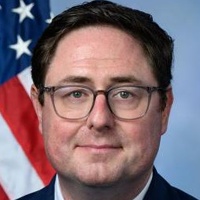
Mike Flood
Representative
NE
Mike Flood
Representative
NE
The Housing Supply Frameworks Act aims to address the national housing shortage by encouraging state and local governments to reform restrictive zoning and land use regulations. It directs the Department of Housing and Urban Development (HUD) to develop and publish comprehensive guidelines and best practices for these reforms. The Act also establishes reporting requirements to track the adoption of these new frameworks and authorizes funding to support these efforts.
The California Clean Coast Act of 2025 permanently prohibits new oil and gas leasing and related activities on the Outer Continental Shelf off the coast of California while preserving existing leases.
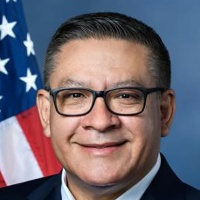
Salud Carbajal
Representative
CA
Salud Carbajal
Representative
CA
The California Clean Coast Act of 2025 permanently prohibits all new federal oil and gas leasing and related activities on the outer Continental Shelf off the coast of California. This measure ensures no future drilling permits can be issued in these sensitive waters. However, the Act explicitly preserves the rights of any existing oil and gas leases already in effect.
This act permanently bans new oil and gas leasing for exploration, development, or production in the Southern California Planning Area.
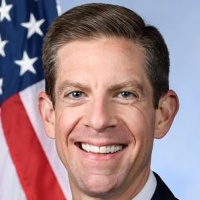
Mike Levin
Representative
CA
Mike Levin
Representative
CA
The Southern California Coast and Ocean Protection Act permanently prohibits the Secretary of the Interior from issuing any new oil or gas leases within the Southern California Planning Area. This measure specifically bans all exploration, development, and production authorizations in the region defined by the September 2023 leasing program. The Act ensures long-term protection for the Southern California coast against new offshore drilling activities.
This act permanently bans new oil and gas leasing for exploration and production in the Central California Planning Area offshore.
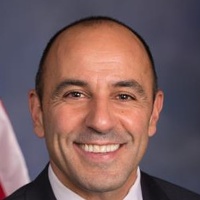
Jimmy Panetta
Representative
CA
Jimmy Panetta
Representative
CA
The Central Coast of California Conservation Act of 2025 permanently prohibits the Secretary of the Interior from issuing new oil and gas leases in the Central California Planning Area. This legislation secures the protection of this offshore region from future energy exploration and development.
This Act permanently prohibits new oil and gas exploration, development, and production on the Outer Continental Shelf off the coasts of California, Oregon, and Washington.
Jared Huffman
Representative
CA
Jared Huffman
Representative
CA
The West Coast Ocean Protection Act of 2025 permanently prohibits all new oil and gas exploration, development, and production on the Outer Continental Shelf off the coasts of California, Oregon, and Washington. This legislation specifically bans the Secretary of the Interior from issuing any new leases or permissions for drilling activities in designated planning areas. The goal is to secure long-term protection for these vital West Coast marine environments.
The NO FAKES Act of 2025 establishes a new federal property right protecting an individual's voice and visual likeness from unauthorized creation and distribution of digital replicas, including provisions for licensing, post-death rights, and liability for online services.

Maria Salazar
Representative
FL
Maria Salazar
Representative
FL
The NO FAKES Act of 2025 establishes a new federal property right protecting an individual's voice and visual likeness from unauthorized creation and distribution as a "Digital Replica" via AI or other means. This right belongs to the individual while alive and transfers to their heirs for a limited time after death, allowing them to control and license their digital identity. The Act outlines specific liability rules for unauthorized use, provides safe harbors for online services that comply with takedown notices, and sets penalties for false claims.
This bill establishes the American Family Act, which revamps the Child Tax Credit into a system of refundable monthly advance payments for qualifying children and a separate credit for other dependents.

Rosa DeLauro
Representative
CT
Rosa DeLauro
Representative
CT
The American Family Act fundamentally overhauls the Child Tax Credit by replacing the annual lump sum with a system of advance, refundable monthly payments delivered directly to families. These monthly allowances vary based on the child's age, with higher amounts provided for younger children. The bill also establishes a separate, smaller credit for other dependents and outlines procedures for annual renewal and reconciliation of advance payments when filing taxes.