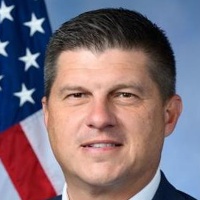
Legislative Activity
Track Brad's sponsored bills, co-sponsored legislation, and voting record
The LEDGER Act mandates the establishment of a comprehensive, government-wide system to track and record the exact destination and availability period of every federal expenditure.
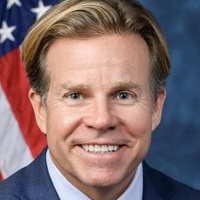
Mike Haridopolos
Representative
FL
Mike Haridopolos
Representative
FL
The LEDGER Act mandates the creation of a comprehensive, centralized system managed by the Secretary of the Treasury to track every expenditure made by all branches of the U.S. Government. This new system must detail exactly where federal funds are spent and how long those funds were available for obligation. The goal is to significantly enhance the traceability and transparency of government spending.
This Act mandates that major internet content and service providers (edge providers) must help fund the Universal Service Fund alongside broadband providers to lower consumer costs and support service in high-cost areas.
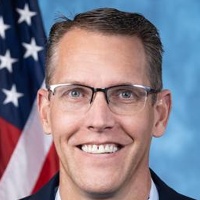
Randy Feenstra
Representative
IA
Randy Feenstra
Representative
IA
The Lowering Broadband Costs for Consumers Act of 2025 reforms the Universal Service Fund (USF) contribution system by requiring large internet content and service providers ("Edge Providers") to contribute alongside traditional broadband providers. This aims to shift the financial burden away from solely relying on phone companies to ensure continued support for universal service. The bill also directs the FCC to establish new, predictable funding mechanisms to support broadband providers serving high-cost areas.
This bill mandates the executive branch to rapidly streamline federal processes for exploring and developing critical minerals from the U.S. seabed and in partnership with allies to secure domestic supply chains.
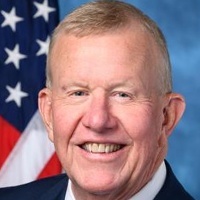
Mike Ezell
Representative
MS
Mike Ezell
Representative
MS
This bill aims to unleash America's access to critical minerals on the seabed by accelerating domestic exploration and recovery efforts. It mandates federal agencies to establish expedited processes, within 60 days, for issuing licenses and permits for mineral recovery on the Outer Continental Shelf and in international waters. The legislation seeks to secure vital supply chains for national security and energy while establishing U.S. leadership in responsible seabed resource development.
This act reauthorizes and updates mandatory funding levels for federal programs aimed at preventing, surveilling, and rapidly responding to foreign animal diseases in the United States through 2031.
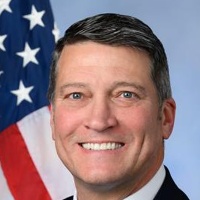
Ronny Jackson
Representative
TX
Ronny Jackson
Representative
TX
The Foreign Animal Disease Prevention, Surveillance, and Rapid Response Act of 2025 reauthorizes and significantly increases mandatory funding levels for critical animal disease prevention and management programs through 2031. This legislation ensures sustained financial support for national animal health laboratories, surveillance efforts, and preparedness initiatives. The bill updates funding allocations to enhance the nation's ability to rapidly respond to potential foreign animal disease outbreaks.
This act allows Rural Health Clinics to bill Medicare for personalized prevention plan services delivered by registered nurses during annual wellness visits.
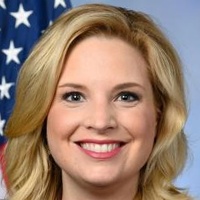
Ashley Hinson
Representative
IA
Ashley Hinson
Representative
IA
The RNs for Rural Health Act of 2025 aims to improve preventative care access in rural areas by updating Medicare payment rules for Rural Health Clinics (RHCs). This legislation allows RHCs to bill Medicare for "personalized prevention plan services" delivered by a licensed Registered Nurse (RN). This ensures RN-led preventative care is adequately covered and reimbursed under the Medicare program.
This Act mandates an immediate hiring push for Customs and Border Protection officers along the northern border and updates threat analysis requirements to address staffing shortages and upcoming retirements.
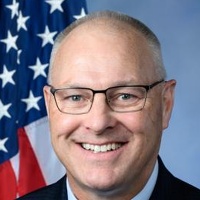
Pete Stauber
Representative
MN
Pete Stauber
Representative
MN
The Northern Border Security and Staffing Reform Act addresses critical staffing shortages within Customs and Border Protection (CBP), particularly along the northern border. It mandates an immediate hiring push to counteract anticipated mass retirements and current personnel deficits. Furthermore, the bill updates threat analysis requirements to specifically focus on staffing projections, retirement risks, and local recruitment strategies for northern ports of entry.
This act mandates that FHA loan disclosures include comparable VA loan information and requires lenders to ask about military service on standard loan applications.
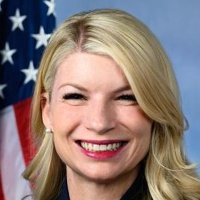
Brittany Pettersen
Representative
CO
Brittany Pettersen
Representative
CO
The VA Loan Informed Disclosure Act of 2025 (VALID Act) aims to increase awareness of VA loan options among homebuyers. It requires lenders to include comparative information about potential VA loan terms on standard FHA disclosure forms. Furthermore, the Act mandates that the Uniform Residential Loan Application include a prominent question regarding the applicant's military service.
This Act establishes a pilot program for law enforcement to test drones equipped only with non-lethal tools for responding to active shooter situations.
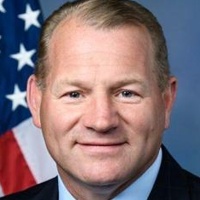
Troy Nehls
Representative
TX
Troy Nehls
Representative
TX
The Deescalation Drone Pilot Program Act of 2025 establishes a pilot program managed by the FAA for law enforcement to test drones equipped only with non-lethal tools during active shooter events. This initiative aims to assess the safety, training, and effectiveness of using these specialized drones to keep officers at a safer distance. Following the testing phase, the FAA must create a formal rulemaking process to allow agencies nationwide to seek approval for using these domestically manufactured, non-lethal drones.
Connor's Law mandates that commercial motor vehicle operators must demonstrate the ability to read and speak English sufficiently to perform essential driving and reporting tasks, or face immediate out-of-service orders.
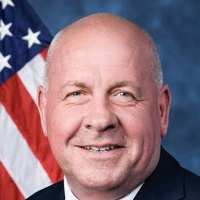
David Taylor
Representative
OH
David Taylor
Representative
OH
Connor's Law establishes a mandatory English language proficiency requirement for all commercial motor vehicle (CMV) operators seeking a Commercial Driver's License (CDL). This ensures drivers can effectively communicate, understand traffic signs, and complete necessary documentation in English. Failure to meet this standard will result in an immediate out-of-service order for the driver.
This bill establishes a 25% tax credit for purchasing U.S.-made circuit boards and substrates while also creating a $3 billion federal incentive program to boost domestic manufacturing and research in these critical electronic components.
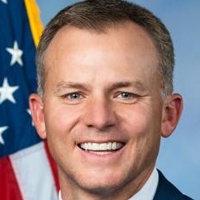
Blake Moore
Representative
UT
Blake Moore
Representative
UT
The Protecting Circuit Boards and Substrates Act establishes a 25% tax credit for purchasing U.S.-made printed circuit boards and integrated circuit substrates starting in 2026. It also creates a federal incentive program, managed by the Commerce Department, to provide up to $3 billion in funding to boost domestic manufacturing and research and development in these critical electronic components. The program prioritizes national security needs, workforce development, and supports for small and diverse-owned businesses.
The FREE Act mandates federal agencies to develop and implement a "permitting by rule" system to streamline and expedite permit issuance based on applicant certification of compliance with established standards.
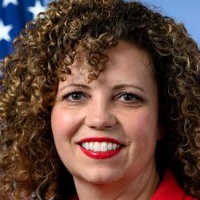
Celeste Maloy
Representative
UT
Celeste Maloy
Representative
UT
The Full Responsibility and Expedited Enforcement (FREE) Act mandates that federal agencies develop and implement a "permitting by rule" system as an alternative to slow, traditional permitting processes. This new system requires applicants to certify compliance with written standards, streamlining approval with a 180-day automatic grant deadline if the agency fails to act. Agencies retain the right to audit and enforce compliance after permits are issued, with the burden of proof shifting to the agency during appeals.
This act, also known as the COUNTER Act, updates the Department of Defense's authority and procedures for neutralizing drone threats to U.S. assets while ensuring related security information remains confidential.
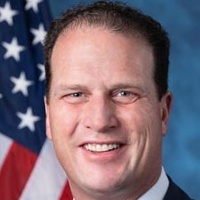
August Pfluger
Representative
TX
August Pfluger
Representative
TX
The COUNTER Act enhances the Department of Defense's authority to neutralize threats from unmanned aircraft systems targeting U.S. assets. This legislation delegates specific response powers and updates mitigation rules for drone threats. Crucially, it exempts sensitive information regarding these counter-drone technologies and procedures from public disclosure under the Freedom of Information Act. The bill also adjusts several deadlines and clarifies the applicability of certain federal laws when operating overseas to counter these threats.
The LEOSA Reform Act updates federal law to clarify concealed carry exceptions in school zones and modernizes qualification standards and carrying privileges for qualified active and retired law enforcement officers in certain federal facilities.
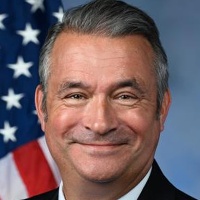
Don Bacon
Representative
NE
Don Bacon
Representative
NE
The LEOSA Reform Act updates federal laws to better align concealed carry rights for qualified active and retired law enforcement officers with existing school zone restrictions. This legislation modernizes the Law Enforcement Officer Safety Act (LEOSA) by expanding qualification standards for retired officers and clarifying where they may carry firearms, including in certain lower-security federal facilities. The bill ensures that LEOSA-authorized carriers are not inadvertently violating federal school zone prohibitions.
This Act establishes a grant program to support law enforcement agencies in recruiting diverse candidates through targeted marketing and "Pathways to Policing" training initiatives.
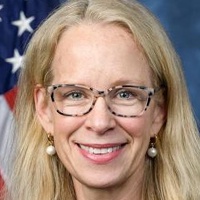
Kelly Morrison
Representative
MN
Kelly Morrison
Representative
MN
The Pathways to Policing Act establishes the Law Enforcement Hiring Support Grant program to help agencies recruit new officers. This grant money can be used for recruitment campaigns and developing programs that support candidates facing barriers to entering law enforcement. The Act prioritizes funding for agencies seeking to increase diversity and hire candidates connected to the communities they will serve. Additionally, it mandates a national marketing effort to encourage diverse individuals to pursue careers in policing.
This Act establishes a bipartisan Fiscal Commission tasked with developing and reporting legislative recommendations to reduce the national debt, followed by an expedited congressional process for considering those recommendations.
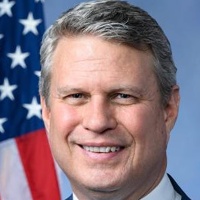
Bill Huizenga
Representative
MI
Bill Huizenga
Representative
MI
The Fiscal Commission Act establishes a bipartisan commission tasked with developing legislative recommendations to improve the nation's long-term fiscal health, aiming to reduce the national debt ratio to 100% of GDP by 2039. This Commission, composed of appointed members from both chambers of Congress and outside experts, must submit its final report and proposed legislation within a specific timeframe. The Act also creates an expedited, amendment-free process for Congress to consider and vote on any resulting "implementing bills."
This Act amends federal law to exclusively list West Virginia, rather than both West Virginia and Minnesota, in a specific section concerning contracts for engineering and design services on federal highway projects.
Pete Stauber
Representative
MN
Pete Stauber
Representative
MN
The Parity in Engineering Act amends federal law concerning contracts for engineering and design services on federal highway projects. Specifically, this legislation removes Minnesota from a list in Section 112(b)(2)(F) of title 23 of the U.S. Code, leaving only West Virginia specifically mentioned in that subsection. This change adjusts the application of existing statutory provisions related to state contracting for these services.
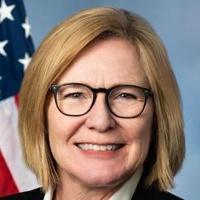
The MOMS Act establishes a federal resource hub for expecting mothers, improves access to prenatal and postnatal care through grants, and allows for the enforcement of child support obligations for unborn children.
Michelle Fischbach
Representative
MN
Michelle Fischbach
Representative
MN
The MOMS Act aims to support expecting and new mothers through three main initiatives. It establishes a centralized federal resource website, Pregnancy.gov, to connect mothers with local support services and adoption agencies. The bill also creates grant programs to fund organizations offering positive alternatives to abortion and expanding access to at-home prenatal and postnatal telehealth care in underserved areas. Finally, it allows states to establish and enforce child support obligations against biological fathers for unborn children upon the mother's request.
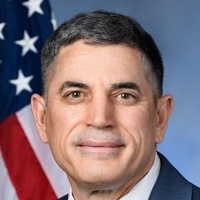
This bill removes federal tax and registration requirements for firearm silencers, preempts certain state regulations, mandates the destruction of existing federal silencer owner records, and updates related definitions and marking requirements.
Andrew Clyde
Representative
GA
Andrew Clyde
Representative
GA
The Constitutional Hearing Protection Act aims to treat firearm silencers equally under federal tax law by updating definitions and removing certain registration requirements if existing firearm laws are followed. The bill also preempts state and local governments from imposing special taxes or registration burdens on silencers. Furthermore, it mandates the destruction of existing federal records identifying silencer owners within one year of enactment.
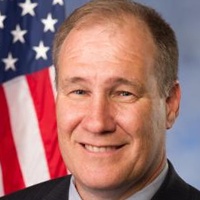
The Shipbuilding and Harbor Infrastructure for Prosperity and Security for America Act of 2025 establishes a centralized maritime authority, creates a dedicated funding trust, strengthens sealift capability, mandates increased use of U.S.-flagged vessels, invests heavily in domestic shipbuilding, and enhances workforce development and tax incentives for the maritime industry.
Trent Kelly
Representative
MS
Trent Kelly
Representative
MS
The **Shipbuilding and Harbor Infrastructure for Prosperity and Security for America Act of 2025** is a comprehensive bill designed to revitalize the U.S. maritime industry and secure critical supply chains. It establishes new centralized oversight for maritime policy, creates a dedicated Maritime Security Trust Fund financed by new vessel taxes, and mandates significant federal investment in domestic shipbuilding and workforce development. The legislation also imposes stricter cargo preference rules and tax incentives to ensure U.S.-flagged vessels dominate international commerce and defense sealift operations.
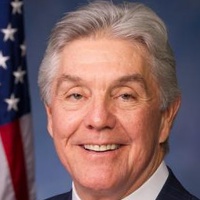
This bill prohibits the Small Business Administration from facilitating voter registration and restricts recipients of SBA assistance from engaging in such activities.
Roger Williams
Representative
TX
Roger Williams
Representative
TX
The Business over Ballots Act reaffirms that the Small Business Administration's (SBA) primary mission is solely to support small businesses. This legislation explicitly prohibits the SBA from engaging in or facilitating voter registration activities. Furthermore, it mandates that all new contracts and existing assistance agreements must restrict recipients from using SBA funds for voter registration efforts.