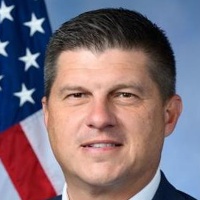
Legislative Activity
Track Brad's sponsored bills, co-sponsored legislation, and voting record
This act establishes a dedicated unit within the Department of Justice to enhance the investigation and prosecution of international trade-related crimes, such as smuggling, money laundering, and duty evasion.
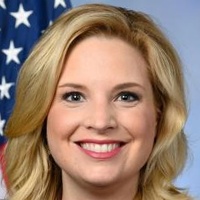
Ashley Hinson
Representative
IA
Ashley Hinson
Representative
IA
The Protecting American Industry and Labor from International Trade Crimes Act of 2026 establishes a dedicated unit within the Department of Justice to investigate and prosecute criminal trade activities, such as smuggling, duty evasion, and trade-based money laundering. This legislation aims to bolster enforcement capacity through increased staffing, interagency collaboration, and the development of multi-jurisdictional responses. Additionally, it mandates annual reporting to Congress to ensure transparency and accountability in the government's efforts to protect American industry and labor.
The Water Authority Cybersecurity Protection Act extends and increases funding for the Drinking Water Infrastructure Risk and Resilience Program to bolster cybersecurity and technical assistance for water systems.
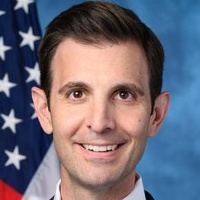
Chris Deluzio
Representative
PA
Chris Deluzio
Representative
PA
The Water Authority Cybersecurity Protection Act strengthens the security of our nation's water systems by extending and doubling the funding for the Drinking Water Infrastructure Risk and Resilience Program through 2029. This legislation increases support for technical assistance and grants, specifically prioritizing resources for small water systems to improve their cybersecurity defenses.
The Foreign Propaganda Disclosure Act amends the Foreign Agents Registration Act to require monetized social media influencers to register as foreign agents.
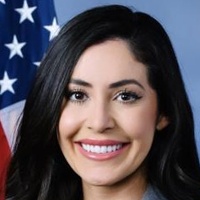
Anna Luna
Representative
FL
Anna Luna
Representative
FL
The Foreign Propaganda Disclosure Act amends the Foreign Agents Registration Act (FARA) to explicitly include social media influencers within the definition of foreign agents. This legislation requires influencers with monetized accounts to register with the U.S. government if they are acting on behalf of foreign principals. The bill aims to increase transparency regarding foreign-backed content across social media platforms.
This bill designates the United States Postal Service facility located at 15642 Sand Canyon Avenue in Irvine, California, as the "Mary Kageyama Nomura Post Office Building."
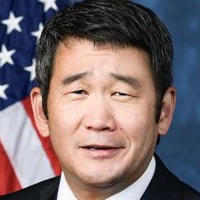
Dave Min
Representative
CA
Dave Min
Representative
CA
This bill designates the United States Postal Service facility located at 15642 Sand Canyon Avenue in Irvine, California, as the "Mary Kageyama Nomura Post Office Building."
The Lifelong Learning Act amends the Workforce Innovation and Opportunity Act to increase funding for worker training, enhance performance reporting, and provide greater flexibility for local workforce center operators.
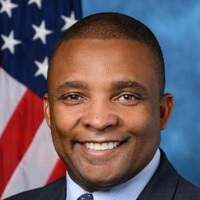
Donald Davis
Representative
NC
Donald Davis
Representative
NC
The Lifelong Learning Act amends the Workforce Innovation and Opportunity Act to increase funding for incumbent worker training and transitional job programs. It also introduces new performance reporting requirements for these programs and provides greater flexibility for local workforce development boards to serve as one-stop operators.
This bill clarifies that a franchisor is only considered a joint employer of a franchisee's workers if it exercises substantial, direct, and immediate control over essential terms of employment.
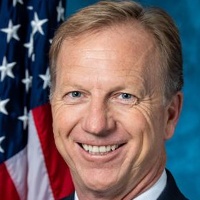
Kevin Hern
Representative
OK
Kevin Hern
Representative
OK
The American Franchise Act aims to protect the traditional franchise business model by clarifying the definition of a "joint employer." This legislation establishes that a franchisor is only considered a joint employer if it exercises "substantial direct and immediate control" over the essential terms of employment for a franchisee's workers. This change specifically targets liability risks associated with maintaining brand standards, ensuring franchisors are not automatically held responsible for local labor practices. The new standard applies prospectively to future legal proceedings.
This bill establishes a federal standard requiring large industrial electricity customers to fully cover the costs of necessary utility infrastructure upgrades and provide financial assurances before construction begins.
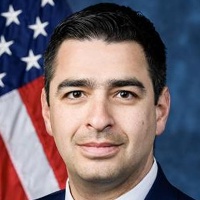
Gabe Evans
Representative
CO
Gabe Evans
Representative
CO
The Ratepayer Protection Act establishes a new federal standard requiring electric utilities to ensure large industrial customers (100 MW or more) fully cover the costs of necessary infrastructure upgrades. This mandates that large-load customers provide financial assurances before construction begins, protecting existing ratepayers from bearing the risk of future contract terminations. States must consider and adopt this standard within two years, unless they have already implemented similar requirements.
This act amends Title IX to explicitly define "sex," "female," and "male" based on biological characteristics.
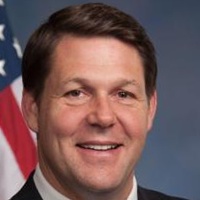
Jodey Arrington
Representative
TX
Jodey Arrington
Representative
TX
The Title IX Clarification Act of 2026 amends Title IX to explicitly define "sex," "female," and "male" based on an individual's biologically determined sex and reproductive system. This legislation clarifies the scope of sex-based protections under federal education law. The changes take effect immediately upon enactment.
This bill prohibits the Department of Labor from finalizing, implementing, or enforcing the proposed rule regarding heat injury and illness prevention in outdoor and indoor work settings.
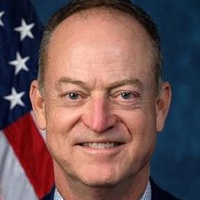
Mark Messmer
Representative
IN
Mark Messmer
Representative
IN
This act, the Heat Workforce Standards Act of 2025, prohibits the Secretary of Labor from finalizing, implementing, or enforcing the proposed rule regarding heat injury and illness prevention published in August 2024. This restriction extends to any future standard substantially similar to the one proposed.
The "Combating Illicit Xylazine Act" aims to combat the misuse of xylazine by adding it to Schedule III of the Controlled Substances Act, tracking its distribution, and ensuring appropriate penalties for related offenses, while also protecting legitimate veterinary use.
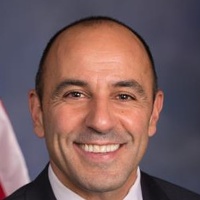
Jimmy Panetta
Representative
CA
Jimmy Panetta
Representative
CA
The "Combating Illicit Xylazine Act" aims to combat the illegal use of xylazine by adding it to Schedule III of the Controlled Substances Act, which would allow for increased regulation and tracking of the substance. The bill includes exemptions and delayed effective dates for certain requirements to ease the transition for legitimate users, such as veterinarians and animal handlers. It also directs the Sentencing Commission to review sentencing guidelines for xylazine-related offenses and mandates reports to Congress on the prevalence and impact of illicit xylazine use. Finally, it will include xylazine in Arcos tracking.
This bill reauthorizes the C.W. Bill Young Cell Transplantation Program and the National Cord Blood Inventory through 2031 to ensure a high-quality, scientifically managed supply of stem cell units for patients in need.
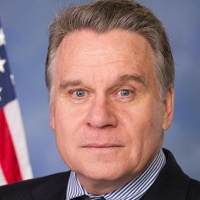
Christopher Smith
Representative
NJ
Christopher Smith
Representative
NJ
The Stem Cell Therapeutic and Research Reauthorization Act of 2025 extends critical funding and support for the C.W. Bill Young Cell Transplantation Program and the National Cord Blood Inventory through 2031. This legislation modernizes the management of cord blood supplies by prioritizing clinical utility, genetic diversity, and the use of the latest scientific standards. By streamlining inventory operations, the bill ensures that life-saving transplant resources remain accessible and effective for patients in need.
The Essential Caregivers Act of 2026 mandates that long-term care facilities allow residents to designate essential caregivers who maintain in-person visitation rights even during periods when regular visitation is suspended.
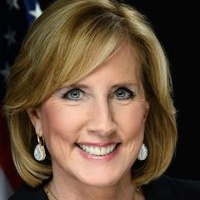
Claudia Tenney
Representative
NY
Claudia Tenney
Representative
NY
The Essential Caregivers Act of 2026 ensures that residents in long-term care facilities maintain access to designated essential caregivers, even when general visitation is suspended. The bill mandates that facilities allow residents to appoint up to two caregivers who can provide in-person support, provided they adhere to established safety protocols. It also prioritizes the investigation of access complaints and guarantees that these visitation rights cannot be waived during emergencies.
The Chloe Cole Act of 2026 establishes a private right of action allowing individuals to sue healthcare providers for damages resulting from gender-transition medical interventions performed on them as minors.
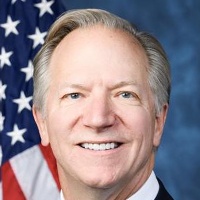
Robert Onder
Representative
MO
Robert Onder
Representative
MO
The Chloe Cole Act of 2026 establishes a federal private right of action allowing individuals to sue healthcare professionals and institutions for damages related to gender-transition medical interventions performed on them as minors. The bill permits lawsuits regardless of when the intervention occurred and sets a statute of limitations extending 25 years past the individual's 18th birthday. Additionally, it mandates strict liability for such interventions performed after the Act's enactment.
The Reshoring American Manufacturing Act of 2026 mandates that the SBA create a dedicated online resource hub to assist small businesses in relocating their manufacturing operations to the United States.
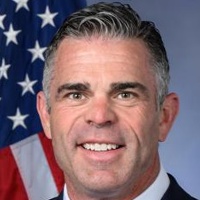
Tony Wied
Representative
WI
Tony Wied
Representative
WI
The Reshoring American Manufacturing Act of 2026 (RAM Act) directs the Small Business Administration to establish a dedicated online resource hub for small businesses looking to relocate manufacturing operations to the United States. This initiative aims to streamline the onshoring process by providing centralized access to expert guidance, partner organizations, and essential support tools.
This bill mandates electronic prior authorization, increases transparency through required data reporting, and establishes faster decision timelines for Medicare Advantage plans to improve timely access to care for seniors.
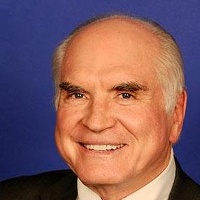
Mike Kelly
Representative
PA
Mike Kelly
Representative
PA
The Improving Seniors’ Timely Access to Care Act of 2025 aims to streamline and modernize the prior authorization process within Medicare Advantage plans. This bill mandates the adoption of electronic prior authorization systems and significantly increases transparency regarding approval rates and decision times starting in 2027. Furthermore, it establishes new enrollee protections and grants the Secretary authority to enforce faster decision timeframes for medical services.
This Act prohibits payment card networks and processors from assigning specific merchant category codes to identify firearms retailers, protecting the privacy of firearm and ammunition purchases.
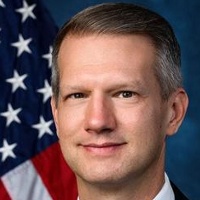
Riley Moore
Representative
WV
Riley Moore
Representative
WV
The Protecting Privacy in Purchases Act prohibits payment card networks and processors from assigning specific merchant category codes to firearms retailers. This legislation aims to protect consumer privacy by preventing the tracking of firearm and ammunition purchases through specialized financial classification. The Attorney General is tasked with enforcing these provisions and reporting annually on compliance.
The Diesel Engine Flexibility (DEF) Act establishes a 10-year period of regulatory stability for on-road and nonroad diesel engines by freezing emission standards and providing a safe harbor for specific compliance and monitoring practices.
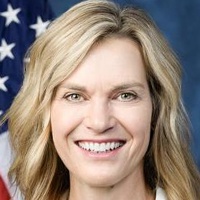
Julie Fedorchak
Representative
ND
Julie Fedorchak
Representative
ND
The Diesel Engine Flexibility (DEF) Act provides a 10-year period of regulatory stability for on-road and nonroad diesel engines by freezing emission standards at current levels. During this time, the bill establishes a safe harbor for manufacturers and operators following specific EPA guidance regarding diesel exhaust fluid monitoring and engine repair strategies. Additionally, it mandates that any future emission standards must include significant lead times and consider the operational and economic impacts on engine owners.
The FRAUD Act mandates that state officials report significant instances of federal fund misuse to the FBI and establishes criminal penalties for failing to do so or obstructing related investigations.
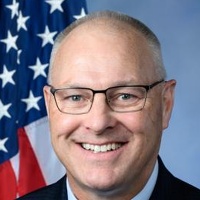
Pete Stauber
Representative
MN
Pete Stauber
Representative
MN
The Federal Responsibility and Accountability for Unchecked Dereliction (FRAUD) Act mandates that state officials report significant instances of fraud involving federal funds to the FBI. To ensure compliance, states must certify that these reports have been filed to remain eligible for federal funding. The bill also establishes criminal penalties for officials who knowingly fail to report fraud or obstruct related investigations.
The Securing Agriculture's Workforce Act of 2026 modernizes the H-2A visa program by streamlining the application process through a centralized online platform, updating labor and housing requirements, and expanding the definition of eligible agricultural work.
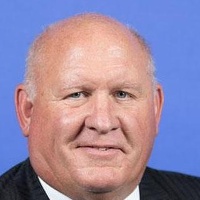
Glenn Thompson
Representative
PA
Glenn Thompson
Representative
PA
The Securing Agriculture's Workforce Act of 2026 modernizes the H-2A visa program to better support the agricultural industry by streamlining application processes and establishing a centralized online portal for employers. The bill updates labor certification, housing, and wage requirements while expanding the definition of eligible agricultural work to include a broader range of activities. Additionally, it enhances worker protections—including new heat illness prevention standards—and provides greater administrative efficiency for federal agencies managing the program.
The SHARE Act of 2025 establishes federal requirements for the FBI to share criminal history record information with states participating in interstate professional licensing compacts, while strictly limiting how those states can use and further disseminate that data.
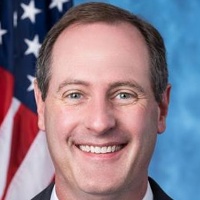
Tracey Mann
Representative
KS
Tracey Mann
Representative
KS
The SHARE Act of 2025 establishes new federal requirements for the FBI to share criminal history record information with states participating in professional licensing interstate compacts. This information sharing is strictly for the purpose of conducting background checks on applicants seeking to practice a profession in another compact state. States receiving this data are severely restricted on how they can use or further disseminate the detailed criminal history, generally only being permitted to report a binary "satisfactory" or "unsatisfactory" determination back to the compact's Commission.