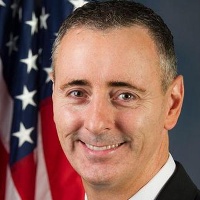
Legislative Activity
Track Brian's sponsored bills, co-sponsored legislation, and voting record
The Caring for Survivors Act of 2025 increases monthly dependency and indemnity compensation for surviving spouses and expands eligibility by reducing the required period of a veteran's total disability from ten years to five.
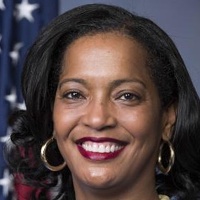
Jahana Hayes
Representative
CT
Jahana Hayes
Representative
CT
The Caring for Survivors Act of 2025 aims to increase financial support for the surviving spouses of veterans by raising monthly dependency and indemnity compensation rates. Additionally, the bill expands eligibility for these benefits by lowering the required period of a veteran’s total disability rating from ten years to five years. These changes ensure more survivors receive equitable compensation for the service and sacrifice of their loved ones.
This bill establishes an interagency committee to coordinate federal research, monitoring, and strategic planning for soil carbon sequestration efforts.
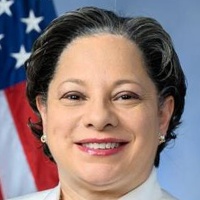
Jennifer McClellan
Representative
VA
Jennifer McClellan
Representative
VA
The Coordination for Soil Carbon Research and Monitoring Act establishes an interagency committee to unify federal efforts in researching and monitoring soil carbon sequestration. This committee will develop a strategic, cross-agency plan to standardize data collection, improve measurement technologies, and ensure inclusive engagement with agricultural communities. By fostering collaboration across multiple federal departments, the bill aims to advance the science and long-term monitoring of soil carbon storage.
This bill directs the Secretary of Defense to establish a compensation fund for military firefighters and their survivors for illnesses resulting from on-the-job exposure to PFAS.
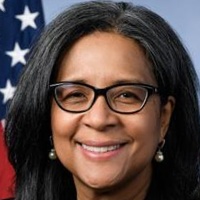
Marilyn Strickland
Representative
WA
Marilyn Strickland
Representative
WA
This bill establishes the Military Firefighters Compensation Fund to provide financial support and medical benefits to current and former military firefighters, or their survivors, who have suffered illnesses due to on-the-job PFAS exposure. It creates a presumption of exposure for those who served at military installations where these chemicals were present, ensuring eligible individuals receive timely and uniform compensation.
The Headwaters Protection Act of 2025 expands and increases funding for the Water Source Protection Program to improve watershed health, water quality, and climate resilience on National Forest lands and adjacent non-federal areas.
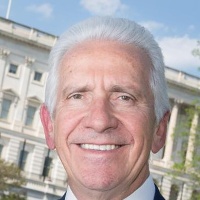
Jim Costa
Representative
CA
Jim Costa
Representative
CA
The Headwaters Protection Act of 2025 strengthens the Water Source Protection Program by expanding its scope to include adjacent non-federal lands and increasing annual funding to $30 million. This legislation enhances watershed health and water security by fostering collaborative partnerships, streamlining project implementation, and prioritizing resilience against wildfire and drought. Additionally, it establishes new safeguards to ensure forest management activities do not cause long-term degradation to watershed conditions.
This bill authorizes grant funding for first responders to receive training on and purchase containment devices to prevent secondary exposure to fentanyl and other lethal substances.
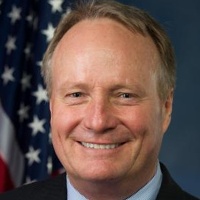
David Joyce
Representative
OH
David Joyce
Representative
OH
The Protecting First Responders from Secondary Exposure Act of 2025 authorizes the use of federal grant funds to better equip and train emergency personnel. This legislation enables first responders to purchase specialized containment devices and receive training to prevent accidental secondary exposure to fentanyl and other lethal substances.
The 911 SAVES Act mandates the reclassification of public safety telecommunicators as "Protective Service Occupations" within the federal Standard Occupational Classification system to accurately reflect their critical role in emergency response.
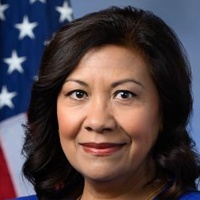
Norma Torres
Representative
CA
Norma Torres
Representative
CA
The 911 SAVES Act mandates that the Office of Management and Budget reclassify public safety telecommunicators as "Protective Service Occupations" within the federal Standard Occupational Classification system. This legislation recognizes the critical, high-stress, and lifesaving nature of 911 dispatchers, correcting their current misclassification to better reflect their essential role in emergency response.
This Act makes certain federal and state loan repayments and scholarships for health professionals serving in underserved areas tax-free.
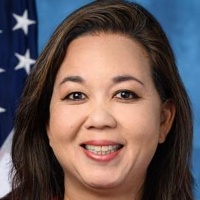
Jill Tokuda
Representative
HI
Jill Tokuda
Representative
HI
The Strengthening Pathways to Health Professions Act aims to encourage more individuals to enter the healthcare field by providing significant tax relief. This bill specifically makes certain loan repayments and scholarships received through various Public Health Service and state programs tax-free income. These changes apply to programs designed to increase the number of health professionals serving in underserved areas.
The Defending American Jobs and Investment Act establishes a retaliatory tax and enforcement framework to penalize foreign countries that impose extraterritorial or discriminatory taxes on U.S. businesses and individuals.
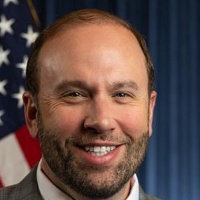
Jason Smith
Representative
MO
Jason Smith
Representative
MO
The Defending American Jobs and Investment Act establishes a formal enforcement mechanism to counter foreign taxes that are extraterritorial or discriminatory toward U.S. interests. The bill mandates that the Treasury Secretary identify offending countries and engage in bilateral negotiations to seek the repeal of these taxes. Should these policies persist, the Act authorizes escalating retaliatory measures, including increased U.S. tax rates for citizens and corporations of the offending nation, as well as potential federal procurement restrictions.
The Child Care Workforce and Facilities Act of 2025 authorizes competitive grants to states and tribal entities to expand the child care workforce and improve facilities in underserved "child care deserts."
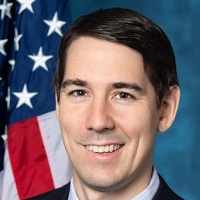
Josh Harder
Representative
CA
Josh Harder
Representative
CA
The Child Care Workforce and Facilities Act of 2025 authorizes $100 million in competitive grants to States and Tribal entities to increase access to quality child care in underserved "child care deserts." These funds support projects aimed at expanding the child care workforce through education and credentialing, as well as the construction, renovation, or expansion of child care facilities. The initiative seeks to improve child care affordability, availability, and provider retention while supplementing existing federal and state resources.
The ALIGN Act permanently establishes 100 percent bonus depreciation for qualified business property, eliminating scheduled phase-downs to encourage long-term capital investment.
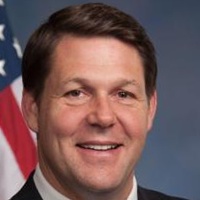
Jodey Arrington
Representative
TX
Jodey Arrington
Representative
TX
The ALIGN Act makes 100% "bonus depreciation" permanent for qualified business property, eliminating scheduled phase-downs to encourage long-term capital investment. By allowing businesses to fully expense these investments immediately, the bill provides a consistent tax incentive for growth. These changes apply retroactively to ensure stability for businesses that have invested in equipment and property since 2017.
The BEACH Act of 2025 expands coastal water quality monitoring, authorizes funding through 2029, and requires the EPA to incorporate the latest testing technologies into its guidance.
David Joyce
Representative
OH
David Joyce
Representative
OH
The BEACH Act of 2025 strengthens coastal water safety by expanding monitoring requirements to include upstream waters and public beach access points. The bill provides $30 million in annual funding through 2029 to support these efforts and allows states to use grants to identify specific sources of contamination. Additionally, it mandates that the EPA incorporate the latest testing technologies into its guidance for state and local water quality programs.
The BLUE Pacific Act strengthens U.S. diplomatic, economic, and security partnerships with Pacific Island nations through increased investment in sustainable development, climate resilience, and regional cooperation.
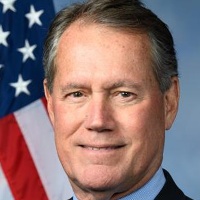
Ed Case
Representative
HI
Ed Case
Representative
HI
The BLUE Pacific Act establishes a comprehensive, long-term strategy to deepen U.S. political, economic, and security partnerships with Pacific Island nations. By authorizing dedicated funding and resources, the bill aims to foster regional stability, climate resilience, and sustainable development while countering external influence. Ultimately, the legislation seeks to transition U.S. engagement from reactive aid to a sustained, people-centered partnership that bolsters the sovereignty and prosperity of the region.
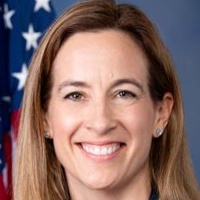
The Auto Theft Prevention Act establishes a $30 million annual grant program to provide state and local law enforcement with the resources and funding necessary to combat auto theft and vehicle trafficking.
Mikie Sherrill
Representative
NJ
Mikie Sherrill
Representative
NJ
The Auto Theft Prevention Act establishes a $30 million annual grant program to provide state and local law enforcement with the resources needed to combat auto theft and vehicle trafficking. The bill also expands the existing COPS grant program to include auto theft prevention as an authorized use of funds. These measures support agencies through increased staffing, specialized equipment, training, and data-driven task forces.
This bill amends the Workforce Innovation and Opportunity Act to increase labor and business representation on workforce development boards and expands the federal definition of labor organizations.
Mikie Sherrill
Representative
NJ
Mikie Sherrill
Representative
NJ
The Expanding Labor Representation in the Workforce System Act amends the Workforce Innovation and Opportunity Act to increase labor and business representation requirements on state and local workforce development boards. Additionally, the bill updates and broadens the federal definition of "labor organization" to ensure more diverse representation within the workforce system.
The FAIR Act mandates a 3.3 percent basic pay increase and a 1 percent locality pay adjustment for federal civilian employees in 2026.

Gerald Connolly
Representative
VA
Gerald Connolly
Representative
VA
The FAIR Act (Federal Adjustment of Income Rates Act) proposes a 2026 pay adjustment for federal civilian employees. This legislation mandates a 3.3 percent increase in basic pay for both statutory and prevailing rate employees, alongside a 1 percent increase in locality pay.
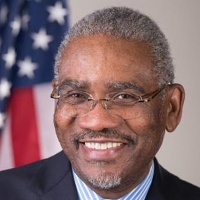
This Act imposes sanctions on foreign persons who knowingly facilitate the construction or maintenance of any tunnel or bridge connecting mainland Russia to illegally occupied Crimea.
Gregory Meeks
Representative
NY
Gregory Meeks
Representative
NY
The No Russian Tunnel to Crimea Act imposes sanctions on foreign persons who knowingly assist in the construction, maintenance, or repair of any tunnel or bridge connecting mainland Russia to illegally occupied Crimea. These sanctions include asset freezes and visa bans, recognizing Crimea's use as a staging ground for Russia's aggression against Ukraine. The President retains the authority to waive these sanctions if deemed necessary for U.S. national security interests, provided Congress is notified in advance.
The 911 SAVES Act of 2025 directs the Office of Management and Budget to reclassify public safety telecommunicators as "Protective Service Occupations" to better reflect their critical, life-saving role in emergency response.
Norma Torres
Representative
CA
Norma Torres
Representative
CA
The 911 SAVES Act of 2025 directs the Office of Management and Budget to reclassify public safety telecommunicators as "Protective Service Occupations" within the Standard Occupational Classification system. This change aims to formally recognize the critical, life-saving nature of 911 dispatchers and their essential role in emergency response. If the reclassification is not adopted, the Director must provide a formal justification to Congress.
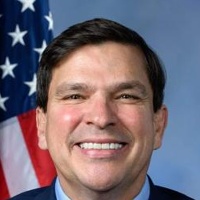
The Veterans Member Business Loan Act amends the Federal Credit Union Act to include loans made to veterans within the definition of "member business loans."
Vicente Gonzalez
Representative
TX
Vicente Gonzalez
Representative
TX
The Veterans Member Business Loan Act amends the Federal Credit Union Act to include loans made to veterans within the definition of "member business loans." This change aims to expand access to capital for veteran-owned businesses by facilitating easier lending through credit unions.
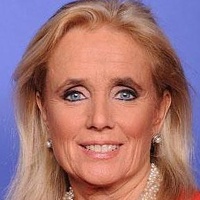
The Medicare Hearing Aid Coverage Act of 2025 expands Medicare benefits to include coverage for hearing aids and related examinations while mandating a federal study to improve hearing loss support programs.
Debbie Dingell
Representative
MI
Debbie Dingell
Representative
MI
The Medicare Hearing Aid Coverage Act of 2025 expands Medicare benefits to include coverage for hearing aids and related examinations starting January 1, 2026. Additionally, the bill mandates a comprehensive GAO study to evaluate current hearing loss programs and provide recommendations for improving access and care for beneficiaries.
This bill increases the railroad track maintenance tax credit, introduces annual inflation adjustments, and extends the eligibility period for qualifying expenditures.
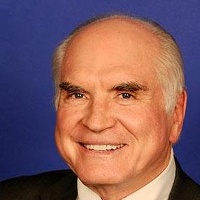
Mike Kelly
Representative
PA
Mike Kelly
Representative
PA
This bill amends the Internal Revenue Code to expand the railroad track maintenance credit by increasing the per-mile tax credit to $6,100 and implementing annual inflation adjustments starting in 2026. It also extends the eligibility window for qualifying maintenance expenditures to include costs incurred through 2023. These updates aim to provide greater financial support for ongoing railroad infrastructure improvements.