
Legislative Activity
Track Brian's sponsored bills, co-sponsored legislation, and voting record
This Act increases the maximum financial assistance available to disabled veterans for necessary home health service improvements and mandates annual inflation adjustments to these limits.
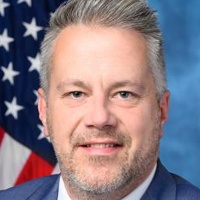
Eric Sorensen
Representative
IL
Eric Sorensen
Representative
IL
The Autonomy for All Disabled Veterans Act significantly increases the maximum financial assistance available to disabled veterans for necessary home improvements and structural alterations provided through home health services, raising certain limits to \$10,000. Furthermore, this legislation mandates that these housing-related benefit amounts be automatically adjusted each year to keep pace with the rate of inflation based on the residential home construction cost index. These new, higher spending limits apply only to veterans who apply for these specific benefits after the Act is enacted.
This Act terminates clean energy tax credits for wind and solar projects beginning construction after 2030 and denies clean energy tax benefits to companies connected to designated countries of concern.
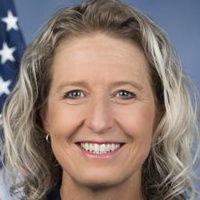
Jennifer Kiggans
Representative
VA
Jennifer Kiggans
Representative
VA
The Certainty for Our Energy Future Act modifies existing clean energy tax credits by terminating eligibility for new wind and solar facilities beginning construction after December 31, 2030. Furthermore, the bill denies various clean energy tax benefits to companies controlled by or established in designated "countries of concern." These changes aim to provide certainty regarding future tax incentives while restricting benefits for entities linked to specific foreign governments.
This bill expands the Family and Medical Leave Act (FMLA) to grant eligible employees up to 26 weeks of leave to care for a covered service member or for their own service-related injuries, while also broadening the definition of "family" for military leave purposes.
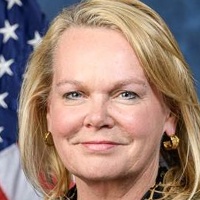
April McClain Delaney
Representative
MD
April McClain Delaney
Representative
MD
The MIL FMLA Act significantly expands existing family and medical leave protections under the FMLA for military families and veterans. It broadens the definition of covered family relationships to include domestic partners and other close relations when caring for a service member. The bill establishes a new entitlement of up to 26 workweeks of leave for caring for a covered service member or for a service member's own serious service-related injury or illness. These changes also apply to federal civilian employees, updating definitions and leave entitlements within Title 5 of the U.S. Code.
This act simplifies the employment requirement for the Public Service Loan Forgiveness program by clarifying that qualifying employment time is counted as long as borrowers were employed in a qualifying job while making required payments.
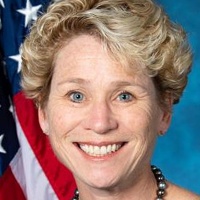
Chrissy Houlahan
Representative
PA
Chrissy Houlahan
Representative
PA
The PSLF Payment Completion Fairness Act simplifies the requirements for the Public Service Loan Forgiveness (PSLF) program. This bill removes the confusing dual requirement that previously mandated simultaneous qualifying employment and payment status for service time to count. Moving forward, the focus is simply on having been employed in a qualifying job while making the required payments.
This act establishes a federal grant program to help law enforcement officers afford and access childcare during their off-hours.
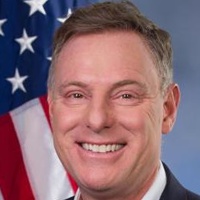
Scott Peters
Representative
CA
Scott Peters
Representative
CA
The Providing Child Care for Police Officers Act of 2025 establishes a new federal grant program to help law enforcement officers secure childcare during non-traditional hours. Administered by HHS, these competitive grants will fund local agencies to offer subsidies, start new facilities, or cover operational costs for officers. The program requires state agencies to apply and secure matching funds, with a sunset date of September 30, 2030.
This bill establishes Medicare Part B and Medicaid coverage, payment structures, and reporting requirements for FDA-approved Prescription Digital Therapeutics (PDTs) starting in 2026.
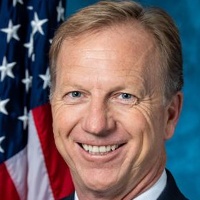
Kevin Hern
Representative
OK
Kevin Hern
Representative
OK
This bill, the Access to Prescription Digital Therapeutics Act of 2025, establishes coverage and payment pathways for FDA-cleared Prescription Digital Therapeutics (PDTs) under Medicare Part B starting in 2026. It mandates the Secretary to develop payment methodologies based on private payer rates and requires manufacturers to report utilization and pricing data to ensure fair reimbursement. Furthermore, the Act expands Medicaid's authority to cover these software-based medical treatments when prescribed to beneficiaries.
This Act allows federal law enforcement officers to receive retirement credit for previously capped overtime pay upon making a lump-sum payment, while also expanding eligibility for availability pay to certain other federal employees.
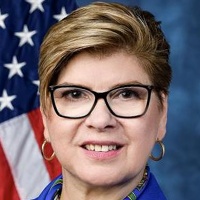
Nellie Pou
Representative
NJ
Nellie Pou
Representative
NJ
The LEO Fair Retirement Act of 2025 addresses compensation issues for federal law enforcement officers (LEOs) by allowing them to receive full retirement credit for previously capped overtime premium pay, provided they make a required lump-sum payment. The Act also expands eligibility for "availability pay" to several new categories of federal law enforcement personnel. Finally, it provides a non-refundable federal tax credit for officers receiving certain lump-sum payments related to their retirement annuity calculations.
This Act establishes a federal loan and guarantee program to improve mental health and substance use treatment facilities, with surplus funds directed to a new Trust Fund supporting community mental health block grants.
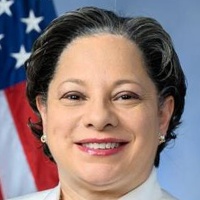
Jennifer McClellan
Representative
VA
Jennifer McClellan
Representative
VA
The Mental Health Infrastructure Improvement Act of 2025 establishes a federal program to issue loans and loan guarantees for building, renovating, and upgrading mental health and substance use disorder treatment facilities. This legislation prioritizes underserved areas and sets aside funds specifically for projects serving children and teens. Furthermore, it creates a dedicated Trust Fund to hold surplus revenue from the loan program, which Congress can later use to fund community mental health service block grants.
This Act enhances the FAA's Collegiate Training Initiative, establishes new grant programs, funds training equipment, creates retention incentives for air traffic controllers, and mandates improvements to mental health support and airport radar safety reporting.
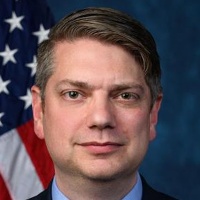
Nicholas Begich
Representative
AK
Nicholas Begich
Representative
AK
The Air Traffic Control Workforce Development Act of 2025 aims to strengthen the air traffic control pipeline by improving the Collegiate Training Initiative (CTI) program and establishing new grants for participating colleges. The bill also funds new training equipment and creates financial incentives to both encourage trainees to complete their certification and retain experienced controllers. Finally, it mandates improvements to mental health support for controllers and requires a report on the future of airport radar safety systems.
This Act establishes a bipartisan Fiscal Commission tasked with developing and reporting legislative recommendations to reduce the national debt, followed by an expedited congressional process for considering those recommendations.
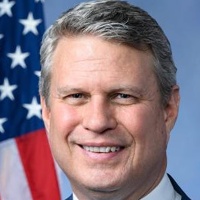
Bill Huizenga
Representative
MI
Bill Huizenga
Representative
MI
The Fiscal Commission Act establishes a bipartisan commission tasked with developing legislative recommendations to improve the nation's long-term fiscal health, aiming to reduce the national debt ratio to 100% of GDP by 2039. This Commission, composed of appointed members from both chambers of Congress and outside experts, must submit its final report and proposed legislation within a specific timeframe. The Act also creates an expedited, amendment-free process for Congress to consider and vote on any resulting "implementing bills."
This Act mandates that health plans cover medically necessary treatment for congenital anomalies or birth defects affecting the eyes, ears, teeth, mouth, or jaw to restore normal function and appearance.
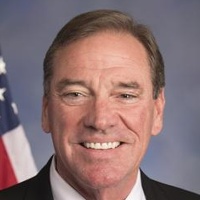
Neal Dunn
Representative
FL
Neal Dunn
Representative
FL
The Ensuring Lasting Smiles Act mandates that group health plans and insurance policies provide comprehensive coverage for medically necessary treatment related to congenital anomalies or birth defects affecting the eyes, ears, teeth, mouth, or jaw. This coverage must include services needed to restore normal function and appearance, including necessary dental and orthodontic support. Plans must apply cost-sharing rules no more restrictive than those for other medical benefits, excluding purely cosmetic procedures.
This bill mandates that federal research entities report detailed, categorized data on the number of animals used in research based on pain and distress levels, making this information publicly accessible through an NIH database.
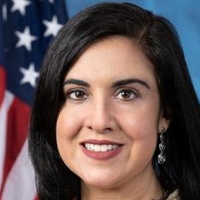
Nicole Malliotakis
Representative
NY
Nicole Malliotakis
Representative
NY
The Federal Animal Research Accountability Act of 2025 mandates that entities using animals in NIH-funded research must annually report detailed data on animal use, broken down by the level of pain or distress experienced. This comprehensive information, including the number of animals bred or housed but not yet used, will be made publicly available in a searchable database by the NIH. These new transparency requirements are set to begin two years after the bill's enactment.
This resolution establishes a "Bill of Rights" to support U.S. law enforcement personnel by outlining specific due process protections during investigations and strongly opposing efforts to defund the police.
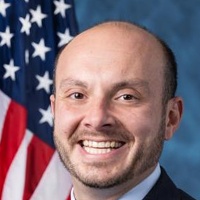
Andrew Garbarino
Representative
NY
Andrew Garbarino
Representative
NY
This resolution establishes a "Bill of Rights" to support U.S. law enforcement personnel nationwide, emphasizing the importance of upholding the rule of law. It strongly opposes any efforts to defund or abolish police departments while outlining specific due process rights for officers under investigation. The bill encourages states to adopt similar protections to ensure fair investigations and recognizes the dangerous work officers perform daily.
This act extends the availability of federal grants for mental and behavioral health education and training programs.
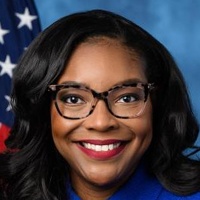
Emilia Sykes
Representative
OH
Emilia Sykes
Representative
OH
The Mental Health Improvement Act extends the availability of federal grants dedicated to mental and behavioral health education and training. This legislation shifts the funding period for these crucial training grants from fiscal years 2023–2027 to 2026–2030. The bill ensures continued support for developing the mental health workforce for an additional three years.
This bill expands the definition of "law enforcement officer" for federal retirement purposes under FERS and CSRS to include specific IRS, Postal Inspection, and VA police employees, and establishes rules for how current employees can count prior service under the new designation.
Andrew Garbarino
Representative
NY
Andrew Garbarino
Representative
NY
The Law Enforcement Officers Equity Act expands the definition of "law enforcement officer" for federal retirement purposes under both the Federal Employees Retirement System (FERS) and the Civil Service Retirement System (CSRS). This change adds specific IRS, Postal Inspection Service, and VA police roles to those eligible for enhanced retirement benefits. The bill also establishes procedures for current officers to elect to have their prior service counted under these new definitions, which may require a payment from the employee and their employing agency.
This Act streamlines the transition of medically disqualified service members into DoD civilian roles while also connecting non-qualifying individuals with defense industry career opportunities.
Jennifer Kiggans
Representative
VA
Jennifer Kiggans
Representative
VA
The Defense Workforce Integration Act of 2025 aims to streamline the transition of separating service members into civilian Department of Defense (DoD) roles, particularly for those medically disqualified from service. It also establishes a new program to connect medically ineligible individuals with career opportunities in the defense industrial base and related national security sectors. Furthermore, the bill mandates that the Navy inform separating personnel about career opportunities within the Military Sealift Command. The DoD must report to Congress within one year on the implementation of these integration and information-sharing provisions.
The Research Advancing to Market Production for Innovators Act streamlines federal small business research funding by prioritizing commercial viability, accelerating review timelines, increasing technical assistance flexibility, and establishing dedicated officials and impact assessments to boost technology transition from lab to market.
Chrissy Houlahan
Representative
PA
Chrissy Houlahan
Representative
PA
The Research Advancing to Market Production for Innovators Act aims to accelerate the commercialization of federally funded small business research. It enhances the SBIR/STTR programs by requiring commercialization expertise in proposal reviews and speeding up review timelines. The bill also establishes Technology Commercialization Officials within agencies and mandates detailed reporting on the market success of award recipients. Finally, it increases flexibility for technical assistance funding and provides prioritized patent examination services through the USPTO for awardees.
The NURSE Act establishes a federal grant program to help high-need school districts hire more registered nurses to address significant student health and mental health needs.
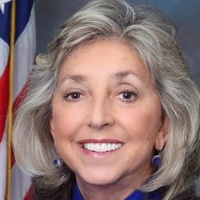
Dina Titus
Representative
NV
Dina Titus
Representative
NV
The Nurses for Under-Resourced Schools Everywhere (NURSE) Act establishes a federal grant program to help eligible local educational agencies hire more full-time registered nurses in public schools. These competitive demonstration grants prioritize high-need districts that currently lack adequate nursing staff. The goal is to address significant student health needs, including chronic conditions and mental health support, by increasing on-site nursing presence. Recipients must show a plan for long-term funding, as the federal share of costs decreases over the grant period.
Violet's Law mandates that federal research facilities establish procedures to place retired dogs, cats, nonhuman primates, guinea pigs, hamsters, and rabbits with approved rescue organizations, sanctuaries, shelters, or individuals.
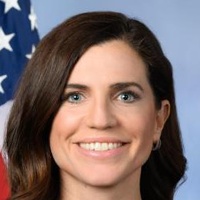
Nancy Mace
Representative
SC
Nancy Mace
Representative
SC
Violet's Law mandates that federal research facilities establish procedures to place retired research animals, including dogs, cats, and primates, into new homes. These facilities must adhere to the Animal Welfare Act standards and ensure animals are certified healthy by a veterinarian before adoption. Eligible placements include registered animal rescue organizations, sanctuaries, shelters, or private individuals.
The American Ownership and Resilience Act establishes a Department of Commerce-run facility to leverage government backing for investment companies that finance the sale of businesses to Employee Stock Ownership Plans (ESOPs) or worker-owned cooperatives.
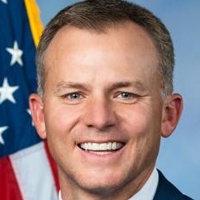
Blake Moore
Representative
UT
Blake Moore
Representative
UT
The American Ownership and Resilience Act establishes an Ownership Investment Facility within the Department of Commerce to provide government-backed leverage to investment companies. This facility is designed to encourage capital investments that support the sale of businesses to Employee Stock Ownership Plans (ESOPs) or worker-owned cooperatives. The bill sets strict oversight, fairness, and control requirements for these employee-centric transactions while establishing licensing and capital standards for the participating investment companies.