Legislative Activity
Track Brian's sponsored bills, co-sponsored legislation, and voting record
This bill establishes the National ACERT Grant Program to fund states, local governments, Tribes, and community organizations in developing comprehensive responses to adverse childhood experiences (ACEs).
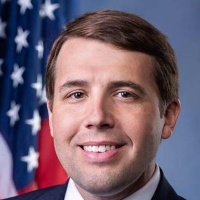
Chris Pappas
Representative
NH
Chris Pappas
Representative
NH
The National ACERT Grant Program Authorization Act establishes a new federal grant program to help communities address the impact of adverse childhood experiences (ACEs). Administered by the Attorney General and HHS, these grants will fund local teams to improve trauma response systems, coordinate services, and train professionals. The legislation authorizes $10 million annually for these efforts from fiscal years 2026 through 2029.
This bill permanently removes the three-year time limit for certain TRICARE health and dental care benefits for qualifying Gold Star surviving spouses.

Marcy Kaptur
Representative
OH
Marcy Kaptur
Representative
OH
The Gold Star Spouses Health Care Enhancement Act removes the three-year time limit for certain Gold Star surviving spouses to access TRICARE Prime medical and dental benefits. This change ensures eligible surviving spouses are no longer restricted by this previous eligibility window. These enhancements apply retroactively to qualifying surviving spouses.
The LOOTER Act of 2025 establishes new federal penalties for committing petty or grand larceny within counties officially under a natural disaster emergency declaration.
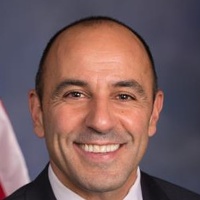
Jimmy Panetta
Representative
CA
Jimmy Panetta
Representative
CA
The LOOTER Act of 2025 establishes new federal crimes specifically targeting theft committed during officially declared natural disaster emergencies. This legislation makes both petty and grand larceny committed within affected counties during these emergency periods federal offenses. The Act imposes penalties ranging from fines and up to one year in prison for petty larceny, to fines and up to five years in prison for grand larceny.
This bill reauthorizes and expands federal funding for advanced nursing education, strengthens nursing school capacity with modern training tools and partnerships, and updates appropriations through fiscal year 2030.
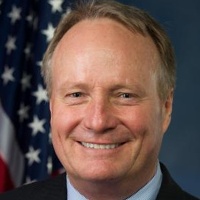
David Joyce
Representative
OH
David Joyce
Representative
OH
The Title VIII Nursing Workforce Reauthorization Act of 2025 aims to strengthen the nursing workforce by expanding federal grant support for advanced nursing education programs, including nurse practitioners and nurse-midwives. The bill updates funding rules to cover more training costs and allows nursing schools to invest in modern educational tools like simulation and telehealth technology. Furthermore, it authorizes increased appropriations through fiscal year 2030 to support these critical educational and practice expansion efforts.
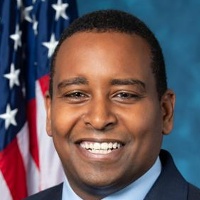
This Act establishes a two-year pilot program, managed by the VA and other agencies, to hire veterans for federal wildland firefighting positions.
Joe Neguse
Representative
CO
Joe Neguse
Representative
CO
The Veteran Wildland Firefighter Employment Act of 2025 establishes a pilot program to hire veterans for federal wildland firefighting positions through a joint effort led by the VA, Agriculture, and Interior Departments. This program aims to utilize veteran skills in fire management and support roles while providing clear transition guidelines for service members. The pilot will run for two years, with required reports submitted to Congress detailing its implementation and success in reducing veteran unemployment.
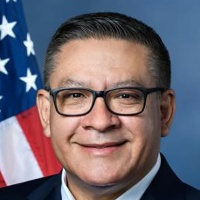
The Protect Patriot Parents Act creates a special immigration pathway and waives certain inadmissibility bars for parents of U.S. citizens who have served in the military.
Salud Carbajal
Representative
CA
Salud Carbajal
Representative
CA
The Protect Patriot Parents Act creates a special immigration pathway for parents of U.S. citizens who have served in the Armed Forces. This bill adjusts status requirements and waives certain inadmissibility grounds for these military parents seeking to adjust their status or immigrate. It also establishes procedures for previously removed parents to apply for visas and potentially enter the U.S. temporarily to reunite with their citizen children.
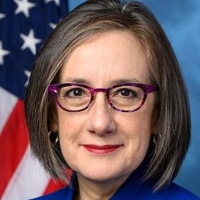
This resolution expresses strong support for designating May 2025 as Mental Health Awareness Month to highlight the national mental health crisis and encourage greater action and access to care.
Andrea Salinas
Representative
OR
Andrea Salinas
Representative
OR
This resolution expresses strong support for designating May 2025 as Mental Health Awareness Month to combat a growing national crisis. It highlights alarming statistics regarding rising mental illness rates, significant barriers to accessing care, and disproportionate impacts on youth and marginalized communities. Ultimately, the bill declares mental health a national priority and encourages increased public awareness and support for mental health services.
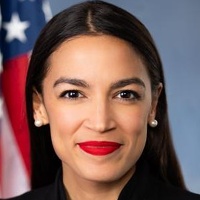
The DEFIANCE Act of 2025 establishes a federal civil right of action against the creation, possession with intent to share, or sharing of nonconsensual sexually explicit digital forgeries, or "deepfakes."
Alexandria Ocasio-Cortez
Representative
NY
Alexandria Ocasio-Cortez
Representative
NY
The DEFIANCE Act of 2025 establishes a federal civil cause of action against the creation, possession with intent to share, or sharing of nonconsensual intimate digital forgeries, often known as deepfakes. This legislation updates existing law to specifically address image-based sexual abuse created through AI or digital manipulation, regardless of whether the image is labeled as fake. Victims can sue for significant statutory damages, attorney's fees, and injunctive relief to stop the spread of the harmful content. The Act ensures that this new federal standard does not preempt or limit stronger existing State or Tribal laws.
The Flight Education Access Act increases federal student loan limits for students in accredited, FAA Part 141 flight training programs while imposing new disclosure requirements and program completion tracking.
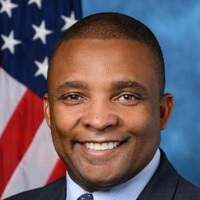
Donald Davis
Representative
NC
Donald Davis
Representative
NC
The Flight Education Access Act increases federal student loan limits specifically for students enrolled in eligible undergraduate flight training programs that meet FAA Part 141 requirements. This legislation also mandates new disclosure requirements for schools regarding loan terms and establishes performance tracking for these programs. Finally, the Act directs the GAO to report on the implementation and impact of these changes within two years.
This bill revises federal anti-discrimination laws, including those covering age, race, sex, and disability, by establishing a "motivating factor" standard of proof that makes it easier for plaintiffs to prove discrimination.
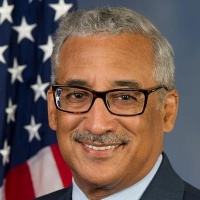
Robert Scott
Representative
VA
Robert Scott
Representative
VA
The Protecting Older Workers Against Discrimination Act of 2025 significantly lowers the standard of proof required for employment discrimination claims under major federal laws like the ADEA, Title VII, and the ADA. It establishes that an illegal factor only needs to be a "motivating factor" in an employer's decision, rather than the sole cause. While this makes it easier to prove discrimination, remedies like damages are limited if the employer can prove they would have made the same decision regardless. These new standards apply immediately to all pending claims upon enactment.
This Act removes the statute of limitations for surviving spouses of service members who died in the line of duty on or after September 11, 2001, to file specific survivor benefit claims against the U.S. Government.
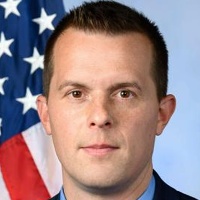
Jared Golden
Representative
ME
Jared Golden
Representative
ME
The Supporting Our Surviving Spouses Act removes the statute of limitations for certain survivor benefit claims filed by the spouses of armed forces members who died in the line of duty on or after September 11, 2001. This change allows eligible survivors to file these specific claims at any time after the law is enacted. The bill ensures that no deadline prevents these survivors from seeking entitled benefits.
The Protect Patriot Spouses Act simplifies the process for spouses of active duty or honorably discharged U.S. service members to adjust their immigration status within the U.S. by waiving certain inadmissibility grounds.
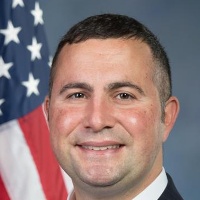
Darren Soto
Representative
FL
Darren Soto
Representative
FL
The Protect Patriot Spouses Act simplifies the immigration process for spouses of current or honorably discharged U.S. service members. This bill allows eligible military spouses to adjust their status to permanent resident within the U.S. by waiving certain inadmissibility grounds. Furthermore, it grants the Secretary of Homeland Security discretionary power to waive other immigration violations for these spouses. The Act also ensures that previously removed spouses can apply for benefits under these new provisions from overseas.
This bill requires the Treasury Secretary to designate certain foreign entities engaged in fraud against U.S. persons as "Foreign Financial Threat Organizations" and subject them to asset freezes and penalties similar to those imposed on terrorist organizations.
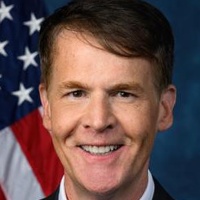
Jefferson Shreve
Representative
IN
Jefferson Shreve
Representative
IN
This bill establishes a new category, "Foreign Financial Threat Organizations," allowing the Treasury Secretary to designate foreign entities engaged in fraud against U.S. persons. Once designated, these organizations face immediate asset freezes and penalties equivalent to those imposed on global terrorist organizations. The legislation also mandates reporting on enforcement actions and the return of funds to victims.
This Act establishes a grant program for installing suicide deterrents on public structures and clarifies funding eligibility for bridge safety barriers.
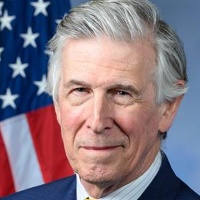
Donald Beyer
Representative
VA
Donald Beyer
Representative
VA
The Barriers to Suicide Act of 2025 establishes a new grant program through the Department of Transportation to fund the installation of suicide deterrents like nets and barriers at high-risk locations such as bridges and rail stations. The bill also amends existing law to explicitly allow National Highway System funds to be used for these safety barriers on bridges. Finally, it mandates a study on the effectiveness of suicide prevention measures for structures other than bridges.
This Act mandates that the VA inform veterans filing initial claims about free representation options and improve the online search tool for accredited representatives.
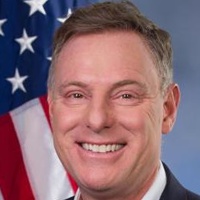
Scott Peters
Representative
CA
Scott Peters
Representative
CA
The Veterans Claims Education Act of 2025 aims to better inform veterans about their right to free representation from recognized Veterans Service Organizations (VSOs) when filing initial VA claims. It mandates that the VA maintain and regularly update an accessible online tool for finding accredited representatives. Furthermore, the bill extends the expiration date for certain limitations on veteran pension payments.
This bill amends Medicare to require standardized cognitive impairment detection during the annual wellness visit and the initial preventive physical examination starting in 2026.
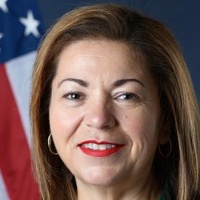
Linda Sánchez
Representative
CA
Linda Sánchez
Representative
CA
This bill amends Medicare to require cognitive impairment screening during the Annual Wellness Visit and the Initial Preventive Physical Examination. It mandates the use of specific, approved screening tools to detect potential issues like Alzheimer's disease early. The goal is to ensure timely diagnosis, allowing patients and caregivers to access necessary planning and support services sooner.
This bill mandates comprehensive federal data collection and reporting on attacks, aggression, and mental wellness to improve law enforcement officer safety and support.
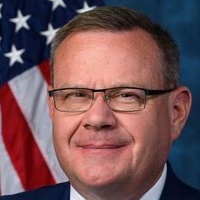
Tim Moore
Representative
NC
Tim Moore
Representative
NC
This bill mandates comprehensive federal reporting to better understand and address violence, aggression, and wellness challenges facing law enforcement officers. It requires the Attorney General to produce detailed reports analyzing attacks on officers, potential new data collection methods for non-criminal aggressive incidents, and the state of officer mental health resources. The goal is to use this improved data to recommend better federal, state, and local responses and support systems for officers.
This resolution honors law enforcement officers killed in the line of duty, specifically recognizing those who died in 2024, and expresses support for active officers and their need for proper resources.
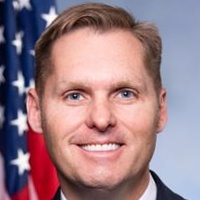
Michael Guest
Representative
MS
Michael Guest
Representative
MS
This resolution formally honors law enforcement officers killed in the line of duty, specifically recognizing the 345 officers whose service ended in 2024. It reaffirms support for all active officers and emphasizes the need to ensure they have the proper resources and training to perform their duties safely. The bill serves as a formal expression of gratitude and remembrance for their ultimate sacrifice.
The AGRITOURISM Act establishes a new Office of Agritourism within the USDA to promote and support farm-based tourism for rural economic growth.
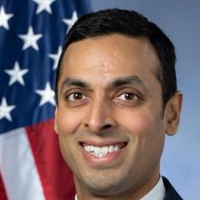
Suhas Subramanyam
Representative
VA
Suhas Subramanyam
Representative
VA
The AGRITOURISM Act establishes a new Office of Agritourism within the Department of Agriculture, led by a dedicated Director. This office is tasked with promoting and supporting farm-based tourism activities across the nation. The goal is to boost rural economies by helping agricultural businesses diversify through educational, recreational, and direct-sale opportunities.
This Act establishes a new federal grant program to provide operating support for high-quality public transit that prioritizes service improvements in underserved communities, while also increasing the federal share for rural transit operating costs.
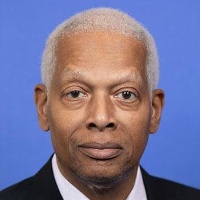
Henry Johnson
Representative
GA
Henry Johnson
Representative
GA
The Stronger Communities through Better Transit Act establishes a new federal grant program to provide operating support for high-quality public transit services. This funding is specifically targeted to improve mobility and environmental outcomes, with a requirement that the majority of funds benefit underserved communities or areas of persistent poverty. The Act also increases the federal share for rural transit operating assistance up to 80%.