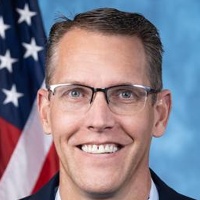
Legislative Activity
Track Randy's sponsored bills, co-sponsored legislation, and voting record
The American Victims of Terrorism Compensation Act amends the Justice for United States Victims of State Sponsored Terrorism Act to increase funding for victims of state-sponsored terrorism by redirecting forfeited assets and requiring annual payments to eligible claimants.
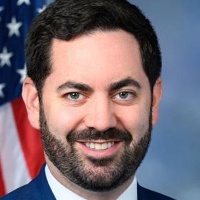
Michael Lawler
Representative
NY
Michael Lawler
Representative
NY
The American Victims of Terrorism Compensation Act amends the Justice for United States Victims of State Sponsored Terrorism Act to increase funding for victims of state-sponsored terrorism by redirecting forfeited assets and penalties into the United States Victims of State Sponsored Terrorism Fund. It mandates specific deposit timelines for forfeited funds, requires annual pro rata payments to eligible claimants beginning in 2026, and enhances transparency through detailed annual reports on fund activity. The Act also allows for the use of Department of Justice personnel to aid in the administration of the fund and ensures a supplemental payment to those already approved for fifth-round payments.
This bill authorizes the creation of a Congressional Gold Medal to honor the volunteers and communities involved with the North Platte Canteen during World War II.
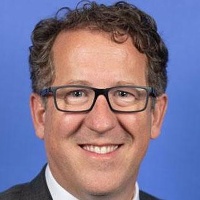
Adrian Smith
Representative
NE
Adrian Smith
Representative
NE
The North Platte Canteen Congressional Gold Medal Act recognizes and honors the volunteers and donors of the North Platte Canteen in Nebraska during World War II with a Congressional Gold Medal. This medal will be presented by the Speaker of the House and the President pro tempore of the Senate, and then displayed at the Lincoln County Historical Museum. The Act also authorizes the creation and sale of bronze duplicates of the gold medal to cover production costs, with proceeds deposited into the Mint's Public Enterprise Fund.
This House resolution clarifies that UN Resolution 2758 only addressed UN representation and does not validate the PRC's "One China Principle" regarding Taiwan's status, while supporting Taiwan's international participation.
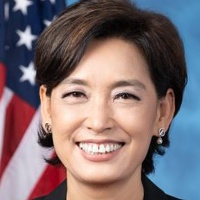
Young Kim
Representative
CA
Young Kim
Representative
CA
This resolution clarifies that United Nations General Assembly Resolution 2758 only addressed seating arrangements and does not validate the People's Republic of China's "One China Principle" regarding Taiwan's status. It asserts that the U.S. "One China Policy" is distinct from Beijing's claims and does not endorse PRC sovereignty over Taiwan. The bill strongly opposes PRC efforts to use the resolution to exclude Taiwan from international organizations and supports Taiwan's meaningful participation globally.
This bill expands Post-9/11 GI Bill eligibility to National Guard members performing specific full-time duties.
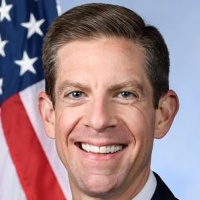
Mike Levin
Representative
CA
Mike Levin
Representative
CA
The Guard and Reserve GI Bill Parity Act of 2025 expands Post-9/11 GI Bill eligibility to National Guard members performing specific full-time duties. This expansion applies to service performed on or after September 11, 2001. The changes will take effect one year after the enactment of this Act, with the time limitation for using educational assistance applied as if enacted immediately after the Post-9/11 Veterans Educational Assistance Act of 2008.
This bill expands and codifies the Department of Agriculture's Rural Health Care Facility Technical Assistance Program to improve the financial stability and healthcare delivery in rural facilities.
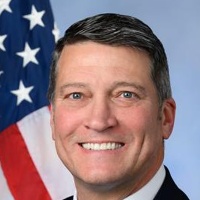
Ronny Jackson
Representative
TX
Ronny Jackson
Representative
TX
The Rural Health Care Facility Technical Assistance Program Act expands and codifies a Department of Agriculture program to provide technical assistance and training to rural health care facilities. This program aims to improve financial stability, prevent closures, and strengthen health care delivery in rural areas. The Act authorizes up to $2,000,000 annually from 2026-2030 for these activities and requires annual reports to Congress. It prioritizes outreach to facilities at risk and those serving underserved populations.
The bill modifies and extends funding for the World Trade Center Health Program, expands the types of healthcare providers who can certify mental health conditions, and requires a report to Congress on the program's budget.
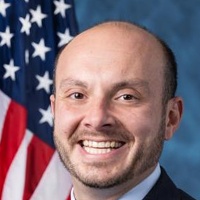
Andrew Garbarino
Representative
NY
Andrew Garbarino
Representative
NY
The 9/11 Responder and Survivor Health Funding Correction Act of 2025 amends the Public Health Service Act to improve the World Trade Center (WTC) Health Program by expanding the types of healthcare providers who can conduct mental health evaluations, modifying provider credentialing, clarifying enrollment calculations, and extending the time frame for adding health conditions for WTC responders. The act adjusts the funding formula for fiscal years 2026 through 2090 and requires the Secretary of Health and Human Services to report to Congress on the program's budget, including projected needs through 2090 and recommendations for changes to the funding formula. It also stipulates that remaining funds in the Supplemental Fund, Special Fund, and Pentagon-Shanksville Fund will revert to the Treasury.
The "ELITE Vehicles Act" repeals tax credits for clean vehicles, previously-owned clean vehicles, and qualified commercial clean vehicles, and removes electric vehicle charging stations from eligibility for the alternative fuel vehicle refueling property credit.
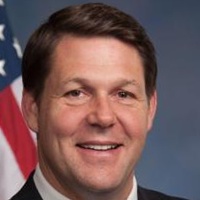
Jodey Arrington
Representative
TX
Jodey Arrington
Representative
TX
The "Eliminate Lavish Incentives To Electric Vehicles Act" repeals tax credits for new and used clean vehicles, as well as for qualified commercial clean vehicles. It also removes electric vehicle charging stations from eligibility for the alternative fuel vehicle refueling property credit. These changes would take effect 30 days after the enactment of the Act.
The "CURD Act" formally defines "natural cheese" to help consumers distinguish it from processed cheese, ensuring consistent labeling and preventing misuse of the term.
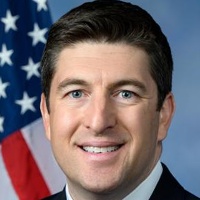
Bryan Steil
Representative
WI
Bryan Steil
Representative
WI
The "Codifying Useful Regulatory Definitions Act" defines "natural cheese" to differentiate it from processed cheese products, setting standards for its composition, ingredients, and labeling. It ensures that only products meeting the defined criteria can be labeled as "natural cheese," while allowing "natural" or "all-natural" claims consistent with existing regulations. This act aims to provide clarity for consumers and consistency in labeling requirements across the country.
This bill amends the Animal Health Protection Act to compensate poultry farmers for income lost when their flocks are prohibited from growing or laying due to disease control areas.
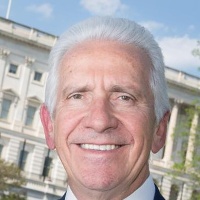
Jim Costa
Representative
CA
Jim Costa
Representative
CA
The "Healthy Poultry Assistance and Indemnification Act of 2025" amends the Animal Health Protection Act to provide compensation to poultry growers and layers who are prohibited from raising flocks due to being located in a control area designated by the Animal and Plant Health Inspection Service. Compensation will be based on the facility's average income from its five most recent flocks, and must be paid within 60 days of a request. The Secretary of Agriculture's decision on compensation is final and not subject to judicial review. This compensation aims to offset losses incurred during the control period, ensuring financial stability for affected poultry farmers.
The Agent Raul Gonzalez Officer Safety Act establishes federal criminal penalties and immigration consequences for individuals who use a motor vehicle to evade law enforcement near the U.S. border.
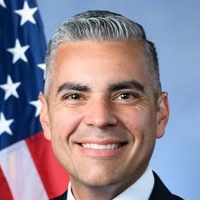
Juan Ciscomani
Representative
AZ
Juan Ciscomani
Representative
AZ
The Agent Raul Gonzalez Officer Safety Act establishes a new federal criminal offense for using a motor vehicle to evade law enforcement near the U.S. border, with penalties increasing significantly if the act results in injury or death. Additionally, the bill mandates that non-citizens convicted of this offense are inadmissible to the U.S., subject to deportation, and ineligible for immigration relief such as asylum. The legislation also requires the Attorney General to submit annual reports to Congress detailing enforcement data and prosecution outcomes.
This resolution designates February 15–22, 2025, as "National FFA Week" to celebrate the organization's impact on agricultural education and its historic milestones.
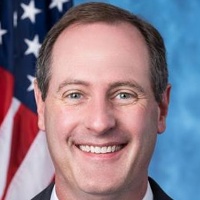
Tracey Mann
Representative
KS
Tracey Mann
Representative
KS
This resolution designates February 15–22, 2025, as "National FFA Week" to honor the National FFA Organization’s vital role in cultivating the next generation of agricultural leaders. It celebrates the organization’s commitment to personal growth and career readiness while commemorating the 90th anniversary of the New Farmers of America and the 75th anniversary of the FFA’s federal charter.
The AIMM Act permanently extends the allowance for depreciation, amortization, or depletion when calculating the limitation on business interest, starting after December 31, 2021.
Adrian Smith
Representative
NE
Adrian Smith
Representative
NE
The AIMM Act permanently extends a tax provision related to how businesses calculate their interest expense deductions. This extension allows businesses to include depreciation, amortization, and depletion when determining the limitation on business interest expenses. This change applies to taxable years beginning after December 31, 2021. Formally, the bill is called the American Investment in Manufacturing and Main Street Act.
This resolution expresses Congressional opposition to imposing new performance fees or royalties on local radio stations and businesses for broadcasting or playing music.
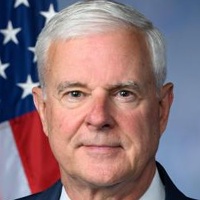
Steve Womack
Representative
AR
Steve Womack
Representative
AR
The Local Radio Freedom Act expresses Congressional opposition to imposing new performance fees, taxes, or royalties on local radio stations and businesses for playing music. It argues that the current system of free airplay provides essential promotional value to artists and that new fees would threaten the financial viability of local broadcasters and the vital community services they provide.
The "National Right-to-Work Act" prohibits mandatory union membership as a condition of employment, protecting employees' rights to choose whether or not to join or support a labor union.
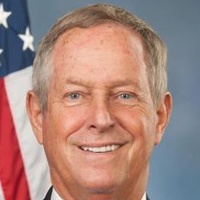
Joe Wilson
Representative
SC
Joe Wilson
Representative
SC
The "National Right-to-Work Act" amends both the National Labor Relations Act and the Railway Labor Act to protect an employee's right to choose whether or not to join or support a labor union. It eliminates the possibility of mandatory union membership or dues payments as a condition of employment, ensuring that employees cannot be forced to join or support a union against their will.
The United States-Israel Defense Partnership Act of 2025 bolsters defense cooperation between the U.S. and Israel through joint programs, funding increases, and extended authorities related to countering unmanned systems, anti-tunnel technology, emerging technologies, and war reserve stockpiles, while also exploring Israel's inclusion in the national technology and industrial base and assessing integrated air and missile defense in the CENTCOM region.
Joe Wilson
Representative
SC
Joe Wilson
Representative
SC
The United States-Israel Defense Partnership Act of 2025 seeks to bolster the defense relationship between the United States and Israel through joint initiatives and increased cooperation. It establishes programs to counter unmanned systems, extend anti-tunnel and counter-UAS cooperation, and promote collaboration in emerging technologies like AI and cybersecurity. The act also mandates the establishment of a Defense Innovation Unit office in Israel and assesses integrated air and missile defense in the U.S. Central Command region. Finally, it explores Israel's potential inclusion in the national technology and industrial base.
The "Disaster Survivors Fairness Act of 2025" aims to improve FEMA's disaster assistance by streamlining application processes, expanding eligibility for housing assistance, increasing financial support, and addressing the unique challenges faced by renters and low-income individuals.
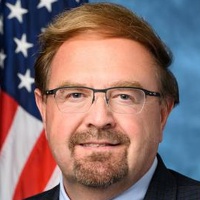
Charles (Chuck) Edwards
Representative
NC
Charles (Chuck) Edwards
Representative
NC
The Disaster Survivors Fairness Act of 2025 aims to improve FEMA's disaster assistance programs by streamlining the application process through a unified system and universal application, expanding eligibility for housing assistance, and allowing direct assistance for home repairs. The act also focuses on better support for renters, hazard mitigation, and state-managed housing programs, while increasing transparency through online dashboards and required reports. Additionally, the bill addresses management costs, funding for online post-disaster guides, and sheltering for emergency response personnel. Finally, the bill requires the Comptroller General to conduct studies on improper disaster assistance, damage assessment procedures, and challenges faced by states and territories in securing assistance.
This Act allows schools participating in the National School Lunch Program to offer organic or non-organic whole milk alongside other options, while clarifying saturated fat accounting and restricting milk sourcing from China state-owned enterprises.
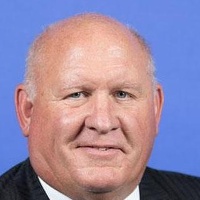
Glenn Thompson
Representative
PA
Glenn Thompson
Representative
PA
The Whole Milk for Healthy Kids Act of 2025 expands milk options available to students in the National School Lunch Program by allowing schools to offer organic or non-organic whole milk. This legislation provides greater flexibility for schools in providing fluid milk choices while maintaining accommodations for students with special dietary needs. Importantly, the saturated fat content of these offered milk options will not count toward the meal's overall saturated fat limits.
The Freight RAILCAR Act of 2025 incentivizes freight railcar modernization by establishing a tax credit for qualified newly built replacement railcars and qualified railcar modernization expenditures.
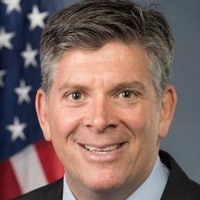
Darin LaHood
Representative
IL
Darin LaHood
Representative
IL
The "Freight RAILCAR Act of 2025" introduces a tax credit for modernizing freight railcars, encouraging investments in newer, more efficient railcars. Taxpayers can claim a credit equal to 10% of their freight railcar fleet modernization expenses, with a limit of 1,000 qualified freight railcars per year. The credit applies to railcars that increase capacity, improve fuel efficiency, or meet updated performance standards, and is available for three years after the Act's enactment. The Secretary of the Treasury is required to submit a report to Congress detailing the credit's usage and impact on railcar modernization and scrapping.
The "Freedom to Invest in Tomorrow's Workforce Act" expands the use of 529 savings accounts to cover expenses related to postsecondary credentialing programs, including tuition, fees, books, supplies, equipment, and testing fees.
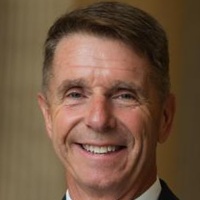
Robert Wittman
Representative
VA
Robert Wittman
Representative
VA
The "Freedom to Invest in Tomorrow's Workforce Act" amends Section 529 savings accounts to include expenses related to postsecondary credentialing programs. This allows 529 funds to cover costs like tuition, fees, books, supplies, and testing fees for recognized programs and credentials, as defined by the bill. These changes would apply to distributions made after the bill is enacted.
Exempts family farms and small businesses from asset considerations in need analysis for federal student aid.
Tracey Mann
Representative
KS
Tracey Mann
Representative
KS
The "Family Farm and Small Business Exemption Act" amends the Higher Education Act of 1965 to exclude the net value of a family farm (on which the family resides) or a small business (with no more than 100 employees and owned/controlled by the family) from consideration as an asset when determining financial need for federal student aid. This change aims to make higher education more accessible for students from family farm and small business backgrounds.