Legislative Activity
Track Randy's sponsored bills, co-sponsored legislation, and voting record
This act allows State homes caring for veterans to choose between direct reimbursement or direct furnishing of high-cost medications.
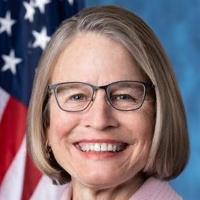
Mariannette Miller-Meeks
Representative
IA
Mariannette Miller-Meeks
Representative
IA
The Providing Veterans Essential Medications Act allows State homes caring for veterans to choose how they receive reimbursement for very high-cost medications. State homes can opt to be reimbursed directly for the medication's cost or have the Secretary of the VA furnish the drug directly. This provision applies only when the cost of a specific medication exceeds a defined threshold relative to the standard monthly payment for that veteran's care.
This bill supports the stepped-up basis, which helps family farms and small businesses pass on their operations to the next generation without facing higher taxes.
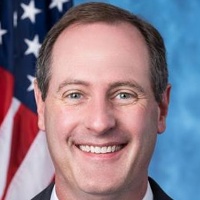
Tracey Mann
Representative
KS
Tracey Mann
Representative
KS
This bill expresses the House of Representatives' support for maintaining the stepped-up basis under section 1014 of the Internal Revenue Code, which allows inherited assets to be adjusted to their current market value, protecting family-owned farms and small businesses from increased taxes. It opposes any changes to the tax code that would negatively impact the ability of these businesses to pass their operations on to the next generation. The bill recognizes the importance of generational transfers for the continuation of family farms, ranches, agribusinesses, and small businesses.
This Act updates the definition of fossil fuel under the Clean Air Act to specifically include fuel used by ocean-going vessels, paving the way for new renewable fuel standards for the shipping industry.
Mariannette Miller-Meeks
Representative
IA
Mariannette Miller-Meeks
Representative
IA
This Act updates the definition of "fossil fuel" under the Clean Air Act to specifically include fuel used by ocean-going vessels. This change allows the EPA to incorporate maritime fuel into renewable fuel standards moving forward. The EPA is required to finalize the necessary regulations within one year of the bill's enactment.
The Future FARMER Act reauthorizes $40 million annually in grants and fellowships for food and agricultural science education programs through 2029.
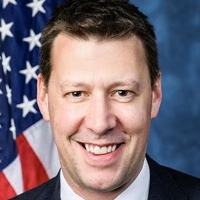
Josh Riley
Representative
NY
Josh Riley
Representative
NY
The Future FARMER Act reauthorizes funding for grants and fellowships in food and agricultural sciences education. It allocates $40 million annually from 2025 through 2029 to support these educational programs.
This act allows U.S. citizens to sue local governments defined as "sanctuary jurisdictions" for crimes committed by undocumented aliens due to failures in immigration enforcement.
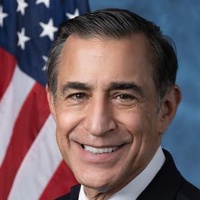
Darrell Issa
Representative
CA
Darrell Issa
Representative
CA
The Sanctuary City Accountability Act establishes a new private right of action allowing U.S. citizens to sue local governments defined as "sanctuary jurisdictions" for crimes committed against them by undocumented aliens. This allows citizens to seek injunctive relief or compensatory damages in federal court if local policies obstruct federal immigration enforcement. A local government is protected from these lawsuits if its actions are mandated by state law.
The CLEAR Act of 2025 aims to enhance state and local law enforcement's role in federal immigration enforcement by providing them with more authority, resources, training, and federal support for detaining and transferring undocumented immigrants.
Darrell Issa
Representative
CA
Darrell Issa
Representative
CA
The CLEAR Act of 2025 aims to enhance immigration law enforcement by empowering state and local law enforcement to assist in the investigation, apprehension, and detention of undocumented immigrants. It encourages cooperation through financial incentives, mandates information sharing between state/local agencies and federal authorities, and expands detention facilities. The Act also provides training and immunity to state and local officers and continues the Institutional Removal Program to remove criminal immigrants from prisons. Additionally, it ensures that states are reimbursed for costs associated with detaining and transporting undocumented immigrants.
This bill reinstates the pre-American Rescue Plan Act threshold for third-party payment networks to report gig economy earnings to the IRS, requiring both over $20,000 in payments and over 200 transactions.
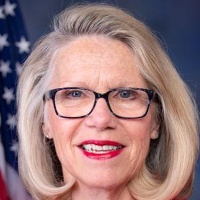
Carol Miller
Representative
WV
Carol Miller
Representative
WV
The Saving Gig Economy Taxpayers Act seeks to reinstate the previous, higher reporting thresholds for third-party payment processors issuing Form 1099-K. This means payment networks will only be required to report earnings to the IRS if a user exceeds both a \$20,000 total payment amount and 200 separate transactions in a calendar year. Furthermore, the bill applies this "de minimis" standard to backup withholding rules for these network payments starting in 2025.
This Act excludes certain federal grants received for deploying broadband infrastructure from gross income for federal tax purposes.
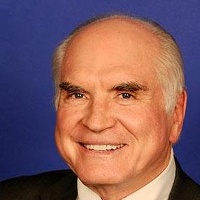
Mike Kelly
Representative
PA
Mike Kelly
Representative
PA
The Broadband Grant Tax Treatment Act excludes certain federal grants received for deploying broadband infrastructure from gross income, making those funds tax-free. This exclusion prevents taxpayers from claiming a deduction or credit for expenses covered by these grants. The bill ensures that the basis of property purchased with these tax-free funds is appropriately adjusted. This provision applies to grants received in taxable years ending after March 11, 2023.
The "Flooding Prevention, Assessment, and Restoration Act" enhances watershed protection, mandates a national agricultural flood vulnerability study, and increases federal cost share for rehabilitation projects.
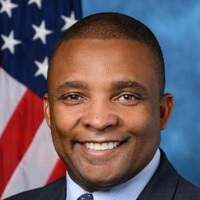
Donald Davis
Representative
NC
Donald Davis
Representative
NC
The "Flooding Prevention, Assessment, and Restoration Act" enhances watershed protection measures, mandates a national study on agricultural flood vulnerability, and increases federal cost share to 90% for rehabilitation projects, improving long-term watershed health and reducing flood risks to agriculture.
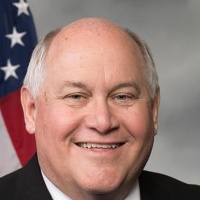
This resolution expresses formal condolences to the families and loved ones of the 67 victims of the January 2025 collision between American Eagle Flight 5342 and a U.S. Army flight, while honoring the victims and commending the first responders.
Ron Estes
Representative
KS
Ron Estes
Representative
KS
This resolution expresses the House of Representatives' deepest condolences to the families and loved ones of the 67 individuals who lost their lives in the January 29, 2025, collision of American Eagle Flight 5342 and a U.S. Army flight. It honors the victims, many of whom had strong ties to Wichita, Kansas, and commends the heroic efforts of the first responders and emergency personnel who managed the recovery.
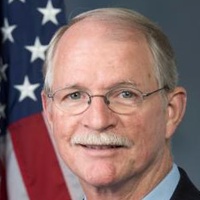
The "Federal Firearms Licensee Protection Act of 2025" increases penalties for stealing firearms from licensed dealers, manufacturers, or importers, especially during burglaries or robberies, and clarifies related definitions.
John Rutherford
Representative
FL
John Rutherford
Representative
FL
The "Federal Firearms Licensee Protection Act of 2025" increases penalties for stealing firearms from licensed dealers. It sets stricter punishments, including up to 20 years in prison, for violating laws related to firearm theft. The act also mandates minimum prison sentences of 3 years for burglaries and 5 years for robberies targeting licensed firearm businesses.
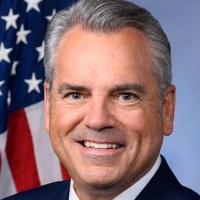
The APLUS Act loosens restrictions on market agencies' financial ties to smaller meatpacking companies, provided they disclose these ties to livestock sellers, while maintaining the Secretary's authority to enforce fair practices.
Mark Alford
Representative
MO
Mark Alford
Representative
MO
The APLUS Act directs the Secretary of Agriculture to update regulations, permitting market agencies to have financial interests in smaller meatpacking companies, defined by specific slaughter capacities. These market agencies must disclose these financial ties to livestock sellers. The Act does not reduce the Secretary's authority to enforce rules protecting producers, competition, and market integrity under existing law.
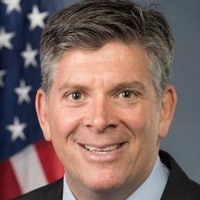
The "Rebuild America’s Health Care Schools Act of 2025" expands Medicare coverage to include all direct and indirect costs hospitals incur for nursing and allied health education programs, ensuring better funding and preventing recoupment of previously covered costs.
Darin LaHood
Representative
IL
Darin LaHood
Representative
IL
The "Rebuild America’s Health Care Schools Act of 2025" updates how Medicare reimburses hospitals for the costs of running nursing and allied health education programs. It broadens the definition of "reasonable costs" to include both direct and indirect expenses, regardless of whether they are incurred directly by the hospital or through related entities. The Act also requires the Secretary of Health and Human Services to issue rules implementing these changes and to refund hospitals for past cost reductions that would now be allowable. This aims to provide greater financial support for these crucial healthcare education programs.
This bill allows the National Guard Bureau to accept funds from states as reimbursement for the use of military property by National Guard units operating under state active duty, and directs how the Department of Defense can use these funds.
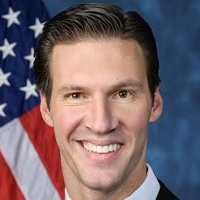
Pat Harrigan
Representative
NC
Pat Harrigan
Representative
NC
The Guarding Readiness Resources Act allows the National Guard Bureau to accept funds from states and territories as reimbursement for the use of military property. These funds will be used by the Department of Defense for the repair, maintenance, and replacement of assets used by National Guard units on state active duty.
The "Farm to Fly Act of 2025" aims to boost sustainable aviation fuel production and usage by including it in USDA bioenergy programs, supporting farmers, and promoting rural economic development.

Max Miller
Representative
OH
Max Miller
Representative
OH
The "Farm to Fly Act of 2025" aims to boost the production and use of sustainable aviation fuels by including them in Department of Agriculture bio-energy programs. It amends existing definitions to recognize sustainable aviation fuel and directs the Secretary of Agriculture to promote its development through collaborative initiatives and manufacturing assistance. This act supports U.S. agriculture, enhances energy security, and promotes clean energy in the aviation sector by utilizing sustainable biomass resources.
This resolution condemns the Iranian regime’s terrorism and human rights abuses while affirming support for the Iranian people’s right to establish a democratic, secular, and non-nuclear republic.
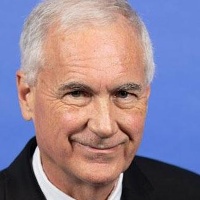
Tom McClintock
Representative
CA
Tom McClintock
Representative
CA
This resolution condemns the Iranian regime for its ongoing human rights abuses, state-sponsored terrorism, and regional instability. It expresses strong support for the Iranian people's struggle for a democratic, secular, and non-nuclear republic. Furthermore, the bill advocates for international accountability for the regime's crimes and calls for the protection of Iranian political refugees.
To award a Congressional Gold Medal to the 761st Tank Battalion, the first Black soldiers to serve in an American armored unit, for their valor and crucial contributions to the Allied victory in Europe.
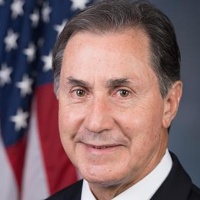
Gary Palmer
Representative
AL
Gary Palmer
Representative
AL
This bill authorizes the Speaker of the House and the President pro tempore of the Senate to award a Congressional Gold Medal to the 761st Tank Battalion, also known as the "Black Panthers," in recognition of their courageous service and crucial contributions during World War II. The medal will be given to the National Museum of African American History and Culture for display, honoring the 761st as the first Black soldiers to serve in an American armored unit and their significant role in the Allied victory in Europe. The bill also allows for the creation and sale of bronze duplicates of the medal to support the United States Mint Public Enterprise Fund.
The "Protect and Serve Act of 2025" establishes federal penalties for intentionally causing serious harm or death to law enforcement officers because of their position, under certain circumstances, and requires Attorney General certification for federal prosecution in many cases.
John Rutherford
Representative
FL
John Rutherford
Representative
FL
The "Protect and Serve Act of 2025" creates federal offenses for intentionally causing serious injury or death to law enforcement officers because of their status as officers. It sets penalties including imprisonment and fines, with increased penalties if death results or if kidnapping or attempted killing is involved. Federal prosecution requires certification from the Attorney General, based on a request from the state or if it is in the public interest to ensure substantial justice. The act defines "law enforcement officer" and "State" for the purposes of the new offenses.
The America Works Act of 2025 amends the Food and Nutrition Act of 2008 to modify exemptions from work requirements for SNAP benefits and allows waivers in high-unemployment areas.
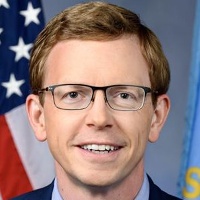
Dusty Johnson
Representative
SD
Dusty Johnson
Representative
SD
The America Works Act of 2025 amends the Food and Nutrition Act of 2008 to provide exemptions from work requirements for specific individuals, including those under 18 or over 65, medically unfit individuals, and parents of young children. It also allows the Secretary to waive certain requirements in counties with high unemployment rates, based on state agency requests. Additionally, the act removes a subsection from the Fiscal Responsibility Act of 2023.
The "Protecting Life from Chemical Abortions Act" restricts the Department of Health and Human Services (including the FDA) from reducing Risk Evaluation and Mitigation Strategy (REMS) protections for abortion drugs and mandates the collection of standardized abortion data.
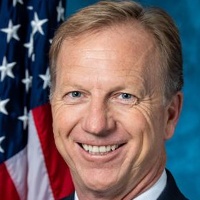
Kevin Hern
Representative
OK
Kevin Hern
Representative
OK
The "Protecting Life from Chemical Abortions Act" restricts the Department of Health and Human Services and the FDA, requiring them to enforce Risk Evaluation and Mitigation Strategy (REMS) requirements for abortion drugs, reinstate the in-person dispensing requirement, and prohibits reducing REMS protections until standardized abortion data is collected by the CDC from every state. It also defines key terms such as "abortion," "abortion drug," and "unborn child" and prohibits the HHS secretary from declaring a public health emergency with respect to abortion.