Legislative Activity
Track Cleo's sponsored bills, co-sponsored legislation, and voting record
This bill posthumously awards a Congressional Gold Medal to Henrietta Lacks to recognize the monumental contributions of her immortal HeLa cells to science and medicine.
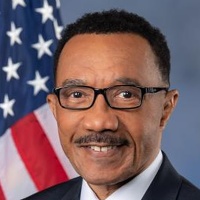
Kweisi Mfume
Representative
MD
Kweisi Mfume
Representative
MD
This bill, the Henrietta Lacks Congressional Gold Medal Act, posthumously awards a Congressional Gold Medal to Henrietta Lacks to recognize her foundational contributions to science and medicine through her immortal HeLa cells. The legislation directs the Secretary of the Treasury to strike the medal, which will ultimately be housed at the Smithsonian Institution. Furthermore, the Act authorizes the creation and sale of bronze duplicates to cover production costs.
This Act amends budget control laws to reinforce Congress's exclusive power of the purse, clarify when funds can be withheld, and establish legal remedies, including private lawsuits, for improper impoundments.
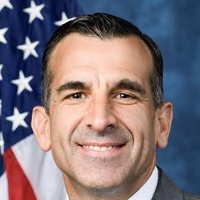
Sam Liccardo
Representative
CA
Sam Liccardo
Representative
CA
The Protecting Our Constitution and Communities Act aims to reassert Congress's exclusive constitutional authority over federal spending by clarifying that the President cannot unilaterally withhold appropriated funds. It strengthens the Comptroller General's oversight role and establishes new legal avenues for private citizens and governments to sue for damages if funds are improperly impounded. Furthermore, the bill tightens the definition of budgetary "contingencies" and ensures that judicial review of these spending disputes remains robust.
This Act establishes a new federal grant program to provide operating support for high-quality public transit that prioritizes service improvements in underserved communities, while also increasing the federal share for rural transit operating costs.

Henry Johnson
Representative
GA
Henry Johnson
Representative
GA
The Stronger Communities through Better Transit Act establishes a new federal grant program to provide operating support for high-quality public transit services. This funding is specifically targeted to improve mobility and environmental outcomes, with a requirement that the majority of funds benefit underserved communities or areas of persistent poverty. The Act also increases the federal share for rural transit operating assistance up to 80%.
This resolution expresses the House's view that President Trump must immediately submit plans to Congress for accepting a jumbo jet gift from Qatar to comply with the Foreign Emoluments Clause.
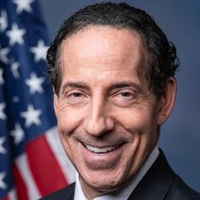
Jamie Raskin
Representative
MD
Jamie Raskin
Representative
MD
This resolution expresses the sense of the House that President Trump must comply with the Foreign Emoluments Clause regarding a reported gift of a jumbo jet from Qatar. It calls on the President to immediately submit all plans for accepting this significant gift to Congress. The bill emphasizes that the Constitution requires Congressional consent before the President can accept valuable items from foreign governments.
The HEADs UP Act of 2025 expands federal health center funding and grants to specifically include and support comprehensive primary and dental care services for individuals with developmental disabilities.
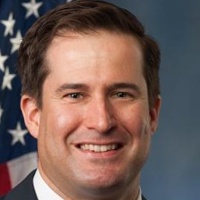
Seth Moulton
Representative
MA
Seth Moulton
Representative
MA
The HEADs UP Act of 2025 aims to expand access to primary and dental healthcare for individuals with developmental disabilities. It revises federal funding criteria to specifically recognize this population as medically underserved, allowing health centers to qualify for enhanced support. The bill authorizes dedicated federal grants for health centers to establish or expand comprehensive services tailored to this community through 2030. This legislation also updates designations for Health Professional Shortage Areas to include these individuals, incentivizing increased staffing.
The SEAT Act of 2025 requires third-party restaurant reservation services to have a written contract with a food service establishment to list or sell its reservations, empowering the FTC to enforce this requirement.
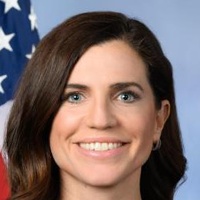
Nancy Mace
Representative
SC
Nancy Mace
Representative
SC
The SEAT Act of 2025 requires third-party restaurant reservation services to have a written contract with an establishment before listing or selling its tables. This new regulation grants the Federal Trade Commission (FTC) authority to enforce compliance as an unfair business practice. Furthermore, the Act voids any contract clauses that force restaurants to cover damages caused by the reservation service's own errors.
The Water Affordability, Transparency, Equity, and Reliability Act of 2025 establishes a dedicated trust fund financed by a corporate tax increase to improve water infrastructure, mandate affordability and equity reporting, and expand job training and assistance for underserved communities.
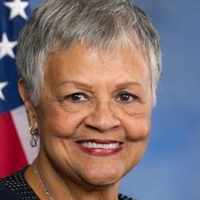
Bonnie Watson Coleman
Representative
NJ
Bonnie Watson Coleman
Representative
NJ
The Water Affordability, Transparency, Equity, and Reliability Act of 2025 establishes a dedicated federal Trust Fund, financed by an increase in the corporate tax rate, to support water infrastructure and affordability programs nationwide. The bill mandates a comprehensive EPA report analyzing water affordability, civil rights compliance, and public participation in water planning. It also significantly increases funding for household water well systems and revises state revolving loan fund rules to expand eligible projects, including lead line replacement and PFAS contamination cleanup. Finally, the Act creates new job training grants for the water sector and enhances drinking water assistance for colonias.
This bill prohibits the reduction, elimination, or suspension of federal funding for land-grant colleges and universities unless specifically authorized by Congress.
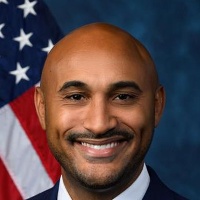
Shomari Figures
Representative
AL
Shomari Figures
Representative
AL
This bill aims to safeguard the financial stability of land-grant colleges and universities. It explicitly prohibits any federal official, including the Secretary of Agriculture, from reducing, eliminating, or suspending their established funding. Funding for these institutions can only be altered through a new act of Congress.
The Truth in Tariffs Act requires businesses, excluding small businesses, to clearly display the portion of a product's price attributable to covered tariffs imposed on or after January 20, 2025.
Jamie Raskin
Representative
MD
Jamie Raskin
Representative
MD
The Truth in Tariffs Act mandates that businesses clearly display the portion of a product's price attributable to "covered tariffs" imposed on or after January 20, 2025. This transparency requirement applies to sales made 30 days after enactment, excluding small business concerns. The Federal Trade Commission (FTC) is tasked with enforcement, treating non-compliance as an unfair or deceptive business practice.
This bill expands the Family and Medical Leave Act (FMLA) to grant eligible employees up to 26 weeks of leave to care for a covered service member or for their own service-related injuries, while also broadening the definition of "family" for military leave purposes.
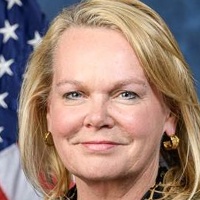
April McClain Delaney
Representative
MD
April McClain Delaney
Representative
MD
The MIL FMLA Act significantly expands existing family and medical leave protections under the FMLA for military families and veterans. It broadens the definition of covered family relationships to include domestic partners and other close relations when caring for a service member. The bill establishes a new entitlement of up to 26 workweeks of leave for caring for a covered service member or for a service member's own serious service-related injury or illness. These changes also apply to federal civilian employees, updating definitions and leave entitlements within Title 5 of the U.S. Code.
This Act mandates that health plans cover medically necessary treatment for congenital anomalies or birth defects affecting the eyes, ears, teeth, mouth, or jaw to restore normal function and appearance.
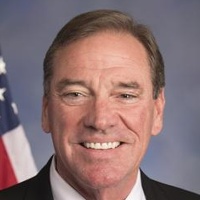
Neal Dunn
Representative
FL
Neal Dunn
Representative
FL
The Ensuring Lasting Smiles Act mandates that group health plans and insurance policies provide comprehensive coverage for medically necessary treatment related to congenital anomalies or birth defects affecting the eyes, ears, teeth, mouth, or jaw. This coverage must include services needed to restore normal function and appearance, including necessary dental and orthodontic support. Plans must apply cost-sharing rules no more restrictive than those for other medical benefits, excluding purely cosmetic procedures.
This resolution officially designates the week of May 5 through May 9, 2025, as Teacher Appreciation Week to honor public school teachers and affirms the need to incorporate their expertise into education policy decisions.
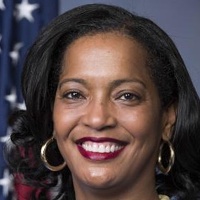
Jahana Hayes
Representative
CT
Jahana Hayes
Representative
CT
This resolution officially designates the week of May 5 through May 9, 2025, as "Teacher Appreciation Week" to honor the dedication of public school teachers nationwide. It recognizes the crucial support teachers offer for key educational policies, including funding for students with disabilities and loan forgiveness programs. Furthermore, the bill affirms that teachers must have a voice in shaping federal, state, and local education policy.
This resolution urges the Secretary of Health and Human Services to withdraw any reduction in public notice and comment opportunities during the rulemaking process.

Lizzie Fletcher
Representative
TX
Lizzie Fletcher
Representative
TX
This House resolution urges the Secretary of Health and Human Services (HHS) to withdraw a recent notice that would reduce opportunities for public comment on new regulations. It affirms the importance of robust public input in the rulemaking process, which directly affects millions of Americans. The resolution calls for HHS to maintain its existing, open procedures for gathering feedback before finalizing any policy changes.
The HEROES Act expands federal student loan forgiveness eligibility to include time served by qualified volunteer firefighters and EMTs.

Dan Goldman
Representative
NY
Dan Goldman
Representative
NY
The Helping Emergency Responders Overcome Student Debt Act (HEROES Act) expands federal student loan forgiveness eligibility to include volunteer firefighters and volunteer EMTs. This legislation allows time spent volunteering with recognized public safety organizations to count toward the service requirements for loan forgiveness. The Secretary of Education is tasked with establishing clear regulations defining the minimum required volunteer hours and the process for verifying service time.
The Shipbuilding and Harbor Infrastructure for Prosperity and Security for America Act of 2025 establishes a centralized maritime authority, creates a dedicated funding trust, strengthens sealift capability, mandates increased use of U.S.-flagged vessels, invests heavily in domestic shipbuilding, and enhances workforce development and tax incentives for the maritime industry.
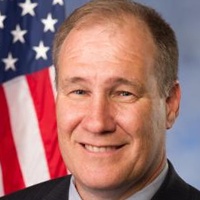
Trent Kelly
Representative
MS
Trent Kelly
Representative
MS
The **Shipbuilding and Harbor Infrastructure for Prosperity and Security for America Act of 2025** is a comprehensive bill designed to revitalize the U.S. maritime industry and secure critical supply chains. It establishes new centralized oversight for maritime policy, creates a dedicated Maritime Security Trust Fund financed by new vessel taxes, and mandates significant federal investment in domestic shipbuilding and workforce development. The legislation also imposes stricter cargo preference rules and tax incentives to ensure U.S.-flagged vessels dominate international commerce and defense sealift operations.
The HAVEN Act lowers tenant rent contributions to 20% of income, prohibits source-of-income discrimination, expands and streamlines the Housing Choice Voucher program, and extends funding authorizations for federal housing assistance.
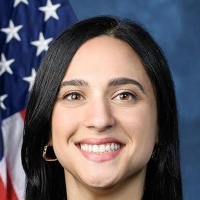
Yassamin Ansari
Representative
AZ
Yassamin Ansari
Representative
AZ
The HAVEN Act aims to significantly improve housing accessibility by lowering tenant rent contributions from 30% to 20% of income across several federal rental assistance programs. It also prohibits discrimination based on lawful source of income and establishes new funding mechanisms, including grants to help voucher holders find housing and a massive expansion of the Housing Choice Voucher program, eventually making assistance an entitlement. Furthermore, the bill mandates that Fair Market Rents be calculated using smaller geographic areas (zip codes) to better reflect local costs.
This bill mandates that certain immigration officers prominently display large, visible identification during all immigration enforcement actions.
Bonnie Watson Coleman
Representative
NJ
Bonnie Watson Coleman
Representative
NJ
This bill mandates that certain immigration officers from agencies like CBP and ICE must clearly display large, highly visible identification during all enforcement actions. The identification, at least 12x6 inches, cannot be obscured by external gear like body armor. This ensures clear identification of immigration officers while they are actively carrying out their duties.
The Better CARE for Animals Act of 2025 strengthens the enforcement of the Animal Welfare Act by expanding investigative authority, establishing new civil penalties up to \$10,000 per day, and explicitly granting the Attorney General power to file civil actions, including seeking seizure and forfeiture of animals.
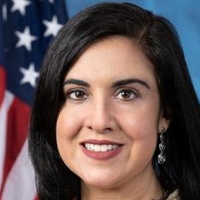
Nicole Malliotakis
Representative
NY
Nicole Malliotakis
Representative
NY
The Better CARE for Animals Act of 2025 significantly strengthens enforcement of the Animal Welfare Act by clarifying definitions and expanding the scope of investigations. It grants the Attorney General explicit authority to file civil actions seeking penalties up to $10,000 per day, and mandates that collected fines help cover temporary animal care costs. The bill also requires the Secretary of Agriculture and the Attorney General to establish a formal agreement for coordinated enforcement.
The Equality Act comprehensively prohibits discrimination based on sex, sexual orientation, and gender identity across key areas including public accommodations, employment, housing, credit, and jury service.
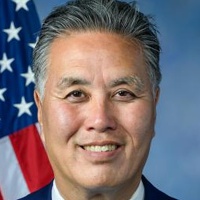
Mark Takano
Representative
CA
Mark Takano
Representative
CA
The Equality Act comprehensively expands federal civil rights protections against discrimination based on sex, sexual orientation, and gender identity across key areas of American life. It amends existing laws to prohibit discrimination in public accommodations, housing, credit, employment, and federal funding. The purpose of the bill is to provide consistent, explicit, and comprehensive remedies for individuals facing bias in these essential sectors.
The **Protecting America’s Workers Act** significantly expands OSHA coverage to public employees, strengthens whistleblower protections, increases penalties for safety violations, and tightens federal oversight of state safety plans.
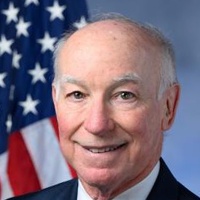
Joe Courtney
Representative
CT
Joe Courtney
Representative
CT
The **Protecting America’s Workers Act** significantly expands OSHA coverage to include public employees, strengthens whistleblower protections by lowering the burden of proof for workers and increasing remedies for retaliation, and mandates stricter reporting, increased penalties, and greater transparency for workplace safety violations. The bill also tightens federal oversight of state-run safety plans and enhances NIOSH's role in hazard evaluation and safety training.