Legislative Activity
Track Cleo's sponsored bills, co-sponsored legislation, and voting record
The SHADE Act establishes a HUD-led grant program to fund tree planting and maintenance in historically redlined or urban heat island areas, prioritizing projects with strong community support and resident protection plans.
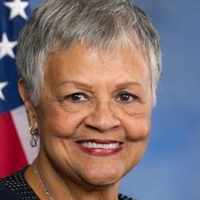
Bonnie Watson Coleman
Representative
NJ
Bonnie Watson Coleman
Representative
NJ
The Saving Hazardous And Declining Environments (SHADE) Act establishes a new, federally funded grant program to support tree planting initiatives. Administered by HUD and the Forest Service, this program prioritizes projects in historically redlined or urban heat island areas. Applicants must submit detailed 5-year plans that include community involvement and strategies to prevent resident displacement. The program is authorized to receive $50 million annually from fiscal year 2026 through 2036.
This resolution encourages members of Congress to conduct unannounced oversight visits to ICE detention facilities within their states to assess conditions following perceived lapses in DHS oversight.
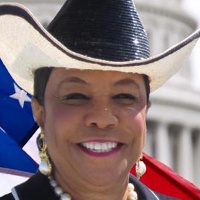
Frederica Wilson
Representative
FL
Frederica Wilson
Representative
FL
This resolution encourages Members of Congress to conduct unannounced visits to Immigration and Customs Enforcement (ICE) detention facilities within their states. Congress feels this direct oversight is necessary due to perceived failures in internal Department of Homeland Security (DHS) monitoring. The goal is for members to gain firsthand knowledge of detention conditions to inform necessary reforms.
This resolution formally adopts the "Equity or Else" platform as a guiding framework for the House of Representatives to draft and implement policy promoting racial and economic equity across core quality-of-life institutions.
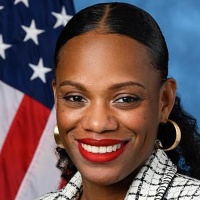
Summer Lee
Representative
PA
Summer Lee
Representative
PA
This resolution formally adopts the "Equity or Else" platform as a guiding framework for the House of Representatives in drafting and implementing policy. It commits the House to prioritizing racial and economic equity across core quality-of-life issues like healthcare, housing, and education. The bill demands a zero-tolerance approach to systemic racism by centering the voices of directly impacted communities in creating solutions. Ultimately, it serves as a strong statement that achieving true national strength requires comprehensive, equitable reform.
The Break the Cycle of Violence Act establishes federal frameworks within HHS and the Department of Labor to fund community-based violence intervention programs and provide job training for opportunity youth in high-violence areas.
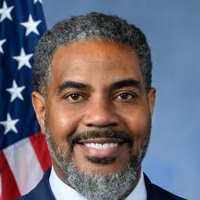
Steven Horsford
Representative
NV
Steven Horsford
Representative
NV
The Break the Cycle of Violence Act establishes federal frameworks within HHS and the Department of Labor to address community violence through prevention and economic opportunity. Title I creates grants for community-based violence intervention programs focused on evidence-based, trauma-responsive care, while Title II funds job training for opportunity youth in high-violence areas. Overall, the bill aims to reduce violence by investing in local services and creating pathways to employment rather than relying solely on incarceration.
The Women’s Health Protection Act of 2025 establishes a federal right to access abortion services before fetal viability and protects the right to travel for care, overriding state restrictions that place burdens on abortion access not imposed on comparable medical procedures.
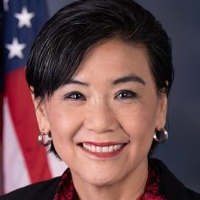
Judy Chu
Representative
CA
Judy Chu
Representative
CA
The Women’s Health Protection Act of 2025 establishes a federal statutory right to access abortion services, prohibiting medically unnecessary restrictions that impede care before fetal viability. This Act protects the right of patients to travel across state lines to receive reproductive healthcare and allows providers to offer services free from state interference that conflicts with established medical standards. It preempts conflicting state and local laws and provides robust enforcement mechanisms for individuals and the Attorney General to challenge violations.
This Act allows certain investment companies to exclude the fees and expenses of underlying business development companies when reporting total acquired fund costs on their SEC registration statements.
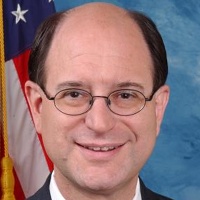
Brad Sherman
Representative
CA
Brad Sherman
Representative
CA
The Access to Small Business Investor Capital Act amends SEC reporting requirements for certain investment companies. This change allows these companies to exclude the indirect fees and expenses incurred from investing in an Acquired Fund, provided that Acquired Fund is a business development company. This simplifies the calculation of total "Acquired Fund Fees and Expenses" disclosed on registration statements.
The Downpayment Toward Equity Act of 2025 establishes a HUD grant program to provide financial assistance for down payments and closing costs to first-time, first-generation homebuyers.

Maxine Waters
Representative
CA
Maxine Waters
Representative
CA
The Downpayment Toward Equity Act of 2025 establishes a new HUD grant program to provide downpayment and closing cost assistance to first-time, first-generation homebuyers. Funds will be distributed to states and eligible entities based on need and the number of qualified buyers in their area. Assistance is capped per buyer and requires mandatory homeownership counseling, with strict rules governing eligible mortgages and primary residency requirements.
This Act posthumously awards a Congressional Gold Medal to pioneering, barrier-breaking cyclist Marshall "Major" Taylor and authorizes the sale of duplicate bronze medals.
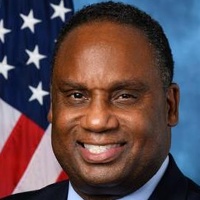
Jonathan Jackson
Representative
IL
Jonathan Jackson
Representative
IL
This bill posthumously awards a Congressional Gold Medal to Marshall "Major" Taylor, recognizing the pioneering Black cyclist for his historic achievements and his fight against racial prejudice. The medal will be struck by the Secretary of the Treasury and presented to Taylor's great-granddaughter. The Act also authorizes the sale of bronze duplicates to cover production costs.
This Act establishes a National Science Foundation grant program to create non-traditional STEM apprenticeship programs and mandates an interagency task force to review existing federal STEM career development efforts.
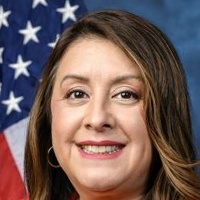
Luz Rivas
Representative
CA
Luz Rivas
Representative
CA
The STEM Pathways for the Future Act establishes a new competitive grant program through the National Science Foundation (NSF) to create and improve STEM apprenticeship programs outside of traditional four-year colleges. This legislation prioritizes funding for community colleges and minority-serving institutions to develop these pathways. Additionally, it mandates the creation of a temporary interagency task force to review and report on existing federal STEM career development programs.
The PHARA Act of 2025 mandates the immediate release of existing NIH grant funding, requires termination clauses in future agreements, and prohibits the NIH from ending funding solely due to shifting agency priorities.
Bonnie Watson Coleman
Representative
NJ
Bonnie Watson Coleman
Representative
NJ
The PHARA Act of 2025 mandates the immediate release of all existing National Institutes of Health (NIH) grant funding and prohibits the cancellation of active research agreements. Moving forward, all new NIH grant agreements must include specific termination clauses requiring a 90-day notice and good-faith negotiation before ending the funding. Furthermore, this Act explicitly prevents the NIH from terminating agreements solely because the research no longer aligns with current agency goals or priorities.
This act ensures that time spent receiving outpatient observation services in a hospital counts toward the required 3-day inpatient stay for Medicare coverage of skilled nursing facility services.
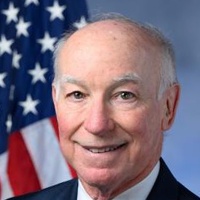
Joe Courtney
Representative
CT
Joe Courtney
Representative
CT
The Improving Access to Medicare Coverage Act of 2025 ensures that time spent receiving outpatient observation services in a hospital counts toward the required 3-day inpatient stay needed to qualify for Medicare coverage of skilled nursing facility (SNF) services. This change effectively removes a significant barrier to accessing post-hospital care for many Medicare beneficiaries. The Secretary of HHS is authorized to implement this rule immediately.
This bill establishes a comprehensive "Domestic Workers Bill of Rights" to extend federal labor protections, including overtime, paid sick leave, and anti-discrimination coverage, to domestic employees while creating a standards board to advise on future working conditions.

Pramila Jayapal
Representative
WA
Pramila Jayapal
Representative
WA
The Domestic Workers Bill of Rights Act seeks to significantly expand labor protections for domestic employees by bringing them under standard federal laws, including eligibility for overtime pay and mandated paid sick leave. The bill establishes written employment agreements, sets clear privacy boundaries for workers in private homes, and creates a Standards Board to recommend ongoing improvements to wages and benefits. Furthermore, it establishes enforcement mechanisms and temporarily increases federal Medicaid funding for in-home care services to help offset compliance costs.
This bill establishes the Tariff Response and Damages to Exports (TRADE) Fund, managed by the Treasury and utilized by the Secretary of Agriculture to support agricultural producers harmed by trade disruptions and foreign tariffs.

Julia Letlow
Representative
LA
Julia Letlow
Representative
LA
This bill establishes the Tariff Response And Damages to Exports (TRADE) Fund, managed by the Treasury Department and administered by the Secretary of Agriculture. The fund will be financed by specific tariffs collected on imported goods. Its purpose is to provide financial assistance to agricultural producers harmed by trade disruptions, such as retaliatory tariffs or decreased export markets. The authority to use this fund will expire on September 30, 2030.
This bill directs HUD and the Census Bureau to study and report on how federal agencies identify and record various forms of housing loss across the United States.
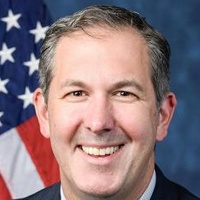
Johnny Olszewski
Representative
MD
Johnny Olszewski
Representative
MD
This bill directs the Secretary of Housing and Urban Development and the Director of the Census Bureau to conduct a comprehensive study on how federal agencies currently identify and record various forms of housing loss in the United States. The resulting report must define different types of housing loss, identify current data collection methods, and recommend improvements for federal tracking. The goal is to enhance the government's ability to accurately count and understand involuntary displacement since 2022.
This Act establishes a comprehensive, federally funded grant program to support evidence-based violence prevention and trauma-informed support for high-risk youth in schools located in high-violence communities.
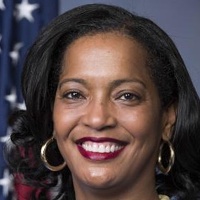
Jahana Hayes
Representative
CT
Jahana Hayes
Representative
CT
The School Violence Prevention Act establishes a new, comprehensive grant program to fund evidence-based violence prevention initiatives in high-risk communities. These grants will support partnerships between schools and community organizations to implement trauma-informed programs focused on youth development, social skills, and connecting students with mental health resources. The bill mandates rigorous evaluation of these programs to measure their impact on student success and overall community safety.
This act exempts qualifying small businesses from special import duties or fees imposed by the President during a declared national emergency.
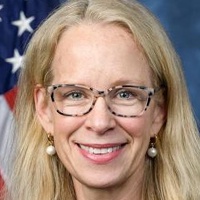
Kelly Morrison
Representative
MN
Kelly Morrison
Representative
MN
The Small Business Liberation Act exempts qualifying small businesses from special duties or fees imposed by the President following a national emergency declaration. This provision ensures that small businesses are not burdened by extra import costs triggered during times of national crisis.
This Act permanently protects inventoried roadless areas within the National Forest System from new road construction and logging, upholding existing federal "Roadless Rule" prohibitions.
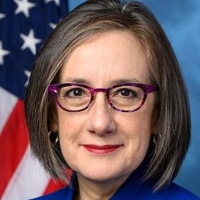
Andrea Salinas
Representative
OR
Andrea Salinas
Representative
OR
The Roadless Area Conservation Act of 2025 aims to provide lasting protection for inventoried roadless areas within the National Forest System. This legislation codifies existing federal regulations, known as the "Roadless Rule," which generally prohibits the construction of new roads or the cutting of timber in these sensitive zones. The purpose is to safeguard critical ecological benefits, clean water sources, and wildlife habitats while maintaining the Forest Service's multiple-use management mission.
The CLASS Act of 2025 prohibits mandatory arbitration in student enrollment agreements and stops colleges receiving federal aid from limiting students' right to sue them in court.
Maxine Waters
Representative
CA
Maxine Waters
Representative
CA
The CLASS Act of 2025 aims to protect students' rights in legal disputes with institutions of higher education. It prohibits mandatory arbitration clauses in student enrollment agreements and forbids colleges receiving federal aid from requiring students to waive their right to sue the institution. These provisions will take effect one year after the Act is officially enacted.
This act increases funding for the Defense Health Agency's research, development, testing, and evaluation, specifically ensuring support for Congressionally Directed Medical Research Programs as outlined in prior appropriations acts.

André Carson
Representative
IN
André Carson
Representative
IN
The Medical Research for Our Troops Act increases the budget for the Defense Health Agency's research, development, testing, and evaluation (RDT&E). This legislation specifically restores and increases funding for these critical defense health programs. The restored funds must be used to support all previously directed medical research programs and initiatives as outlined in prior appropriations acts.
This bill updates the Securities Act of 1933 by replacing references to "emerging growth company" with the broader term "issuer" in key definitions.
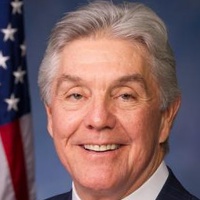
Roger Williams
Representative
TX
Roger Williams
Representative
TX
The Securities Research Modernization Act updates definitions within the Securities Act of 1933 to broaden the scope of applicable provisions. Specifically, it replaces references to "emerging growth company" with the more general term "issuer" in key sections. This change aims to modernize and streamline regulatory language concerning securities offerings.