Legislative Activity
Track Sarah's sponsored bills, co-sponsored legislation, and voting record
This act establishes research grants and training programs to develop and implement PFAS-free, next-generation turnout gear to protect firefighters from occupational illness and injury.

Debbie Dingell
Representative
MI
Debbie Dingell
Representative
MI
The PFAS Alternatives Act aims to protect firefighters by funding research and development for next-generation turnout gear that eliminates harmful PFAS chemicals. The bill establishes grants through NIOSH to create safer, PFAS-free protective equipment and separate funding for training programs on the proper care of this new gear. Ultimately, this legislation seeks to reduce occupational illness and injury among fire and EMS personnel.
This resolution officially designates the week of May 5 through May 9, 2025, as Teacher Appreciation Week to honor public school teachers and affirms the need to incorporate their expertise into education policy decisions.
Jahana Hayes
Representative
CT
Jahana Hayes
Representative
CT
This resolution officially designates the week of May 5 through May 9, 2025, as "Teacher Appreciation Week" to honor the dedication of public school teachers nationwide. It recognizes the crucial support teachers offer for key educational policies, including funding for students with disabilities and loan forgiveness programs. Furthermore, the bill affirms that teachers must have a voice in shaping federal, state, and local education policy.
The Shipbuilding and Harbor Infrastructure for Prosperity and Security for America Act of 2025 establishes a centralized maritime authority, creates a dedicated funding trust, strengthens sealift capability, mandates increased use of U.S.-flagged vessels, invests heavily in domestic shipbuilding, and enhances workforce development and tax incentives for the maritime industry.
Trent Kelly
Representative
MS
Trent Kelly
Representative
MS
The **Shipbuilding and Harbor Infrastructure for Prosperity and Security for America Act of 2025** is a comprehensive bill designed to revitalize the U.S. maritime industry and secure critical supply chains. It establishes new centralized oversight for maritime policy, creates a dedicated Maritime Security Trust Fund financed by new vessel taxes, and mandates significant federal investment in domestic shipbuilding and workforce development. The legislation also imposes stricter cargo preference rules and tax incentives to ensure U.S.-flagged vessels dominate international commerce and defense sealift operations.
This Act expands the Occupational Safety and Health Act (OSHA) to explicitly cover all public employees of the United States, states, and local governments.

Chris Deluzio
Representative
PA
Chris Deluzio
Representative
PA
The Public Service Worker Protection Act expands the Occupational Safety and Health Act (OSHA) to explicitly cover all public employees, including those working for federal, state, and local governments. This change brings public sector workers under the general protections afforded by OSHA. While the expansion takes effect generally within 90 days, states without an existing OSHA plan are given a three-year transition period before federal oversight applies to their employees.
This bill makes diapers a qualified medical expense for tax-advantaged accounts and prohibits state and local governments from imposing sales tax on diaper purchases.
Bonnie Watson Coleman
Representative
NJ
Bonnie Watson Coleman
Representative
NJ
The Improving Diaper Affordability Act of 2025 addresses the significant financial burden and health risks associated with diaper need for American families. This bill makes diapers a qualified expense for tax-advantaged accounts like HSAs, FSAs, and HRAs, effectively lowering the cost through pre-tax dollars. Additionally, it prohibits state and local governments from imposing retail sales or use taxes on the purchase of diapers. These measures aim to increase access to this essential item for low-income households.
The Better CARE for Animals Act of 2025 strengthens the enforcement of the Animal Welfare Act by expanding investigative authority, establishing new civil penalties up to \$10,000 per day, and explicitly granting the Attorney General power to file civil actions, including seeking seizure and forfeiture of animals.
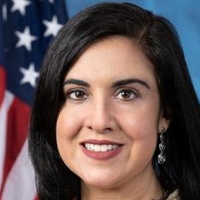
Nicole Malliotakis
Representative
NY
Nicole Malliotakis
Representative
NY
The Better CARE for Animals Act of 2025 significantly strengthens enforcement of the Animal Welfare Act by clarifying definitions and expanding the scope of investigations. It grants the Attorney General explicit authority to file civil actions seeking penalties up to $10,000 per day, and mandates that collected fines help cover temporary animal care costs. The bill also requires the Secretary of Agriculture and the Attorney General to establish a formal agreement for coordinated enforcement.
This bill bans the manufacture, sale, and transfer of specific semiautomatic assault weapons and large-capacity ammunition feeding devices while grandfathering existing possessions and establishing new transfer requirements.
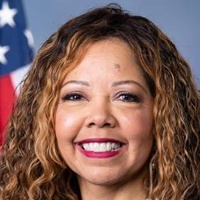
Lucy McBath
Representative
GA
Lucy McBath
Representative
GA
The Assault Weapons Ban of 2025 comprehensively defines and bans the manufacture, sale, and transfer of specific semiautomatic assault weapons and large capacity ammunition feeding devices. The bill grandfathers existing weapons but imposes new requirements for their secure storage and mandates dealer involvement for future private transfers. It also allows federal grant money to be used by states for buy-back programs targeting these banned items.
The PREP Act shortens the initial probationary period for federal employees, often to six months, when they are transferring from another executive branch civil service position.
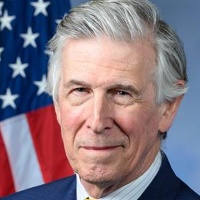
Donald Beyer
Representative
VA
Donald Beyer
Representative
VA
The Probationary Reduction for Employee Protections (PREP) Act shortens the initial probationary periods for new federal employees. Specifically, it limits the trial period to a maximum of six months for those transitioning directly from another executive branch civil service job. For other new hires, the maximum probationary period will be 12 months across competitive service, excepted service, and Senior Executive Service appointments.
The REHIRE Act grants a special hiring preference, including five extra points, to certain Federal employees involuntarily removed between January 1, 2025, and January 1, 2027, provided they were not removed for misconduct or poor performance.
Donald Beyer
Representative
VA
Donald Beyer
Representative
VA
The REHIRE Act establishes a temporary hiring preference for certain Federal employees involuntarily removed from their positions between January 1, 2025, and January 1, 2027. These eligible former employees will receive the equivalent of a "preference eligible" status plus five extra points on their earned scores when applying for competitive service jobs. This hiring advantage excludes those removed for misconduct, poor performance, or from political positions, and it expires five years after enactment.
The Equality Act comprehensively prohibits discrimination based on sex, sexual orientation, and gender identity across key areas including public accommodations, employment, housing, credit, and jury service.
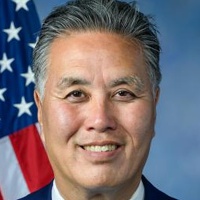
Mark Takano
Representative
CA
Mark Takano
Representative
CA
The Equality Act comprehensively expands federal civil rights protections against discrimination based on sex, sexual orientation, and gender identity across key areas of American life. It amends existing laws to prohibit discrimination in public accommodations, housing, credit, employment, and federal funding. The purpose of the bill is to provide consistent, explicit, and comprehensive remedies for individuals facing bias in these essential sectors.
This bill establishes a universal, comprehensive national health insurance program called "Medicare for All" that eliminates patient cost-sharing and transitions the nation away from private insurance duplication.

Pramila Jayapal
Representative
WA
Pramila Jayapal
Representative
WA
The Medicare for All Act establishes a universal, nationwide health insurance program providing comprehensive coverage for all U.S. residents with no out-of-pocket costs. It fundamentally restructures healthcare financing by implementing global budgets for institutions and a new fee schedule for individuals, while phasing out existing federal programs like Medicare and Medicaid. The legislation also sets strict quality standards for providers and creates a dedicated Trust Fund to manage the system's finances.
This bill repeals the Arctic National Wildlife Refuge oil and gas program and designates over 1.5 million acres of the refuge as protected wilderness.
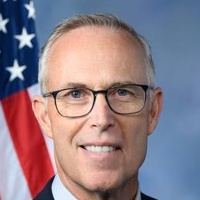
Jared Huffman
Representative
CA
Jared Huffman
Representative
CA
The Arctic Refuge Protection Act officially repeals the previous law authorizing oil and gas leasing in the Arctic National Wildlife Refuge. This legislation simultaneously designates approximately 1.56 million acres within the Refuge as protected wilderness under the National Wilderness Preservation System. The Secretary of the Interior is now required to manage this newly designated land according to strict wilderness preservation standards.
This bill temporarily exempts certain physician practices from Stark Law restrictions to allow them to dispense designated Medicare Part D prescription drugs directly to their patients while mandating a GAO study on in-office dispensing trends.
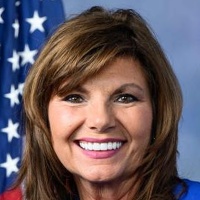
Diana Harshbarger
Representative
TN
Diana Harshbarger
Representative
TN
The Seniors’ Access to Critical Medications Act of 2025 temporarily modifies the physician self-referral prohibition (Stark Law) to allow physician practices to dispense certain Medicare Part D prescription drugs directly to their patients between 2026 and 2030. This exception is subject to specific conditions regarding prescribing, patient history, and dispensing location. The bill also mandates a GAO study to examine trends in physician office drug dispensing and makes a minor adjustment to the allocation for the Medicare Improvement Fund.
This Act mandates that group health plans and insurers must cover diagnostic and supplemental breast examinations without any out-of-pocket cost-sharing requirements for plan years beginning on or after January 1, 2026.
Debbie Dingell
Representative
MI
Debbie Dingell
Representative
MI
The Access to Breast Cancer Diagnosis Act of 2025 ensures that group health plans and insurers must cover diagnostic and supplemental breast examinations with no out-of-pocket costs for patients. This means no deductibles, copayments, or coinsurance will apply to these necessary exams. These provisions take effect for plan years beginning on or after January 1, 2026.
This Act authorizes the President to impose sanctions, including asset freezes and visa bans, on foreign individuals involved in violence, property destruction, or displacement in the West Bank.
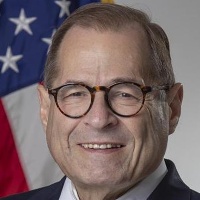
Jerrold Nadler
Representative
NY
Jerrold Nadler
Representative
NY
The West Bank Violence Prevention Act of 2025 declares extreme settler violence and displacement in the West Bank a threat to U.S. national security interests. This Act mandates the President to impose sanctions, including asset freezes and visa bans, on foreign individuals responsible for undermining peace and stability in the region. The Treasury Department must report to Congress on the implementation of these sanctions every 90 days.
This bill grants enhanced due process protections and potential reinstatement rights to certain federal employees removed during their probationary period following a promotion.
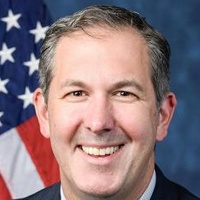
Johnny Olszewski
Representative
MD
Johnny Olszewski
Representative
MD
This bill provides enhanced employment protections and reinstatement options for certain Federal career employees who were serving under a probationary period following a promotion. It grants these employees standard due process rights against unfair removal while on probation. Furthermore, it allows employees removed between January 20, 2025, and the date of enactment to elect reinstatement to their former or an equivalent position with back pay. These protections generally exclude those promoted into or removed from political positions.
This Act mandates the Federal Reserve to develop climate risk scenarios and implement biennial stress tests and exploratory surveys for large financial institutions to assess and manage climate-related financial risks.

Sean Casten
Representative
IL
Sean Casten
Representative
IL
The Climate Change Financial Risk Act of 2025 mandates that the Federal Reserve develop rigorous, science-based climate change risk scenarios. It requires large bank holding companies and nonbank financial firms to undergo biennial climate stress tests to ensure they maintain adequate capital against physical and transition risks. Furthermore, the Act establishes an advisory group of scientists and economists to guide scenario development and requires exploratory surveys of smaller institutions highly exposed to climate impacts.
This Act permanently prohibits new oil and gas leasing on the Mid-Atlantic outer Continental Shelf as depicted in the 2024–2029 leasing program.
Deborah Ross
Representative
NC
Deborah Ross
Representative
NC
The Defend our Coast Act permanently prohibits the Secretary of the Interior from leasing areas in the Mid-Atlantic Planning Area of the outer Continental Shelf for oil or gas exploration or production. This measure specifically blocks new leasing activities within the region designated on the 2024–2029 National Outer Continental Shelf Oil and Gas Leasing Proposed Final Program map.
This act bans bump stocks and similar devices that increase the firing rate of semi-automatic firearms, requiring registration for any previously modified weapons.

Dina Titus
Representative
NV
Dina Titus
Representative
NV
The Closing the Bump Stock Loophole Act of 2025 seeks to amend federal gun laws by banning devices and modifications that significantly increase the rate of fire of semiautomatic firearms, effectively treating them like machineguns. The bill specifically prohibits the manufacture, sale, or possession of such accessories and modified firearms after 120 days of enactment. Existing owners of previously modified firearms must register them under the National Firearms Act within that same timeframe to legally keep them.
This bill establishes the American Family Act, which revamps the Child Tax Credit into a system of refundable monthly advance payments for qualifying children and a separate credit for other dependents.

Rosa DeLauro
Representative
CT
Rosa DeLauro
Representative
CT
The American Family Act fundamentally overhauls the Child Tax Credit by replacing the annual lump sum with a system of advance, refundable monthly payments delivered directly to families. These monthly allowances vary based on the child's age, with higher amounts provided for younger children. The bill also establishes a separate, smaller credit for other dependents and outlines procedures for annual renewal and reconciliation of advance payments when filing taxes.