Legislative Activity
Track Sarah's sponsored bills, co-sponsored legislation, and voting record
This bill places a temporary moratorium on the closure or restriction of access to National Oceanic and Atmospheric Administration (NOAA) facilities until 180 days after a required justification report is submitted to Congress.
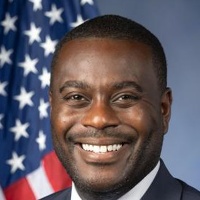
Gabe Amo
Representative
RI
Gabe Amo
Representative
RI
The Stop NOAA Closures Act places a temporary moratorium on the closure or restriction of access to any National Oceanic and Atmospheric Administration (NOAA) facilities. This freeze remains in effect until 180 days after key officials submit a required report to Congress detailing the criteria and process for any future facility changes. After the moratorium lifts, any major facility action will still require a 30-day advance notice and justification report to Congress, except in cases of immediate emergency threatening staff safety.
This bill adds Parkinson's disease to the list of illnesses presumed to be proximately caused by employment in fire protection activities for benefit purposes.
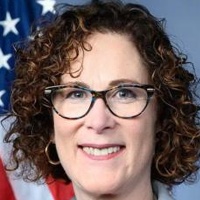
Valerie Hoyle
Representative
OR
Valerie Hoyle
Representative
OR
This bill amends federal law to officially include Parkinson's disease in the list of illnesses presumed to be proximately caused by employment in fire protection activities. This addition aims to simplify the process for federal firefighters and emergency responders to qualify for related benefits when diagnosed with Parkinson's.
This Act mandates that federal agencies must provide current and former employees with easy and timely access to their official personnel files.
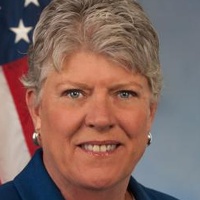
Julia Brownley
Representative
CA
Julia Brownley
Representative
CA
The Protecting Federal Employee Rights to Personnel Files Act of 2025 ensures current and former federal employees have a right to easily access their official personnel records. The bill mandates that agencies must provide electronic and physical copies of these files within seven days upon request for current employees. Furthermore, separating employees will automatically receive their file within seven days of their departure.
This Act mandates federal standards requiring employers to implement comprehensive heat illness and injury prevention programs to protect workers from dangerous heat stress.
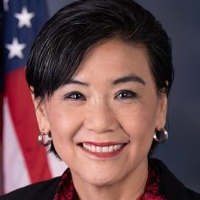
Judy Chu
Representative
CA
Judy Chu
Representative
CA
The Asunción Valdivia Heat Illness, Injury, and Fatality Prevention Act of 2025 mandates that employers protect workers from dangerous heat stress by establishing comprehensive safety standards. This Act requires the Secretary of Labor to create evidence-based rules covering engineering controls, administrative procedures, required training, and paid rest breaks to prevent heat-related illness. Furthermore, the law establishes strict enforcement mechanisms, whistleblower protections, and specific timelines for the implementation of these new federal heat protection standards.
This comprehensive act establishes federal entitlements and grants to ensure access to affordable, high-quality child care and universal preschool for young children while significantly increasing compensation for early childhood educators.
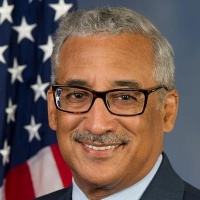
Robert Scott
Representative
VA
Robert Scott
Representative
VA
The Child Care for Working Families Act establishes comprehensive federal programs to ensure access to high-quality, affordable child care and universal preschool for young children. The legislation creates an entitlement program for child care, mandates that provider reimbursement rates cover actual costs and ensure living wages for staff, and establishes free, universal preschool for 3- and 4-year-olds. Additionally, it provides dedicated funding to stabilize childcare providers and extend the operating hours and compensation for Head Start staff.
This resolution demands the immediate handover of all unclassified federal documents related to the Jeffrey Epstein investigation within 14 days, authorizing subpoenas if the executive branch fails to comply.
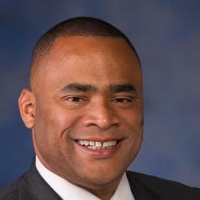
Marc Veasey
Representative
TX
Marc Veasey
Representative
TX
This resolution demands that federal agencies immediately release all unclassified documents related to the Jeffrey Epstein investigation. Congress is asserting its constitutional authority to compel transparency regarding Epstein's network, client lists, and internal agency communications. Agencies have 14 days to comply before the House initiates subpoena proceedings to force disclosure.
This resolution expresses support for designating July 10th as Journeyman Lineworkers Recognition Day to honor the dangerous and essential service provided by these workers, especially during crises.
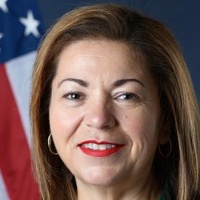
Linda Sánchez
Representative
CA
Linda Sánchez
Representative
CA
This resolution expresses support for designating July 10th as Journeyman Lineworkers Recognition Day. It honors the essential and dangerous work performed by these skilled professionals, especially their heroic efforts in restoring power after major disasters. The day serves to recognize their service and remember those who have lost their lives performing this vital work.
This bill establishes a grant program to help high-need school districts hire, retain, and diversify mental health professionals to expand student access to services.

Rosa DeLauro
Representative
CT
Rosa DeLauro
Representative
CT
The Expanding Access to Mental Health Services in Schools Act of 2025 establishes a new federal grant program to increase the number of mental health professionals in high-need school districts. This funding is specifically designed to help eligible agencies recruit, hire, and retain school counselors, psychologists, and social workers. Grantees must demonstrate a plan to improve student-to-provider ratios and report annually on staffing improvements and provider retention.
This resolution expresses support for designating September 25th as National Stop SuiSilence Day to encourage open conversation and action regarding suicide prevention.
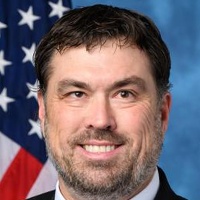
Morgan Luttrell
Representative
TX
Morgan Luttrell
Representative
TX
This resolution expresses strong support for designating **September 25th** as **National Stop SuiSilence Day**. The bill emphasizes that open conversation is crucial for reducing the stigma surrounding suicide and preventing loss of life. It encourages individuals, communities, and the government to actively engage in suicide prevention awareness and action on this designated day.
This Act strengthens protections for domestic violence and stalking survivors by expanding the definition of an intimate partner, clarifying dating relationships, protecting children of dating partners, and prohibiting firearm possession for those convicted of misdemeanor stalking.

Debbie Dingell
Representative
MI
Debbie Dingell
Representative
MI
The Strengthening Protections for Domestic Violence and Stalking Survivors Act of 2025 updates federal law to broaden protections against intimate partner violence by expanding the definition of an "intimate partner" to explicitly include dating relationships. This bill also introduces a new federal prohibition on firearm possession for individuals convicted of a misdemeanor crime of stalking. These changes aim to close loopholes and ensure comprehensive safety measures for survivors of abuse and harassment.
The CONNECT for Health Act of 2025 permanently expands Medicare telehealth access by removing geographic restrictions, increasing practitioner flexibility, bolstering program integrity, and mandating supports for quality remote care delivery.
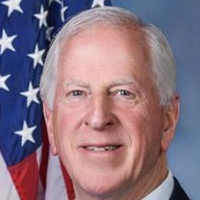
Mike Thompson
Representative
CA
Mike Thompson
Representative
CA
The CONNECT for Health Act of 2025 significantly expands and permanently secures access to Medicare telehealth services by eliminating outdated geographic restrictions and allowing more practitioners to offer remote care. The bill also strengthens program integrity by dedicating funds for telehealth oversight while clarifying rules around providing necessary technology to patients. Finally, it mandates the creation of tailored educational resources and public reporting to improve quality measurement and transparency in remote care delivery.
This resolution formally recognizes the history, achievements, and ongoing struggles of the LGBTQIA+ community while encouraging the celebration of Pride Month and affirming that LGBTQIA+ rights are human rights.
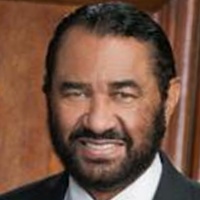
Al Green
Representative
TX
Al Green
Representative
TX
This resolution formally recognizes the history, achievements, and ongoing struggles of the LGBTQIA+ community in the United States. It serves as a declaration by Congress affirming that LGBTQIA+ rights are human rights and encouraging the celebration of Pride Month. The bill highlights key historical milestones, legal victories, and acknowledges the persistent challenges and violence faced by the community. Ultimately, it commits the U.S. to continuing the pursuit of full equality for all citizens.
This Act establishes new federal requirements for corrosion prevention and repair on bridges using certified contractors and qualified training programs, while also making federal funds available for rail bridge corrosion control and mandating a study on weathering steel efficacy.
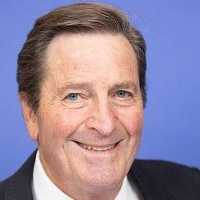
John Garamendi
Representative
CA
John Garamendi
Representative
CA
The Bridge Corrosion Prevention and Repair Act of 2025 establishes new federal requirements to combat bridge rust and decay on federally funded projects by mandating the use of certified contractors and qualified training programs for corrosion control work. The bill also makes federal grant funding explicitly available for corrosion control work on rail bridges. Furthermore, it directs the Secretary of Transportation to conduct a comprehensive study on the efficacy and maintenance of weathering steel bridges within 18 months.
This resolution recognizes the right to peaceful protest while condemning violence and criticizing the federal government's controversial deployment of military forces during recent Los Angeles demonstrations.
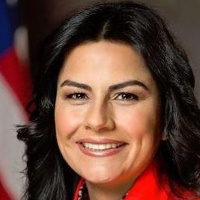
Nanette Barragán
Representative
CA
Nanette Barragán
Representative
CA
This resolution formally recognizes the constitutional right to peaceful protest while strongly condemning violence and illegal acts committed during demonstrations. It criticizes the federal government's deployment of military forces during recent events, arguing the actions were an overreach that bypassed proper legal and state authority. Ultimately, the bill asserts the importance of transparency in law enforcement and denounces rhetoric that escalates community tensions.
The Women’s Health Protection Act of 2025 establishes a federal right to access abortion services before fetal viability and protects the right to travel for care, overriding state restrictions that place burdens on abortion access not imposed on comparable medical procedures.
Judy Chu
Representative
CA
Judy Chu
Representative
CA
The Women’s Health Protection Act of 2025 establishes a federal statutory right to access abortion services, prohibiting medically unnecessary restrictions that impede care before fetal viability. This Act protects the right of patients to travel across state lines to receive reproductive healthcare and allows providers to offer services free from state interference that conflicts with established medical standards. It preempts conflicting state and local laws and provides robust enforcement mechanisms for individuals and the Attorney General to challenge violations.
The Community Paramedicine Act of 2025 establishes a grant program administered by HRSA to fund specially trained paramedics providing mobile healthcare services, particularly in rural and Tribal communities.
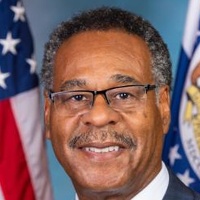
Emanuel Cleaver
Representative
MO
Emanuel Cleaver
Representative
MO
The Community Paramedicine Act of 2025 establishes a new grant program administered by HRSA to support specially trained paramedics providing mobile healthcare services outside of emergency calls, primarily in rural areas. Eligible non-profit entities can apply for up to $\$1.5$ million over five years to fund staffing, equipment, training, and medical oversight for these patient-centered services. The bill specifically reserves a portion of funding for Tribal community programs and requires rigorous reporting on program outcomes.
This Act mandates that U.S. Immigration and Customs Enforcement (ICE) agents operating within the United States must clearly display their name and agency affiliation and cannot wear facial coverings, with limited exceptions subject to supervisory review.
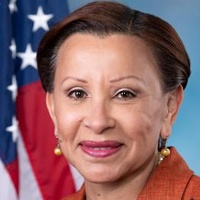
Nydia Velázquez
Representative
NY
Nydia Velázquez
Representative
NY
The No Anonymity in Immigration Enforcement Act of 2025 mandates that U.S. Immigration and Customs Enforcement (ICE) agents conducting domestic enforcement operations must clearly display their name and agency affiliation, and cannot wear facial coverings. Exceptions to this identification rule are permitted only in cases of immediate danger or necessary safety gear, subject to supervisory review within 48 hours. The bill also establishes disciplinary procedures for non-compliance and requires annual reporting to Congress on enforcement and complaints.
This bill directs HUD and the Census Bureau to study and report on how federal agencies identify and record various forms of housing loss across the United States.
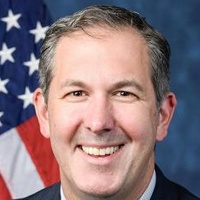
Johnny Olszewski
Representative
MD
Johnny Olszewski
Representative
MD
This bill directs the Secretary of Housing and Urban Development and the Director of the Census Bureau to conduct a comprehensive study on how federal agencies currently identify and record various forms of housing loss in the United States. The resulting report must define different types of housing loss, identify current data collection methods, and recommend improvements for federal tracking. The goal is to enhance the government's ability to accurately count and understand involuntary displacement since 2022.
This Act mandates that most private firearm transfers must go through a licensed dealer to ensure background checks are performed on all purchasers.
Mike Thompson
Representative
CA
Mike Thompson
Representative
CA
The Bipartisan Background Checks Act of 2025 aims to strengthen existing federal background check systems to prevent prohibited persons from acquiring firearms. This bill primarily mandates that most private firearm transfers must be facilitated through a licensed dealer who will conduct a background check. The legislation includes specific exceptions for family gifts, law enforcement, and temporary transfers under emergency circumstances.
The Pride In Mental Health Act of 2025 establishes grants and federal initiatives to improve mental health services and research specifically for LGBTQ+ youth while explicitly prohibiting the use of funds for conversion therapy.
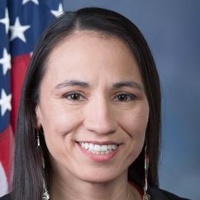
Sharice Davids
Representative
KS
Sharice Davids
Representative
KS
The Pride In Mental Health Act of 2025 establishes a new grant program to improve mental health and substance abuse outcomes for LGBTQ+ youth through culturally competent care and resource development. These grants strictly prohibit funding for conversion therapy practices. The bill also mandates federal data collection on LGBTQ+ youth mental health and requires a report on the needs of those in foster care.