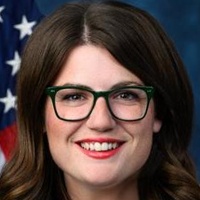
Legislative Activity
Track Sarah's sponsored bills, co-sponsored legislation, and voting record
This bill expands Post-9/11 GI Bill eligibility to National Guard members performing specific full-time duties.
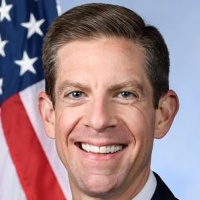
Mike Levin
Representative
CA
Mike Levin
Representative
CA
The Guard and Reserve GI Bill Parity Act of 2025 expands Post-9/11 GI Bill eligibility to National Guard members performing specific full-time duties. This expansion applies to service performed on or after September 11, 2001. The changes will take effect one year after the enactment of this Act, with the time limitation for using educational assistance applied as if enacted immediately after the Post-9/11 Veterans Educational Assistance Act of 2008.
The bill modifies and extends funding for the World Trade Center Health Program, expands the types of healthcare providers who can certify mental health conditions, and requires a report to Congress on the program's budget.
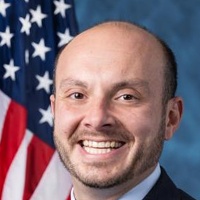
Andrew Garbarino
Representative
NY
Andrew Garbarino
Representative
NY
The 9/11 Responder and Survivor Health Funding Correction Act of 2025 amends the Public Health Service Act to improve the World Trade Center (WTC) Health Program by expanding the types of healthcare providers who can conduct mental health evaluations, modifying provider credentialing, clarifying enrollment calculations, and extending the time frame for adding health conditions for WTC responders. The act adjusts the funding formula for fiscal years 2026 through 2090 and requires the Secretary of Health and Human Services to report to Congress on the program's budget, including projected needs through 2090 and recommendations for changes to the funding formula. It also stipulates that remaining funds in the Supplemental Fund, Special Fund, and Pentagon-Shanksville Fund will revert to the Treasury.
The "More Homes on the Market Act" increases the tax exclusion for profit from the sale of a primary residence, incentivizing homeowners to sell and increasing housing supply.
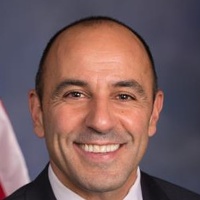
Jimmy Panetta
Representative
CA
Jimmy Panetta
Representative
CA
The "More Homes on the Market Act" increases the tax exclusion for profit from the sale of a primary residence, raising it to $500,000 for single filers and $1,000,000 for married couples filing jointly. These amounts will be adjusted for inflation starting in 2025. This change encourages homeowners to sell their properties, thereby increasing the availability of homes on the market.
The "Aquatic Biodiversity Preservation Act of 2025" establishes a program to sequence and make publicly available the genomes of aquatic species, enhancing conservation and management efforts.
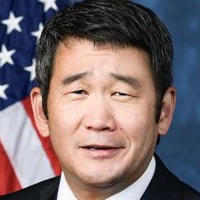
Dave Min
Representative
CA
Dave Min
Representative
CA
The "Aquatic Biodiversity Preservation Act of 2025" establishes a program, managed by the Secretary of Commerce, for sequencing aquatic species genomes to improve conservation and management efforts. It directs the Secretary to work with various entities to collect, sequence, and make genomic data publicly available, while providing funding and assistance. Tribal governments determine whether and when to release data. The act authorizes $2,000,000 annually from 2025-2031 for program implementation.
The United States-Israel Defense Partnership Act of 2025 bolsters defense cooperation between the U.S. and Israel through joint programs, funding increases, and extended authorities related to countering unmanned systems, anti-tunnel technology, emerging technologies, and war reserve stockpiles, while also exploring Israel's inclusion in the national technology and industrial base and assessing integrated air and missile defense in the CENTCOM region.
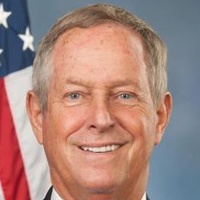
Joe Wilson
Representative
SC
Joe Wilson
Representative
SC
The United States-Israel Defense Partnership Act of 2025 seeks to bolster the defense relationship between the United States and Israel through joint initiatives and increased cooperation. It establishes programs to counter unmanned systems, extend anti-tunnel and counter-UAS cooperation, and promote collaboration in emerging technologies like AI and cybersecurity. The act also mandates the establishment of a Defense Innovation Unit office in Israel and assesses integrated air and missile defense in the U.S. Central Command region. Finally, it explores Israel's potential inclusion in the national technology and industrial base.
The "U.S. Park Police Modernization Act" updates the pay scale and advancement steps for U.S. Park Police officers.
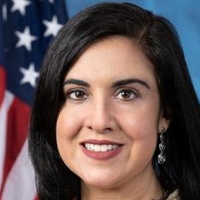
Nicole Malliotakis
Representative
NY
Nicole Malliotakis
Representative
NY
The U.S. Park Police Modernization Act amends the District of Columbia Police and Firemen’s Salary Act of 1958 to adjust the pay scales for United States Park Police officers. It revises the service step schedule for officers and members of the United States Park Police and modifies service step advancements. These changes will take effect on the first day of the first pay period after the enactment of this Act.
The Honoring Our Fallen Heroes Act of 2025 expands public safety officer benefits to include disability and death coverage for certain cancers presumed to be caused by on-duty exposure to carcinogens, and clarifies "line of duty" definitions for first responder benefits.
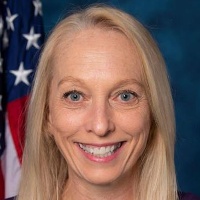
Mary Scanlon
Representative
PA
Mary Scanlon
Representative
PA
The Honoring Our Fallen Heroes Act of 2025 expands public safety officer benefits to include deaths and disabilities caused by exposure-related cancers, presuming that certain cancers diagnosed within 15 years of service are line-of-duty injuries if the officer served for at least 5 years. It defines "exposure-related cancer" and allows for updates to the list based on medical evidence, while also permitting individuals to petition for additions. The Act also clarifies "line of duty action" and applies retroactively to claims dating back to January 1, 2020, with a three-year window for filing claims based on these amendments.
Prohibits federal funds from being used to eliminate the United States Agency for International Development (USAID) as an independent entity, requiring the Secretary of State to certify compliance.

Sara Jacobs
Representative
CA
Sara Jacobs
Representative
CA
The "Protect US National Security Act" ensures that federal funds cannot be used to eliminate the United States Agency for International Development (USAID) as an independent entity. It asserts that only an act of Congress can eliminate USAID. The Secretary of State must certify compliance with this requirement to Congress within 30 days of the act's enactment and annually for 5 years.
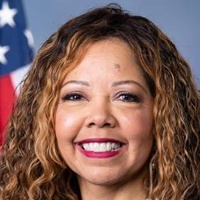
This bill directs the Secretary of Labor to award grants to community colleges for high-quality workforce development programs in high-skill, high-wage, or in-demand sectors.
Lucy McBath
Representative
GA
Lucy McBath
Representative
GA
This bill amends the Workforce Innovation and Opportunity Act to establish a grant program through the Department of Labor, awarding funds to community colleges for the development of high-quality workforce programs that lead to credentials in high-skill, high-wage, or in-demand jobs. These grants require partnerships with employers and a focus on serving individuals with barriers to employment, with the aim of improving program quality, accessibility, and alignment with workforce needs. The bill authorizes appropriations of $65,000,000 annually from 2026 through 2031 for this purpose.
The "Freedom to Invest in Tomorrow's Workforce Act" expands the use of 529 savings accounts to cover expenses related to postsecondary credentialing programs, including tuition, fees, books, supplies, equipment, and testing fees.

Robert Wittman
Representative
VA
Robert Wittman
Representative
VA
The "Freedom to Invest in Tomorrow's Workforce Act" amends Section 529 savings accounts to include expenses related to postsecondary credentialing programs. This allows 529 funds to cover costs like tuition, fees, books, supplies, and testing fees for recognized programs and credentials, as defined by the bill. These changes would apply to distributions made after the bill is enacted.
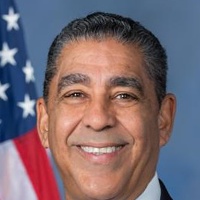
The "Protecting Sensitive Locations Act" restricts immigration enforcement actions at sensitive locations like schools and places of worship, requiring discretion and oversight.
Adriano Espaillat
Representative
NY
Adriano Espaillat
Representative
NY
The "Protecting Sensitive Locations Act" amends the Immigration and Nationality Act to restrict immigration enforcement actions within 1,000 feet of sensitive locations like schools, hospitals, and places of worship, except in exigent circumstances. It mandates training, reporting, and oversight for enforcement activities near these locations, and invalidates evidence obtained in violation of the Act. The Act aims to ensure discretion and limit enforcement impact on sensitive community spaces, while also requiring annual reports to Congress on enforcement actions taken in sensitive locations.
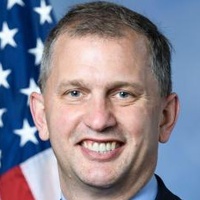
The Educators Expense Deduction Modernization Act of 2025 increases the annual tax deduction for eligible educator classroom expenses from $250 to $1,000.
Sean Casten
Representative
IL
Sean Casten
Representative
IL
The Educators Expense Deduction Modernization Act of 2025 seeks to provide greater financial relief to teachers by increasing the annual tax deduction for out-of-pocket classroom expenses from $250 to $1,000. This legislation also updates the deduction's eligibility language and establishes a new inflation adjustment mechanism to ensure the benefit keeps pace with future costs.
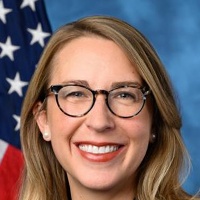
The CLEAR Act amends Title 5 of the United States Code, Section 552(f)(1), to include any entity established under Section 3161 within the scope of the Freedom of Information Act (FOIA).
Hillary Scholten
Representative
MI
Hillary Scholten
Representative
MI
The CLEAR Act amends the Freedom of Information Act (FOIA) to include entities established under Section 3161, ensuring their records are accessible to the public. This change applies to all FOIA requests made after the Act's enactment, regardless of when the records were created.
The Protect Our Letter Carriers Act of 2025 authorizes $7 billion to upgrade postal security infrastructure while mandating dedicated federal prosecutors for postal crimes and increasing sentencing guidelines for assaults against postal employees.
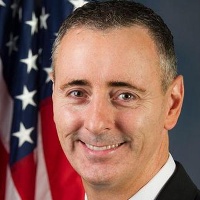
Brian Fitzpatrick
Representative
PA
Brian Fitzpatrick
Representative
PA
The Protect Our Letter Carriers Act of 2025 aims to enhance the safety of postal workers by funding high-security infrastructure upgrades, including electronic mailbox keys. The bill also mandates the appointment of dedicated federal prosecutors for postal crimes in every judicial district and requires stricter sentencing guidelines for those who assault or rob postal employees.
The "Taxpayer Data Protection Act" limits access to the Treasury Department's payment systems to authorized personnel and requires investigation and reporting of unauthorized access.

Haley Stevens
Representative
MI
Haley Stevens
Representative
MI
The Taxpayer Data Protection Act limits access to the Treasury Department's payment systems to Treasury employees or contractors with satisfactory performance reviews and security clearances. It sets specific criteria for individuals accessing the system, including conflict of interest restrictions, training, and ethics agreements. The Act also mandates the Treasury Department's Inspector General to investigate and report to Congress on any unauthorized system use.
The Scientific Integrity Act mandates federal agencies to establish and enforce scientific integrity policies that protect scientific research from political interference, ensure open communication of scientific findings, and provide whistleblower protection for scientists.
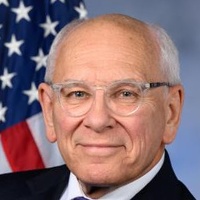
Paul Tonko
Representative
NY
Paul Tonko
Representative
NY
The Scientific Integrity Act mandates that federal agencies that fund, conduct, or oversee scientific research establish and enforce scientific integrity policies. These policies aim to protect scientists from political interference, ensure the open communication of scientific findings, and establish clear processes for reporting and addressing scientific misconduct. The Act requires agencies to appoint Scientific Integrity Officers, provide regular training, and report on misconduct complaints, with oversight from the Office of Science and Technology Policy and Congress. It also protects the rights of federal employees and contractors to share their findings and prevents the suppression or distortion of scientific data.
The Right to Contraception Act establishes a federal right to obtain and use contraception and prohibits government interference with access to contraceptive services and information.

Lizzie Fletcher
Representative
TX
Lizzie Fletcher
Representative
TX
The Right to Contraception Act establishes a federal right for individuals to access and use contraception without government interference. It prohibits federal and state governments from enacting laws that restrict access to contraceptives or the provision of related services. The Act provides clear enforcement mechanisms, allowing individuals and the Attorney General to sue to strike down any rule that violates these protections.
The Love Lives On Act of 2025 ensures that surviving spouses of veterans and service members retain their earned dependency compensation, survivor benefits, and TRICARE eligibility regardless of remarriage.
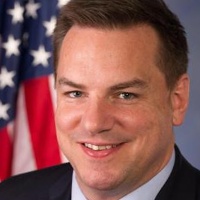
Richard Hudson
Representative
NC
Richard Hudson
Representative
NC
The Love Lives On Act of 2025 ensures that surviving spouses of veterans and service members retain their earned benefits, including dependency and indemnity compensation, educational assistance, and Survivor Benefit Plan annuities, regardless of remarriage. Additionally, the bill expands TRICARE eligibility to include widows and widowers whose subsequent marriages have ended. This legislation protects the financial security and healthcare access of surviving families by removing penalties associated with remarriage.
The Period PROUD Act of 2025 provides $200 million in annual federal funding to states to increase access to free menstrual products for low-income individuals through the Social Services Block Grant program.
Sean Casten
Representative
IL
Sean Casten
Representative
IL
The Period PROUD Act of 2025 provides $200 million in annual federal funding to states to increase access to free menstrual products for low-income individuals. By partnering with government agencies, tribes, and nonprofits, this initiative aims to reduce unmet needs by integrating product distribution into existing social service programs. The bill also mandates program evaluations to ensure effectiveness and accountability in addressing menstrual health disparities.
The Railway Safety Act of 2025 establishes comprehensive new safety standards for trains transporting hazardous materials, mandates stricter rail car inspections and defect detection, sets minimum crew sizes, increases civil penalties for violations, and phases out older tank cars.
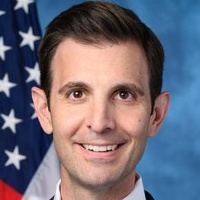
Chris Deluzio
Representative
PA
Chris Deluzio
Representative
PA
The Railway Safety Act of 2025 establishes comprehensive new safety standards across the freight rail industry, focusing heavily on trains transporting hazardous materials. The bill mandates stricter rules for train operations, requires enhanced rail car inspections, and sets a phase-out date for older, less safe tank cars. Furthermore, it increases civil penalties for safety violations, institutes a minimum two-person crew requirement for most freight trains, and funds infrastructure improvements like advanced track monitoring.