Legislative Activity
Track Gabe's sponsored bills, co-sponsored legislation, and voting record
This act updates the Conservation Reserve Enhancement Program (CREP) to allow flexible annual payment options, establish new payment structures for retiring water rights and dryland farming, mandate certain water conservation agreements, and exempt CREP rental payments from federal payment limits.
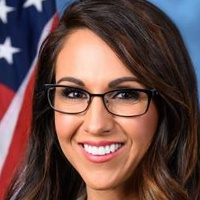
Lauren Boebert
Representative
CO
Lauren Boebert
Representative
CO
The Conservation Reserve Enhancement Program Improvement Act of 2025 updates the CREP to offer farmers more flexibility in how they receive annual contract payments. It establishes new payment formulas for agreements involving the retirement of water rights or dryland farming practices, potentially increasing payments for some existing contracts. Additionally, the bill mandates certain water conservation agreements and exempts CREP rental payments from federal payment limitations.
This bill establishes pilot projects for the Department of Homeland Security to test advanced technologies, including AI, to improve the detection of contraband like fentanyl at U.S. land ports of entry.
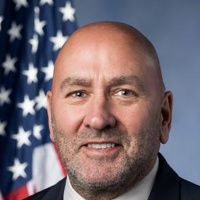
Clay Higgins
Representative
LA
Clay Higgins
Representative
LA
The CATCH Fentanyl Act mandates the Department of Homeland Security to establish pilot projects at land ports of entry to test advanced inspection technologies, including those utilizing Artificial Intelligence. These tests aim to improve the detection of contraband like fentanyl while increasing inspection efficiency. The Secretary must report on the effectiveness of these technologies and provide recommendations for nationwide deployment within five years of enactment.
The "Strengthening State and Local Efforts to Counter Transnational Repression Act" enhances law enforcement training and coordination to combat transnational repression activities targeting individuals in the U.S.
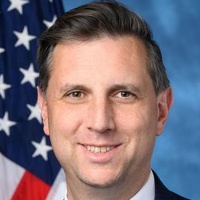
Seth Magaziner
Representative
RI
Seth Magaziner
Representative
RI
The "Strengthening State and Local Efforts to Counter Transnational Repression Act" amends the Homeland Security Act of 2002 to bolster law enforcement's ability to counter transnational repression and related terrorism threats. It mandates the development of a training program for state, local, and tribal law enforcement to identify, record, and share information on transnational repression, as well as to protect potential targets and victims. The Act also calls for research and development of technology to enhance participation in these training programs and requires a report to Congress on its implementation. Transnational repression is defined as actions by a foreign government or its agents intended to coerce, harass, or threaten individuals in the U.S.
The Affordable Housing Credit Improvement Act of 2025 updates state allocation formulas, reforms tenant eligibility and credit determination rules, and enhances assistance for Native American and rural housing projects.
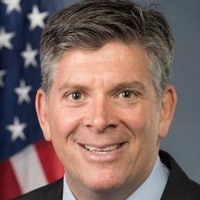
Darin LaHood
Representative
IL
Darin LaHood
Representative
IL
The Affordable Housing Credit Improvement Act of 2025 updates federal housing tax credit allocations to reflect current economic realities and boosts minimum state allotments. It reforms tenant eligibility rules to stabilize tenancy and enhance protections for vulnerable residents, including victims of abuse. The bill also provides disaster relief for property owners, increases incentives for housing the extremely low-income, and directs greater resources toward Native American and rural housing needs. Finally, it streamlines administrative processes and signals a future focus on data transparency and discouraging restrictive local zoning.
The CBO Scoring Accountability Act mandates that the Congressional Budget Office produce annual reports for ten years tracking the actual financial impact of major legislation against its initial cost estimates.
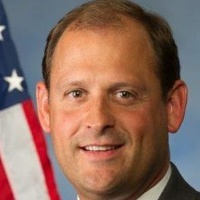
Garland Barr
Representative
KY
Garland Barr
Representative
KY
The CBO Scoring Accountability Act mandates that the Congressional Budget Office (CBO) produce annual reports for ten years following the enactment of any "major legislation." These reports must compare the actual financial impact of the law against the CBO's original estimates. If significant discrepancies occur, the CBO is required to explain the variance to Congress.
The PLAN for School Safety Act of 2025 establishes a grant program to fund regional centers that provide schools with evidence-based consultation and support for developing and implementing comprehensive safety and mental health plans.
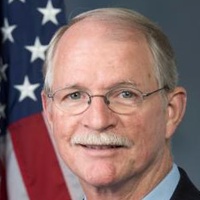
John Rutherford
Representative
FL
John Rutherford
Representative
FL
The PLAN for School Safety Act of 2025 establishes a new federal grant program to create regional School Safety Development Centers. These centers will provide personalized, research-backed consultation and technical assistance to schools on developing and implementing comprehensive safety and mental health plans. The program prioritizes support for rural, Tribal, and low-resource communities, while explicitly prohibiting the use of funds for firearm training.
This Act mandates the designation of specific Iranian-aligned groups as Foreign Terrorist Organizations (FTOs) and requires the imposition of corresponding sanctions.
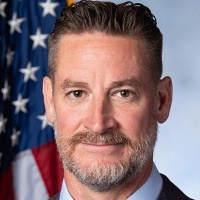
W. Steube
Representative
FL
W. Steube
Representative
FL
The Iranian Terror Prevention Act mandates the swift designation of specific Iranian-linked groups as Foreign Terrorist Organizations (FTOs) by the Secretary of State. It requires the President to impose existing sanctions on these designated groups and any affiliated entities within 60 days of enactment. Furthermore, the bill establishes ongoing reporting requirements to Congress regarding designations and the application of sanctions.
This Act imposes sweeping, mandatory sanctions, tariffs, and investment prohibitions on the Russian Federation and its affiliates until Russia negotiates a lasting peace with Ukraine.
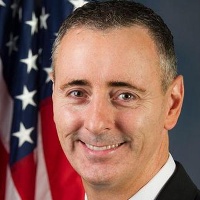
Brian Fitzpatrick
Representative
PA
Brian Fitzpatrick
Representative
PA
The Sanctioning Russia Act of 2025 imposes sweeping economic penalties on the Russian Federation in response to its aggression against Ukraine. This legislation mandates severe, immediate sanctions against key Russian officials, financial institutions, and energy sector entities, including asset freezes and trade prohibitions. Furthermore, the Act dramatically increases import duties on Russian goods and requires the President to review and reimpose these measures until Russia negotiates a lasting peace with Ukraine.
The SAFETY Act of 2025 ensures U.S. food and agricultural producers can continue using established common product names in foreign markets despite international restrictions.
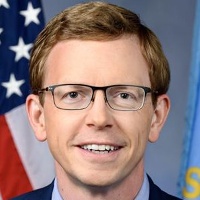
Dusty Johnson
Representative
SD
Dusty Johnson
Representative
SD
The SAFETY Act of 2025 aims to protect American agricultural and food exporters by legally safeguarding their right to use common product names in foreign markets. It establishes a clear definition for "common name," explicitly listing many existing U.S. food, wine, and beer terms that are protected from foreign restrictions. Furthermore, the bill mandates that U.S. trade representatives actively negotiate to ensure these common names remain usable in all future international trade agreements.
This act restricts long-term retail concession agreements on U.S. military bases with businesses controlled by specified foreign nations, subject to national security review and potential termination.
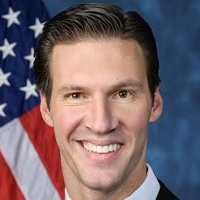
Pat Harrigan
Representative
NC
Pat Harrigan
Representative
NC
The Military Installation Retail Security Act of 2025 restricts the Department of Defense from entering into long-term retail concessions agreements with businesses controlled by designated foreign nations. This legislation mandates that existing agreements with such retailers undergo immediate review by CFIUS for national security risks, with termination required if control by a covered nation is confirmed. Exceptions are permitted only if the service provided is vital and security risks are mitigated, requiring notification to Congress.
This bill mandates that businesses receiving or sending goods must allow commercial truck drivers access to restrooms while on their property, and requires port terminal operators to provide adequate restroom facilities for drayage truck operators.
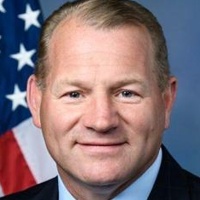
Troy Nehls
Representative
TX
Troy Nehls
Representative
TX
The Trucker Bathroom Access Act ensures that commercial truck drivers are allowed to use restrooms at businesses where they are delivering or picking up goods. This legislation also mandates that operators of marine terminals provide adequate and safe restroom facilities for drayage truck drivers working on port property. The goal is to guarantee basic sanitation access for professional drivers during their work hours.
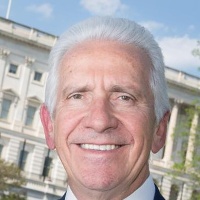
This Act establishes a competitive grant program to test incentives aimed at increasing the purchase of naturally nutrient-rich dairy products by households using SNAP benefits.
Jim Costa
Representative
CA
Jim Costa
Representative
CA
The Dairy Nutrition Incentive Program Act of 2025 establishes a new federal program to test methods for increasing the purchase of nutrient-rich dairy products by households using SNAP benefits. The Secretary of Agriculture will award competitive grants to eligible entities to implement incentive projects at the point of sale. These projects must prioritize direct incentives that can only be spent on buying more eligible dairy items, and all projects will undergo rigorous independent evaluation. The Act also mandates the transition of existing dairy incentive projects into this new framework without interruption.
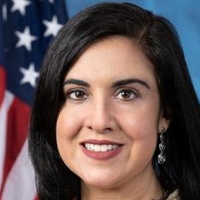
The COMPLETE Care Act increases Medicare payments to primary care providers for integrating behavioral health services between 2027 and 2029 and provides technical assistance to support these practices.
Nicole Malliotakis
Representative
NY
Nicole Malliotakis
Representative
NY
The COMPLETE Care Act aims to improve mental healthcare access by providing Medicare incentives for primary care providers to integrate behavioral health services into their practices between 2027 and 2029. This legislation offers increased Medicare payments for specific integrated services during those years, ensuring these bonuses do not trigger cuts elsewhere in the Medicare budget. Additionally, the bill mandates technical assistance to help primary care offices successfully adopt these new integrated care models.
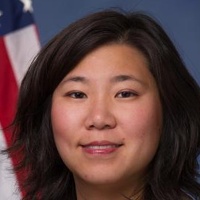
The Hot Foods Act of 2025 lifts the general ban on purchasing ready-to-eat hot foods with SNAP benefits while imposing a sales cap on retailers that primarily sell such items.
Grace Meng
Representative
NY
Grace Meng
Representative
NY
The Hot Foods Act of 2025 removes the general federal ban on using Supplemental Nutrition Assistance Program (SNAP) benefits to purchase hot, ready-to-eat foods. This legislation clarifies that hot foods are now eligible for purchase with SNAP benefits, while also setting a new rule that limits SNAP-participating retailers to deriving no more than 50% of their gross sales from these ready-to-eat hot items. The act updates existing statutes to reflect this expanded purchasing power for recipients.
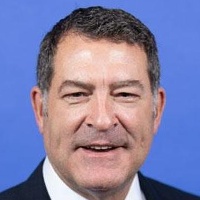
This bill establishes new requirements for Medicare contractors and private Medicare plans to base prior authorization decisions strictly on medical necessity, involve practicing physicians in setting criteria, and increase transparency regarding their utilization review processes.
Mark Green
Representative
TN
Mark Green
Representative
TN
The Reducing Medically Unnecessary Delays in Care Act of 2025 aims to establish stricter federal standards for prior authorization decisions made by Medicare contractors and private Medicare plans. This bill mandates that coverage denials must be based on clear, evidence-based clinical criteria developed with input from practicing physicians. Furthermore, it requires plans to post their authorization rules online, provide advance notice of changes, and publicly report approval and denial statistics. Finally, all final denials of care must be reviewed and issued by a qualified, board-certified physician.
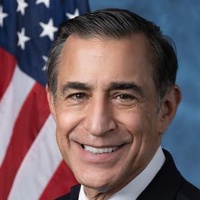
This Act prohibits state and local governments from imposing excise taxes on the sale of firearms, ammunition, or related parts in interstate or foreign commerce.
Darrell Issa
Representative
CA
Darrell Issa
Representative
CA
The Freedom from Unfair Gun Taxes Act of 2025 prohibits state and local governments from imposing excise taxes on the sale of firearms, ammunition, or firearm parts. This restriction specifically targets taxes levied on sales that involve interstate or foreign commerce. The Act explicitly preserves existing federal laws, such as the Pittman-Robertson Wildlife Restoration Act.
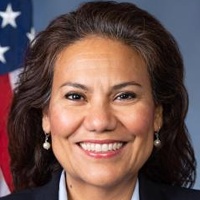
The American Families United Act grants immigration judges and the Secretary of Homeland Security greater discretion to prevent the removal of family members of U.S. citizens when separation would cause hardship, while also allowing for the reopening of certain prior cases.
Veronica Escobar
Representative
TX
Veronica Escobar
Representative
TX
The American Families United Act grants immigration officials increased discretion to halt removal proceedings or grant immigration benefits for family members of U.S. citizens when separation would cause hardship. This discretion is presumed to be met if the action results in family separation, though certain serious criminal grounds remain disqualifying. The Act also allows individuals to file motions to reopen or reconsider past immigration decisions if the outcome would have been different under these new provisions, subject to a two-year filing deadline.
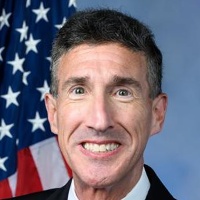
This Act limits the FCC's authority to prohibit state and federal correctional facilities from using authorized cellphone jamming systems within their premises under specific operational and funding conditions.
David Kustoff
Representative
TN
David Kustoff
Representative
TN
The Cellphone Jamming Reform Act of 2025 limits the FCC's authority to prohibit the use of cell phone jamming systems within jails and prisons. This legislation specifically permits state and federal correctional facilities to deploy jamming technology to block communications involving inmates or contraband devices. Any facility using these systems must adhere to strict operational limits, ensure state funding for state-run systems, and coordinate with local public safety officials beforehand.
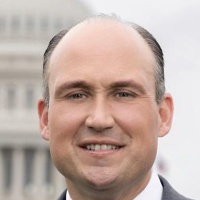
The Safer Skies Act of 2025 mandates that certain smaller charter and commuter air carriers currently exempt from TSA checkpoints must adopt the same security screening standards as larger airlines.
Nicholas Langworthy
Representative
NY
Nicholas Langworthy
Representative
NY
The Safer Skies Act of 2025 mandates enhanced security screening for certain smaller charter and commuter air carriers that sell individual passenger seats publicly. This legislation requires these specific operations, currently exempt from TSA checkpoints, to adopt the security standards applied to larger commercial airlines. The goal is to raise the baseline security level across a broader segment of air travel operations.
The FAIR Act of 2025 mandates that Medicare-funded residency programs report data on the application and acceptance rates of osteopathic and allopathic medical school graduates to ensure equitable treatment, with non-compliance resulting in Medicare payment penalties.
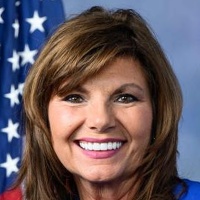
Diana Harshbarger
Representative
TN
Diana Harshbarger
Representative
TN
The Fair Access In Residency (FAIR) Act of 2025 aims to ensure equitable treatment of osteopathic (D.O.) and allopathic (M.D.) medical school graduates in residency applications. It requires hospitals receiving Medicare funds to report detailed data on D.O. and M.D. applicants and acceptances for each residency program. Hospitals failing to submit this required data will face a 2% reduction in their Medicare payments. This collected data will also be made publicly available to promote transparency in the residency recruitment process.