Legislative Activity
Track Gabe's sponsored bills, co-sponsored legislation, and voting record
This Act prohibits the retirement or fuel source conversion of certain dispatchable power plants in areas deemed at high or elevated risk of electricity supply shortfalls, while providing a pathway for financial relief or exemptions under specific reliability and financial hardship criteria.
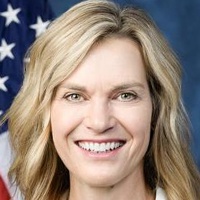
Julie Fedorchak
Representative
ND
Julie Fedorchak
Representative
ND
The Baseload Reliability Protection Act prohibits owners of certain dispatchable power plants in areas facing high or elevated risk of electricity shortages from retiring those units or switching their fuel source. Owners can seek an exemption from this ban from FERC, which must grant it if continued operation causes financial hardship or if retirement does not harm grid reliability. The Department of Energy may offer financial assistance to keep essential, money-losing plants operational.
This act exempts legally authorized pesticide applications from needing separate Clean Water Act permits for discharges into navigable waters, with specific exceptions for violations and certain industrial or stormwater discharges.
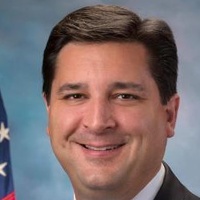
David Rouzer
Representative
NC
David Rouzer
Representative
NC
The Reducing Regulatory Burdens Act of 2025 aims to streamline pesticide regulation by generally exempting legally authorized pesticide applications from needing separate Clean Water Act discharge permits. This change applies when authorized pesticides or their residues enter navigable waters from a specific discharge point. However, the exemption does not apply if the discharge violates FIFRA rules, involves certain stormwater runoff, or originates from industrial processes or vessels.
This act updates WIC terminology and mandates the development of specialized nutrition education and outreach for participants affected by substance use disorder.
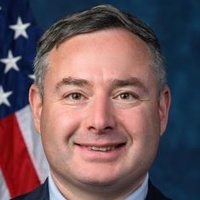
Eugene Vindman
Representative
VA
Eugene Vindman
Representative
VA
The Supporting Healthy Mothers and Infants Act of 2025 updates the WIC program by replacing outdated terminology with "substance use disorder." This legislation mandates the development of specialized, evidence-based nutrition education materials for WIC participants affected by substance use disorder. Furthermore, it requires the Secretary of Agriculture to actively reach out to and support these families through training and resource sharing. The Act authorizes $1 million for fiscal year 2026 to implement these new support activities.
This act mandates that FHA loan disclosures include comparable VA loan information and requires lenders to ask about military service on standard loan applications.
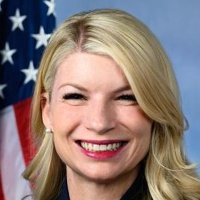
Brittany Pettersen
Representative
CO
Brittany Pettersen
Representative
CO
The VA Loan Informed Disclosure Act of 2025 (VALID Act) aims to increase awareness of VA loan options among homebuyers. It requires lenders to include comparative information about potential VA loan terms on standard FHA disclosure forms. Furthermore, the Act mandates that the Uniform Residential Loan Application include a prominent question regarding the applicant's military service.
The Patriots Over Politics Act creates a special 90-day window for service members separated solely for refusing the COVID-19 vaccine between August 2021 and January 2023 to transfer their VA education benefits to an eligible dependent.
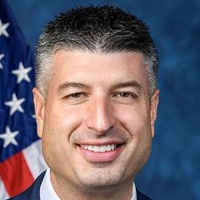
Tom Barrett
Representative
MI
Tom Barrett
Representative
MI
The Patriots Over Politics Act creates a special, limited window for certain service members separated for refusing the COVID-19 vaccine between August 2021 and January 2023 to transfer their unused VA education benefits to an eligible dependent. This transfer option is available for 90 days following the bill's enactment. If transferred to a child, the benefit use is contingent upon the service member having completed at least six years of service.
This bill mandates comprehensive federal data collection and reporting on attacks, aggression, and mental wellness to improve law enforcement officer safety and support.
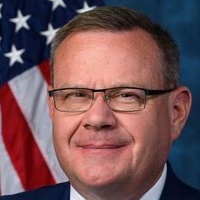
Tim Moore
Representative
NC
Tim Moore
Representative
NC
This bill mandates comprehensive federal reporting to better understand and address violence, aggression, and wellness challenges facing law enforcement officers. It requires the Attorney General to produce detailed reports analyzing attacks on officers, potential new data collection methods for non-criminal aggressive incidents, and the state of officer mental health resources. The goal is to use this improved data to recommend better federal, state, and local responses and support systems for officers.
This Act increases penalties for providing specific prohibited items to inmates and mandates a review and update of Bureau of Prisons policies regarding contraband.
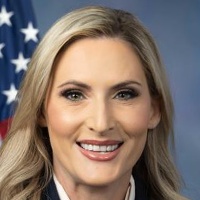
Laurel Lee
Representative
FL
Laurel Lee
Representative
FL
The Lieutenant Osvaldo Albarati Stopping Prison Contraband Act focuses on strengthening penalties for introducing prohibited items, specifically phones, into prisons. It mandates the Director of the Bureau of Prisons to review and update policies concerning prohibited objects to enhance the safety of inmates and staff. This legislation aims to curb contraband flow within correctional facilities.
This act establishes a federal grant program to help law enforcement officers afford and access childcare during their off-hours.
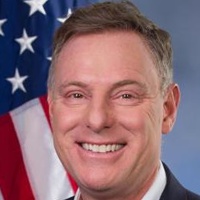
Scott Peters
Representative
CA
Scott Peters
Representative
CA
The Providing Child Care for Police Officers Act of 2025 establishes a new federal grant program to help law enforcement officers secure childcare during non-traditional hours. Administered by HHS, these competitive grants will fund local agencies to offer subsidies, start new facilities, or cover operational costs for officers. The program requires state agencies to apply and secure matching funds, with a sunset date of September 30, 2030.
This Act mandates that health plans cover medically necessary treatment for congenital anomalies or birth defects affecting the eyes, ears, teeth, mouth, or jaw to restore normal function and appearance.
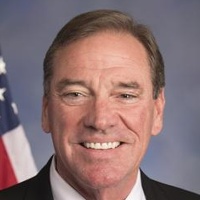
Neal Dunn
Representative
FL
Neal Dunn
Representative
FL
The Ensuring Lasting Smiles Act mandates that group health plans and insurance policies provide comprehensive coverage for medically necessary treatment related to congenital anomalies or birth defects affecting the eyes, ears, teeth, mouth, or jaw. This coverage must include services needed to restore normal function and appearance, including necessary dental and orthodontic support. Plans must apply cost-sharing rules no more restrictive than those for other medical benefits, excluding purely cosmetic procedures.
This Act restricts Department of Homeland Security funding for U.S. colleges and universities that maintain relationships with Confucius Institutes, the Thousand Talents Program, or designated Chinese Entities of Concern.
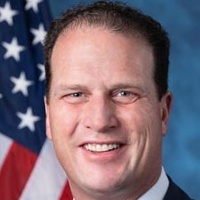
August Pfluger
Representative
TX
August Pfluger
Representative
TX
This Act restricts federal funding from the Department of Homeland Security (DHS) for U.S. colleges and universities that maintain relationships with Confucius Institutes or designated "Chinese Entities of Concern." These entities are broadly defined to include Chinese schools involved in military fusion, intelligence support, or human rights abuses. Institutions must sever ties with these groups to remain eligible for DHS funding, though limited, case-by-case national security waivers may be granted. The DHS is also required to report annually to Congress on the implementation of these restrictions.
This bill significantly increases mandatory minimum prison sentences for non-citizens who commit crimes after entering the U.S. illegally or after previous removal.
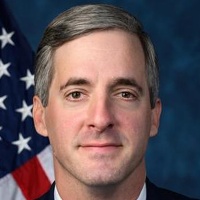
Brad Knott
Representative
NC
Brad Knott
Representative
NC
The Punishing Illegal Immigrant Felons Act of 2025 significantly increases prison sentences for non-citizens who commit crimes after entering the U.S. illegally or after being previously removed. This legislation mandates substantial minimum prison terms—including an additional five years for illegal entry followed by a felony conviction and a new ten-year minimum for re-entry after deportation coupled with a crime. The bill aims to impose much harsher penalties on undocumented immigrants who commit serious offenses.
The CHOICE for Veterans Act of 2025 establishes new federal standards, oversight, and penalties for agents and attorneys who assist veterans in filing Department of Veterans Affairs benefit claims while extending certain pension payment limitations.
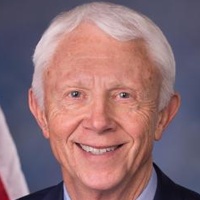
Jack Bergman
Representative
MI
Jack Bergman
Representative
MI
The CHOICE for Veterans Act of 2025 aims to overhaul how veterans receive assistance with their Department of Veterans Affairs (VA) benefit claims. It establishes new rules for the recognition, fees, and conduct of agents and attorneys who represent veterans. The bill also mandates increased transparency regarding available assistance and requires a review of the entire representative recognition process.
The Captive Primate Safety Act of 2025 bans the interstate commerce, breeding, and possession of most nonhuman primates, with limited exceptions for existing registered owners and research facilities.
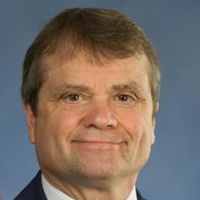
Mike Quigley
Representative
IL
Mike Quigley
Representative
IL
The Captive Primate Safety Act of 2025 amends the Lacey Act to prohibit the importation, sale, breeding, and possession of most nonhuman primates across state lines. This sweeping ban includes species like monkeys and lemurs, with limited exceptions for registered research facilities and existing owners who register their animals promptly. The law establishes immediate prohibitions, even before the Secretary of the Interior finalizes all associated regulations.
This Act significantly boosts tax credits and tightens domestic sourcing requirements for battery manufacturing and critical minerals to strengthen the U.S. supply chain.
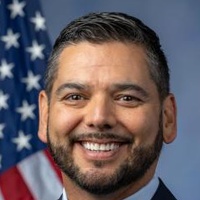
Raul Ruiz
Representative
CA
Raul Ruiz
Representative
CA
The Critical Minerals and Manufacturing Support Act significantly enhances the advanced manufacturing tax credit for battery production by increasing incentives for domestic and allied sourcing. This legislation raises the credit rate for electrode materials and tightens sourcing requirements, mandating that a rising percentage of critical minerals and component value originate from the U.S. or free-trade partners. Furthermore, it explicitly disqualifies components tied to "foreign entities of concern" from receiving these federal manufacturing incentives.
The LOCOMOTIVES Act centralizes federal authority over emission standards for existing locomotives and engines, limiting the ability of states to impose their own regulations on this equipment.
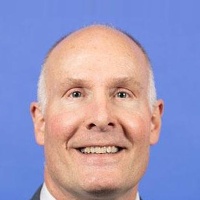
John Moolenaar
Representative
MI
John Moolenaar
Representative
MI
The Lifting Overburdensome Commerce Obstructions and Motives (LOCOMOTIVES) Act clarifies and strengthens federal authority over emission standards for existing locomotives and engines. This legislation limits the ability of states to set their own pollution control standards for certain railroad equipment. Specifically, it expands federal preemption to cover more nonroad engines and locomotives engaged in commerce.
This act establishes research grants and training programs to develop and implement PFAS-free, next-generation turnout gear to protect firefighters from occupational illness and injury.
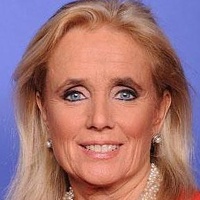
Debbie Dingell
Representative
MI
Debbie Dingell
Representative
MI
The PFAS Alternatives Act aims to protect firefighters by funding research and development for next-generation turnout gear that eliminates harmful PFAS chemicals. The bill establishes grants through NIOSH to create safer, PFAS-free protective equipment and separate funding for training programs on the proper care of this new gear. Ultimately, this legislation seeks to reduce occupational illness and injury among fire and EMS personnel.
This Act establishes a grant program through the Department of Homeland Security to fund medical care for retired Federal working dogs living with their former handlers.
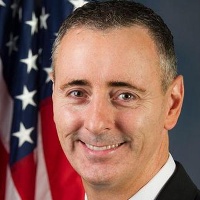
Brian Fitzpatrick
Representative
PA
Brian Fitzpatrick
Representative
PA
The Honoring our K9 Heroes Act establishes a new grant program administered by the Department of Homeland Security to help cover medical expenses for retired Federal working dogs. Eligible non-profit organizations with a history of supporting these retired K9s can apply for funding. This initiative is authorized with $1 million annually from Fiscal Year 2026 through 2030 to support dogs living with their former handlers.
This Act prohibits the use of federal funds for emergency response maps after fiscal year 2026 unless the maps meet strict digital, storage, interoperability, and detailed content requirements, and mandates a federal strategy for acquiring and distributing these compliant maps.
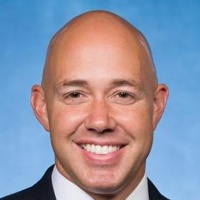
Brian Mast
Representative
FL
Brian Mast
Representative
FL
The Uniform School Mapping Act prohibits the use of federal funds to purchase emergency response maps after fiscal year 2026 unless those maps meet strict digital, storage, and content requirements. These mandated maps must detail critical building features and be easily shareable with public safety agencies at no cost. Furthermore, the Secretary of Homeland Security must develop a strategy to ensure the federal government acquires and distributes these standardized maps for critical properties.
The SOAR Act of 2025 reforms Medicare oxygen benefits by removing competitive bidding, establishing specific supplier responsibilities, enhancing fraud protection through electronic documentation, and enshrining patient rights for supplemental oxygen recipients.
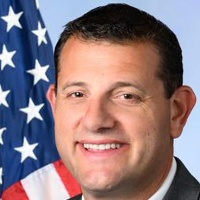
David Valadao
Representative
CA
David Valadao
Representative
CA
The SOAR Act of 2025 aims to significantly reform Medicare access to supplemental oxygen by removing it from the competitive bidding program and establishing new payment rates. The bill also mandates clearer documentation requirements for medical necessity using electronic templates and restores clinical judgment in claim audits. Finally, it establishes specific rights for oxygen beneficiaries and improves reimbursement for respiratory therapists.
This bill establishes a working group within the Department of Homeland Security to monitor, analyze, and counter transnational repression activities targeting individuals in the U.S. and abroad, requiring annual reports to Congress and the development of technologies to combat such repression.
August Pfluger
Representative
TX
August Pfluger
Representative
TX
The Countering Transnational Repression Act of 2025 establishes a working group within the Department of Homeland Security to monitor and counter transnational repression activities, such as harassment and intimidation, targeting individuals in the U.S. by foreign governments. The working group will coordinate with intelligence agencies, review information from various partners, and provide annual reports to Congress on its findings and efforts. The Act also directs research and development into technologies to counter transnational repression, ensuring all activities comply with constitutional and privacy protections.