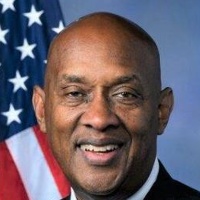
Legislative Activity
Track Dwight's sponsored bills, co-sponsored legislation, and voting record
The FIGHT Act of 2025 strengthens federal prohibitions against animal fighting, enhances enforcement mechanisms, and allows citizens to sue violators of animal fighting provisions.
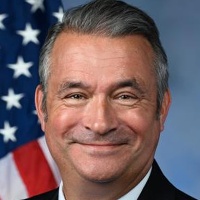
Don Bacon
Representative
NE
Don Bacon
Representative
NE
The FIGHT Act of 2025 significantly strengthens federal prohibitions against animal fighting ventures, specifically targeting the sponsorship, exhibition, and gambling associated with these events. This legislation clarifies the definition of a rooster for legal purposes and bans the interstate transport of roosters for fighting. Furthermore, it empowers private citizens to file lawsuits against violators, allowing for civil penalties and the potential seizure of property used to facilitate illegal animal fighting.
The My Body, My Data Act of 2025 establishes strict limits on the collection, use, and sharing of personal reproductive and sexual health information, while granting individuals robust rights to access, correct, and delete their sensitive data.
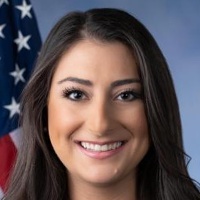
Sara Jacobs
Representative
CA
Sara Jacobs
Representative
CA
The My Body, My Data Act of 2025 establishes strict federal protections for personal reproductive and sexual health information held by regulated entities. This law limits data collection and sharing to only what is strictly necessary for providing requested services. It grants individuals the rights to access, correct, and delete this sensitive data, and requires clear public privacy policies detailing data handling practices. Finally, the Act prohibits retaliation against individuals who exercise these new privacy rights and grants enforcement authority to the FTC while allowing individuals to sue violators.
The ENROLL Act of 2025 expands the duties, funding, and physical presence requirements for Affordable Care Act Navigators to better assist consumers with health coverage options.
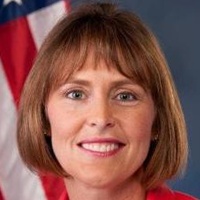
Kathy Castor
Representative
FL
Kathy Castor
Representative
FL
The ENROLL Act of 2025 aims to strengthen the ACA Navigator program by expanding their required duties to include educating the public on Medicaid and CHIP. This legislation mandates that federally-run Marketplaces prioritize qualified applicants and ensures dedicated annual funding for Navigator grants in those states. Furthermore, Navigators will now be required to maintain a physical presence to provide in-person assistance throughout the year.
This resolution demands the President and key Secretaries provide the House with documents regarding the development and use of a centralized federal database compiling American citizens' personal information, allegedly developed with Palantir Technologies Inc.

Lloyd Doggett
Representative
TX
Lloyd Doggett
Representative
TX
This resolution formally requests the President and key Cabinet Secretaries to provide the House of Representatives with all documents related to the development of a centralized federal database compiled by the government and Palantir Technologies Inc. The inquiry specifically seeks records concerning the consolidation of sensitive personal data—including tax, health, and financial information—across multiple federal agencies. Congress is demanding transparency regarding the scope, purpose, and contractual basis for this data aggregation effort.
This Act permanently protects inventoried roadless areas within the National Forest System from new road construction and logging, upholding existing federal "Roadless Rule" prohibitions.
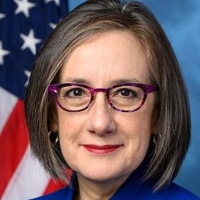
Andrea Salinas
Representative
OR
Andrea Salinas
Representative
OR
The Roadless Area Conservation Act of 2025 aims to provide lasting protection for inventoried roadless areas within the National Forest System. This legislation codifies existing federal regulations, known as the "Roadless Rule," which generally prohibits the construction of new roads or the cutting of timber in these sensitive zones. The purpose is to safeguard critical ecological benefits, clean water sources, and wildlife habitats while maintaining the Forest Service's multiple-use management mission.
This bill establishes minimum and emergency staffing requirements for the Low-Income Home Energy Assistance Program (LIHEAP) and limits the use of contractors.
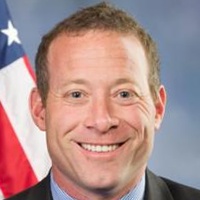
Josh Gottheimer
Representative
NJ
Josh Gottheimer
Representative
NJ
The LIHEAP Staffing Support Act establishes minimum staffing requirements for the Low-Income Home Energy Assistance Program (LIHEAP) to ensure effective program administration. It mandates a baseline of at least 20 dedicated employees, with limits on contractor usage during normal operations. Furthermore, the bill requires an emergency staffing boost to at least 30 employees within 45 days of declaring an energy crisis.
This Act establishes new procedures for Federal Firearms Licensees when background checks are delayed, mandates reporting on delayed and denied transfers, and removes a specific time limit from existing background check law.

James Clyburn
Representative
SC
James Clyburn
Representative
SC
The Enhanced Background Checks Act of 2025 reforms federal firearm background check procedures, establishing a formal petition process for buyers when the system delays a decision beyond 10 business days. This bill removes the previous 10-day time limit on background checks under the Brady Act while mandating extensive reporting from the GAO and FBI on the effectiveness and outcomes of these delayed transfers. Furthermore, the Attorney General must report on the law's impact on domestic violence victims within 150 days of enactment.
This Act mandates that most private firearm transfers must go through a licensed dealer to ensure background checks are performed on all purchasers.
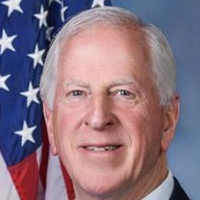
Mike Thompson
Representative
CA
Mike Thompson
Representative
CA
The Bipartisan Background Checks Act of 2025 aims to strengthen existing federal background check systems to prevent prohibited persons from acquiring firearms. This bill primarily mandates that most private firearm transfers must be facilitated through a licensed dealer who will conduct a background check. The legislation includes specific exceptions for family gifts, law enforcement, and temporary transfers under emergency circumstances.
This resolution expresses the House's sense that the U.S. must take urgent, coordinated action to address the national housing crisis through the preservation and production of affordable housing.
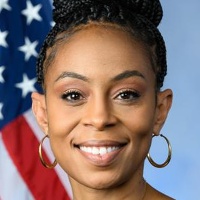
Shontel Brown
Representative
OH
Shontel Brown
Representative
OH
This resolution declares the severe lack of affordable housing a national crisis requiring urgent, coordinated action. It calls upon federal, state, and local governments, alongside private and nonprofit partners, to prioritize the production of new affordable units and the preservation of existing ones. The bill emphasizes the need for smart policies that encourage building, protect tenants, and ensure housing stability for all Americans.
This Act establishes a competitive grant program to fund activities that enhance and ensure inclusive arts education for children with disabilities.
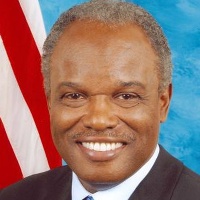
David Scott
Representative
GA
David Scott
Representative
GA
The Reimagining Inclusive Arts Education Act establishes a new competitive grant program to fund activities that enhance and ensure inclusive arts education for children with disabilities. These grants will support organizations in developing new teaching methods, providing professional training, and adapting materials to increase access. Priority will be given to entities serving schools already receiving Title I funding, with an authorization of $15 million across five fiscal years.
This Act establishes the Minority Entrepreneurship Grant Program to fund initiatives at minority-serving institutions and HBCUs that support student entrepreneurs in starting and growing businesses.
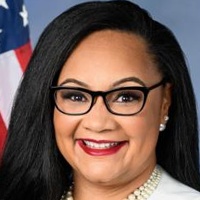
Nikema Williams
Representative
GA
Nikema Williams
Representative
GA
The Minority Entrepreneurship Grant Program Act of 2025 establishes a new grant program administered by the SBA to fund Minority-Serving Institutions (MSIs) and Historically Black Colleges and Universities (HBCUs). These grants, starting at a minimum of $250,000 per institution, are intended to create or expand programs that provide technical assistance and startup capital to minority student entrepreneurs. The Act also creates a specialized, exempt Advisory Board to recommend best practices for supporting minority business development through these educational institutions.
This resolution urgently calls for the immediate delivery of humanitarian aid to address the severe hunger crisis in Gaza and demands the administration use all diplomatic means to secure hostage release and end the fighting.

Pramila Jayapal
Representative
WA
Pramila Jayapal
Representative
WA
This resolution formally expresses the House of Representatives' grave concern over the severe humanitarian crisis and widespread suffering of civilians in Gaza, alongside the plight of hostages. It urgently calls on the Administration to use all diplomatic tools to secure the release of all hostages. Furthermore, the bill demands the immediate delivery and secure distribution of essential humanitarian aid to address the catastrophic hunger crisis in Gaza.
This act repeals certain provisions of the Protection of Lawful Commerce in Arms Act and allows federal gun trace information to be discoverable and admissible in civil proceedings.
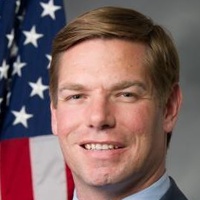
Eric Swalwell
Representative
CA
Eric Swalwell
Representative
CA
The Equal Access to Justice for Victims of Gun Violence Act of 2025 repeals key provisions of the Protection of Lawful Commerce in Arms Act. This legislation allows federal gun trace information to be discoverable and admissible as evidence in civil lawsuits and administrative hearings. The bill aims to provide victims of gun violence with greater access to relevant data in legal proceedings.
This Act immediately repeals specific Executive Orders that harm LGBTQI+ individuals and prohibits the use of federal funds to enforce them, while preserving the President's constitutional authority.
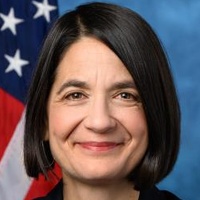
Becca Balint
Representative
VT
Becca Balint
Representative
VT
The No Place for LGBTQ+ Hate Act immediately repeals specific Executive Orders that reportedly targeted or limited the rights of LGBTQI individuals across federal areas like employment and healthcare. This legislation also prohibits the use of any federal funds to enforce or carry out these canceled orders. The bill includes a savings provision to ensure it does not infringe upon the President's existing constitutional authority.
The POST GRAD Act reinstates the government's authority to issue Federal Direct Stafford Loans to graduate and professional students until June 30, 2025, without requiring standard rulemaking procedures.
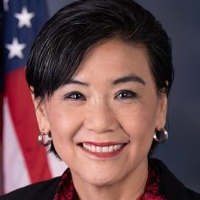
Judy Chu
Representative
CA
Judy Chu
Representative
CA
The POST GRAD Act reinstates the government's authority to issue Federal Direct Stafford Loans to graduate and professional students through June 30, 2025. This legislation amends existing law to extend the availability of these federal loans. Furthermore, the Act allows these changes to take effect immediately by exempting them from standard federal rulemaking and public comment requirements.
The Excess Urban Heat Mitigation Act of 2025 establishes a grant program to fund projects, prioritizing low-income areas, that reduce extreme heat in urban environments through measures like tree planting and installing cooling infrastructure.
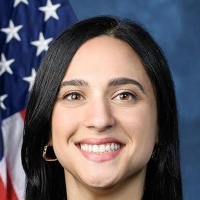
Yassamin Ansari
Representative
AZ
Yassamin Ansari
Representative
AZ
The Excess Urban Heat Mitigation Act of 2025 establishes a new grant program to combat dangerous urban heat islands, which disproportionately affect low-income and minority communities. This program will fund eligible entities for projects like tree planting, installing cool pavements, and establishing cooling centers. At least 75% of the annual funding must target designated low-income census tracts, ensuring resources are directed to the most vulnerable areas. The Act authorizes $30 million annually through fiscal year 2033 to support these essential mitigation efforts.
This resolution expresses the House's sense that Congress should enact the Older Americans Bill of Rights to guarantee older Americans the right to live with dignity and independence through improved healthcare, financial security, and community participation.

Janice Schakowsky
Representative
IL
Janice Schakowsky
Representative
IL
This resolution expresses the sense of the House that Congress should enact the Older Americans Bill of Rights to affirm the right of older Americans to live with dignity and independence. It highlights severe challenges facing seniors, including poverty, food insecurity, social isolation, and gaps in healthcare access. The proposed Bill of Rights calls for strengthening Social Security and Medicare, lowering prescription drug costs, and ensuring access to affordable housing and essential services. Ultimately, this measure urges Congress to establish comprehensive protections for the financial security, health, and community participation of older adults.
The Menstrual Equity For All Act of 2025 mandates the provision of free menstrual products across schools, correctional facilities, federal buildings, and workplaces, while also expanding coverage under Medicaid and eliminating sales tax on these essential items.

Grace Meng
Representative
NY
Grace Meng
Representative
NY
The Menstrual Equity For All Act of 2025 aims to eliminate period poverty by ensuring access to free menstrual products across various sectors of society. This comprehensive bill mandates the availability of these essential supplies in K-12 schools, colleges, correctional facilities, federal buildings, and workplaces with over 100 employees. Furthermore, it expands coverage under Medicaid, allocates specific funding through social service block grants and TANF programs, and prohibits states from taxing menstrual products.
This Act mandates that colleges and universities must print or post essential suicide prevention contact information, including the 988 Lifeline, on student IDs or websites.
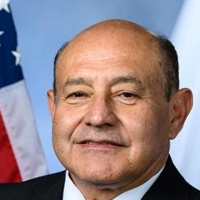
J. Correa
Representative
CA
J. Correa
Representative
CA
The Improving Mental Health Access for Students Act mandates that colleges and universities must prominently display essential mental health and suicide prevention contact information on student ID cards or official websites. This includes the 988 Suicide and Crisis Lifeline, the Crisis Text Line, and the campus mental health center. These requirements take effect one year after the Act is signed into law.
The Strength in Diversity Act of 2025 authorizes competitive grants to states and districts to develop and implement plans that reduce racial and economic isolation in public schools.
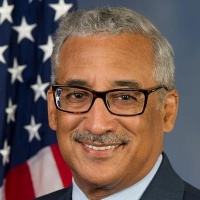
Robert Scott
Representative
VA
Robert Scott
Representative
VA
The Strength in Diversity Act of 2025 establishes a competitive grant program to help states and districts address racial isolation and concentrated poverty in public schools. Funds will support the creation and implementation of plans designed to increase racial and economic diversity within covered schools. The law emphasizes performance measurement focused on both student outcomes and diversity metrics, while explicitly prohibiting federal control over local educational decisions.