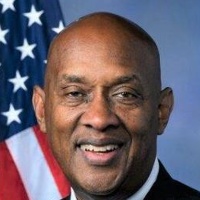
Legislative Activity
Track Dwight's sponsored bills, co-sponsored legislation, and voting record
This resolution declares the Trump administration's fossil fuel directives a health and safety emergency disproportionately harming children's fundamental rights by worsening climate change and suppressing climate science.

Janice Schakowsky
Representative
IL
Janice Schakowsky
Representative
IL
This resolution declares a health and safety emergency disproportionately affecting children due to prior administration directives that promoted fossil fuels and suppressed climate science. Congress asserts that these actions harm children's fundamental rights to life and a stable environment by worsening climate change impacts. The bill demands the current administration cease policies that increase greenhouse gases and restore access to suppressed climate research. Ultimately, it calls for aligning all energy and climate laws with the duty to protect the rights and future of young people.
This Act amends bankruptcy law to make it easier for struggling student loan borrowers to discharge their debt by removing the "undue hardship" standard.
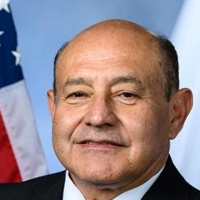
J. Correa
Representative
CA
J. Correa
Representative
CA
The Student Loan Bankruptcy Improvement Act of 2025 aims to reform the bankruptcy process for student loan borrowers. This bill seeks to lower the current, overly difficult standard required to discharge student loan debt in bankruptcy proceedings. By making these changes, Congress intends to provide struggling borrowers with a genuine opportunity for a financial fresh start.
This Act mandates research into cosmetic health disparities affecting communities of color and salon workers, funds safer alternative development, establishes resource centers for beauty justice and worker safety, and requires translated safety data sheets for professional products, while also regulating synthetic braids.
Janice Schakowsky
Representative
IL
Janice Schakowsky
Representative
IL
The Cosmetic Safety for Communities of Color and Professional Salon Workers Act of 2025 aims to enhance cosmetic safety through targeted research into health disparities affecting communities of color and salon workers. The bill mandates improved access to safety data sheets in multiple languages for professional products and establishes two new National Resource Centers to empower these communities and workers. Finally, it brings synthetic hair braids under FDA cosmetic regulation, requiring new safety standards and labeling.
This Act mandates increased ingredient and supply chain transparency for cosmetics, establishes federal standards while preserving stricter state regulations, and requires the FDA to maintain a public list of harmful trace constituents.
Janice Schakowsky
Representative
IL
Janice Schakowsky
Representative
IL
The Cosmetic Supply Chain Transparency Act of 2025 enhances cosmetic regulation by requiring detailed ingredient and supply chain information sharing between brand owners and suppliers. This law mandates the FDA to create a public list of harmful, nonfunctional chemical traces that suppliers must eventually test for and certify. Importantly, this federal legislation preserves the right of states to enact stricter ingredient or transparency rules than those established here.
This bill mandates comprehensive online and label disclosure of all cosmetic ingredients, especially fragrances and flavors, while preserving stronger state regulations.
Janice Schakowsky
Representative
IL
Janice Schakowsky
Representative
IL
The Cosmetic Hazardous Ingredient Right to Know Act of 2025 significantly updates cosmetic regulation by mandating comprehensive ingredient disclosure, especially for fragrances and flavors, on both product labels and brand owner websites. This law requires detailed, machine-readable online ingredient lists and specific hazard warnings on packaging if certain harmful chemicals are present. Importantly, this federal act preserves the authority of states to enact stricter ingredient bans or transparency requirements.
The Housing Is a Human Right Act of 2025 shifts federal focus from penalizing homelessness to investing in supportive alternatives, increasing housing infrastructure funding, and ensuring equitable access to housing and voting rights.
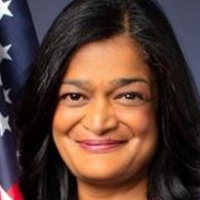
Pramila Jayapal
Representative
WA
Pramila Jayapal
Representative
WA
The Housing Is a Human Right Act of 2025 aims to combat homelessness and housing instability through comprehensive federal action. It establishes new funding streams and infrastructure investments to build affordable housing and provide direct support services while shifting local responses away from criminalizing poverty. Furthermore, the Act introduces new taxes on high-value real estate transactions to fund these initiatives and mandates stronger civil rights protections across federal housing and assistance programs.
This Act mandates federal standards requiring employers to implement comprehensive heat illness and injury prevention programs to protect workers from dangerous heat stress.
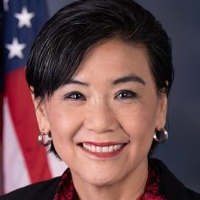
Judy Chu
Representative
CA
Judy Chu
Representative
CA
The Asunción Valdivia Heat Illness, Injury, and Fatality Prevention Act of 2025 mandates that employers protect workers from dangerous heat stress by establishing comprehensive safety standards. This Act requires the Secretary of Labor to create evidence-based rules covering engineering controls, administrative procedures, required training, and paid rest breaks to prevent heat-related illness. Furthermore, the law establishes strict enforcement mechanisms, whistleblower protections, and specific timelines for the implementation of these new federal heat protection standards.
This resolution urges Congress to prioritize the rapid and equitable development of solutions that address the unique health vulnerabilities of children facing extreme weather and poor air quality.
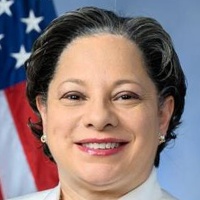
Jennifer McClellan
Representative
VA
Jennifer McClellan
Representative
VA
This resolution expresses the sense of Congress that extreme weather poses unique and severe threats to the health and well-being of children. It urges that solutions to address these escalating dangers must be rapidly and equitably developed and deployed with children's specific vulnerabilities in mind. The bill calls for prioritizing the physical and mental health needs of children in all future climate adaptation and air quality planning efforts.
This bill establishes strict limits and reporting requirements for donations made to Presidential Libraries and Centers, particularly targeting lobbyists, federal contractors, and foreign nationals while a president is in or recently out of office.
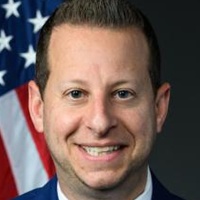
Jared Moskowitz
Representative
FL
Jared Moskowitz
Representative
FL
This bill amends federal law to establish strict limits and reporting requirements for donations made to Presidential Libraries and Centers. It prohibits certain restricted entities, such as lobbyists and federal contractors, from donating while a President is in office or for two years after they leave. The legislation also imposes an aggregate $10,000 lifetime donation cap per person and mandates public disclosure of all significant contributions.
This comprehensive act establishes federal entitlements and grants to ensure access to affordable, high-quality child care and universal preschool for young children while significantly increasing compensation for early childhood educators.
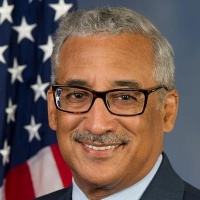
Robert Scott
Representative
VA
Robert Scott
Representative
VA
The Child Care for Working Families Act establishes comprehensive federal programs to ensure access to high-quality, affordable child care and universal preschool for young children. The legislation creates an entitlement program for child care, mandates that provider reimbursement rates cover actual costs and ensure living wages for staff, and establishes free, universal preschool for 3- and 4-year-olds. Additionally, it provides dedicated funding to stabilize childcare providers and extend the operating hours and compensation for Head Start staff.
The Cool Corridors Act of 2025 extends funding for the Healthy Streets program to prioritize installing green infrastructure like trees along transportation routes in heat-vulnerable communities to mitigate extreme heat and improve transit access.
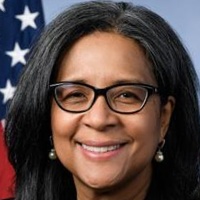
Marilyn Strickland
Representative
WA
Marilyn Strickland
Representative
WA
The Cool Corridors Act of 2025 aims to combat extreme heat and improve transportation safety by funding the installation of green infrastructure, like trees, along walking, biking, and transit routes. This legislation reauthorizes and updates the Healthy Streets program to prioritize these cooling projects in the most vulnerable and underserved communities. The Act defines "cool corridors" and establishes clear criteria for demonstration projects focused on heat mitigation and long-term maintenance.
This resolution demands the immediate handover of all unclassified federal documents related to the Jeffrey Epstein investigation within 14 days, authorizing subpoenas if the executive branch fails to comply.
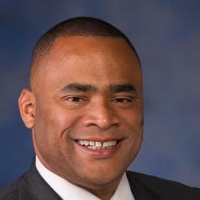
Marc Veasey
Representative
TX
Marc Veasey
Representative
TX
This resolution demands that federal agencies immediately release all unclassified documents related to the Jeffrey Epstein investigation. Congress is asserting its constitutional authority to compel transparency regarding Epstein's network, client lists, and internal agency communications. Agencies have 14 days to comply before the House initiates subpoena proceedings to force disclosure.
This bill authorizes the creation and sale of commemorative coins for the 2028 Los Angeles and 2034 Salt Lake City Olympic and Paralympic Games to help fund the events, with all surcharges going to the respective organizing committees after covering production costs.
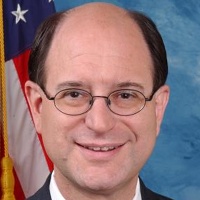
Brad Sherman
Representative
CA
Brad Sherman
Representative
CA
This Act authorizes the Secretary of the Treasury to mint and sell special commemorative coins for the 2028 Los Angeles Olympic and Paralympic Games and the 2034 Salt Lake City Winter Olympic and Paralympic Games. The coins will feature designs celebrating American athletes and the Games themselves. All surcharges collected from the sale of these coins will be directed to the respective organizing committees to help fund the events and related youth sports programs. The entire program must be conducted at no cost to the U.S. Government.
This resolution officially honors the victims of the 1967 Newark riots and acknowledges their enduring impact on the community and the national conversation on inequality.
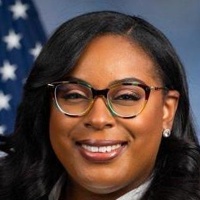
LaMonica McIver
Representative
NJ
LaMonica McIver
Representative
NJ
This resolution officially honors the memory of the victims of the 1967 Newark riots and acknowledges the enduring impact of the civil unrest on the community. It recognizes the historical context, causes, and consequences of the events, including systemic inequality and police misconduct. Furthermore, the resolution commits to supporting ongoing efforts to address racial and economic disparities to prevent future unrest.
This resolution expresses support for designating July 10th as Journeyman Lineworkers Recognition Day to honor the dangerous and essential service provided by these workers, especially during crises.
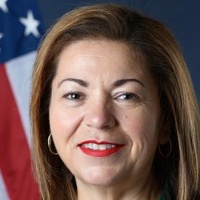
Linda Sánchez
Representative
CA
Linda Sánchez
Representative
CA
This resolution expresses support for designating July 10th as Journeyman Lineworkers Recognition Day. It honors the essential and dangerous work performed by these skilled professionals, especially their heroic efforts in restoring power after major disasters. The day serves to recognize their service and remember those who have lost their lives performing this vital work.
This Act updates the Higher Education Act of 1965 to explicitly include Head Start and Early Head Start programs under the definition of eligible community services.
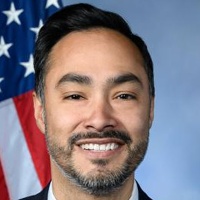
Joaquin Castro
Representative
TX
Joaquin Castro
Representative
TX
The Head Start for Our Future Act updates the Higher Education Act of 1965 by replacing the term "literacy training" with "child development and early learning" when describing eligible community services. This change explicitly ensures that Head Start and Early Head Start programs are recognized under this section of the law. The bill aims to better reflect the comprehensive nature of early childhood education services.
This Act phases out the use of aircraft in wild horse and burro roundups, mandates camera recording during any remaining aerial operations, and requires a GAO report on humane management alternatives.
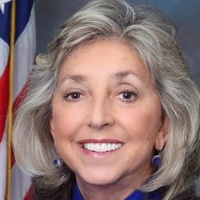
Dina Titus
Representative
NV
Dina Titus
Representative
NV
The Wild Horse and Burro Protection Act of 2025 aims to reform the management of wild horses and burros on federal lands by phasing out the use of helicopters in roundups over two years. This legislation mandates increased transparency through camera requirements on any remaining aircraft used during this transition. Furthermore, it directs the GAO to report on humane, non-aircraft population management alternatives and their economic impacts.
This bill establishes a grant program to help high-need school districts hire, retain, and diversify mental health professionals to expand student access to services.
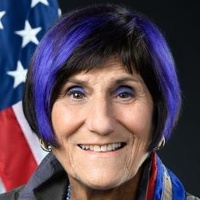
Rosa DeLauro
Representative
CT
Rosa DeLauro
Representative
CT
The Expanding Access to Mental Health Services in Schools Act of 2025 establishes a new federal grant program to increase the number of mental health professionals in high-need school districts. This funding is specifically designed to help eligible agencies recruit, hire, and retain school counselors, psychologists, and social workers. Grantees must demonstrate a plan to improve student-to-provider ratios and report annually on staffing improvements and provider retention.
This Act establishes a federal grant program to fund travel and logistical support for individuals accessing abortion services, explicitly excluding payment for the procedure itself.
Marilyn Strickland
Representative
WA
Marilyn Strickland
Representative
WA
The Reproductive Health Travel Fund Act of 2025 establishes a federal grant program to help cover the logistical costs associated with accessing abortion services. This funding is specifically designated for travel, lodging, childcare, and other support services for individuals, but explicitly excludes payment for the procedure itself. Priority for these grants will be given to established community organizations that assist people living in states with abortion bans or heavy restrictions. The Act also includes provisions to protect grant recipients and users from state or local interference related to the funded activities.
This resolution formally recognizes the history, achievements, and ongoing struggles of the LGBTQIA+ community while encouraging the celebration of Pride Month and affirming that LGBTQIA+ rights are human rights.
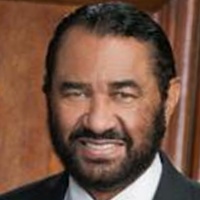
Al Green
Representative
TX
Al Green
Representative
TX
This resolution formally recognizes the history, achievements, and ongoing struggles of the LGBTQIA+ community in the United States. It serves as a declaration by Congress affirming that LGBTQIA+ rights are human rights and encouraging the celebration of Pride Month. The bill highlights key historical milestones, legal victories, and acknowledges the persistent challenges and violence faced by the community. Ultimately, it commits the U.S. to continuing the pursuit of full equality for all citizens.