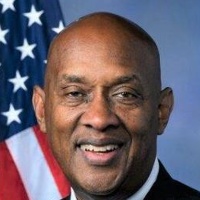
Legislative Activity
Track Dwight's sponsored bills, co-sponsored legislation, and voting record
This bill prohibits the Department of Housing and Urban Development from disclosing individual records to immigration enforcement agencies without explicit consent or a written request from the individual.
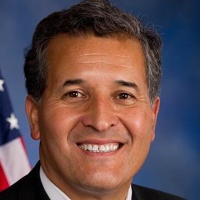
Juan Vargas
Representative
CA
Juan Vargas
Representative
CA
This bill prohibits the Secretary of Housing and Urban Development (HUD) from disclosing individual records to immigration enforcement agencies. HUD records are protected from sharing unless the individual provides consent or makes a written request in a language they understand. The legislation also prevents HUD from compelling public housing agencies to share these confidential records for immigration purposes.
This resolution demands the President provide the House with documents detailing the Department of Government Efficiency's access to and planned use of a cloud copy of the Social Security Administration's NUMIDENT database.
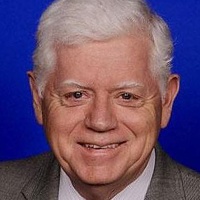
John Larson
Representative
CT
John Larson
Representative
CT
This resolution is a formal request from the House of Representatives demanding the President provide specific documents regarding the Department of Government Efficiency's access to and use of sensitive Social Security Administration (SSA) data, particularly the NUMIDENT database. Congress seeks detailed information on the creation of a cloud copy of NUMIDENT, including its intended uses, security assessments, and who has been granted access. The inquiry specifically targets records concerning data usage for federal audits, benefit denials, AI training, and potential private sales.
This resolution recognizes suicide as a serious public health crisis and expresses support for designating September as National Suicide Prevention Month and September 10, 2025, as World Suicide Prevention Day.
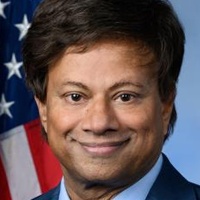
Shri Thanedar
Representative
MI
Shri Thanedar
Representative
MI
This resolution officially recognizes suicide as a serious public health crisis in the United States, highlighting the urgent need for prevention efforts across all demographics. It expresses strong support for designating September as "National Suicide Prevention Month" and September 10th as "World Suicide Prevention Day" to raise awareness. The measure calls for prioritizing comprehensive, tailored strategies to improve access to mental health and suicide prevention services nationwide.
This act removes a federal payment limitation for certain state Medicaid home and community-based services (HCBS) waivers.

Debbie Dingell
Representative
MI
Debbie Dingell
Representative
MI
The HCBS Worker Protection Act of 2025 removes a federal payment limitation for certain home and community-based services (HCBS) waivers under Medicaid. This change grants states greater flexibility in receiving federal matching funds for these essential community services.
This act modifies the Family and Medical Leave Act (FMLA) to establish specific eligibility criteria and leave calculation methods for paraprofessionals and other essential education support staff.
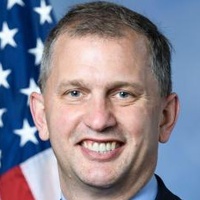
Sean Casten
Representative
IL
Sean Casten
Representative
IL
This bill, the ESP, Paraprofessional, and Education Support Staff Family Leave Act, updates eligibility requirements for certain school employees under the Family and Medical Leave Act (FMLA). It adjusts how paraprofessionals and education support staff meet the required hours of service by using a percentage of expected monthly hours worked during the school year. Furthermore, the bill mandates clear guidelines for calculating FMLA leave entitlement for these employees to account for non-standard school schedules.
The **Congressional Power of the Purse Act** strengthens Congress's control over impoundment, mandates detailed federal spending transparency, and tightens oversight on the declaration and termination of national emergencies.
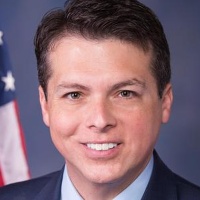
Brendan Boyle
Representative
PA
Brendan Boyle
Representative
PA
The Congressional Power of the Purse Act is a comprehensive bill designed to reassert Congressional authority over federal spending, emergency declarations, and executive branch financial oversight. It strengthens Congress's ability to prevent impoundment of appropriated funds, mandates greater transparency regarding unspent government money, and imposes strict time limits and review procedures on presidential declarations of national emergencies. Ultimately, the Act aims to increase accountability across the Executive Branch regarding the execution and management of taxpayer funds.
This Act establishes a framework for striking workers to access unemployment insurance benefits after a two-week waiting period or the hiring of permanent replacements.
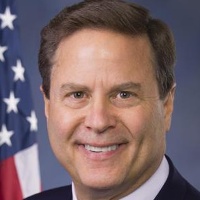
Donald Norcross
Representative
NJ
Donald Norcross
Representative
NJ
The Empowering Striking Workers Act of 2025 establishes a pathway for workers involved in a strike or lockout to receive unemployment insurance benefits after a mandatory 14-day waiting period. This legislation also exempts striking workers from the standard requirement to actively search for new employment while they are unable to work due to the labor dispute.
This bill formally integrates Puerto Rico into the federal Supplemental Nutrition Assistance Program (SNAP) structure, outlining a transition plan away from its current block grant system.
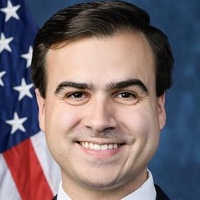
Pablo José Hernández Rivera
Representative
PR
Pablo José Hernández Rivera
Representative
PR
The Puerto Rico Nutrition Assistance Fairness Act aims to integrate Puerto Rico into the federal Supplemental Nutrition Assistance Program (SNAP) structure, aligning it with other territories like Guam. The bill mandates a transition period where Puerto Rico must submit a plan of operation to the Secretary of Agriculture for approval to join SNAP. During this transition, existing block grant funding may continue for up to five years while the territory moves toward full participation under federal SNAP rules.
This resolution recognizes suicide as a serious public health crisis and expresses support for designating September 8, 2025, as "988 Day" to promote the vital 988 Suicide and Crisis Lifeline.
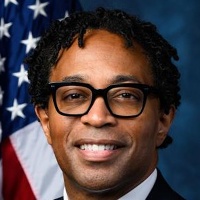
Wesley Bell
Representative
MO
Wesley Bell
Representative
MO
This resolution formally recognizes suicide as a serious public health crisis in the United States and expresses strong support for the 988 Suicide and Crisis Lifeline. It highlights the critical role of the 988 service in providing immediate, life-saving support to those in mental health distress. Furthermore, the resolution supports the designation of September 8th as "988 Day" to promote awareness of this essential resource.
This bill extends Haiti's preferential trade benefits until 2037, enhances annual labor compliance reviews for producers, and mandates U.S. technical assistance to boost and diversify Haitian exports.
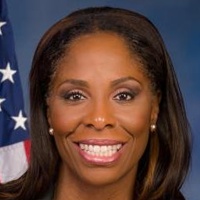
Stacey Plaskett
Representative
VI
Stacey Plaskett
Representative
VI
The HOPE for Haitian Prosperity Act of 2025 strengthens trade benefits for Haiti by extending preferential duty treatment until 2037 and increasing annual labor compliance reviews focusing on wages and working conditions. The bill also mandates the U.S. Trade Representative to provide targeted technical assistance aimed at increasing and diversifying Haitian exports to the United States. These measures seek to enhance Haiti's economic competitiveness while ensuring adherence to core labor standards.
This Act mandates parental consent for any school action supporting a student's gender identity different from their biological sex, tying compliance to federal education funding and allowing parents to sue for violations.
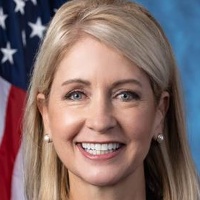
Mary Miller
Representative
IL
Mary Miller
Representative
IL
The Empower Parents to Protect their Kids Act mandates that schools receiving federal funding must obtain explicit parental consent before taking any action supporting a student's gender transition that differs from their biological sex. This legislation prohibits school staff from encouraging students to keep secrets from parents regarding gender identity or from hiding information about a student's transition plans. Parents are granted the right to sue schools directly for violations of these parental notification and consent requirements.
The MORE Act seeks to federally decriminalize cannabis, expunge past non-violent federal cannabis convictions, establish reinvestment programs, and open up SBA access for cannabis-related businesses.
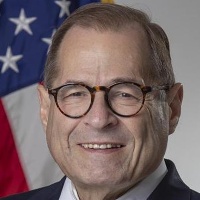
Jerrold Nadler
Representative
NY
Jerrold Nadler
Representative
NY
The Marijuana Opportunity Reinvestment and Expungement (MORE) Act seeks to federally decriminalize cannabis by removing it from the Controlled Substances Act, which will retroactively apply to past offenses. The bill establishes an Opportunity Trust Fund, financed by new cannabis taxes, to reinvest in communities harmed by prohibition. Furthermore, it mandates the expungement of non-violent federal cannabis convictions and opens up Small Business Administration (SBA) programs to legitimate cannabis businesses.
The Dont STEAL Act mandates that employers pay employees the highest rate among their contract, federal, or state requirements, and it introduces stricter criminal penalties for willful wage theft.
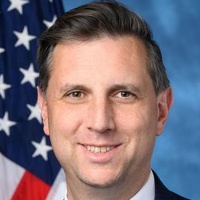
Seth Magaziner
Representative
RI
Seth Magaziner
Representative
RI
The Dont STEAL Act ensures employees are paid at least the highest amount guaranteed by their contract or federal/state law. It strengthens the Fair Labor Standards Act by establishing new criminal penalties, including potential prison time, for employers who willfully commit wage theft exceeding $1,000. Furthermore, fines collected from these new criminal penalties will fund the Department of Labor's enforcement efforts.
This bill amends federal law to count time spent in the Fulbright Teacher Exchange Program or the Fulbright English Teaching Assistant Program toward student loan forgiveness for public service employees.
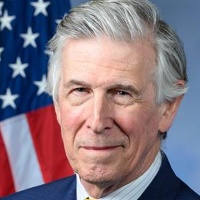
Donald Beyer
Representative
VA
Donald Beyer
Representative
VA
The Fulbright Teacher’s Loan Forgiveness Act amends federal law to recognize participation in the Fulbright Teacher Exchange Program or the Fulbright English Teaching Assistant Program as qualifying public service employment. This change allows individuals serving in these Fulbright programs to count that time toward the requirements for student loan cancellation under existing public service loan forgiveness rules.
This bill mandates a study to review and recommend improvements for protecting children in schools and childcare settings from wildfire smoke exposure.
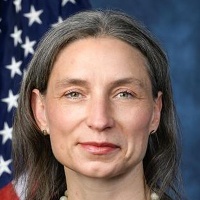
Maxine Dexter
Representative
OR
Maxine Dexter
Representative
OR
The Shielding Students from Wildfire Smoke Act directs the EPA to commission a comprehensive study on how K-12 schools and childcare facilities currently manage wildfire smoke exposure for children. This review will assess existing policies, identify gaps in protection, and recommend actionable strategies to Congress for improving safeguards, especially for resource-limited settings.
This resolution terminates the President's declared crime emergency in the District of Columbia, asserting that the emergency is unwarranted and the legal basis for federal MPD control is flawed.
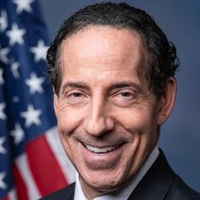
Jamie Raskin
Representative
MD
Jamie Raskin
Representative
MD
This resolution terminates the President's August 11, 2025, declaration of a crime emergency in the District of Columbia. Congress asserts that the President lacks the legal authority under the D.C. Home Rule Act to take operational control of the Metropolitan Police Department. Furthermore, the bill notes that local violent crime rates have been declining significantly.
The Keep Seniors Fed Act amends the Food and Nutrition Act of 2008 to include Title II Social Security payments when calculating eligibility for food assistance benefits.
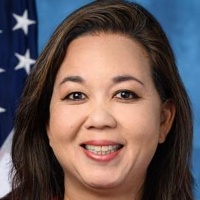
Jill Tokuda
Representative
HI
Jill Tokuda
Representative
HI
The Keep Seniors Fed Act makes technical amendments to the Food and Nutrition Act of 2008 regarding how income is calculated for food assistance eligibility. Specifically, it mandates that income received under Title II of the Social Security Act must now be counted when determining eligibility for benefits. These changes will take effect 90 days after the bill is signed into law.
This Act prohibits grocery stores from price gouging, using personal surveillance data to set individualized prices, and mandates disclosure of facial recognition use, while banning electronic shelf labels in larger stores.
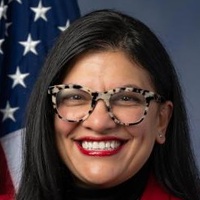
Rashida Tlaib
Representative
MI
Rashida Tlaib
Representative
MI
The Stop Price Gouging in Grocery Stores Act of 2025 aims to protect consumers by prohibiting grocery stores from charging "grossly excessive" prices for food items. The bill also bans stores from adjusting prices based on personal tracking data, such as facial recognition, and requires clear signage if facial recognition technology is used. Furthermore, it mandates that large physical grocery stores must use printed signs instead of electronic shelf labels for displaying prices.
This bill mandates that the Social Security Administration provide clearer, earlier notifications about Medicare eligibility, penalties, and coordination of benefits within Social Security statements for individuals approaching retirement age.
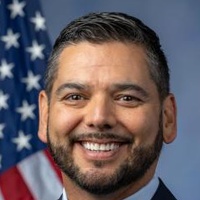
Raul Ruiz
Representative
CA
Raul Ruiz
Representative
CA
The Beneficiary Enrollment Notification and Eligibility Simplification 2.0 Act (BENES 2.0 Act) mandates that the Social Security Administration proactively inform individuals approaching retirement age about their Medicare eligibility. This is achieved by including a standardized, comprehensive notice about Medicare basics, penalties, and coordination with other insurance within their Social Security statements starting at age 60. The goal is to ensure beneficiaries receive critical enrollment information early enough to avoid late enrollment penalties. The required notice content will be developed in consultation with various stakeholder groups and reviewed regularly for updates.
This Act establishes a new federal program to provide dedicated, long-term funding to states for improving election administration, security, and accessibility, managed by a new federal office.
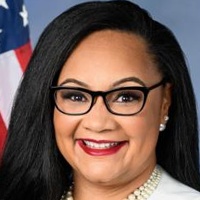
Nikema Williams
Representative
GA
Nikema Williams
Representative
GA
The Sustaining Our Democracy Act establishes a new federal program to provide annual grants to states for improving election administration, security, and accessibility, managed by a newly created Office of Democracy Advancement and Innovation. This funding is supported by a dedicated ten-year Trust Fund to ensure stable resources for election infrastructure upgrades. The bill imposes strict rules on how states can use the money, including prohibitions against purchasing insecure voting machines or restricting basic voter support. If states fail to comply, the federal Director can bypass state government to fund local election subdivisions directly.