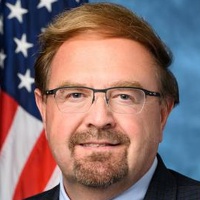
Legislative Activity
Track Charles's sponsored bills, co-sponsored legislation, and voting record
This act establishes national security priorities within the USDA, mandates a Senior Advisor for National Security, and requires regular reports to Congress on vulnerabilities in the food and agriculture sector.
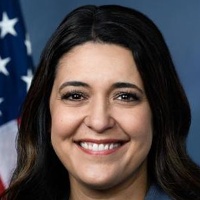
Stephanie Bice
Representative
OK
Stephanie Bice
Representative
OK
The Agriculture and National Security Act of 2026 formally recognizes food and agriculture as critical to national security. This bill establishes a Senior Advisor for National Security within the USDA to prioritize national security concerns alongside homeland security. It also mandates regular reporting to Congress on identified vulnerabilities, such as foreign influence and data control, and authorizes personnel exchanges with key defense and intelligence agencies.
This bill modifies deposits into the Crime Victims Fund by excluding certain False Claims Act recoveries and mandates an Inspector General audit of the Fund's sustainability.
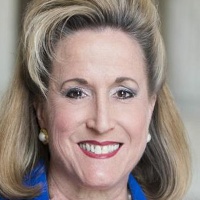
Ann Wagner
Representative
MO
Ann Wagner
Representative
MO
This bill amends the Victims of Crime Act of 1984 to temporarily exclude certain False Claims Act recoveries from being deposited into the Crime Victims Fund through fiscal year 2029. It also mandates a comprehensive audit by the Department of Justice Inspector General on the Fund's sustainability and the impact of recent legislative changes. The resulting report will provide recommendations for improving the Fund's effectiveness and oversight.
The Affordable HOMES Act establishes new procedures for recommending cost-effective energy efficiency standards for manufactured homes while nullifying a specific 2022 Department of Energy regulation.
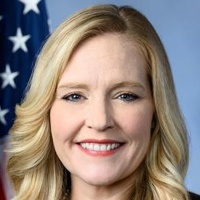
Erin Houchin
Representative
IN
Erin Houchin
Representative
IN
The Affordable HOMES Act establishes a new process for the Secretary of Energy to recommend revisions to national energy efficiency standards for manufactured homes to the Secretary of HUD. These recommendations must be cost-effective and consider the unique construction limitations of manufactured housing. Furthermore, the Act nullifies the Department of Energy's 2022 final rule regarding energy conservation standards for manufactured housing.
This resolution expresses the House's sense that the United States should aim to reduce and maintain the federal budget deficit at or below 3 percent of the Gross Domestic Product.
Bill Huizenga
Representative
MI
Bill Huizenga
Representative
MI
This resolution expresses the sense of the House that the United States should commit to reducing the annual federal budget deficit to 3% of GDP or less. It calls for Congress and the President to adopt fiscal policies aimed at achieving this bipartisan target by the end of fiscal year 2030. The bill also mandates recommendations for enforcement mechanisms and requires budget analyses to show how legislation impacts progress toward this goal.
This resolution expresses the House's disapproval of European digital regulations that allegedly burden American speech, innovation, and companies.
Jefferson Van Drew
Representative
NJ
Jefferson Van Drew
Representative
NJ
This resolution expresses the sense of the House that European digital regulations unfairly burden American speech and innovation. It specifically disapproves of laws like the EU's Digital Services Act and the UK's Online Safety Act, arguing they censor protected political discourse. The resolution calls on a future administration to use diplomatic and economic tools to protect First Amendment rights and American companies from these foreign mandates.
This act mandates the Treasury Secretary to report detailed debt reduction plans to Congress before raising the debt limit and requires the Treasury to provide specific national debt data to key congressional committees upon request.
Lloyd Smucker
Representative
PA
Lloyd Smucker
Representative
PA
The Debt Solution and Accountability Act requires the Secretary of the Treasury to provide Congress with detailed reports on the national debt and the President's debt-reduction plans before the debt limit is increased. This legislation also mandates that the Treasury Department provide specific national debt data to key Congressional committees upon request. Ultimately, the bill aims to increase transparency and accountability surrounding federal debt management.
This bill establishes a digital system for military beneficiaries to file and track complaints about access to care at military medical facilities and mandates an annual report analyzing these issues.
Steven Horsford
Representative
NV
Steven Horsford
Representative
NV
The Military CARE Act establishes a digital system for military beneficiaries to easily file and track complaints regarding access to care at military medical facilities. It mandates the creation of an annual report analyzing these complaints to identify trends and inform improvements. This aims to enhance transparency and accountability in military healthcare access.
This act removes Section 4024(c) from the CARES Act to clarify the enforcement of state housing laws.
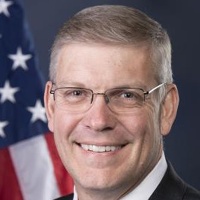
Barry Loudermilk
Representative
GA
Barry Loudermilk
Representative
GA
The Respect State Housing Laws Act aims to clarify federal housing regulations by amending the CARES Act. Specifically, this legislation removes Section 4024(c) from the CARES Act.
The Essential Caregivers Act of 2025 guarantees nursing home and long-term care residents the right to designate an essential caregiver who maintains access to them even during public health emergencies.
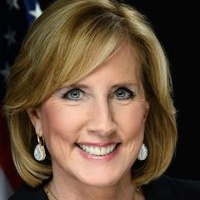
Claudia Tenney
Representative
NY
Claudia Tenney
Representative
NY
The Essential Caregivers Act of 2025 protects the rights of residents in long-term care facilities to designate an essential caregiver who can provide support and companionship. This legislation ensures that these caregivers maintain in-person access to residents even during public health emergencies when general visitation is restricted. By establishing clear protocols and an appeals process, the bill aims to prevent the harmful effects of isolation and ensure residents continue to receive vital care and advocacy.
This bill establishes the Professional Student Degree Act to define "professional degree" for student loan purposes, including specific advanced degrees required for professional practice.
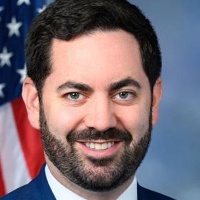
Michael Lawler
Representative
NY
Michael Lawler
Representative
NY
The Professional Student Degree Act seeks to amend the Higher Education Act by formally defining what constitutes a "professional degree" for student loan purposes. This definition specifies degrees that prepare students to immediately begin practicing in a profession and require a skill level beyond a standard bachelor's degree. The bill explicitly lists numerous professional degrees, such as Law, Medicine, and specialized health fields, under this new classification.
This bill authorizes Congress to award Congressional Gold Medals to the 1980 U.S. Men's Olympic Ice Hockey team for their historic "Miracle on Ice" victory.
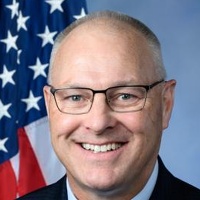
Pete Stauber
Representative
MN
Pete Stauber
Representative
MN
This bill, the Miracle on Ice Congressional Gold Medal Act, officially authorizes Congress to award Congressional Gold Medals to the 1980 U.S. Men's Olympic Ice Hockey Team for their historic "Miracle on Ice" victory. The medals will be struck by the Treasury and permanently displayed at specific national sports museums. The Act also permits the sale of duplicate bronze medals to cover production costs.
The SALAMANDER Act establishes expedited, coordinated general permits for post-disaster recovery activities to streamline environmental reviews while maintaining species protection.
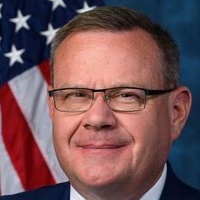
Tim Moore
Representative
NC
Tim Moore
Representative
NC
The SALAMANDER Act aims to expedite recovery following presidential-declared natural disasters by streamlining the permitting process for essential cleanup and restoration activities. It allows the Secretary of the Army to issue special, time-limited general permits for post-disaster work, provided these activities are coordinated with environmental agencies and adhere to agreed-upon best management practices. This measure is designed to reduce regulatory delays while maintaining necessary safeguards for threatened and endangered species.
This act establishes a five-year pilot program for federal grants to public schools to fund independent security risk assessments and implement necessary hard security improvements.
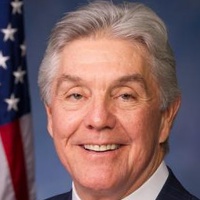
Roger Williams
Representative
TX
Roger Williams
Representative
TX
The Safer Schools Act of 2025 establishes a five-year pilot program managed by the Attorney General to award grants to public schools for security enhancements. These grants fund independent facility security risk assessments and "hard security improvements," such as physical infrastructure upgrades. Priority is given to schools that have experienced past incidents of deadly harm, and recipients must report on the effectiveness of the improvements.
This bill mandates that federal agencies submit annual reports detailing lawsuits, length, cost, and timelines associated with their National Environmental Policy Act (NEPA) compliance.
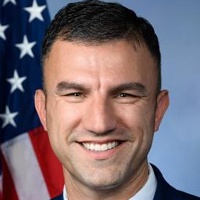
Rudy Yakym
Representative
IN
Rudy Yakym
Representative
IN
This bill, the "Studying NEPA’s Impact on Projects Act," mandates that federal agencies submit annual reports detailing the impact of the National Environmental Policy Act (NEPA) on their projects. These reports must cover lawsuits alleging NEPA violations, as well as data on the length, cost, and timelines associated with preparing Environmental Impact Statements. The Council on Environmental Quality will then publish these comprehensive reports publicly.
The SAFE Drugs Act of 2025 limits pharmacists and physicians from excessively copying commercial drugs through compounding, establishes new annual reporting for out-of-state compounding, increases FDA inspection frequency for large-scale facilities, and adjusts compounding facility fees.
Rudy Yakym
Representative
IN
Rudy Yakym
Representative
IN
The SAFE Drugs Act of 2025 aims to enhance the safety and oversight of drug compounding by limiting the ability of pharmacists and physicians to copy commercially available drugs. It introduces new annual reporting requirements for pharmacies compounding drugs for out-of-state patients and imposes stricter FDA inspection schedules for large-scale compounding facilities. Furthermore, the bill mandates registration for all outsourcing facilities and adjusts the fee structure used to fund safety assurance activities.
This bill mandates more frequent budget baseline updates from the CBO and requires the President to submit annual technical budget data to Congress.
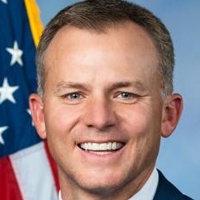
Blake Moore
Representative
UT
Blake Moore
Representative
UT
The Increasing Baseline Updates Act mandates more frequent budget baseline reports from the Congressional Budget Office (CBO), requiring at least two updates annually unless otherwise directed. Additionally, the bill requires the President to submit updated technical budget data to Congress alongside the annual budget submission. These changes aim to provide Congress with more current economic and budgetary information throughout the year.
This act prohibits state and local governments from enacting regulations that restrict energy service based on the type or source of energy sold in interstate commerce.
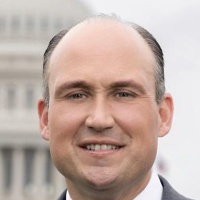
Nicholas Langworthy
Representative
NY
Nicholas Langworthy
Representative
NY
The Energy Choice Act places federal restrictions on state and local governments, preventing them from enacting regulations that prohibit or limit energy service based on its type or source. This means local governments cannot ban or restrict access to energy services sold in interstate commerce. The legislation aims to ensure consistent access to various energy sources across jurisdictions.
The Mikaela Naylon Give Kids a Chance Act primarily focuses on enhancing pediatric drug research, ensuring completion of pediatric study requirements, extending incentives for rare pediatric disease treatments, and making targeted updates to FDA and organ transplant network operations.
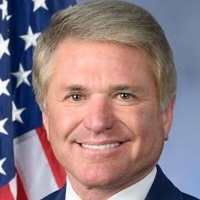
Michael McCaul
Representative
TX
Michael McCaul
Representative
TX
The Mikaela Naylon Give Kids a Chance Act focuses primarily on improving pediatric drug development and ensuring patient access to necessary treatments. This legislation mandates new research requirements for molecularly targeted pediatric cancer drugs, strengthens FDA enforcement of pediatric study completion, and extends incentives for developing drugs for rare pediatric diseases. Additionally, the bill updates organ transplant network functions and establishes an Abraham Accords Office within the FDA to enhance international regulatory cooperation.
This bill denies immigration benefits and makes inadmissible to the U.S. any alien who participated in, financed, or facilitated Hamas attacks against Israel beginning October 7, 2023.
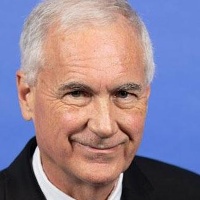
Tom McClintock
Representative
CA
Tom McClintock
Representative
CA
This bill, the "No Immigration Benefits for Hamas Terrorists Act of 2025," makes any alien who participated in or supported the Hamas attacks against Israel on or after October 7, 2023, inadmissible to the United States. This legislation bars such individuals from receiving any form of U.S. immigration relief, including asylum or withholding of removal. Furthermore, it establishes grounds for their deportation and requires an annual report to Congress on enforcement actions taken under this new law.
This act bans anticompetitive contract terms in health plan and provider agreements that restrict patient choice or prevent lower-cost care options.
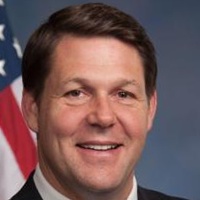
Jodey Arrington
Representative
TX
Jodey Arrington
Representative
TX
The Healthy Competition for Better Care Act aims to promote lower costs and higher quality healthcare by banning anticompetitive contract terms between health plans and providers. Specifically, it prohibits agreements that restrict plans from steering patients toward better value care or that mandate favorable terms for provider affiliates. This legislation ensures health plans retain the flexibility to design networks and quality initiatives while fostering greater competition in the healthcare market.