Legislative Activity
Track Mike's sponsored bills, co-sponsored legislation, and voting record
This bill reauthorizes the Digital Coast Act through 2030, mandates free public availability of collected data, and expands required data to include underground infrastructure.
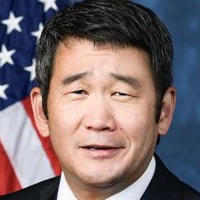
Dave Min
Representative
CA
Dave Min
Representative
CA
The Digital Coast Reauthorization Act of 2025 extends the authorization of the Digital Coast Act through 2030. This legislation mandates that all data provided under the Act must be fully and freely available once accessible. Furthermore, it explicitly expands the required data to include information on underground infrastructure and subsurface utilities.
This resolution expresses support for designating the week of September 20 through September 27, 2025, as "National Estuaries Week" to recognize the vital economic and environmental importance of these coastal ecosystems.
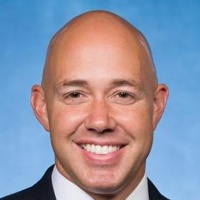
Brian Mast
Representative
FL
Brian Mast
Representative
FL
This resolution expresses strong support for designating the week of September 20 through September 27, 2025, as "National Estuaries Week." It highlights the critical economic and environmental value of estuaries, which support millions of jobs and provide vital natural protection for coastal communities. The bill aims to raise public awareness about the need to protect and restore these essential ecosystems.
This Act mandates that new passenger motor vehicles sold in the U.S. must include standard equipment capable of receiving AM broadcast radio signals.

Gus Bilirakis
Representative
FL
Gus Bilirakis
Representative
FL
The AM Radio for Every Vehicle Act of 2025 mandates that the Secretary of Transportation establish a rule requiring AM broadcast radio receivers to be installed as standard equipment in new passenger motor vehicles. This requirement aims to ensure public access to AM radio signals, which are often used for emergency alerts. The bill also directs a GAO study on the effectiveness of AM radio within the national emergency alert system compared to other technologies. Finally, the Act preempts state and local laws on this matter and includes a sunset provision eight years after enactment.
This bill amends the Social Security Act to provide Medicare coverage for FDA-approved multi-cancer early detection screening tests starting in 2028.
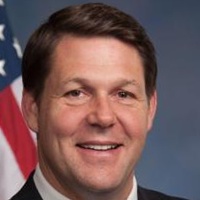
Jodey Arrington
Representative
TX
Jodey Arrington
Representative
TX
The Nancy Gardner Sewell Medicare Multi-Cancer Early Detection Screening Coverage Act amends the Social Security Act to provide Medicare Part B coverage for multi-cancer early detection screening tests starting January 1, 2028. This legislation establishes clear criteria for qualifying tests and outlines payment structures to ensure beneficiaries have access to these advanced diagnostic tools. Importantly, this coverage is designed to complement, rather than replace, existing Medicare-covered cancer screenings.
This Act ensures the automatic continuation of pay for active duty military personnel and essential civilian support staff if Congress fails to pass a budget for fiscal year 2026.
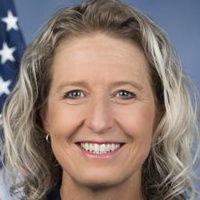
Jennifer Kiggans
Representative
VA
Jennifer Kiggans
Representative
VA
The Pay Our Troops Act of 2026 ensures that active duty military personnel and essential civilian support staff continue to receive their pay if Congress has not yet passed the full budget for fiscal year 2026. This act provides automatic continuing appropriations from the Treasury to prevent a lapse in military salaries due to budget delays. The funding automatically terminates once a new budget or continuing resolution is passed, or on January 1, 2027, whichever comes first.
This resolution formally condemns the assassination of Charlie Kirk and reaffirms the right to peaceful assembly against political violence.
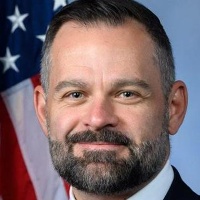
Cory Mills
Representative
FL
Cory Mills
Representative
FL
This resolution formally condemns the horrific political assassination of conservative spokesman Charlie Kirk on September 10, 2025, in Orem, Utah. It expresses deep condolences to his family and recognizes the bravery of the first responders at the scene. Ultimately, the measure reaffirms the fundamental American right to peaceful assembly and stands firmly against political violence.
This Act limits the sharing of consumer reports requested in connection with a residential mortgage loan to prevent unauthorized access to homebuyers' sensitive financial information.
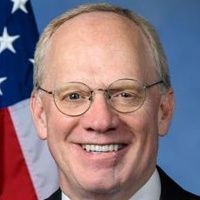
John Rose
Representative
TN
John Rose
Representative
TN
The Homebuyers Privacy Protection Act limits how consumer reporting agencies can share a consumer's report when it is requested in connection with a residential mortgage loan. Reports can only be shared with entities directly involved in the consumer's current mortgage or those providing a firm offer of credit or insurance. The Act also mandates a study by the GAO regarding the use and impact of "trigger leads" derived from credit checks.
The FEMA Act of 2025 establishes FEMA as an independent, cabinet-level agency and enacts sweeping reforms across public assistance, individual aid, and mitigation programs to speed up recovery and increase transparency.
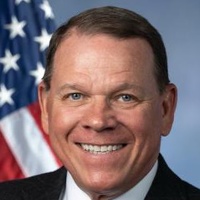
Sam Graves
Representative
MO
Sam Graves
Representative
MO
The FEMA Act of 2025 establishes the Federal Emergency Management Agency (FEMA) as an independent, cabinet-level agency to lead a unified, all-hazards approach to national emergency management. The bill enacts sweeping reforms across Public Assistance, Individual Assistance, and Mitigation programs to accelerate recovery, streamline funding, and reduce bureaucratic hurdles for disaster survivors and communities. Furthermore, it mandates significant new transparency measures, including public data reporting and GAO oversight, to ensure accountability for federal disaster spending.
The CARE for Children Act officially recognizes and funds "cottage family homes" as a new option for foster care placements, ensuring they meet strict standards for child well-being and family connection.
W. Steube
Representative
FL
W. Steube
Representative
FL
The Create Accountable Respectful Environments (CARE) for Children Act officially recognizes and integrates "cottage family homes" into federal foster care regulations. This allows these specialized homes to receive federal maintenance payments if they meet strict standards focused on family connection, trauma-informed care, and prohibiting harmful restraints. The bill ensures states maintain flexibility in utilizing these placements while upholding high standards for child well-being.
This bill prohibits the Department of Transportation from using, procuring, or contracting for LiDAR technology originating from specified foreign adversaries.
Dusty Johnson
Representative
SD
Dusty Johnson
Representative
SD
The Securing Infrastructure from Adversaries Act of 2025 prohibits the Department of Transportation (DOT) from procuring or contracting for the use of certain foreign-made LiDAR technology identified in related defense legislation. This ban applies to purchases, contracts, and the use of federal loan or grant funds for this restricted technology, generally beginning in mid-2026. The Secretary of Transportation may only waive this prohibition if it is certified to be in the national interest of the United States. Certain safety testing and regulatory exemption activities remain exempt from these restrictions.
The Coast Guard Authorization Act of 2025 authorizes funding and personnel increases while imposing strict new accountability measures on leadership across acquisitions, operations, and personnel reforms, including establishing a civilian Secretary of the Coast Guard.
Sam Graves
Representative
MO
Sam Graves
Representative
MO
The **Coast Guard Authorization Act of 2025** is a comprehensive bill that authorizes funding and sets personnel goals for the Coast Guard through 2029 while enacting sweeping organizational reforms. Key changes include establishing a civilian Secretary of the Coast Guard, significantly increasing accountability and reporting requirements for major acquisitions, and modernizing policies related to merchant mariner credentials and sexual assault response. The legislation also mandates numerous GAO studies to assess infrastructure needs, healthcare quality, and overall operational efficiency across the service.
The SAVES Act establishes a VA pilot program to award grants to nonprofits providing service dogs and veterinary insurance to eligible veterans managing specific service-connected conditions.
Morgan Luttrell
Representative
TX
Morgan Luttrell
Representative
TX
The SAVES Act establishes a Department of Veterans Affairs (VA) pilot program to award grants to nonprofit organizations that provide service dogs to eligible veterans. These grants, up to $\$2,000,000$ each, will fund the training and provision of service dogs for veterans with qualifying conditions like PTSD or TBI. The bill also extends the expiration date for certain limits on veterans' pension payments until February 2033.
The Veterans’ ACCESS Act of 2025 improves veteran health care by establishing clear eligibility standards for community care, mandating timely mental health treatment, and streamlining administrative processes to ensure faster, more transparent access to services.
Mike Bost
Representative
IL
Mike Bost
Representative
IL
The Veterans’ ACCESS Act of 2025 strengthens the Veterans Community Care Program by establishing clear, enforceable standards for care eligibility and wait times while streamlining the referral process. The legislation also overhauls access to residential mental health and substance abuse treatment, ensuring veterans receive timely, localized care with robust oversight. Additionally, it mandates the development of digital tools and pilot programs to reduce bureaucratic hurdles and improve transparency across the VA healthcare system.
This Act prohibits the Federal Reserve from directly or indirectly issuing a Central Bank Digital Currency (CBDC) and bars the Fed from developing or using one for monetary policy without explicit Congressional authorization.
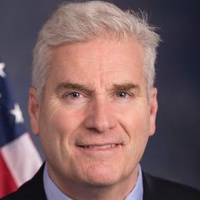
Tom Emmer
Representative
MN
Tom Emmer
Representative
MN
The Anti-CBDC Surveillance State Act strictly prohibits the Federal Reserve from directly or indirectly issuing a Central Bank Digital Currency (CBDC) to individuals. This legislation prevents the Fed from developing, testing, or implementing any digital currency that functions as a direct liability of the Federal Reserve. Furthermore, Congress asserts that any authority to create such a digital asset must explicitly come from Congress itself.
The Equal Shot Act of 2025 prohibits the Small Business Administration from denying financial assistance to qualified applicants solely based on their involvement in the firearms industry.
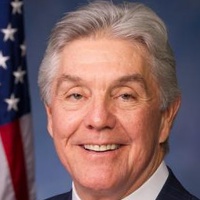
Roger Williams
Representative
TX
Roger Williams
Representative
TX
The Equal Shot Act of 2025 prohibits the Small Business Administration (SBA) from denying financial assistance to otherwise qualified applicants solely based on their involvement in the firearms industry. This legislation ensures that businesses defined as "firearm entities," their affiliates, or trade associations are not unfairly rejected for SBA loans or guarantees. The Act clearly defines these terms to prevent discrimination against businesses involved in manufacturing, selling, or servicing firearms and related accessories.
The Bridge Investment and Modernization Act of 2025 extends and modifies funding authorizations and streamlines the project selection criteria for the federal Bridge Investment Program through fiscal year 2031.
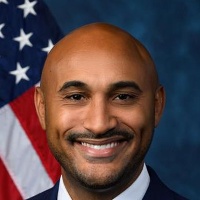
Shomari Figures
Representative
AL
Shomari Figures
Representative
AL
The Bridge Investment and Modernization Act of 2025 extends and specifies funding for the Bridge Investment Program through fiscal year 2031. This legislation allocates billions of dollars annually to support crucial bridge projects across the nation. Additionally, the Act streamlines the project selection process by removing a specific criterion for funding eligibility.
This Act extends funding allocation rules for sport fish restoration, removes spending caps for the Interstate Fisheries Commission, prioritizes alternative fuel infrastructure for recreational boating, and reduces the excise tax on portable, electronically-aerated bait containers.

Debbie Dingell
Representative
MI
Debbie Dingell
Representative
MI
The Sport Fish Restoration, Recreational Boating Safety, and Wildlife Restoration Act of 2025 extends the timeline for current Sport Fish Restoration funding allocation rules until 2031 and removes the spending cap for Interstate Fisheries Commission activities. The bill also updates boating infrastructure priorities to specifically include funding for alternative marine fuel facilities for larger vessels. Finally, it significantly reduces the federal excise tax rate on portable, electronically-aerated bait containers from 10 percent to 3 percent.
This bill authorizes the creation and sale of commemorative coins for the 2028 Los Angeles and 2034 Salt Lake City Olympic and Paralympic Games to help fund the events, with all surcharges going to the respective organizing committees after covering production costs.
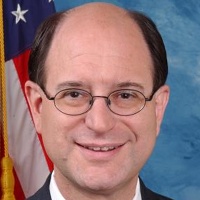
Brad Sherman
Representative
CA
Brad Sherman
Representative
CA
This Act authorizes the Secretary of the Treasury to mint and sell special commemorative coins for the 2028 Los Angeles Olympic and Paralympic Games and the 2034 Salt Lake City Winter Olympic and Paralympic Games. The coins will feature designs celebrating American athletes and the Games themselves. All surcharges collected from the sale of these coins will be directed to the respective organizing committees to help fund the events and related youth sports programs. The entire program must be conducted at no cost to the U.S. Government.
This resolution commends Petty Officer 3d Class Scott Ruskan for his heroic rescue of 165 people during the devastating central Texas floods and thanks all first responders involved.
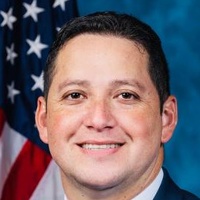
Ernest Gonzales
Representative
TX
Ernest Gonzales
Representative
TX
This resolution officially commends Petty Officer 3d Class Scott Ruskan for his heroic actions during the devastating central Texas floods of July 2025. It specifically recognizes him for personally rescuing 165 individuals and coordinating triage efforts under hazardous conditions. Furthermore, the bill extends deep gratitude to all federal, state, and volunteer responders who risked their lives during this major natural disaster.
This resolution solemnly marks the one-year anniversary of the attempted assassination of President Trump, condemns ongoing political violence, and honors the victims and first responders.
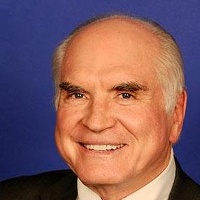
Mike Kelly
Representative
PA
Mike Kelly
Representative
PA
This resolution solemnly marks the one-year anniversary of the attempted assassination of President Donald J. Trump, condemning the multiple violent attempts against the President's life. It honors the victims of the shooting, including the late Corey D. Comperatore, and recognizes the bravery of first responders. Furthermore, the resolution condemns all incitement of violence against elected officials and calls for national unity against political violence.