Legislative Activity
Track Mike's sponsored bills, co-sponsored legislation, and voting record
The "Household Goods Shipping Consumer Protection Act" increases consumer protection in the household goods shipping industry by strengthening enforcement against violations, allowing states to use grant funds for enforcement, and enhancing registration requirements for carriers and brokers.

Eleanor Norton
Representative
DC
Eleanor Norton
Representative
DC
The "Household Goods Shipping Consumer Protection Act" increases consumer protection in the household goods shipping industry by allowing the Secretary to enforce penalties for violations, enabling states to use grant money for enforcement and retain penalties, and setting requirements for registration. This includes defining "principal place of business," requiring disclosure of relationships within the transportation industry, and allowing the Secretary to withhold or revoke registration for non-compliance.
The Life at Conception Act declares that the constitutional right to life begins at the moment of fertilization and applies to every member of the species *homo sapiens* at all stages of development.
Eric Burlison
Representative
MO
Eric Burlison
Representative
MO
The Life at Conception Act declares that the constitutional right to life begins at the moment of fertilization, defining all human beings as persons from that point forward. The bill establishes legal personhood for every member of the species *homo sapiens* at all stages of development. Additionally, it explicitly prohibits the prosecution of any woman for the death of her unborn child.
The Born-Alive Abortion Survivors Protection Act requires health care practitioners to provide the same level of care to infants born alive after an abortion attempt as they would to any other newborn, mandating immediate hospitalization and imposing penalties for violations, while protecting the mother from prosecution. It also allows the mother of a child born alive to file a civil action against anyone who violated the act.
Ann Wagner
Representative
MO
Ann Wagner
Representative
MO
The "Born-Alive Abortion Survivors Protection Act" ensures that infants born alive after an abortion receive the same medical care as any other newborn, mandating immediate hospitalization and requiring healthcare practitioners to report any failures to comply. Violators face fines, imprisonment, and potential prosecution for homicide or attempted homicide, while the mother of the child cannot be prosecuted. The bill also allows the woman who had the abortion to file a civil action against anyone who violated the act. It defines abortion and attempts at abortion, and renames "Partial-Birth Abortions" to "Abortions" in relevant sections of the U.S. Code.
The "Fix Our Forests Act" aims to reduce wildfire risks, improve forest health, and support communities by focusing on landscape-scale restoration, protecting wildland-urban interface areas, and enhancing transparency and technology in forest management. It also establishes a casualty assistance program for wildland firefighters and their families.
Bruce Westerman
Representative
AR
Bruce Westerman
Representative
AR
The "Fix Our Forests Act" aims to improve forest management and wildfire resilience through landscape-scale restoration, community protection in wildland-urban interfaces, and enhanced transparency and technology. It establishes programs for wildfire risk reduction, reforestation, and biochar development, while also focusing on restoring white oak populations and supporting the families of firefighters. The act streamlines project approvals, encourages collaboration, and implements litigation reforms to expedite forest management activities. Additionally, it creates a casualty assistance program for firefighters and support personnel who are seriously injured, become ill, or die while on duty.
The National Constitutional Carry Act prohibits state and local governments from restricting the public carry of firearms by individuals who are legally eligible to possess them under federal law.

Thomas Massie
Representative
KY
Thomas Massie
Representative
KY
The National Constitutional Carry Act seeks to protect the Second Amendment right of law-abiding citizens to carry firearms in public for self-defense. The bill prohibits state and local governments from imposing criminal or civil penalties on individuals who are legally eligible to possess firearms. By overriding restrictive local regulations, the legislation aims to ensure a uniform standard for the right to bear arms across the United States.
The Main Street Tax Certainty Act makes the 20% pass-through business income deduction permanent by removing its scheduled expiration after 2025.
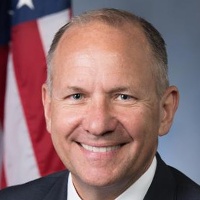
Lloyd Smucker
Representative
PA
Lloyd Smucker
Representative
PA
The Main Street Tax Certainty Act makes the 20% pass-through business income deduction permanent. By removing the current 2025 expiration date, this legislation ensures long-term tax relief for owners of qualified pass-through entities.
The Heartbeat Protection Act of 2025 prohibits physicians from performing abortions once a fetal heartbeat is detectable, subject to specific exceptions and federal penalties.
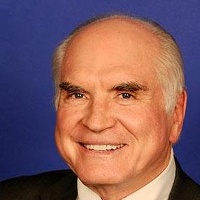
Mike Kelly
Representative
PA
Mike Kelly
Representative
PA
The Heartbeat Protection Act of 2025 prohibits physicians from performing an abortion if a fetal heartbeat is detectable, subject to specific exceptions for medical emergencies, rape, and incest. Physicians who knowingly violate this federal law face potential fines and imprisonment, though the legislation explicitly protects the mother from prosecution. The bill also mandates strict documentation and record-keeping requirements for all heartbeat determinations and exception claims.
The PARTS Act of 2025 amends the definition of "firearm silencer" and "firearm muffler" to include certain parts and devices used to diminish the sound of a firearm.
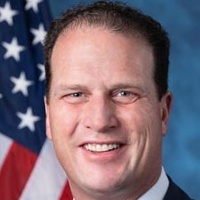
August Pfluger
Representative
TX
August Pfluger
Representative
TX
The "Protecting Americans Right To Silence Act of 2025" or the "PARTS Act of 2025" amends the definition of "firearm silencer" and "firearm muffler" under federal law. The updated definition includes any device designed to silence or muffle a portable firearm, whether attached directly or through other devices. It also includes the primary housing or structure for sound-reduction components of such devices.
This bill proposes a constitutional amendment to permanently set the number of Supreme Court justices at nine, requiring ratification by three-fourths of the states within seven years.

Dusty Johnson
Representative
SD
Dusty Johnson
Representative
SD
This bill proposes a constitutional amendment to fix the number of Supreme Court justices at nine. For this amendment to be valid, three-fourths of the state legislatures must ratify it within seven years of its submission.
The Ending Chemical Abortions Act of 2025 seeks to establish a federal criminal prohibition on the prescription, distribution, and sale of chemical abortion drugs, with limited exceptions for the life of the mother or the treatment of miscarriages.
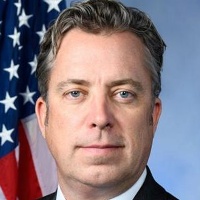
Andrew Ogles
Representative
TN
Andrew Ogles
Representative
TN
The Ending Chemical Abortions Act of 2025 seeks to prohibit the prescription, distribution, and sale of drugs intended to cause an abortion. The bill establishes federal criminal penalties for violations, while providing specific exceptions for contraception, the treatment of miscarriages, and medical emergencies that threaten the life of the mother. It also clarifies that women who undergo chemical abortions are exempt from criminal prosecution under this act.
The 911 SAVES Act mandates the reclassification of public safety telecommunicators as "Protective Service Occupations" within the federal Standard Occupational Classification system to accurately reflect their critical role in emergency response.

Norma Torres
Representative
CA
Norma Torres
Representative
CA
The 911 SAVES Act mandates that the Office of Management and Budget reclassify public safety telecommunicators as "Protective Service Occupations" within the federal Standard Occupational Classification system. This legislation recognizes the critical, high-stress, and lifesaving nature of 911 dispatchers, correcting their current misclassification to better reflect their essential role in emergency response.
This bill prohibits federal funding for abortions and for health insurance plans that cover abortions, clarifies these prohibitions under the Affordable Care Act, and requires health plans to disclose the extent of their abortion coverage and any related surcharges.
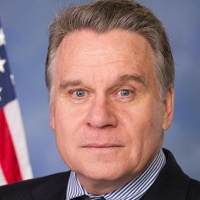
Christopher Smith
Representative
NJ
Christopher Smith
Representative
NJ
The "No Taxpayer Funding for Abortion and Abortion Insurance Full Disclosure Act of 2025" seeks to prohibit the use of federal funds for abortions and for health plans that cover abortions, while allowing individuals and entities to purchase separate abortion coverage with non-federal funds. It clarifies that premium tax credits and cost-sharing reductions under the Affordable Care Act (ACA) cannot be used for health plans that include abortion coverage. The Act also revises notice requirements for health plans, mandating clear disclosure of abortion coverage and any associated premium surcharges to enrollees. Exceptions to the funding restrictions are included for cases of rape, incest, or when the mother's life is in danger.
The No Tax on Tips Act provides a federal income tax deduction of up to $25,000 for qualified cash tips and extends the FICA tax credit for employer-paid tips to include beauty service establishments.

Vern Buchanan
Representative
FL
Vern Buchanan
Representative
FL
The "No Tax on Tips Act" proposes a federal tax deduction of up to $25,000 per year for cash tips received by workers in traditionally tipped occupations. Additionally, the bill expands the existing tax credit for employer-paid Social Security taxes on tips to include beauty service establishments. These changes are designed to provide tax relief for service workers and support businesses where tipping is customary.
This bill increases the railroad track maintenance tax credit, introduces annual inflation adjustments, and extends the eligibility period for qualifying expenditures.
Mike Kelly
Representative
PA
Mike Kelly
Representative
PA
This bill amends the Internal Revenue Code to expand the railroad track maintenance credit by increasing the per-mile tax credit to $6,100 and implementing annual inflation adjustments starting in 2026. It also extends the eligibility window for qualifying maintenance expenditures to include costs incurred through 2023. These updates aim to provide greater financial support for ongoing railroad infrastructure improvements.
The Chiropractic Medicare Coverage Modernization Act of 2025 expands Medicare coverage to include all services provided by doctors of chiropractic that are within the scope of their state licensure.
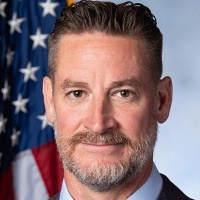
W. Steube
Representative
FL
W. Steube
Representative
FL
The Chiropractic Medicare Coverage Modernization Act of 2025 expands Medicare coverage to include all services legally authorized under a chiropractor’s state license, moving beyond the current restriction limited to manual spinal manipulation. This legislation aligns Medicare benefits with private insurance and other federal health programs to better reflect modern chiropractic practice. To provide these expanded services, chiropractors will be required to complete a one-time training program verified by the Secretary of Health and Human Services.
The Qualified Immunity Act of 2025 codifies existing legal protections for law enforcement officers and their employing agencies against civil liability when constitutional rights were not clearly established at the time of the alleged violation.

Virginia Foxx
Representative
NC
Virginia Foxx
Representative
NC
The Qualified Immunity Act of 2025 codifies existing legal protections for law enforcement officers, shielding them from individual liability when their conduct does not violate clearly established law. The bill further ensures that if an officer is found not liable under these standards while acting within the scope of their employment, their employing agency is also protected from liability.
The Red Snapper Act of 2025 prohibits the Secretary of Commerce from closing South Atlantic bottom fishing areas until the Great Red Snapper Count study is completed and integrated into official stock assessments.
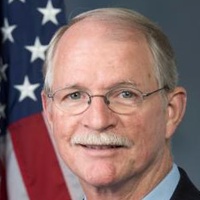
John Rutherford
Representative
FL
John Rutherford
Representative
FL
The Red Snapper Act of 2025 prohibits the Secretary of Commerce from closing South Atlantic fishing areas until the "Great Red Snapper Count" study is completed and its data is integrated into official stock assessments. This legislation aims to protect the regional economy and recreational fishing industry by ensuring management decisions are based on the most current and accurate scientific data.
The POWER Act of 2025 amends the Stafford Act to allow electric utilities to conduct hazard mitigation activities alongside power restoration using federal disaster relief funds. It ensures that receiving power restoration assistance does not disqualify utilities from receiving hazard mitigation assistance.
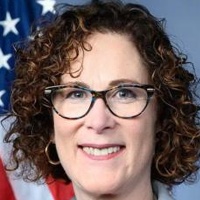
Valerie Hoyle
Representative
OR
Valerie Hoyle
Representative
OR
The POWER Act of 2025 amends the Stafford Act to allow electric utilities to conduct hazard mitigation activities alongside power restoration using federal disaster relief funds. Receiving power restoration assistance does not disqualify a facility from also receiving hazard mitigation assistance, if eligible. This change applies to funds allocated after the Act's enactment, promoting more resilient power infrastructure.
The Foreign Medical Program Modernization Act of 2025 expands VA healthcare coverage for veterans abroad to include non-service-connected conditions and mandates the modernization of reimbursement and provider network systems.

Jefferson Van Drew
Representative
NJ
Jefferson Van Drew
Representative
NJ
The Foreign Medical Program Modernization Act of 2025 expands VA healthcare coverage for veterans living abroad by removing the requirement that medical services be linked to a service-connected disability. The bill also mandates the transition to electronic fund transfers for reimbursements and requires an assessment of creating a contracted provider network to improve access to care.
The Old Glory Only Act mandates that only the United States flag may be flown at U.S. diplomatic and consular posts.
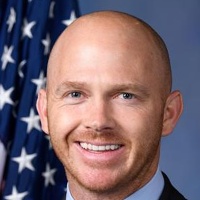
William Timmons
Representative
SC
William Timmons
Representative
SC
The Old Glory Only Act mandates that only the official United States flag may be flown at U.S. diplomatic and consular posts. This legislation prohibits the display of any other flags at these facilities.