
Legislative Activity
Track Debbie's sponsored bills, co-sponsored legislation, and voting record
This resolution honors the legacy of William DeHart Hubbard, the first African American to win an individual Olympic gold medal, recognizing his groundbreaking athletic achievements and lifelong dedication to civil rights.
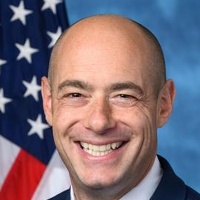
Greg Landsman
Representative
OH
Greg Landsman
Representative
OH
This resolution officially honors the legacy of William DeHart Hubbard, the first African American to win an individual Olympic gold medal at the 1924 Paris Olympics. It recognizes his groundbreaking athletic achievements and his lifelong dedication to civil rights and equal opportunity in Cincinnati and beyond. The resolution serves to commemorate his significant contributions during Black History Month and leading up to the 2026 Winter Games.
This bill establishes safety exceptions for victims of domestic violence seeking to withdraw a lump-sum federal retirement benefit by allowing them to waive spousal notification and consent requirements under certain conditions.
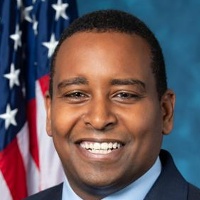
Joe Neguse
Representative
CO
Joe Neguse
Representative
CO
The Federal Retirement Safety Act amends federal retirement law to protect victims of domestic violence when accessing lump-sum retirement benefits. This legislation allows eligible employees to waive or bypass the standard spousal notification and consent requirements for lump-sum withdrawals if providing notice or seeking consent poses a safety risk. Victims can prove eligibility through self-certification regarding recent domestic violence crimes committed by the spouse or former spouse.
This resolution designates Black History Month 2026, honors the contributions of Black Americans through the "Unsung Souls" and "Righteous Intercessors" recognitions, and affirms the importance of a complete national narrative.

Al Green
Representative
TX
Al Green
Representative
TX
This resolution officially recognizes Black History Month and adopts "A Century of Black History Commemorations" as the theme for 2026. It honors the contributions of Black Americans by establishing categories for "Unsung Souls" and "Righteous Intercessors." Ultimately, the bill affirms that Black history commemorations are essential for a complete national narrative and inspiring future progress toward liberty and justice for all.
This resolution recognizes 250 years of Polish-American friendship while reaffirming the U.S. commitment to Poland's democracy, sovereignty, prosperity, and security.

Marcy Kaptur
Representative
OH
Marcy Kaptur
Representative
OH
This resolution celebrates over 250 years of enduring friendship between the United States and Poland, highlighting their shared history and mutual democratic values. It reaffirms the vital U.S. interest in Poland's sovereignty, security, and prosperity. Furthermore, the resolution calls for continued close defense coordination and the presence of U.S. forces in Poland.
The Justice for Allie Act establishes a federal crime for the sexual exploitation of vulnerable adults through the coerced transmission of intimate visual depictions.

Haley Stevens
Representative
MI
Haley Stevens
Representative
MI
The Justice for Allie Act establishes a new federal crime to protect vulnerable adults from sexual exploitation. This legislation criminalizes the coercion of individuals with specific developmental or cognitive disabilities into sending intimate visual depictions when the intent is to cause physical, psychological, financial, or reputational harm.
The Head Start for America’s Children Act updates and expands the Head Start program by increasing funding, enhancing staff compensation and mental health support, and improving services for children with disabilities, English learners, and Native American communities.
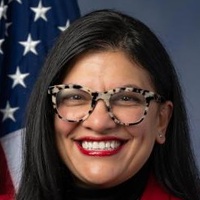
Rashida Tlaib
Representative
MI
Rashida Tlaib
Representative
MI
The "Head Start for America’s Children Act" updates and expands the federal Head Start program to better support the developmental, mental health, and educational needs of infants, toddlers, and children. The bill increases funding for core operations and specialized initiatives, establishes new requirements for staff compensation and professional development, and introduces pilot programs to improve access in high-poverty areas and on college campuses. Additionally, it strengthens support for Native American and migrant/seasonal programs, enhances services for children with disabilities, and mandates new standards to prevent the use of seclusion and restraint.
This act awards the Congressional Gold Medal to the Freedom House Ambulance Service in recognition of its pioneering role in developing the modern paramedic system and its contributions to emergency medical services.

Summer Lee
Representative
PA
Summer Lee
Representative
PA
The Freedom House Ambulance Service Congressional Gold Medal Act honors the pioneering Pittsburgh-based service that established the model for modern emergency medical care. As the nation’s first paramedic program, Freedom House revolutionized life-saving techniques while providing vital job training to the Black community. This legislation awards a Congressional Gold Medal to the service to commemorate its enduring contributions to both medical innovation and civil rights.
This bill establishes a federal process for Extreme Risk Protection Orders, creates a grant program to incentivize states to adopt similar laws, and mandates the recognition of such orders across state lines.
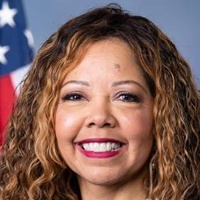
Lucy McBath
Representative
GA
Lucy McBath
Representative
GA
The Federal Extreme Risk Protection Order Act of 2026 establishes a federal process for issuing Extreme Risk Protection Orders (ERPOs) that temporarily prohibit individuals deemed a danger from possessing firearms. The bill allows family members or law enforcement to petition federal courts for temporary or long-term orders based on evidence of imminent risk of harm. Furthermore, it creates a federal grant program to incentivize and support states and tribes in implementing their own qualifying ERPO laws. Finally, it mandates that individuals subject to these federal orders surrender their firearms and ensures these orders are recognized across state lines.
This bill officially recognizes the cultural and historical significance of Lunar New Year in 2026 and expresses respect for those who celebrate it.

Grace Meng
Representative
NY
Grace Meng
Representative
NY
This bill officially recognizes the cultural and historical significance of Lunar New Year, specifically in 2026, the Year of the Horse. It expresses deep respect for Asian American communities and all who celebrate this important occasion. The resolution concludes by offering wishes for a happy and prosperous new year to all observers.
The Healthy Families Act establishes a national standard requiring most employers to provide employees with earned paid sick leave for personal or family health needs and related safety issues.

Rosa DeLauro
Representative
CT
Rosa DeLauro
Representative
CT
The Healthy Families Act establishes a national standard requiring most employers to provide employees with earned paid sick leave. Employees will accrue a minimum of one hour of paid time for every 30 hours worked, usable for personal or family health needs, domestic violence, sexual assault, or stalking. The Act prohibits employer retaliation for using this leave and ensures existing, more generous leave policies are not diminished.
This act modifies the SALT deduction limit for individuals starting in 2027 based on income and filing status, and introduces a new deduction for local property taxes funding specific community infrastructure projects.
Haley Stevens
Representative
MI
Haley Stevens
Representative
MI
The Local Infrastructure Tax Cuts Act modifies the State and Local Tax (SALT) deduction limit for individuals starting in 2027, basing the maximum deduction on income level and filing status. The bill also creates a new federal deduction for certain local property taxes specifically levied to fund direct community infrastructure projects. These changes aim to adjust federal tax treatment for local levies and infrastructure funding.
This bill appropriates funding and establishes operational rules for the Department of Homeland Security for Fiscal Year 2026 across management, security, preparedness, and research functions, while imposing strict oversight and spending restrictions.
Rosa DeLauro
Representative
CT
Rosa DeLauro
Representative
CT
This bill provides the funding and establishes the operational rules for the Department of Homeland Security (DHS) for Fiscal Year 2026 across all major components, including intelligence, security operations, emergency management, and research. It allocates billions for agencies like TSA, Coast Guard, FEMA, and CISA while imposing strict new requirements for congressional oversight, spending transparency, and management of federal grants. The legislation also includes specific policy directives, such as mandating security screening for senior officials and restricting certain intelligence and contracting activities.
This bill establishes a grant program to fund evidence-based initiatives connecting schools with community systems to improve trauma support and mental health services for students and staff.
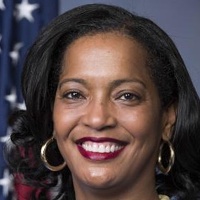
Jahana Hayes
Representative
CT
Jahana Hayes
Representative
CT
The Supporting Trauma-Informed Education Practices Act of 2026 establishes a grant program to enhance access to evidence-based trauma support and mental health services for students and school staff. This funding aims to foster stronger connections between schools and community mental health systems through collaboration, professional development, and direct student services. The bill authorizes $50 million annually from FY 2027 through 2031 to support these critical initiatives.
This bill establishes a comprehensive Transgender Bill of Rights to codify and protect the rights of transgender and nonbinary people across healthcare, employment, legal recognition, and safety.

Pramila Jayapal
Representative
WA
Pramila Jayapal
Representative
WA
This resolution establishes a comprehensive Transgender Bill of Rights to codify and protect the rights of transgender and nonbinary people across the United States. It mandates federal action to ensure equal access to healthcare, employment, housing, legal recognition, and safety. The bill aims to eliminate discrimination and affirm bodily autonomy by amending existing federal civil rights laws.
This resolution expresses support for designating February 2026 as National Teen Dating Violence Awareness and Prevention Month to promote healthy relationships and address the public health impact of teen dating violence.
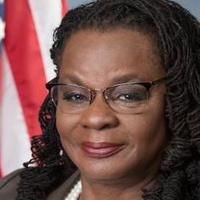
Gwen Moore
Representative
WI
Gwen Moore
Representative
WI
This resolution expresses support for designating February 2026 as "National Teen Dating Violence Awareness and Prevention Month." It recognizes the significant public health impact of teen dating violence and calls on communities nationwide to observe the month with awareness and prevention activities. The goal is to empower teens to build healthy relationships.
This act reauthorizes and expands funding for the WISEWOMAN program to provide additional heart health preventive services to low-income women.
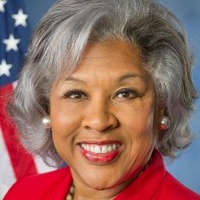
Joyce Beatty
Representative
OH
Joyce Beatty
Representative
OH
The Women’s Heart Health Expansion Act of 2026 reauthorizes the WISEWOMAN program through fiscal year 2031, securing significant funding for women's health initiatives. This legislation allows for supplemental grants to expand preventive health services, such as blood pressure and cholesterol screenings, to low-income women. These services will be integrated with existing breast and cervical cancer screening programs.
This bill reauthorizes and expands federal funding and services for victims of family and dating violence while strengthening prevention efforts, especially for Tribal and underserved communities.
Lucy McBath
Representative
GA
Lucy McBath
Representative
GA
The Family Violence Prevention and Services Improvement Act of 2026 reauthorizes and expands critical federal programs to improve services and prevention for victims of domestic and dating violence through 2031. It significantly increases funding and broadens support, especially for Tribal communities and underserved populations, by allowing for culturally specific and digital services. Additionally, the bill enhances efforts to prevent teen dating violence through increased funding for broader educational programs.
This resolution designates January 2026 as National Stalking Awareness Month to raise awareness and encourage the prevention of stalking.
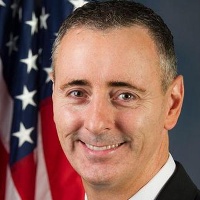
Brian Fitzpatrick
Representative
PA
Brian Fitzpatrick
Representative
PA
This resolution designates January 2026 as "National Stalking Awareness Month" to raise awareness and encourage the prevention of stalking. It commends the efforts of various groups working to combat stalking and support victims. Furthermore, the bill encourages policymakers and organizations to increase awareness and support services throughout the designated month.
This Act establishes a Department of Energy program to enhance the physical security and cybersecurity of natural gas pipelines and LNG facilities through coordination, technology development, and training.
Randy Weber
Representative
TX
Randy Weber
Representative
TX
The Pipeline Cybersecurity Preparedness Act establishes a Department of Energy program to enhance the physical security and cybersecurity of natural gas pipelines and LNG facilities. This program will focus on improving coordination, leading incident response, developing new technologies, and providing workforce training. The Act ensures that existing security authorities of other federal agencies remain in place.
This Act establishes a process for trafficking survivors to seek expungement of federal criminal records resulting from their victimization and creates a new duress defense based on trafficking status for certain federal offenses.

Russell Fry
Representative
SC
Russell Fry
Representative
SC
The Trafficking Survivors Relief Act establishes a process for victims of human trafficking to seek the expungement of federal arrests and the vacatur of certain federal criminal convictions resulting from their victimization. It also creates a new duress defense in federal criminal trials for individuals who committed offenses while being trafficked. Furthermore, the bill allows courts to reduce the sentences of current prisoners who committed offenses as a direct result of trafficking.