Legislative Activity
Track Debbie's sponsored bills, co-sponsored legislation, and voting record
This bill mandates the removal of U.S. Armed Forces from Venezuela unless explicitly authorized by Congress.
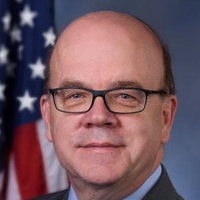
James McGovern
Representative
MA
James McGovern
Representative
MA
This bill mandates the President to withdraw all United States Armed Forces from Venezuela. This action is required unless Congress has formally declared war or passed specific legislation authorizing the use of military force in that country.
This bill eliminates out-of-pocket costs for mental health and substance use disorder services for pregnant and postpartum individuals under most health plans.
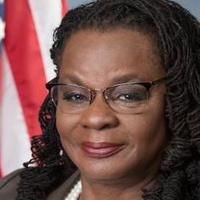
Gwen Moore
Representative
WI
Gwen Moore
Representative
WI
The Mental Health and MAMA Act of 2026 aims to improve access to care for new and expecting mothers. This legislation prohibits certain health plans from charging out-of-pocket costs for in-network mental health and substance use disorder services for pregnant and postpartum individuals. Furthermore, it updates continuity of care protections to explicitly cover postpartum individuals receiving ongoing mental health or substance use disorder treatment. These provisions will also apply to the Federal Employees Health Benefits Program.
This bill establishes a non-legislative Permanent Select Committee on Aging in the House of Representatives to comprehensively study and coordinate policies affecting older Americans.
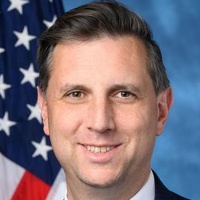
Seth Magaziner
Representative
RI
Seth Magaziner
Representative
RI
This bill proposes establishing a **Permanent Select Committee on Aging** within the House of Representatives. This committee will focus on conducting comprehensive studies regarding the challenges and needs of older Americans across various areas like health, income, and housing. It is important to note that this committee will not have legislative authority to write or vote on bills.
This bill prohibits political appointees from managing NIH programs or participating in NIH funding decisions, and prevents the NIH from unilaterally canceling existing research agreements without documented findings of mismanagement or fraud.

Diana DeGette
Representative
CO
Diana DeGette
Representative
CO
The Follow the Science Act aims to insulate the National Institutes of Health (NIH) from political influence by prohibiting most political appointees from working on or managing NIH programs. This legislation specifically bars political employees from participating in the review, selection, or awarding of NIH grants and contracts. Furthermore, it restricts the NIH Director from canceling or delaying existing funding agreements unless specific findings of mismanagement or fraud are documented and reported to Congress.
This resolution recognizes the vital role of the Older Americans Act nutrition programs in combating senior hunger, malnutrition, and isolation while improving the health and quality of life for millions of older adults.
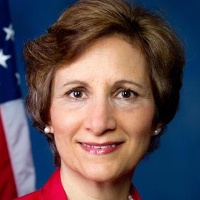
Suzanne Bonamici
Representative
OR
Suzanne Bonamici
Representative
OR
This resolution recognizes the vital role of the Older Americans Act (OAA) nutrition programs in combating hunger, malnutrition, and social isolation among seniors and individuals with disabilities. It highlights how these essential services improve health outcomes and reduce long-term medical costs while calling on Congress to support local providers through sustained funding and active volunteer participation.
This Act mandates that newly elected House members from special elections must be sworn in within five legislative days of their election certification.
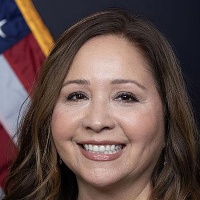
Adelita Grijalva
Representative
AZ
Adelita Grijalva
Representative
AZ
The No Delay in Representation Act ensures that individuals elected to the House of Representatives through special elections are seated promptly. It mandates that these new members must be given the opportunity to take the oath of office within five legislative days of their election certification. This act aims to prevent delays in representation for newly elected members.
The Enhancing Skilled Nursing Facilities Act expands the authority of nurse practitioners, physician assistants, and clinical nurse specialists to perform essential care and certification duties in skilled nursing facilities under Medicare and Medicaid.
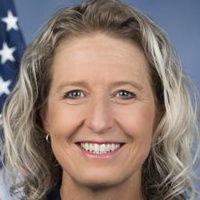
Jennifer Kiggans
Representative
VA
Jennifer Kiggans
Representative
VA
The Enhancing Skilled Nursing Facilities Act aims to improve care delivery by expanding the roles of nurse practitioners, physician assistants, and clinical nurse specialists within skilled nursing and nursing facilities. By authorizing these professionals to perform duties previously restricted to physicians—such as certifying care and supervising services—the bill streamlines administrative processes under Medicare and Medicaid. These updates ensure that residents have broader access to qualified healthcare providers while maintaining compliance with state law.
This act establishes special sentencing considerations for young offenders whose crimes were committed following prior victimization through trafficking, abuse, or assault.
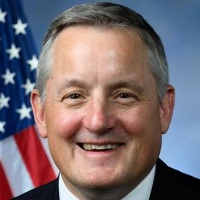
Bruce Westerman
Representative
AR
Bruce Westerman
Representative
AR
Sara’s Law and the Preventing Unfair Sentencing Act of 2026 creates special sentencing considerations for young offenders who committed crimes while being victims of prior trafficking, abuse, or assault. This legislation grants courts the authority to sentence these "youthful victim offenders" below mandatory minimums and suspend portions of their sentences to account for past trauma. The law specifically targets individuals under 18 whose offense was committed against a recent abuser.
This bill impeaches Secretary of Homeland Security Kristi Lynn Arnold Noem for high crimes and misdemeanors, citing willful refusal to comply with oversight law, violating the Impoundment Control Act, directing unlawful ICE misconduct, and misusing federal funds for personal gain.
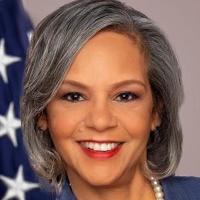
Robin Kelly
Representative
IL
Robin Kelly
Representative
IL
This resolution initiates impeachment proceedings against Secretary of Homeland Security Kristi Lynn Arnold Noem for high crimes and misdemeanors. The articles of impeachment charge her with willfully refusing to comply with Congressional oversight laws and violating the Impoundment Control Act by improperly withholding funds. Further articles allege she directed widespread misconduct by ICE agents that violated federal law and constitutional rights, and misused taxpayer funds for personal gain through improper contracting.
This resolution designates January 13th as Korean American Day to honor the contributions of Korean Americans and recognize the anniversary of the first Korean immigrants' arrival.
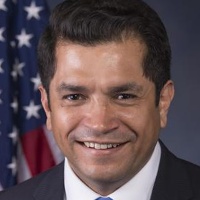
Jimmy Gomez
Representative
CA
Jimmy Gomez
Representative
CA
This resolution officially designates January 13th as Korean American Day. It expresses support for the day's ideals and encourages Americans to observe it. The resolution also honors the 123rd anniversary of the first Korean immigrants arriving in the United States.
This bill modifies deposits into the Crime Victims Fund by excluding certain False Claims Act recoveries and mandates an Inspector General audit of the Fund's sustainability.
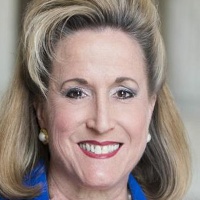
Ann Wagner
Representative
MO
Ann Wagner
Representative
MO
This bill amends the Victims of Crime Act of 1984 to temporarily exclude certain False Claims Act recoveries from being deposited into the Crime Victims Fund through fiscal year 2029. It also mandates a comprehensive audit by the Department of Justice Inspector General on the Fund's sustainability and the impact of recent legislative changes. The resulting report will provide recommendations for improving the Fund's effectiveness and oversight.
This act prohibits the use of federal funds and official action for any invasion of NATO member territory.
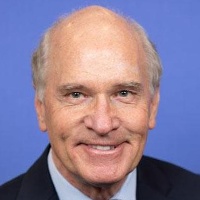
William Keating
Representative
MA
William Keating
Representative
MA
The **No Funds for NATO Invasion Act** prohibits the use of any federal funds for an invasion of any territory belonging to a member nation of the North Atlantic Treaty Organization (NATO). Furthermore, the bill bars U.S. officials from taking any action to execute such an invasion.
This act mandates the EPA to list all PFAS chemicals with fully fluorinated carbon atoms as hazardous air pollutants and identify their emission source categories under the Clean Air Act.
Haley Stevens
Representative
MI
Haley Stevens
Representative
MI
The PROTECT Act of 2026 mandates the Environmental Protection Agency (EPA) to list all perfluoroalkyl and polyfluoroalkyl substances (PFAS) with at least one fully fluorinated carbon atom as hazardous air pollutants. This action requires the EPA to identify and list the specific source categories that emit these newly designated hazardous substances under the Clean Air Act.
This resolution recognizes the 15th anniversary of the 2011 Tucson shooting, honoring the victims, survivors, and the ongoing advocacy of Gabby Giffords.
Debbie Wasserman Schultz
Representative
FL
Debbie Wasserman Schultz
Representative
FL
This resolution commemorates the 15th anniversary of the tragic January 8, 2011, Tucson shooting, honoring the six lives lost and the thirteen injured. It specifically commends the courage and ongoing advocacy of gun violence survivor and former Congresswoman Gabby Giffords. The resolution also recognizes the resilience of the community and reaffirms a commitment to ending political violence.
The MAPWaters Act of 2025 mandates federal agencies to standardize, digitize, and publish comprehensive, up-to-date geospatial data on public access restrictions for federal waterways and fishing areas.
Blake Moore
Representative
UT
Blake Moore
Representative
UT
The MAPWaters Act of 2025 aims to modernize public access to federal waterways by requiring federal agencies to standardize, digitize, and publish comprehensive geospatial data on water restrictions and access points. This legislation mandates the creation of a unified, publicly accessible online database detailing fishing restrictions, waterway closures, and access facility locations. The Act explicitly clarifies that it does not alter existing legal definitions of navigable waters or the authority of agencies to regulate fisheries and water use.
The Vaccine Transportation Access Act establishes a grant program and increases federal Medicaid funding to eliminate transportation barriers for individuals seeking essential vaccinations.
Nanette Barragán
Representative
CA
Nanette Barragán
Representative
CA
The Vaccine Transportation Access Act establishes a grant program for community organizations to provide reliable transportation services, helping individuals in underserved or low-income areas reach vaccination appointments. Additionally, the bill increases federal Medicaid support by covering 100% of the costs for nonemergency transportation specifically related to receiving eligible vaccines. These measures aim to remove critical mobility barriers and improve equitable access to essential immunizations.
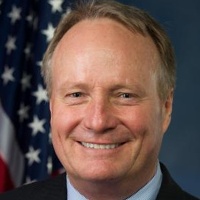
This bill amends the Port Infrastructure Development Program to mandate equitable geographic distribution of project funding across all US regions.
David Joyce
Representative
OH
David Joyce
Representative
OH
The Securing Smart Investments in our Ports Act aims to ensure federal port infrastructure funding is distributed fairly across the nation. This legislation amends the Port Infrastructure Development Program to mandate equitable geographic distribution when awarding grants for port projects, including those benefiting small ports.
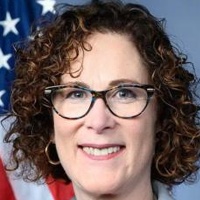
The SAW Act establishes a federal prohibition and penalties for intentionally using a motor vehicle to harm or capture mammalian predators on most federal lands, with an exception for self-defense.
Valerie Hoyle
Representative
OR
Valerie Hoyle
Representative
OR
The Snowmobiles Arent Weapons (SAW) Act establishes a federal prohibition against using a motor vehicle to intentionally harm or capture mammalian predators on most federal lands. This act sets significant penalties, including fines and imprisonment, for violations. An exception is made for actions taken in self-defense against immediate harm.
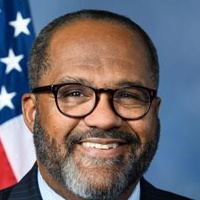
The Public Health Air Quality Act of 2025 establishes comprehensive new monitoring, reporting, and data transparency requirements for industrial air toxics and ambient air quality across the nation.
Troy Carter
Representative
LA
Troy Carter
Representative
LA
The Public Health Air Quality Act of 2025 aims to significantly enhance air quality monitoring and public data access across the United States. It establishes new federal requirements for industrial facilities to monitor and report hazardous air pollutant emissions, including real-time fenceline data. The Act also mandates the deployment of hundreds of new, advanced air quality monitors in vulnerable communities to better assess compliance with National Ambient Air Quality Standards. Ultimately, this legislation seeks to use improved, publicly accessible data to protect public health from industrial air pollution.
The Part-Time Worker Bill of Rights Act expands FMLA eligibility to part-time employees and establishes protections against scheduling discrimination, ensuring fair access to benefits and work hours.

Janice Schakowsky
Representative
IL
Janice Schakowsky
Representative
IL
The Part-Time Worker Bill of Rights Act aims to strengthen protections and expand benefits for part-time and temporary employees. The legislation eliminates restrictive hours-of-service requirements for FMLA leave and prohibits discrimination based on hours worked regarding pay, benefits, and promotion opportunities. Additionally, it mandates that employers offer available work hours to existing staff before hiring new employees or contractors.