This resolution expresses support for National Caregiving Youth Week and calls for national research to recognize and address the challenges faced by youth caregivers under 18.
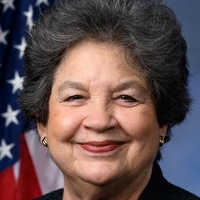
Lois Frankel
Representative
FL-22
This resolution expresses support for designating a week in November 2025 as "National Caregiving Youth Week" to recognize children under 18 who care for family members. It highlights the significant challenges these youth face balancing caregiving with their own well-being and education. The bill also calls for urgent national research to better understand and support this underserved population.
Congress Backs ‘National Caregiving Youth Week’ to Spotlight Estimated 6 Million Kids Managing Adult Medical Duties
If you’ve ever had to manage a sick family member or coordinate complex medical care, you know it’s a full-time job. Now imagine doing that before you can even drive. That’s the reality for an estimated 6 million plus children and adolescents under 18 across the country, a group this Concurrent Resolution aims to finally recognize and support.
This resolution isn't a new law with immediate funding, but it’s a powerful statement of Congressional support. It officially endorses designating the week of November 10 through November 16, 2025, as “National Caregiving Youth Week.” More importantly, it lays out exactly why this recognition is urgently needed: to shine a light on an invisible population that is largely flying under the radar.
The Invisible Workforce: Kids Doing Adult Jobs
The core of the resolution defines a “caregiving youth” as someone under 18 who regularly serves as a primary or secondary caregiver for a household member with a chronic illness, disability, or frailty. Think of the tasks involved, which the resolution details: helping someone bathe or dress, managing complex medical equipment, administering medications, changing wound dressings, or providing intense, ongoing emotional support. These are adult-level responsibilities, and the resolution points out that these duties often create significant hurdles for the kids involved.
For the high school student trying to keep up with homework, or the middle schooler navigating social pressures, these care duties translate directly into higher risks of anxiety, depression, and school dropout. The resolution notes that families of color and low-income families rely on this youth caregiving disproportionately, meaning the lack of support exacerbates existing inequalities. Essentially, these kids are performing essential, often life-saving, labor without the resources available to adult caregivers.
Why We Need a New National Headcount
One of the most critical elements of this resolution is the call for new national research. The current estimate of over 6 million caregiving youth is based on a census completed way back in 2005. That data is nearly two decades old, and the resolution correctly argues that without up-to-date, comprehensive data, policymakers can’t effectively address the problem. You can’t fix what you can’t measure.
By supporting federal initiatives for this nationwide research, Congress is signaling that it understands the first step toward effective support is simply knowing the scale of the issue. This is crucial because, as the resolution states, families are often hesitant to share this information due to lack of formal recognition, making it hard to find and help these kids.
Encouraging Policy to Catch Up
While the national week designation is symbolic, the resolution includes concrete recommendations for how stakeholders should act. Congress specifically encourages educators, healthcare professionals, research institutions, and policymakers to become more familiar with the work and needs of these young caregivers. Furthermore, it recommends that caregiving youth be included in statewide family caregiver task forces.
This last point is key. It’s a push to integrate the needs of youth caregivers into existing adult policy discussions. Right now, most resources are aimed at adults, leaving these kids to fend for themselves. By getting them a seat at the table—or at least having their needs represented—these task forces could start developing real, tangible support systems that mitigate the academic and personal challenges these young people face. Ultimately, recognizing this population is not just about saying thank you; it’s about providing the necessary support so these kids can succeed both in their caregiving role and in their own lives.