Legislative Activity
Track Donald's sponsored bills, co-sponsored legislation, and voting record
This bill establishes a coordinated federal strategy for investigating and combating organized retail crime networks through improved information sharing and industry cooperation.
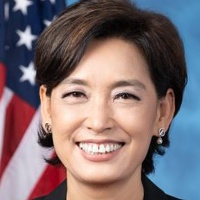
Young Kim
Representative
CA
Young Kim
Representative
CA
This bill, the Improving the Federal Response to Organized Retail Crime Act of 2025, mandates that key federal agencies develop a joint strategy to enhance coordination in investigating organized retail crime networks. The strategy must focus on improving information sharing between agencies and increasing cooperation with state, local, and private sector partners. The legislation also requires joint agency and Comptroller General reports on these coordination efforts.
This act establishes a five-year pilot program for federal grants to public schools to fund independent security risk assessments and implement necessary hard security improvements.
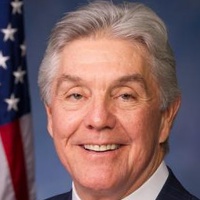
Roger Williams
Representative
TX
Roger Williams
Representative
TX
The Safer Schools Act of 2025 establishes a five-year pilot program managed by the Attorney General to award grants to public schools for security enhancements. These grants fund independent facility security risk assessments and "hard security improvements," such as physical infrastructure upgrades. Priority is given to schools that have experienced past incidents of deadly harm, and recipients must report on the effectiveness of the improvements.
This bill mandates the creation of a single, uniform medical credentialing and privileging system shared by the Department of Defense and the Department of Veterans Affairs.
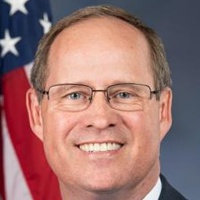
Gregory Murphy
Representative
NC
Gregory Murphy
Representative
NC
This bill mandates the Department of Defense and the Department of Veterans Affairs to create a single, uniform system for credentialing and privileging medical providers. The departments must first report on their existing systems and then jointly select one system to be implemented by January 1, 2028. This integration aims to streamline the process for medical providers serving both agencies.
This act mandates protective barriers for new fixed-route bus operator workstations purchased with federal funds, unless waived by the relevant labor union.
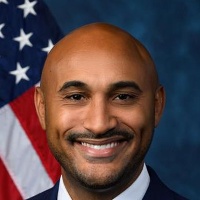
Shomari Figures
Representative
AL
Shomari Figures
Representative
AL
The Bus Operator Safety and Security Act mandates that new fixed-route buses purchased with federal funds, meeting specific size and lifespan criteria, must be equipped with a protective barrier around the operator's workstation. This barrier must fully enclose the area without obstructing the driver's line of sight. This requirement can be waived if the relevant labor union agrees to the waiver for the specific bus purchase.
This bill extends enhanced premium tax credits for 2026, establishes strict anti-fraud measures for health insurance agents and brokers, imposes new accountability and transparency requirements on Pharmacy Benefit Managers (PBMs) in Medicare, and extends the 2026 open enrollment period.
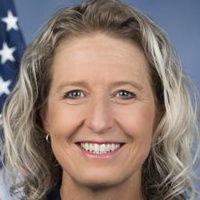
Jennifer Kiggans
Representative
VA
Jennifer Kiggans
Representative
VA
The CommonGround for Affordable Health Care Act extends enhanced premium tax credits for Marketplace health insurance through 2026, while also establishing strict new penalties and verification processes to combat fraud by agents and brokers in health insurance exchanges. Furthermore, the bill imposes significant new transparency and accountability requirements on Pharmacy Benefit Managers (PBMs) contracting with Medicare Part D plans. Finally, it extends the 2026 open enrollment period and creates a fast-track legislative process for future premium tax credit reform bills.
This bill exempts qualifying less-than-lethal projectile devices and their ammunition from federal excise taxes and the regulations of the National Firearms Act.
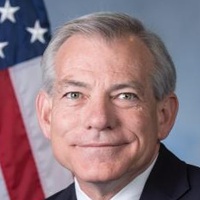
David Schweikert
Representative
AZ
David Schweikert
Representative
AZ
This bill exempts specific, carefully defined less-than-lethal projectile devices and their ammunition from the federal excise tax on firearms and ammunition. It also removes these qualifying devices from regulation under the National Firearms Act. The legislation establishes clear criteria, including velocity limits and design restrictions, to ensure the exemption applies only to tools intended for de-escalation rather than lethal force. Manufacturers can request official classification for their products to confirm eligibility for these tax and regulatory benefits.
This bill temporarily extends the deadline for certain individuals to file medical care claims under the VA's CHAMPVA program from 2024 to 2027.
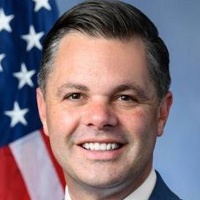
Zachary (Zach) Nunn
Representative
IA
Zachary (Zach) Nunn
Representative
IA
This bill temporarily extends the deadline for certain individuals to file medical care claims under the VA's CHAMPVA program. Specifically, it allows those eligible for both CHAMPVA and Medicare Part A an extended period of at least 365 days to file claims after receiving retroactive CHAMPVA approval. This extension is in effect until September 30, 2027.
This bill officially names the World War II Women's Memorial at Arlington National Cemetery and adjusts location restrictions for a related commemorative work in Washington, D.C.

Debbie Dingell
Representative
MI
Debbie Dingell
Representative
MI
This Act officially names the memorial at the entrance to Arlington National Cemetery as the "World War II Women's Memorial." It also designates this memorial as a "commemorative work" under existing federal law. Furthermore, the bill allows a specific World War II home front women's commemorative work to be placed in designated areas within Washington, D.C., overriding standard location restrictions.
This bill extends and enhances Affordable Care Act premium tax credits, implements anti-fraud measures for insurance enrollment, increases PBM accountability in Medicare Part D, mandates full rebate pass-through for ERISA plans, and expands Health Savings Account eligibility for certain Exchange enrollees.
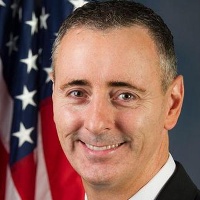
Brian Fitzpatrick
Representative
PA
Brian Fitzpatrick
Representative
PA
The Bipartisan Health Insurance Affordability Act aims to lower healthcare costs by extending and enhancing premium tax credits for Marketplace insurance through 2027. It also institutes strict new anti-fraud measures and verification processes for agents and brokers enrolling consumers in Exchange plans. Furthermore, the bill imposes significant transparency and accountability requirements on Pharmacy Benefit Managers (PBMs) in Medicare Part D and mandates a full pass-through of rebates in certain private health plans. Finally, it expands access to Health Savings Accounts (HSAs) for certain Exchange enrollees.
The SAFE Drugs Act of 2025 limits pharmacists and physicians from excessively copying commercial drugs through compounding, establishes new annual reporting for out-of-state compounding, increases FDA inspection frequency for large-scale facilities, and adjusts compounding facility fees.
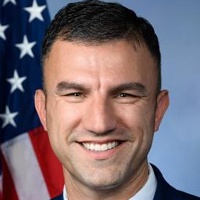
Rudy Yakym
Representative
IN
Rudy Yakym
Representative
IN
The SAFE Drugs Act of 2025 aims to enhance the safety and oversight of drug compounding by limiting the ability of pharmacists and physicians to copy commercially available drugs. It introduces new annual reporting requirements for pharmacies compounding drugs for out-of-state patients and imposes stricter FDA inspection schedules for large-scale compounding facilities. Furthermore, the bill mandates registration for all outsourcing facilities and adjusts the fee structure used to fund safety assurance activities.
This bill directs the Secretary of Defense to establish a pilot program sending informational text messages to service members and their dependents at Marine Corps bases in Okinawa, Japan.
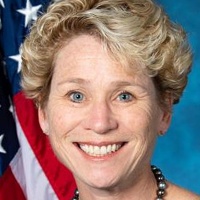
Chrissy Houlahan
Representative
PA
Chrissy Houlahan
Representative
PA
This bill directs the Secretary of Defense to establish a pilot program to deliver timely and relevant information via text message to service members and their adult dependents stationed at Marine Corps bases in Okinawa, Japan. The program will automatically enroll recipients, who will receive updates on employment, childcare, TRICARE benefits, and policy changes. The Secretary must report on the program's implementation, usage, and recommendations for potential expansion by October 2027.
This bill establishes a five-year VA pilot program to implement the Zero Suicide Initiative curriculum across five medical centers to reduce veteran suicide rates.
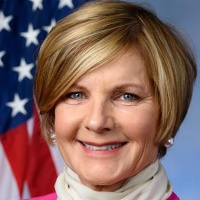
Susie Lee
Representative
NV
Susie Lee
Representative
NV
This act establishes the VA Zero Suicide Demonstration Project, a five-year pilot program to reduce veteran suicide rates. The initiative will implement the Zero Suicide Institute's curriculum across five selected VA medical centers, including one serving rural veterans. The program focuses on intensive staff training, policy development, and rigorous data collection to evaluate effectiveness. Annual reports will track progress and compare outcomes against other VA facilities.
This Act establishes a multi-agency Task Force to develop and implement a comprehensive strategy to dismantle transnational criminal syndicates operating forced-labor scam centers, particularly those targeting Americans with cryptocurrency fraud.
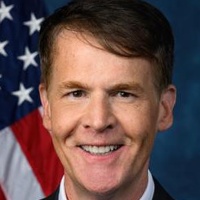
Jefferson Shreve
Representative
IN
Jefferson Shreve
Representative
IN
The Dismantle Foreign Scam Syndicates Act establishes a high-level Task Force, chaired by the Secretary of State, to develop and execute a comprehensive U.S. strategy against transnational criminal organizations running massive online scams, often utilizing victims of human trafficking in Southeast Asia. This strategy must focus on disrupting these operations, sanctioning responsible parties, and providing support for rescued victims. The bill authorizes $30 million over two years to fund these efforts and requires annual reporting to Congress on progress and impact.
This Act establishes the Independence Investment Fund to invest in U.S. critical technology companies to counter adversarial foreign investments and strengthen national security.
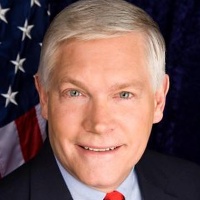
Pete Sessions
Representative
TX
Pete Sessions
Representative
TX
The Independence Investment Fund Act establishes a $\$5$ billion Treasury-managed fund to make equity and debt investments in U.S. companies developing critical and emerging technologies. This initiative aims to strengthen national security by countering adversarial foreign investments, particularly in sectors like biotechnology. The Fund will operate for 10 years under the oversight of an independent managing entity and requires regular reporting to Congress on its performance and objectives.
This Act officially recognizes the installation of mechanical insulation in federal buildings as a qualifying energy or water efficiency measure.
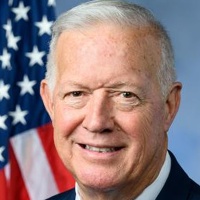
Randy Weber
Representative
TX
Randy Weber
Representative
TX
The Federal Mechanical Insulation Act officially recognizes the installation of mechanical insulation in federal buildings as a qualifying energy or water efficiency measure. This legislation defines compliant mechanical insulation as meeting or exceeding ASHRAE Standard 90.1 requirements and resulting in energy loss reduction. Furthermore, the Act mandates that comprehensive evaluations of federal buildings must identify these specific energy and water-saving insulation opportunities.
The Rx ACCESS Act extends beneficiary choice for TRICARE prescription refills, establishes minimum fair reimbursement standards for retail pharmacies, and mandates annual independent audits of the TRICARE pharmacy benefits program.
Jennifer Kiggans
Representative
VA
Jennifer Kiggans
Representative
VA
The Rx ACCESS Act aims to improve prescription access, fairness, and transparency within the TRICARE pharmacy benefits program. It extends beneficiary choice for receiving non-generic maintenance medications and establishes minimum reimbursement standards for TRICARE retail pharmacies. Furthermore, the bill mandates annual independent audits by the Comptroller General to review reimbursement rates and network adequacy.
The Mikaela Naylon Give Kids a Chance Act primarily focuses on enhancing pediatric drug research, ensuring completion of pediatric study requirements, extending incentives for rare pediatric disease treatments, and making targeted updates to FDA and organ transplant network operations.
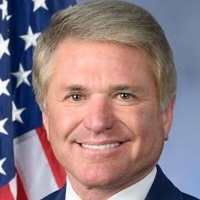
Michael McCaul
Representative
TX
Michael McCaul
Representative
TX
The Mikaela Naylon Give Kids a Chance Act focuses primarily on improving pediatric drug development and ensuring patient access to necessary treatments. This legislation mandates new research requirements for molecularly targeted pediatric cancer drugs, strengthens FDA enforcement of pediatric study completion, and extends incentives for developing drugs for rare pediatric diseases. Additionally, the bill updates organ transplant network functions and establishes an Abraham Accords Office within the FDA to enhance international regulatory cooperation.
This resolution recognizes the Ukrainian famine of 1932-1933, the Holodomor, as a genocide engineered by the Soviet Union and condemns current Russian aggression against Ukraine.
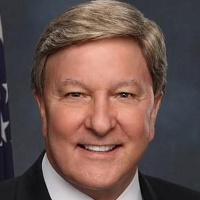
Mike Rogers
Representative
AL
Mike Rogers
Representative
AL
This resolution expresses the sense of the House of Representatives recognizing the Ukrainian famine of 1932-1933, known as the Holodomor, as a genocide perpetrated by the Soviet Union. It condemns the systematic starvation and repression of the Ukrainian people under Soviet rule. Furthermore, the resolution remembers the victims and encourages the dissemination of information about this historical tragedy.
This bill mandates prompt notification to parents and Congress when suspected child abuse or neglect is reported within military childcare and youth programs.
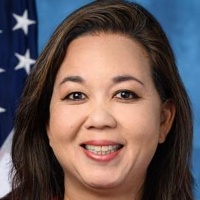
Jill Tokuda
Representative
HI
Jill Tokuda
Representative
HI
This act mandates the Department of Defense to establish a policy requiring immediate notification to parents and Congress upon the discovery of suspected child abuse or neglect within military childcare and youth programs. Covered programs must notify parents within 24 hours and relevant congressional committees and representatives within 72 hours of an allegation. This ensures transparency and timely communication regarding the safety of military dependents in care settings.
This act bans anticompetitive contract terms in health plan and provider agreements that restrict patient choice or prevent lower-cost care options.
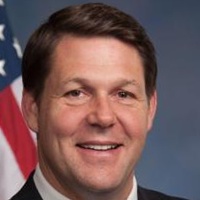
Jodey Arrington
Representative
TX
Jodey Arrington
Representative
TX
The Healthy Competition for Better Care Act aims to promote lower costs and higher quality healthcare by banning anticompetitive contract terms between health plans and providers. Specifically, it prohibits agreements that restrict plans from steering patients toward better value care or that mandate favorable terms for provider affiliates. This legislation ensures health plans retain the flexibility to design networks and quality initiatives while fostering greater competition in the healthcare market.