
Legislative Activity
Track Donald's sponsored bills, co-sponsored legislation, and voting record
The Deliver for Democracy Act ties the Postal Service's ability to raise periodical rates to meeting specific on-time delivery performance targets and mandates annual reporting and a GAO study on USPS pricing strategies.
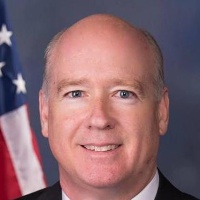
Robert Aderholt
Representative
AL
Robert Aderholt
Representative
AL
The Deliver for Democracy Act ties the Postal Service's ability to raise rates for periodicals to meeting specific on-time delivery performance targets. It mandates annual public reporting on newspaper delivery performance, requiring the Postmaster General to detail service metrics. Furthermore, the bill directs the GAO to study and report on strategies the USPS could use to improve the financial standing of underperforming mail products.
The Major Richard Star Act ensures that military retirees with combat-related disabilities can concurrently receive their full military retirement pay and VA disability compensation without reduction.

Gus Bilirakis
Representative
FL
Gus Bilirakis
Representative
FL
The Major Richard Star Act ensures that military retirees with combat-related disabilities can receive both their military retirement pay and VA disability compensation concurrently without reduction. This law removes previous restrictions that caused military retirement pay to be offset by VA disability payments for these specific cases. The changes take effect on the first day of the month following the Act's enactment.
The Caring for Survivors Act of 2025 increases dependency and indemnity compensation for surviving spouses and lowers the required period of total disability rating before death for survivors to qualify for certain benefits.

Jahana Hayes
Representative
CT
Jahana Hayes
Representative
CT
The Caring for Survivors Act of 2025 aims to increase financial support for surviving spouses of veterans. This bill raises the monthly Dependency and Indemnity Compensation (DIC) payment rate for surviving spouses. Additionally, it lowers the required duration of total disability rating before death from ten years to five years for survivors to qualify for certain DIC benefits. If the disability period was between five and ten years, the benefit amount will be proportionally adjusted.
This bill allows investors to defer taxes on capital gain dividends from mutual funds when those dividends are automatically reinvested until the shares are sold or the investor passes away.

Beth Van Duyne
Representative
TX
Beth Van Duyne
Representative
TX
This bill, the Generating Retirement Ownership through Long-Term Holding Act, allows individual investors to defer paying taxes on capital gain dividends from mutual funds if those dividends are automatically reinvested into more fund shares. Taxes on these deferred gains are only due when the investor sells the shares or upon death. This provision aims to encourage long-term investment in mutual funds by providing immediate tax relief on reinvested earnings.
This Act establishes a statutory right to access Assisted Reproductive Technology (ART) services and prohibits overly burdensome state or local regulations that interfere with that access.
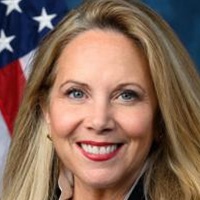
Laura Gillen
Representative
NY
Laura Gillen
Representative
NY
The Access to Family Building Act aims to guarantee that patients can access Assisted Reproductive Technology (ART) services and that healthcare providers can offer them without unreasonable interference. This legislation preempts state and local laws that impose burdens on ART services not required for similar medical procedures or that hinder access without improving safety. The Act establishes the right to access ART and provides robust legal avenues for individuals, providers, and the government to challenge and strike down restrictive regulations.
Recognizes and honors National Board Certified Teachers for their positive impact on student learning and encourages support for the growth of new certified teachers.

Julia Letlow
Representative
LA
Julia Letlow
Representative
LA
This resolution recognizes and honors teachers who have achieved or maintained National Board Certification as of March 2025, acknowledging their positive impact on student learning and potential lifetime earnings. It encourages the growth of new National Board Certified Teachers by urging educators, administrators, school districts, and States to provide candidates with incentives and support.
This Act converts Transportation Security Administration (TSA) personnel to standard federal employment rules under Title 5, establishes transition protections, mandates workforce reviews, and addresses labor relations and employee safety.

Bennie Thompson
Representative
MS
Bennie Thompson
Representative
MS
The Rights for the Transportation Security Administration Workforce Act transitions TSA personnel to standard federal employment rules under Title 5 of the U.S. Code by a set date no later than December 31, 2025. This mandates the freezing of current personnel policies during the transition while protecting current employee pay and benefits. The bill also requires extensive reviews by the Comptroller General on hiring, diversity, and workplace safety, and mandates consultation with employee representatives regarding labor relations. Finally, it ensures that screening agents retain collective bargaining rights and addresses specific concerns for Federal Air Marshals.
This Act eliminates the waiting periods for Social Security disability benefits and Medicare coverage for individuals diagnosed with metastatic breast cancer.

Andrew Garbarino
Representative
NY
Andrew Garbarino
Representative
NY
The Metastatic Breast Cancer Access to Care Act aims to improve support for individuals diagnosed with metastatic breast cancer. This bill eliminates the standard waiting period for receiving Social Security disability insurance benefits and waives the 24-month waiting period for Medicare coverage. These changes ensure immediate access to crucial financial and healthcare support upon diagnosis.
This Act expands Medicare eligibility for home health services by explicitly including the need for occupational therapy as a qualifying factor.

Lloyd Smucker
Representative
PA
Lloyd Smucker
Representative
PA
The Medicare Home Health Accessibility Act updates Medicare rules to explicitly include the need for occupational therapy as a valid basis for qualifying for home health services under both Part A and Part B. This change ensures that occupational therapy is treated equally alongside physical and speech therapy when determining eligibility for in-home care. These new provisions will take effect for services provided on or after January 1, 2026.
This act amends the tax code to give businesses the option to immediately deduct or amortize (spread out over at least five years) their research and experimental expenditures.

Ron Estes
Representative
KS
Ron Estes
Representative
KS
The American Innovation and R&D Competitiveness Act of 2025 revises how businesses treat research and experimental (R&E) expenditures for tax purposes. Taxpayers can now choose between immediately deducting R&E costs or amortizing them over a period of at least 60 months. This legislation also makes technical adjustments to ensure consistency between immediate deductions and claiming the research tax credit.
The MATCH IT Act of 2025 mandates the creation of national standards and data requirements to improve the accuracy of patient record matching across healthcare systems, aiming to reduce safety risks and administrative costs.

Mike Kelly
Representative
PA
Mike Kelly
Representative
PA
The MATCH IT Act of 2025 aims to significantly improve patient safety and reduce healthcare costs by establishing national standards for accurate patient identification across health systems. This bill mandates the creation of clear definitions and minimum data sets necessary to achieve a near-perfect patient match rate. Furthermore, it introduces voluntary incentives through Medicare to encourage providers to adopt these new, higher standards for linking patient records.
This act allows State homes caring for veterans to choose between direct reimbursement or direct furnishing of high-cost medications.
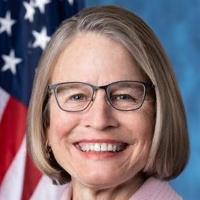
Mariannette Miller-Meeks
Representative
IA
Mariannette Miller-Meeks
Representative
IA
The Providing Veterans Essential Medications Act allows State homes caring for veterans to choose how they receive reimbursement for very high-cost medications. State homes can opt to be reimbursed directly for the medication's cost or have the Secretary of the VA furnish the drug directly. This provision applies only when the cost of a specific medication exceeds a defined threshold relative to the standard monthly payment for that veteran's care.
This bill mandates an annual report assessing U.S. reliance on China for critical agricultural inputs and recommends strategies to boost domestic or allied production.

Ashley Hinson
Representative
IA
Ashley Hinson
Representative
IA
The Securing American Agriculture Act mandates an annual report from the Secretary of Agriculture detailing U.S. reliance on China for critical farming supplies like fertilizers, seeds, and veterinary drugs. This study must assess domestic production capabilities and identify supply chain vulnerabilities that China could exploit. The goal is to provide Congress with actionable recommendations for reducing dependency through onshore or nearshore production.
The Rural Wellness Act prioritizes and extends support for behavioral and mental health treatment services in rural development programs through 2029.

Nicole (Nikki) Budzinski
Representative
IL
Nicole (Nikki) Budzinski
Representative
IL
The Rural Wellness Act extends provisions from the Agriculture Improvement Act of 2018 to 2029, adjusting specific allocation timelines. It prioritizes rural development program grants for projects that include behavioral and mental health treatment services. This prioritization includes facilities for prevention, treatment, or recovery and applicants focusing on behavioral and mental health education.
The bill requires the Department of Veterans Affairs to provide guidance and resources to entities applying for grants to support homeless veterans.

Glenn Thompson
Representative
PA
Glenn Thompson
Representative
PA
The "Simplifying Veterans Assistance Act of 2025" aims to improve the grant application process for entities seeking to provide comprehensive services to homeless veterans. It requires the Department of Veterans Affairs to provide clear guidance, best practices, and informational sessions to potential applicants. This will help ensure that more organizations can effectively access resources to support homeless veterans.
This bill establishes a process for setting Medicare payment rates for new medical technologies specifically designed for children.

John Joyce
Representative
PA
John Joyce
Representative
PA
The Access to Pediatric Technologies Act of 2025 aims to establish clear Medicare payment rates for new medical tools specifically designed for children. This bill mandates that the Secretary establish national relative value units (RVUs) for qualifying pediatric technologies upon manufacturer request and sufficient data submission. The goal is to ensure these specialized pediatric devices receive appropriate reimbursement under the physician fee schedule starting in 2026.
This bill authorizes the posthumous presentation of a Congressional Gold Medal to James Earl Jones, honoring his contributions to the United States and his work promoting inclusion in film and theatre.

Michael Lawler
Representative
NY
Michael Lawler
Representative
NY
The James Earl Jones Congressional Gold Medal Act directs the Speaker of the House and the President pro tempore of the Senate to arrange for the posthumous presentation of a Congressional Gold Medal to James Earl Jones, honoring his contributions to the United States and his work promoting inclusion in film and theatre. The Secretary of the Treasury will create the gold medal, and bronze duplicates will be made available for sale to the public.
This bill ensures that long-term care hospitals receive appropriate Medicare payments for treating seniors with critical conditions by exempting certain high-acuity cases from site-neutral payment rules.

Kevin Hern
Representative
OK
Kevin Hern
Representative
OK
The "Securing Access to Care for Seniors in Critical Condition Act of 2025" amends the Social Security Act to change Medicare payment rules for long-term care hospitals. Beginning October 1, 2026, hospitals will not be subject to site-neutral payment rules for patients discharged under specific high-severity diagnosis groups. This adjustment aims to ensure adequate financial support for hospitals treating the most critical patients.
The "Pay Our Troops Act of 2025" ensures continued pay and allowances for members of the Armed Forces, essential DOD civilians, and contractors during funding gaps until January 1, 2026, or when regular appropriations are enacted.
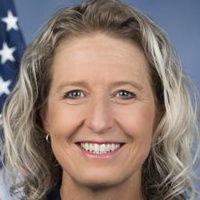
Jennifer Kiggans
Representative
VA
Jennifer Kiggans
Representative
VA
The "Pay Our Troops Act of 2025" ensures that members of the Armed Forces, essential Department of Defense civilians, and contractors continue to receive pay and allowances during periods when regular funding is disrupted. This act provides necessary appropriations to cover these costs for fiscal year 2025. The Act's provisions will terminate upon the enactment of regular appropriations, a continuing resolution that provides funding for the same purpose, or on January 1, 2026.
This bill allows homeowners to exclude from their gross income any payments they receive from state programs designed to help them improve their property to mitigate damage from disasters like windstorms, earthquakes, or wildfires.

Doug LaMalfa
Representative
CA
Doug LaMalfa
Representative
CA
The Disaster Mitigation and Tax Parity Act of 2025 allows individuals to exclude from their gross income any payments or benefits they receive from state-based catastrophe loss mitigation programs designed to help homeowners protect their properties from disasters such as windstorms, earthquakes, or wildfires. These payments will not affect the property's basis, and the exclusion is applicable retroactively for taxable years starting after December 31, 2020, allowing individuals to claim the exclusion retroactively.