Legislative Activity
Track Rosa's sponsored bills, co-sponsored legislation, and voting record
This bill restricts political appointees and special government employees from accessing Social Security data, establishes civil damages for unauthorized access, mandates Inspector General investigations, and requires a GAO study on the changes.
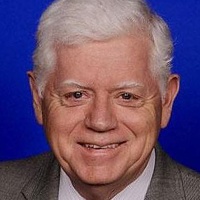
John Larson
Representative
CT
John Larson
Representative
CT
The Protecting Americans’ Social Security Data Act restricts political appointees and special government employees from accessing sensitive Social Security beneficiary data systems. It establishes a right for individuals to sue the government or responsible parties for unauthorized access or disclosure of their private Social Security information, including specified minimum damages. Furthermore, the bill mandates the Inspector General to investigate such violations and report findings to Congress within 30 days. Finally, it requires the GAO to conduct a comprehensive study on the impact of these new privacy and enforcement measures.
The John R. Lewis Voting Rights Advancement Act of 2025 aims to strengthen and update the Voting Rights Act of 1965 by addressing vote dilution and denial, establishing updated criteria for federal oversight of states and political subdivisions with a history of voting rights violations, and promoting transparency in election-related changes.
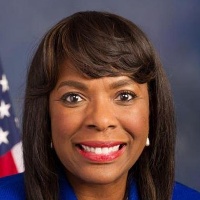
Terri Sewell
Representative
AL
Terri Sewell
Representative
AL
The John R. Lewis Voting Rights Advancement Act of 2025 amends the Voting Rights Act of 1965 to address vote dilution, denial, and abridgment claims, and to update which states and political subdivisions are subject to federal oversight based on a history of voting rights violations. It broadens the types of violations that allow a court to retain jurisdiction over a case, clarifies the Attorney General's authority to assign observers, and ensures transparency in voting-related changes. The Act also authorizes the Attorney General to demand documents and information to enforce voting rights and provides grants to small jurisdictions to assist with notification requirements.
The Richard L. Trumka Protecting the Right to Organize Act of 2025 strengthens protections for workers' rights to organize and collectively bargain by modernizing labor laws, addressing unfair labor practices, and enhancing enforcement mechanisms.
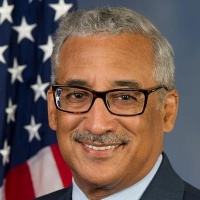
Robert Scott
Representative
VA
Robert Scott
Representative
VA
This bill, the Richard L. Trumka Protecting the Right to Organize Act of 2025, seeks to amend the National Labor Relations Act and other labor laws to strengthen protections for workers' rights to organize and collectively bargain. It aims to modernize labor regulations by clarifying definitions, addressing unfair labor practices, enhancing enforcement, and increasing transparency in labor-management relations. The bill introduces measures such as electronic voting in union elections, strengthens whistleblower protections, and mandates studies on collective bargaining practices. Ultimately, the goal is to ensure fair treatment of workers and promote equitable labor practices.
The "Safe Schools Improvement Act" amends the Elementary and Secondary Education Act of 1965, requiring states to establish policies that prevent and prohibit bullying and harassment in schools based on protected characteristics, ensuring a safe and inclusive learning environment for all students.
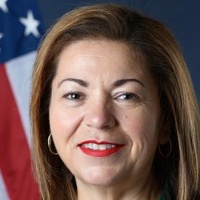
Linda Sánchez
Representative
CA
Linda Sánchez
Representative
CA
The Safe Schools Improvement Act aims to reduce bullying and harassment in schools by requiring states to establish policies prohibiting such conduct based on various characteristics, including race, sex, religion, and disability. It mandates annual notifications, data collection on incidents, biennial evaluations of programs, and regular reports to Congress to ensure accountability and effectiveness. This act does not infringe on existing nondiscrimination laws or freedom of speech but seeks to create a safer, more inclusive learning environment for all students.
The "Roberto Clemente Commemorative Coin Act" directs the Treasury to mint coins in 2027 honoring Roberto Clemente, with surcharges benefiting the Roberto Clemente Foundation.
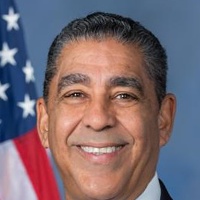
Adriano Espaillat
Representative
NY
Adriano Espaillat
Representative
NY
The Roberto Clemente Commemorative Coin Act directs the Department of Treasury to mint and issue gold, silver, and half-dollar coins in 2027 to commemorate the life and legacy of Roberto Clemente. The coins' designs will represent Clemente's life, including his baseball achievements and humanitarian work. Surcharges from the coin sales will benefit the Roberto Clemente Foundation, supporting their educational programs, youth sports initiatives, disaster relief efforts, and historic preservation projects. The Act ensures that the coin program will not incur any net cost to the United States government.
This act reinstates criminal penalties for individuals who charge unauthorized fees to veterans for assisting with claims for VA benefits.
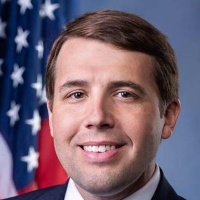
Chris Pappas
Representative
NH
Chris Pappas
Representative
NH
The GUARD VA Benefits Act establishes criminal penalties for individuals who charge veterans unauthorized fees for assisting with claims for benefits administered by the Department of Veterans Affairs. This legislation amends existing law to prohibit soliciting, contracting for, or receiving compensation for preparing or prosecuting VA benefit claims, except where explicitly authorized by other statutes.
The SAFE Act of 2025 amends existing law to include equines (horses) in the prohibition of slaughtering animals for human consumption.
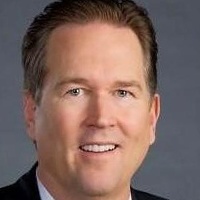
Vern Buchanan
Representative
FL
Vern Buchanan
Representative
FL
The SAFE Act of 2025 amends existing legislation to explicitly prohibit the slaughter of horses for human consumption, reinforcing protections for these animals. This bill seeks to prevent the inhumane treatment of American equines by closing loopholes that allow their slaughter and export for human consumption.
The Humane Cosmetics Act of 2025 bans cosmetic animal testing in the U.S., restricts the use of animal testing data, and sets penalties for violations, while also preventing states from enacting conflicting regulations.
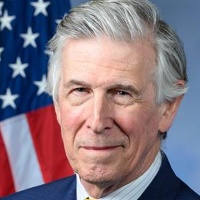
Donald Beyer
Representative
VA
Donald Beyer
Representative
VA
The Humane Cosmetics Act of 2025 bans cosmetic animal testing in the U.S. and restricts the use of animal testing data for cosmetic safety, with certain exceptions. It authorizes the Secretary of Health and Human Services to impose civil penalties for non-compliance and preempts states from enacting conflicting regulations. The Act defines key terms related to cosmetic animal testing and cosmetics.
This bill regulates large capacity ammunition feeding devices, making it illegal to import, sell, manufacture, transfer, or possess them, with certain exceptions for law enforcement and other entities, and allows for Byrne grants to be used for buy-back programs.

Diana DeGette
Representative
CO
Diana DeGette
Representative
CO
The "Keep Americans Safe Act" aims to regulate large capacity ammunition feeding devices by making it illegal to import, sell, manufacture, transfer, or possess magazines holding more than 15 rounds, with exceptions for law enforcement, government entities, and devices lawfully possessed before the law's enactment. It also permits the use of Byrne grants for buy-back programs of these devices and mandates that newly manufactured devices be marked with identifying information. Violators of this Act will face penalties under existing provisions of Title 18 of the U.S. Code.
The PAST Act of 2025 significantly strengthens the Horse Protection Act by increasing penalties, banning specific action devices, and mandating licensed inspectors to combat the practice of horse soring.
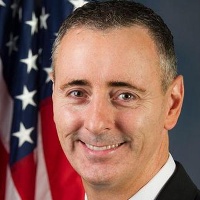
Brian Fitzpatrick
Representative
PA
Brian Fitzpatrick
Representative
PA
The PAST Act of 2025 significantly strengthens the Horse Protection Act to combat the painful practice of soring in specific horse breeds. This bill increases penalties for violations, establishes stricter licensing and oversight for inspectors, and explicitly bans the use of "action devices" designed to cause unnatural gaits. The legislation aims to enhance enforcement, ensure fairer competition, and hold violators accountable through increased fines and disqualifications.
This bill officially renames the Robert E. Lee Memorial as the Arlington House National Historic Site.
Donald Beyer
Representative
VA
Donald Beyer
Representative
VA
This bill officially redesignates the site currently known as the Robert E. Lee Memorial as the "Arlington House National Historic Site." It mandates that all official U.S. records, maps, and documents be updated to reflect this new name and repeals the previous joint resolutions that established the former designation.
The American Dream and Promise Act of 2025 provides a pathway to permanent residency for eligible individuals who came to the U.S. as children, or who have Temporary Protected Status (TPS) or Deferred Enforced Departure (DED) status.
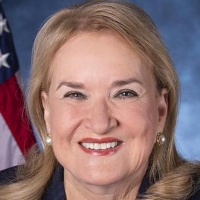
Sylvia Garcia
Representative
TX
Sylvia Garcia
Representative
TX
The American Dream and Promise Act of 2025 provides a pathway to permanent residency for eligible individuals who entered the United States as children and those with Temporary Protected Status (TPS) or Deferred Enforced Departure (DED). Title I, the Dream Act of 2025, establishes conditional permanent residency for eligible individuals who entered the U.S. as children. Title II, the American Promise Act of 2025, allows the Secretary of Homeland Security or the Attorney General to grant permanent resident status to eligible individuals from TPS or DED countries. Title III outlines general provisions, such as background checks, application processes, and fee exemptions, applicable to all seeking to adjust their status under this Act.
The Military and Educational Data Integration Act mandates a process for states to access military data of their high school graduates, enhancing educational support and evaluation.
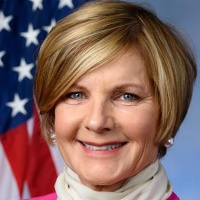
Susie Lee
Representative
NV
Susie Lee
Representative
NV
The Military and Educational Data Integration Act mandates a process for State educational agencies to access certain Armed Forces data of individuals who graduated high school in their state, including education level, test scores, and military service details. This data sharing initiative aims to integrate military data into state education systems while adhering to strict confidentiality and data security standards to protect individual privacy. The goal is to provide states with comprehensive data to better understand and support the educational and career pathways of their graduates.
The Leveling the Playing Field 2.0 Act strengthens U.S. trade laws to counteract unfair trade practices like foreign subsidies, currency manipulation, and duty evasion, ensuring fair competition for American businesses.
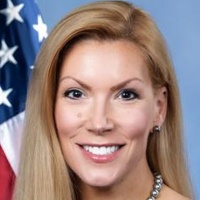
Beth Van Duyne
Representative
TX
Beth Van Duyne
Representative
TX
The Leveling the Playing Field 2.0 Act aims to strengthen U.S. trade laws by addressing unfair subsidies, currency undervaluation, duty evasion, and circumvention of trade remedies. It refines the process for handling successive trade investigations, ensuring that the International Trade Commission considers prior findings and assesses cumulative effects on domestic industries. The act also empowers authorities to counteract cost distortions in foreign countries and prevent importers from avoiding duties. Additionally, it includes provisions related to trade with Canada and Mexico and sets effective dates for new regulations.
The bill modifies and extends funding for the World Trade Center Health Program, expands the types of healthcare providers who can certify mental health conditions, and requires a report to Congress on the program's budget.
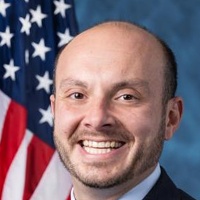
Andrew Garbarino
Representative
NY
Andrew Garbarino
Representative
NY
The 9/11 Responder and Survivor Health Funding Correction Act of 2025 amends the Public Health Service Act to improve the World Trade Center (WTC) Health Program by expanding the types of healthcare providers who can conduct mental health evaluations, modifying provider credentialing, clarifying enrollment calculations, and extending the time frame for adding health conditions for WTC responders. The act adjusts the funding formula for fiscal years 2026 through 2090 and requires the Secretary of Health and Human Services to report to Congress on the program's budget, including projected needs through 2090 and recommendations for changes to the funding formula. It also stipulates that remaining funds in the Supplemental Fund, Special Fund, and Pentagon-Shanksville Fund will revert to the Treasury.
The "Ending DOGE Conflicts Act" mandates financial disclosures for special government employees who own or lead companies contracting with the federal government, ensuring transparency and preventing conflicts of interest.
John Larson
Representative
CT
John Larson
Representative
CT
The "Ending DOGE Conflicts Act" mandates that special government employees with financial ties to companies contracting with the federal government must adhere to strict financial disclosure requirements. It requires the Director of the Office of Government Ethics to certify these employees' financial reports and prohibits them from performing official duties until compliance is confirmed.
The "Fighting Trade Cheats Act of 2025" increases penalties for customs violations, allows private parties to sue for customs fraud, and excludes violators from the importer of record program.
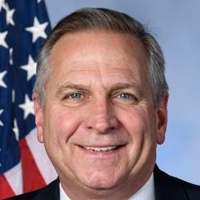
Mike Bost
Representative
IL
Mike Bost
Representative
IL
The "Fighting Trade Cheats Act of 2025" increases penalties for fraudulent and grossly negligent violations of U.S. customs laws, including banning violators and their affiliates from importing goods. It also allows private parties harmed by customs fraud to sue for damages and injunctive relief. The Act excludes those who commit fraud from participating in the importer of record program.
The DRIVE Act of 2025 mandates that the VA increase veteran travel reimbursement rates to match the federal employee mileage rate and ensures veterans receive these payments within 90 days of submitting a complete claim.
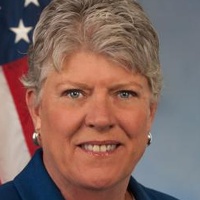
Julia Brownley
Representative
CA
Julia Brownley
Representative
CA
The DRIVE Act of 2025 ensures that the Department of Veterans Affairs (VA) travel reimbursement rate for veterans' medical appointments will never fall below the standard federal employee mileage rate. This legislation mandates that the VA must process and pay these mileage allowances within 90 days of a veteran submitting a complete request. Essentially, the bill aims to increase equity and speed in compensating veterans for necessary travel to VA healthcare.
This proposed constitutional amendment establishes that constitutional rights apply only to natural persons and grants governments the authority to regulate political spending to ensure fair democratic participation.
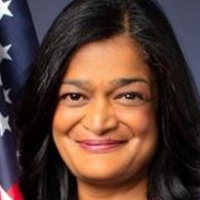
Pramila Jayapal
Representative
WA
Pramila Jayapal
Representative
WA
This proposed constitutional amendment establishes that constitutional rights belong exclusively to natural persons, not artificial entities like corporations. It further empowers governments to regulate campaign contributions and expenditures to ensure fair political participation, explicitly stating that spending money to influence elections is not protected as free speech. Finally, the amendment includes a specific provision to ensure these changes do not restrict the freedom of the press.
The "Amateur Radio Emergency Preparedness Act" protects amateur radio operators' ability to install and use antennas on their property for emergency communications by limiting private land use restrictions, while still allowing for reasonable regulations.
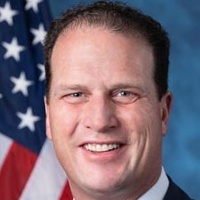
August Pfluger
Representative
TX
August Pfluger
Representative
TX
The "Amateur Radio Emergency Preparedness Act" aims to protect amateur radio operators' ability to install and use antennas on their property, despite private land use restrictions that may otherwise prohibit or impair such installations. It allows for reasonable restrictions based on safety and aesthetics, while limiting prior approval requirements and offering legal recourse for violations. The Act seeks to balance community interests with the need for effective emergency communication capabilities provided by amateur radio operators. The FCC is required to issue regulations to implement the act within 180 days of enactment.