
Legislative Activity
Track Rosa's sponsored bills, co-sponsored legislation, and voting record
This act establishes fixed, non-renewable 18-year terms for future Supreme Court Justices and outlines a staggered appointment schedule, while also creating a temporary mechanism for filling vacancies below the nine-justice quorum.

Henry Johnson
Representative
GA
Henry Johnson
Representative
GA
The Supreme Court Tenure Establishment and Retirement Modernization Act of 2025 establishes fixed, non-renewable 18-year terms for all future Supreme Court Justices, with appointments staggered every two years. This legislation also outlines a process for phasing out current Justices upon the confirmation of new appointees. Finally, it grants the Chief Justice the authority to temporarily fill sudden vacancies below the standard nine-justice level using a randomly selected retired Justice.
The Fit to Serve Act prohibits discrimination against service members and recruits in the Armed Forces based on their gender identity.

Adam Smith
Representative
WA
Adam Smith
Representative
WA
The Fit to Serve Act prohibits the U.S. Armed Forces from discriminating against service members based on their gender identity. This means military branches cannot set different standards, involuntarily discharge personnel, or deny medically necessary healthcare due to a service member's gender identity. The bill ensures equal opportunity for joining, serving, and receiving care regardless of one's internal sense of self.
This Act mandates that health plans cover medically necessary treatment for congenital anomalies or birth defects affecting the eyes, ears, teeth, mouth, or jaw to restore normal function and appearance.
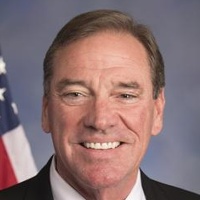
Neal Dunn
Representative
FL
Neal Dunn
Representative
FL
The Ensuring Lasting Smiles Act mandates that group health plans and insurance policies provide comprehensive coverage for medically necessary treatment related to congenital anomalies or birth defects affecting the eyes, ears, teeth, mouth, or jaw. This coverage must include services needed to restore normal function and appearance, including necessary dental and orthodontic support. Plans must apply cost-sharing rules no more restrictive than those for other medical benefits, excluding purely cosmetic procedures.
This Act prohibits the advertising and provision of paid conversion therapy intended to change an individual's sexual orientation or gender identity, empowering the FTC and State Attorneys General to enforce these prohibitions.
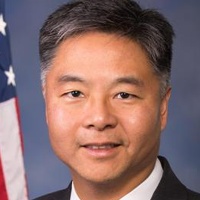
Ted Lieu
Representative
CA
Ted Lieu
Representative
CA
The Therapeutic Fraud Prevention Act of 2025 declares that practices attempting to change an individual's sexual orientation or gender identity for payment constitute an unfair and deceptive business practice. Citing professional consensus on the ineffectiveness and harm of such "conversion therapy," the bill prohibits its provision and advertising. Enforcement authority is granted to the Federal Trade Commission (FTC), and the law allows both the U.S. Attorney General and State Attorneys General to file civil actions against violators.
This bill expands the definition of highly compensated individuals whose executive pay is not tax-deductible for corporations, applying to tax years beginning after December 31, 2024.

Lloyd Doggett
Representative
TX
Lloyd Doggett
Representative
TX
The Stop Subsidizing Multimillion Dollar Corporate Bonuses Act expands the tax code rules that limit corporate deductions for excessive executive compensation. This bill broadens the definition of "covered individuals" whose high pay is subject to these limits, including certain past top executives. The changes aim to prevent companies from deducting multi-million dollar bonuses for highly compensated employees and grant the IRS authority to issue clarifying regulations.
This bill bans the manufacture, sale, and transfer of specific semiautomatic assault weapons and large-capacity ammunition feeding devices while grandfathering existing possessions and establishing new transfer requirements.
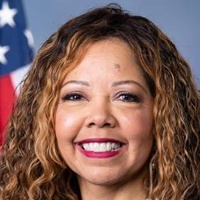
Lucy McBath
Representative
GA
Lucy McBath
Representative
GA
The Assault Weapons Ban of 2025 comprehensively defines and bans the manufacture, sale, and transfer of specific semiautomatic assault weapons and large capacity ammunition feeding devices. The bill grandfathers existing weapons but imposes new requirements for their secure storage and mandates dealer involvement for future private transfers. It also allows federal grant money to be used by states for buy-back programs targeting these banned items.
This bill makes diapers a qualified medical expense for tax-advantaged accounts and prohibits state and local governments from imposing sales tax on diaper purchases.
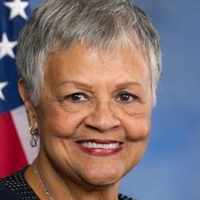
Bonnie Watson Coleman
Representative
NJ
Bonnie Watson Coleman
Representative
NJ
The Improving Diaper Affordability Act of 2025 addresses the significant financial burden and health risks associated with diaper need for American families. This bill makes diapers a qualified expense for tax-advantaged accounts like HSAs, FSAs, and HRAs, effectively lowering the cost through pre-tax dollars. Additionally, it prohibits state and local governments from imposing retail sales or use taxes on the purchase of diapers. These measures aim to increase access to this essential item for low-income households.
The Equality Act comprehensively prohibits discrimination based on sex, sexual orientation, and gender identity across key areas including public accommodations, employment, housing, credit, and jury service.
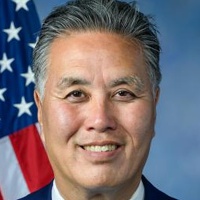
Mark Takano
Representative
CA
Mark Takano
Representative
CA
The Equality Act comprehensively expands federal civil rights protections against discrimination based on sex, sexual orientation, and gender identity across key areas of American life. It amends existing laws to prohibit discrimination in public accommodations, housing, credit, employment, and federal funding. The purpose of the bill is to provide consistent, explicit, and comprehensive remedies for individuals facing bias in these essential sectors.
This Act authorizes the President to impose sanctions, including asset freezes and visa bans, on foreign individuals involved in violence, property destruction, or displacement in the West Bank.
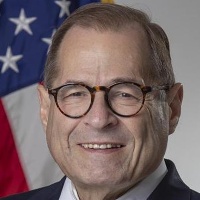
Jerrold Nadler
Representative
NY
Jerrold Nadler
Representative
NY
The West Bank Violence Prevention Act of 2025 declares extreme settler violence and displacement in the West Bank a threat to U.S. national security interests. This Act mandates the President to impose sanctions, including asset freezes and visa bans, on foreign individuals responsible for undermining peace and stability in the region. The Treasury Department must report to Congress on the implementation of these sanctions every 90 days.
The Agent Orange Relief Act of 2025 expands benefits for children of male Vietnam veterans, funds health studies for affected Vietnamese Americans, and mandates research into the ongoing health effects of Agent Orange exposure.
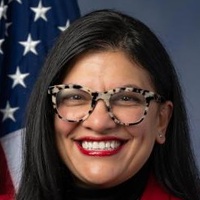
Rashida Tlaib
Representative
MI
Rashida Tlaib
Representative
MI
The Agent Orange Relief Act of 2025 aims to address the ongoing health crises stemming from the U.S. use of herbicides during the Vietnam War. This legislation expands benefits for children of male veterans born with certain birth defects and mandates new research into intergenerational health effects. Furthermore, the Act requires the Department of Health and Human Services to fund health studies and establish treatment centers for affected Vietnamese Americans. Agencies are given 18 months to fully implement these provisions, followed by mandatory quarterly progress reports to Congress.
This bill limits the Social Security Administration's recovery of benefit overpayments to a maximum of 10 percent of a monthly benefit unless the recipient agrees to a higher withholding rate.
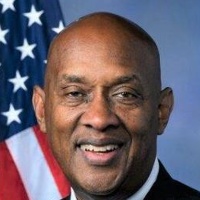
Dwight Evans
Representative
PA
Dwight Evans
Representative
PA
This bill amends the Social Security Act to limit the amount the Social Security Administration can withhold from a person's monthly benefit to recover an overpayment. Unless the individual agrees to a higher rate, the SSA can withhold no more than 10 percent of a monthly benefit payment to recoup accidental overpayments. This new limit applies to existing and future unrecovered overpayments under Title II benefits.
The Deafblind DATA Act mandates the Census Bureau to cross-reference existing survey data to produce annual, state-level demographic and economic statistics on the U.S. deafblind population.
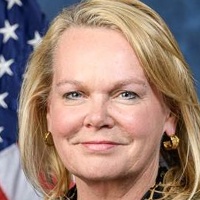
April McClain Delaney
Representative
MD
April McClain Delaney
Representative
MD
The Deafblind DATA Act aims to establish a more accurate count of Americans who are deafblind by directing the Census Bureau to cross-reference existing survey data. This new law mandates the annual publication of a public table detailing the demographic and economic characteristics of the deafblind population by state, starting in 2026. The goal is to provide essential data to ensure these individuals receive necessary support and resources.
This resolution urges the United States to lead global efforts to halt the nuclear arms race, reduce existing stockpiles, and implement verifiable measures to prevent nuclear war.
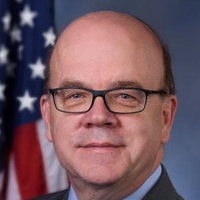
James McGovern
Representative
MA
James McGovern
Representative
MA
This resolution urges the United States to immediately prioritize global nuclear disarmament and lead the world back from the brink of nuclear war. It calls on the President to negotiate verifiable arms reduction treaties with all nuclear states to halt the arms race and prevent catastrophic conflict. Key actions include renouncing "first use," ending hair-trigger alert postures, and ceasing the development of new nuclear weapons. Furthermore, the bill demands comprehensive support, cleanup, and economic transition planning for communities and workers affected by past and present nuclear activities.
This act permanently extends and significantly expands the Earned Income Tax Credit for workers without qualifying children, lowers the minimum claiming age, removes the maximum age limit, increases credit amounts, and allows taxpayers to elect to use higher prior-year earned income for calculation.
Dwight Evans
Representative
PA
Dwight Evans
Representative
PA
The Tax Cut for Workers Act of 2025 significantly expands the Earned Income Tax Credit (EITC) for workers without qualifying children by permanently lowering the minimum age, eliminating the maximum age, and substantially increasing the credit amount. It also allows taxpayers to elect to use higher prior-year earned income when calculating the current year's credit. Furthermore, the bill removes expiration dates for applying EITC rules in certain U.S. territories.
The Raise the Wage Act of 2025 gradually increases the federal minimum wage to \$17.00, phases out subminimum wages for tipped employees and workers with disabilities, and eliminates the subminimum wage for young workers.
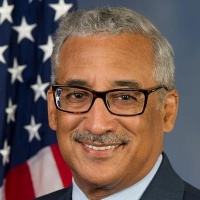
Robert Scott
Representative
VA
Robert Scott
Representative
VA
The Raise the Wage Act of 2025 establishes a phased increase of the federal minimum wage, culminating in a \$17.00 per hour rate five years after enactment, followed by automatic annual adjustments tied to median wage growth. This bill also phases out the lower minimum wage for tipped employees and workers under 20, ensuring they eventually earn the standard federal minimum wage. Furthermore, it sets a schedule to eliminate subminimum wages for individuals with disabilities and prohibits the issuance of new special certificates allowing for lower pay.
This Act establishes federal minimum standards for public employee collective bargaining rights, allowing states to maintain their own laws if they meet or exceed these standards, otherwise the Federal Labor Relations Authority will enforce federal rules.
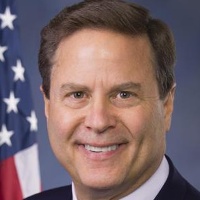
Donald Norcross
Representative
NJ
Donald Norcross
Representative
NJ
The Public Service Freedom to Negotiate Act of 2025 establishes federal minimum standards for collective bargaining rights for public employees across the nation. It requires the Federal Labor Relations Authority (FLRA) to review state laws to ensure they substantially provide these minimum rights, including the right to organize and bargain collectively. If a state fails to meet these standards, the FLRA will administer federal labor relations rules for the uncovered employees. The Act also prohibits strikes or lockouts that would measurably disrupt emergency or public safety services.
The No Tax Breaks for Union Busting Act denies businesses tax deductions for expenses incurred while influencing employees regarding union organization and activities.
Donald Norcross
Representative
NJ
Donald Norcross
Representative
NJ
The No Tax Breaks for Union Busting (NTBUB) Act aims to disallow businesses from deducting federal income taxes for expenses incurred while attempting to influence employees regarding union organization or activities. This change is intended to stop companies from subsidizing anti-union campaigns through tax write-offs. The bill also establishes new, significant reporting requirements and penalties for businesses and third-party consultants who engage in these influence expenditures.
This Act allows employees to fully deduct union dues above the line and restores the itemized deduction for certain other job-related business expenses.
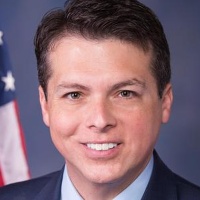
Brendan Boyle
Representative
PA
Brendan Boyle
Representative
PA
The Tax Fairness for Workers Act restores key federal tax deductions for employees, effective after 2024. This legislation makes union dues fully deductible "above the line," meaning they reduce Adjusted Gross Income without itemizing. Additionally, it allows itemizers to deduct certain other job-related business expenses that were previously limited.
The Stephen Hacala Poppy Seed Safety Act establishes federal limits for dangerous alkaloid contaminants on poppy seeds, treating seeds exceeding those limits as adulterated food products.
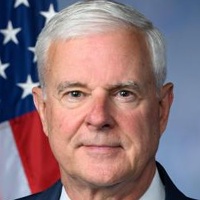
Steve Womack
Representative
AR
Steve Womack
Representative
AR
The Stephen Hacala Poppy Seed Safety Act addresses the danger of poppy seeds contaminated with high levels of opiates like morphine, which have led to accidental overdoses and deaths. This legislation directs the Secretary of Health and Human Services to establish mandatory safety limits for these contaminants in poppy seeds sold commercially. Seeds exceeding these limits will be deemed adulterated and banned from interstate commerce. Furthermore, the Act clarifies that contaminated poppy seeds are not exempt from regulation under the Controlled Substances Act.
The Arts Education for All Act mandates the integration, reporting, and research of arts education across early childhood, K-12, and correctional systems to ensure comprehensive access and measure its impact on student development and offender reentry.
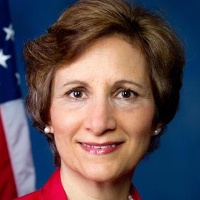
Suzanne Bonamici
Representative
OR
Suzanne Bonamici
Representative
OR
The Arts Education for All Act aims to elevate the status and accessibility of arts education across the entire educational spectrum. It mandates evidence-based training for early childhood providers, requires states to integrate arts education into core academic planning and public reporting, and authorizes the use of the arts in juvenile and adult offender reentry programs. Furthermore, the bill directs federal research agencies to study the impact of the arts and restores arts assessment to the national testing schedule.