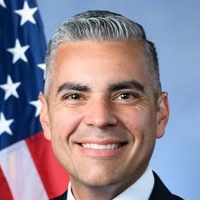
Legislative Activity
Track Juan's sponsored bills, co-sponsored legislation, and voting record
This bill mandates a study on the prevalence of liver fluke-related cancer among Vietnam veterans and extends a current limitation on certain pension payments.
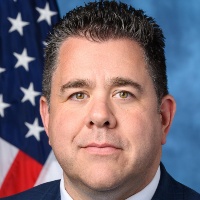
Nicolas LaLota
Representative
NY
Nicolas LaLota
Representative
NY
This Act mandates a comprehensive study, conducted by the VA in partnership with the CDC, to determine the prevalence of cholangiocarcinoma (liver cancer) among veterans who served in the Vietnam theater. The study will compare cancer rates in this veteran population against the general U.S. population and report findings to Congress. Additionally, the bill extends a current limitation on certain veteran pension payments until the end of 2031.
The EASE Act of 2025 mandates the testing of a new model to improve specialty healthcare access for rural and underserved Medicare and Medicaid beneficiaries using digital tools and coordinated care.
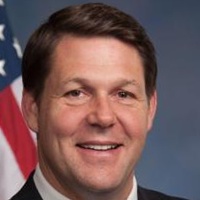
Jodey Arrington
Representative
TX
Jodey Arrington
Representative
TX
The EASE Act of 2025 mandates that the Center for Medicare and Medicaid Innovation (CMMI) test a new model to improve access to specialty health services. This "Specialty Health Care Services Access Model" will utilize digital tools, like telehealth, to connect eligible Medicare, Medicaid, and CHIP beneficiaries in rural or underserved areas with necessary specialty care. The model must be tested through a network of qualified, experienced, and primarily rural-based nonprofit providers.
This bill drastically tightens and expands U.S. sanctions against Iran across its leadership, military, and economy while severely restricting the President's authority to lift these restrictions.
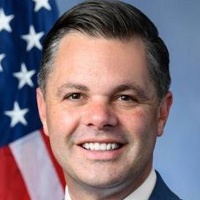
Zachary (Zach) Nunn
Representative
IA
Zachary (Zach) Nunn
Representative
IA
The Maximum Pressure Act dramatically tightens and expands U.S. sanctions against Iran across its military, missile, and economic sectors, codifying existing restrictions and severely limiting the President's authority to grant sanctions relief. It mandates immediate sanctions on top Iranian officials and increases penalties for international parties aiding Iran's weapons programs. Furthermore, the bill enhances oversight by requiring numerous detailed reports to Congress regarding Iran's terrorism financing, nuclear timeline, and economic influence, while also redirecting certain frozen Iranian funds to victims of state-sponsored terrorism.
The Reentry Act of 2025 allows inmates to receive Medicaid assistance during the 30 days preceding their release and mandates a comprehensive report on healthcare standards within correctional facilities.
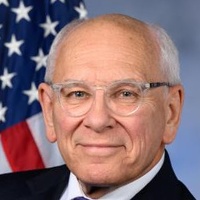
Paul Tonko
Representative
NY
Paul Tonko
Representative
NY
The Reentry Act of 2025 allows incarcerated individuals to receive medical assistance through Medicaid during the 30 days immediately preceding their release. This legislation also mandates a comprehensive report from MACPAC analyzing current healthcare standards within correctional facilities. The report will examine the impact of this coverage change and offer recommendations for improving healthcare access for those transitioning back into the community.
This Act imposes sweeping, mandatory sanctions, tariffs, and investment prohibitions on the Russian Federation and its affiliates until Russia negotiates a lasting peace with Ukraine.
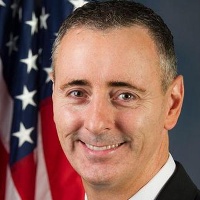
Brian Fitzpatrick
Representative
PA
Brian Fitzpatrick
Representative
PA
The Sanctioning Russia Act of 2025 imposes sweeping economic penalties on the Russian Federation in response to its aggression against Ukraine. This legislation mandates severe, immediate sanctions against key Russian officials, financial institutions, and energy sector entities, including asset freezes and trade prohibitions. Furthermore, the Act dramatically increases import duties on Russian goods and requires the President to review and reimpose these measures until Russia negotiates a lasting peace with Ukraine.
The PLAN for School Safety Act of 2025 establishes a grant program to fund regional centers that provide schools with evidence-based consultation and support for developing and implementing comprehensive safety and mental health plans.
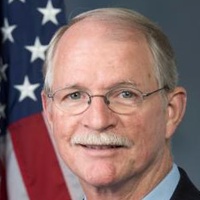
John Rutherford
Representative
FL
John Rutherford
Representative
FL
The PLAN for School Safety Act of 2025 establishes a new federal grant program to create regional School Safety Development Centers. These centers will provide personalized, research-backed consultation and technical assistance to schools on developing and implementing comprehensive safety and mental health plans. The program prioritizes support for rural, Tribal, and low-resource communities, while explicitly prohibiting the use of funds for firearm training.
This Act establishes a competitive grant program, administered by the Secretary of Energy, to strengthen domestic mining education and training programs at specialized institutions.
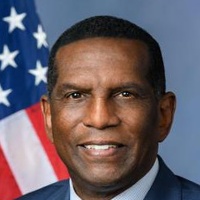
Clarence Owens
Representative
UT
Clarence Owens
Representative
UT
The Mining Schools Act of 2025 establishes a competitive grant program, administered by the Secretary of Energy, to strengthen domestic mining education at specialized institutions. These grants aim to train the next generation of professionals needed for the nation's energy and mineral supply by focusing on modern extraction, critical minerals, and environmental responsibility. The Act also creates the Mining Professional Development Advisory Board to guide the grant selection process and repeals the older Mining and Mineral Resources Research Institute Act of 1984.
This Act establishes a 20% federal tax credit for converting eligible commercial buildings into affordable housing units, subject to state allocation and specific income restrictions.
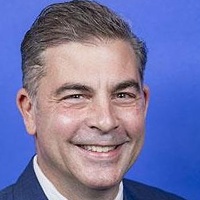
Mike Carey
Representative
OH
Mike Carey
Representative
OH
The Revitalizing Downtowns and Main Streets Act establishes a new 20% federal tax credit for converting eligible, older commercial buildings into affordable housing. This incentive aims to increase housing supply by requiring that at least 20% of the converted units remain rent-restricted for low-income residents for 30 years. State agencies will allocate these credits, which are subject to a national cap of $12 billion, based on approved plans prioritizing financially necessary projects.
This bill establishes a non-legislative Select Committee in the House of Representatives to investigate the operations and networks of Mexican drug cartels and report findings and policy suggestions.

Dan Crenshaw
Representative
TX
Dan Crenshaw
Representative
TX
This bill establishes the Select Committee to Defeat the Mexican Drug Cartels, a non-legislative investigative body within the House of Representatives. The committee will be composed of up to 21 members tasked with investigating the operations and networks of Mexican drug cartels and the government responses to them. While it cannot pass laws, the committee must report its findings and policy suggestions to the House and relevant committees by specific deadlines, with final reports made public by the end of 2026.
This bill establishes national reciprocity for concealed carry permits, allowing individuals legally permitted to carry in their home state to carry a handgun in any other state that allows concealed carry.
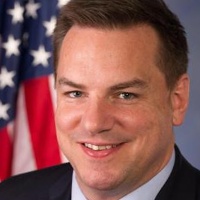
Richard Hudson
Representative
NC
Richard Hudson
Representative
NC
The Constitutional Concealed Carry Reciprocity Act of 2025 establishes a national standard for carrying concealed handguns across state lines. This act allows individuals legally permitted to carry in their home state to carry concealed in any other state that allows its residents to carry concealed firearms. The law does not override private property restrictions or prohibitions on government property, but it provides protections and legal recourse for those traveling in compliance with the new federal standard.
The Puppy Protection Act of 2025 establishes stricter housing, daily care, veterinary, and breeding standards for dog dealers under the Animal Welfare Act.
Brian Fitzpatrick
Representative
PA
Brian Fitzpatrick
Representative
PA
The Puppy Protection Act of 2025 significantly increases humane treatment standards for dog dealers under the Animal Welfare Act. This legislation mandates specific minimum space requirements, daily exercise access, and mandatory socialization for housed dogs. Furthermore, it establishes strict limits on female dog breeding frequency and age, alongside enhanced veterinary care protocols.
The WOLF Act of 2025 increases livestock indemnity payments to 100% of market value for animals killed by Mexican gray wolves and establishes a new formula for annual emergency relief payments to affected producers.
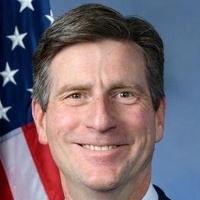
Greg Stanton
Representative
AZ
Greg Stanton
Representative
AZ
The WOLF Act of 2025 aims to increase financial support for livestock producers affected by Mexican gray wolf depredation. This legislation mandates that farmers receive 100% of the market value for livestock killed by these wolves. Additionally, it establishes a new emergency relief program to help producers mitigate ongoing negative impacts, such as increased management costs and reduced birth rates.
The Air America Act of 2025 authorizes one-time monetary awards to former Air America employees or their survivors for service supporting the CIA between 1950 and 1976.
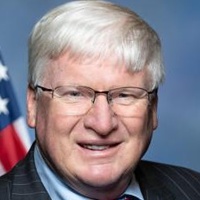
Glenn Grothman
Representative
WI
Glenn Grothman
Representative
WI
The Air America Act of 2025 recognizes the sacrifices of former Air America employees who served the U.S. Government between 1950 and 1976. This Act authorizes a one-time monetary award, up to $40,000 plus potential additional amounts, for qualifying service members or their survivors. The CIA Director is responsible for administering these payments, which are capped at a total of $60 million, and establishing the application procedures. Decisions made by the Director regarding these awards are final and not subject to judicial review.
This act mandates a comprehensive report from the Comptroller General analyzing the H2A temporary visa program's impact on agricultural hiring, worker conditions, and housing.
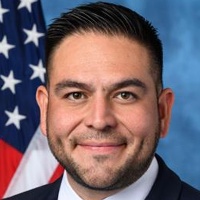
Gabriel (Gabe) Vasquez
Representative
NM
Gabriel (Gabe) Vasquez
Representative
NM
The Farm Workforce Support Act of 2025 mandates a comprehensive report by the Comptroller General on the H2A temporary visa program for agricultural workers. This study will analyze the program's impact on domestic hiring, guest worker conditions, housing adequacy, and employer compliance. The resulting analysis will be delivered to key Congressional committees within two years of the Act's passage.
The Fair and Open Competition Act of 2025 prohibits the federal government from requiring or penalizing bidders or contractors on federally funded construction projects based on their agreement or non-agreement with labor unions.
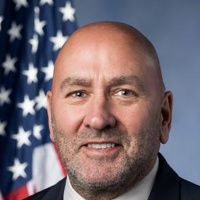
Clay Higgins
Representative
LA
Clay Higgins
Representative
LA
The Fair and Open Competition Act of 2025 ensures fair competition on federally funded construction projects by prohibiting the government from requiring or penalizing bidders based on union agreements. This legislation aims to keep federal agencies neutral in labor relations while promoting cost savings and opening opportunities for all businesses. Exceptions to this neutrality rule are strictly limited to specific public health, safety, or national security emergencies.
The Major Richard Star Act ensures that military retirees with combat-related disabilities can concurrently receive their full military retirement pay and VA disability compensation without reduction.

Gus Bilirakis
Representative
FL
Gus Bilirakis
Representative
FL
The Major Richard Star Act ensures that military retirees with combat-related disabilities can receive both their military retirement pay and VA disability compensation concurrently without reduction. This law removes previous restrictions that caused military retirement pay to be offset by VA disability payments for these specific cases. The changes take effect on the first day of the month following the Act's enactment.
This bill mandates sanctions, including asset freezes and visa bans, against specific Chinese police departments, their leaders, and associated individuals operating within the United States.
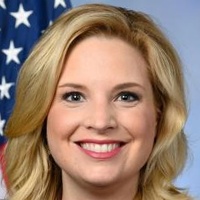
Ashley Hinson
Representative
IA
Ashley Hinson
Representative
IA
The Expel Illegal Chinese Police Act of 2025 mandates the President to impose immediate sanctions, including asset freezes and visa bans, on specific Chinese police departments, their senior leaders, and individuals involved in establishing illegal Chinese police presences in the U.S. These sanctions also extend to the immediate family members of sanctioned aliens. The bill aims to block financial transactions and entry into the U.S. for those connected to the targeted PRC law enforcement bodies.
The SPEAK Act of 2025 mandates that HHS develop guidance to ensure individuals with limited English proficiency receive effective language access during telehealth services.
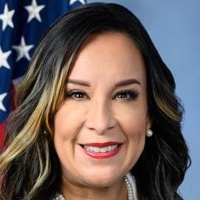
Mónica De La Cruz
Representative
TX
Mónica De La Cruz
Representative
TX
The SPEAK Act of 2025 directs the Department of Health and Human Services (HHS) to issue updated guidance on ensuring meaningful language access during telehealth services. This guidance must establish best practices for incorporating interpreters, improving access to technology, and providing multilingual patient materials for individuals with limited English proficiency. The goal is to ensure equitable care delivery across virtual health platforms.
The HELPER Act of 2025 establishes a new FHA mortgage insurance program offering 100% financing with an upfront premium and no monthly premiums for eligible first responders, educators, and law enforcement officers.
John Rutherford
Representative
FL
John Rutherford
Representative
FL
The HELPER Act of 2025 establishes a new FHA mortgage insurance program to assist first responders, educators, and law enforcement officers in purchasing homes. This program offers eligible first-time homebuyers 100% financing with no down payment required. Instead of monthly premiums, borrowers pay an upfront FHA insurance premium at closing.
This act expands the Work Opportunity Tax Credit to include employers who hire qualified military spouses.
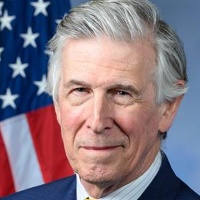
Donald Beyer
Representative
VA
Donald Beyer
Representative
VA
The Military Spouse Hiring Act amends the Internal Revenue Code to expand eligibility for the Work Opportunity Tax Credit (WOTC). This change allows employers to claim the tax credit for hiring qualified military spouses. A qualified military spouse is defined as someone certified as being married to a member of the U.S. Armed Forces.