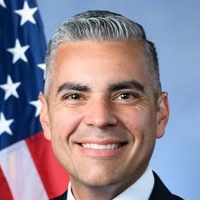
Legislative Activity
Track Juan's sponsored bills, co-sponsored legislation, and voting record
This bill waives interest accrual and requires payment deferrals for one year on certain Small Business Administration disaster loans following a presidential declaration.
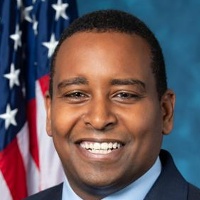
Joe Neguse
Representative
CO
Joe Neguse
Representative
CO
This bill amends the Small Business Act to provide immediate relief for disaster loan recipients. It mandates a one-year waiver of all interest accrual and principal payments for certain SBA disaster loans made after the date of enactment. This ensures borrowers have a full year of relief following the disbursement of disaster recovery funds.
This Act establishes grants, amends anti-kickback statutes to cover participant expenses and digital tools, and provides a tax exclusion to modernize clinical trials and increase enrollment from underrepresented populations.
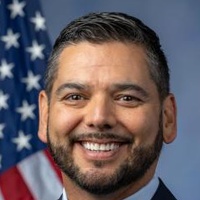
Raul Ruiz
Representative
CA
Raul Ruiz
Representative
CA
The Clinical Trial Modernization Act aims to increase diversity and accessibility in medical research by funding outreach to underrepresented populations. It updates anti-kickback laws to allow sponsors to cover participant expenses and provide necessary digital health tools to encourage enrollment. Furthermore, the bill exempts up to \$2,000 annually in payments received by participants from federal income tax.
This Act officially integrates therapeutic and diagnostic medical physicists into the VA's professional staffing structure, establishing specific qualifications and pay grades for these critical roles.
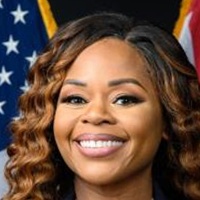
Sheila Cherfilus-McCormick
Representative
FL
Sheila Cherfilus-McCormick
Representative
FL
The Department of Veterans Affairs Medical Physicist Pay Cap Relief Act officially integrates therapeutic and diagnostic medical physicists into the VA's professional staffing ranks. This legislation establishes specific qualification standards, including mandatory post-graduate training and board certification, for these roles. Furthermore, it creates dedicated pay grades for these physicists, ensuring they are properly compensated within the VA healthcare system structure. The VA must report to Congress one year after enactment on the impact of these changes.
This resolution formally expresses Congress's support, gratitude, and recognition for the dedication and sacrifices of local law enforcement officers.
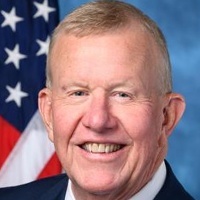
Mike Ezell
Representative
MS
Mike Ezell
Representative
MS
This Concurrent Resolution formally expresses the appreciation of Congress for the dedication and service of local law enforcement officers across the nation. It recognizes the sacrifices made by officers and their families in keeping communities safe. The resolution also encourages strong partnerships between police departments and the communities they serve.
This Act grants the Bureau of Prisons temporary authority to directly hire qualified individuals into competitive service positions to expedite staffing until 96% of those positions are filled.
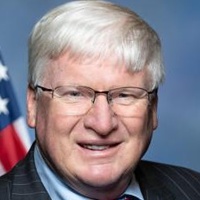
Glenn Grothman
Representative
WI
Glenn Grothman
Representative
WI
The BOP Direct-Hire Authority Act grants the Director of the Bureau of Prisons the authority to directly hire qualified individuals into competitive service jobs, bypassing standard federal hiring procedures. This expedited hiring power is intended to speed up staffing efforts across all BOP facilities. This special authority will automatically expire once 96% of all competitive service positions within the Bureau of Prisons are filled.
This Act mandates that health plans cover medically necessary treatment for congenital anomalies or birth defects affecting the eyes, ears, teeth, mouth, or jaw to restore normal function and appearance.
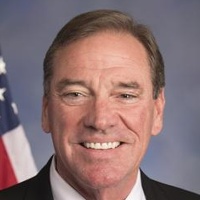
Neal Dunn
Representative
FL
Neal Dunn
Representative
FL
The Ensuring Lasting Smiles Act mandates that group health plans and insurance policies provide comprehensive coverage for medically necessary treatment related to congenital anomalies or birth defects affecting the eyes, ears, teeth, mouth, or jaw. This coverage must include services needed to restore normal function and appearance, including necessary dental and orthodontic support. Plans must apply cost-sharing rules no more restrictive than those for other medical benefits, excluding purely cosmetic procedures.
This Act allows federal law enforcement officers to receive retirement credit for previously capped overtime pay upon making a lump-sum payment, while also expanding eligibility for availability pay to certain other federal employees.
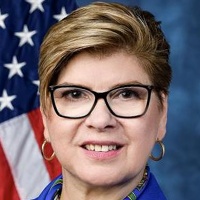
Nellie Pou
Representative
NJ
Nellie Pou
Representative
NJ
The LEO Fair Retirement Act of 2025 addresses compensation issues for federal law enforcement officers (LEOs) by allowing them to receive full retirement credit for previously capped overtime premium pay, provided they make a required lump-sum payment. The Act also expands eligibility for "availability pay" to several new categories of federal law enforcement personnel. Finally, it provides a non-refundable federal tax credit for officers receiving certain lump-sum payments related to their retirement annuity calculations.
This Act terminates clean energy tax credits for wind and solar projects beginning construction after 2030 and denies clean energy tax benefits to companies connected to designated countries of concern.
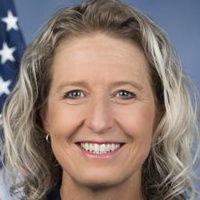
Jennifer Kiggans
Representative
VA
Jennifer Kiggans
Representative
VA
The Certainty for Our Energy Future Act modifies existing clean energy tax credits by terminating eligibility for new wind and solar facilities beginning construction after December 31, 2030. Furthermore, the bill denies various clean energy tax benefits to companies controlled by or established in designated "countries of concern." These changes aim to provide certainty regarding future tax incentives while restricting benefits for entities linked to specific foreign governments.
This act establishes a federal grant program to help law enforcement officers afford and access childcare during their off-hours.
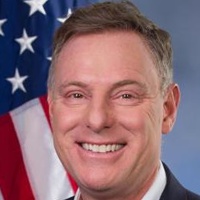
Scott Peters
Representative
CA
Scott Peters
Representative
CA
The Providing Child Care for Police Officers Act of 2025 establishes a new federal grant program to help law enforcement officers secure childcare during non-traditional hours. Administered by HHS, these competitive grants will fund local agencies to offer subsidies, start new facilities, or cover operational costs for officers. The program requires state agencies to apply and secure matching funds, with a sunset date of September 30, 2030.
The ACES Act mandates a National Academies study on cancer prevalence and mortality among active duty fixed-wing aircraft crew members and extends certain pension payment limits.
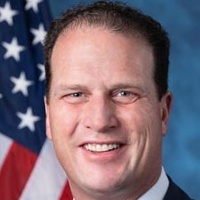
August Pfluger
Representative
TX
August Pfluger
Representative
TX
The ACES Act mandates a comprehensive study by the National Academies to investigate the prevalence and mortality rates of various cancers among active duty fixed-wing aircraft crew members due to potential service-related exposures. This legislation also extends the expiration date for certain limitations on veteran pension payments by one month. The study will analyze specific cancer types and utilize data from the VA, DoD, and other federal sources.
This bill establishes a five-year pilot program to assess the feasibility and impact of integrating certified midwife services into TRICARE for military service members and their families.
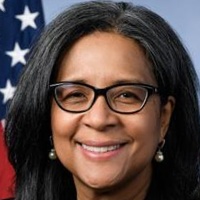
Marilyn Strickland
Representative
WA
Marilyn Strickland
Representative
WA
The MIDWIVES for Service Members Act of 2025 establishes a five-year pilot program to test the integration of certified midwife services within the TRICARE health program for military families. This initiative aims to assess the quality, cost-effectiveness, and patient satisfaction of utilizing these providers for maternal and infant care. Following the pilot, the Secretary of Defense will report findings to Congress and may recommend making the program permanent.
The Help Hoover Dam Act authorizes the Secretary of the Interior to expend non-reimbursable funds from the Boulder Canyon Project for Hoover Dam operations, maintenance, and improvements after consulting with relevant contractors.
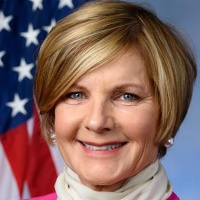
Susie Lee
Representative
NV
Susie Lee
Representative
NV
The Help Hoover Dam Act authorizes the Secretary of the Interior to expend non-reimbursable funds from the Boulder Canyon Project account for any authorized activity related to the Hoover Dam's operation, maintenance, and capital improvements. This authority includes funds already recovered or to be recovered in the future. The Secretary must consult with specific contractors involved in the project before making expenditure decisions.
The Prove It Act establishes a formal process for small businesses to challenge agency claims about the economic impact of proposed rules and strengthens requirements for agencies to consider indirect costs on small entities.
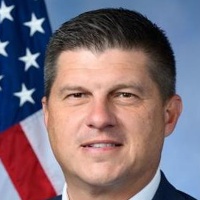
Brad Finstad
Representative
MN
Brad Finstad
Representative
MN
The Prove It Act aims to strengthen protections for small businesses against burdensome federal regulations. It establishes a formal process for small entities to challenge agency claims that a proposed rule will not significantly impact them. The bill also expands the required analysis of indirect costs and imposes consequences if agencies fail to periodically review existing rules on time.
The Better CARE for Animals Act of 2025 strengthens the enforcement of the Animal Welfare Act by expanding investigative authority, establishing new civil penalties up to \$10,000 per day, and explicitly granting the Attorney General power to file civil actions, including seeking seizure and forfeiture of animals.
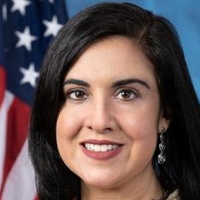
Nicole Malliotakis
Representative
NY
Nicole Malliotakis
Representative
NY
The Better CARE for Animals Act of 2025 significantly strengthens enforcement of the Animal Welfare Act by clarifying definitions and expanding the scope of investigations. It grants the Attorney General explicit authority to file civil actions seeking penalties up to $10,000 per day, and mandates that collected fines help cover temporary animal care costs. The bill also requires the Secretary of Agriculture and the Attorney General to establish a formal agreement for coordinated enforcement.
This bill establishes a special visitor category for qualifying Canadian retirees to stay in the U.S. for up to 240 days annually and grants them non-resident alien tax status.
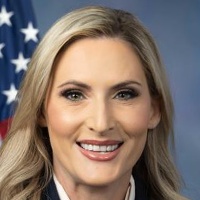
Laurel Lee
Representative
FL
Laurel Lee
Representative
FL
The Canadian Snowbird Act creates a special visitor status for qualifying Canadian retirees, allowing them to stay in the U.S. for up to 240 days per year while maintaining their Canadian residency. This legislation also ensures that these Canadian visitors are treated as non-resident aliens for U.S. tax purposes, preventing them from being taxed like U.S. residents. The bill aims to simplify entry and tax obligations for long-term seasonal visitors from Canada.
This resolution officially designates April 2025 as Community College Month to recognize the vital role over 1,000 community colleges play in providing accessible education, workforce training, and economic prosperity across the United States.
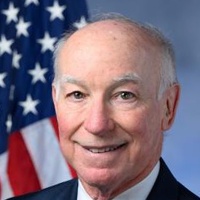
Joe Courtney
Representative
CT
Joe Courtney
Representative
CT
This resolution officially designates April 2025 as "Community College Month" to celebrate the vital role of over 1,000 community colleges nationwide. It recognizes these institutions for providing accessible, affordable higher education and critical workforce training. The bill highlights their significant economic contributions and commitment to local community needs.
This resolution recognizes the vital contributions of linemen, often acting as first responders, and supports designating April 18, 2025, as "National Lineman Appreciation Day."
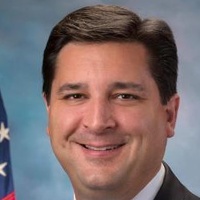
David Rouzer
Representative
NC
David Rouzer
Representative
NC
This resolution officially recognizes the vital and dangerous work performed by power linemen who maintain our electrical infrastructure and ensure public safety. It highlights their crucial role as first responders, often working in hazardous conditions after disasters. Furthermore, the resolution supports the designation of April 18, 2025, as "National Lineman Appreciation Day" to formally honor their service.
The SOAR Act of 2025 reforms Medicare oxygen benefits by removing competitive bidding, establishing specific supplier responsibilities, enhancing fraud protection through electronic documentation, and enshrining patient rights for supplemental oxygen recipients.
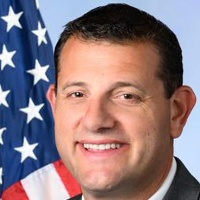
David Valadao
Representative
CA
David Valadao
Representative
CA
The SOAR Act of 2025 aims to significantly reform Medicare access to supplemental oxygen by removing it from the competitive bidding program and establishing new payment rates. The bill also mandates clearer documentation requirements for medical necessity using electronic templates and restores clinical judgment in claim audits. Finally, it establishes specific rights for oxygen beneficiaries and improves reimbursement for respiratory therapists.
This Act establishes a full refund of federal motor fuel excise taxes for fuel used in vehicles providing mobile mammography services and exempts such fuel sales from federal retail tax.
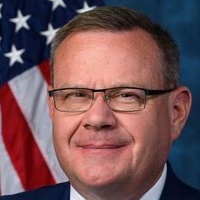
Tim Moore
Representative
NC
Tim Moore
Representative
NC
The Mobile Mammography Promotion Act of 2025 aims to support mobile mammography services by providing full refunds for federal motor fuel excise taxes paid on fuel used in these specialized vehicles. Furthermore, the Act eliminates the federal retail tax on fuel sold specifically for use in these mobile medical units. This legislation seeks to reduce operational costs for providers offering crucial diagnostic services directly to patients.
This Act establishes a specific P visa category for temporary workers employed by traveling carnivals, circuses, and associated concession providers, while subjecting them to existing H-2B temporary worker regulations.
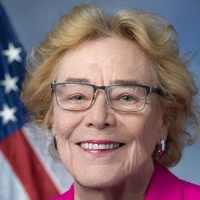
Zoe Lofgren
Representative
CA
Zoe Lofgren
Representative
CA
The Carnivals are Real Entertainment Act establishes a specific P visa pathway for temporary workers employed by traveling carnivals, circuses, and associated concession providers. This new classification ensures essential mobile entertainment staff can enter the U.S. while adhering to existing H-2B temporary worker program regulations. The law mandates that the Secretaries of Homeland Security and Labor develop and finalize the necessary rules within one year of enactment.