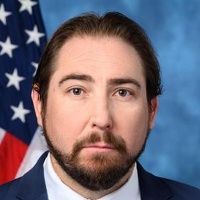
Legislative Activity
Track Eli's sponsored bills, co-sponsored legislation, and voting record
This Act mandates the designation of specific Iranian-aligned groups as Foreign Terrorist Organizations (FTOs) and requires the imposition of corresponding sanctions.
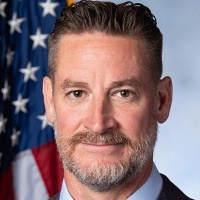
W. Steube
Representative
FL
W. Steube
Representative
FL
The Iranian Terror Prevention Act mandates the swift designation of specific Iranian-linked groups as Foreign Terrorist Organizations (FTOs) by the Secretary of State. It requires the President to impose existing sanctions on these designated groups and any affiliated entities within 60 days of enactment. Furthermore, the bill establishes ongoing reporting requirements to Congress regarding designations and the application of sanctions.
This bill formally initiates the Senate trial to remove Chief Judge James E. Boasberg for alleged failure to maintain good behavior through judicial overreach concerning national security and undisclosed payments.
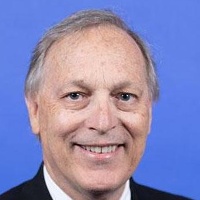
Andy Biggs
Representative
AZ
Andy Biggs
Representative
AZ
This bill formally transmits an Article of Removal from the House of Representatives to the Senate regarding Chief Judge James E. Boasberg of the U.S. District Court for the District of Columbia. The House asserts that the Judge failed to maintain the "good behavior" required by the Constitution. The accusations center on alleged partisan interference with the President's foreign policy and national security authority, including an order concerning the return of certain individuals. The Senate is now tasked with considering whether to convict and remove Judge Boasberg from office.
This bill codifies Executive Order 14248 into permanent federal law to preserve and protect the integrity of American elections.
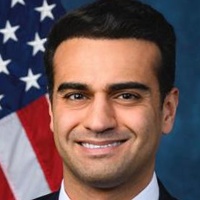
Abraham Hamadeh
Representative
AZ
Abraham Hamadeh
Representative
AZ
This bill seeks to permanently establish the directives of Executive Order 14248 into federal law. By codifying this order, the legislation ensures the measures aimed at preserving and protecting the integrity of American elections remain in effect. This action elevates the existing presidential order to the full force and effect of statutory law.
The SHORT Act redefines "firearm" to exclude certain collector's items, eliminates disparate federal treatment of short-barreled rifles and shotguns, preempts state and local registration/tax burdens on these items, and mandates the destruction of certain existing NFA records.
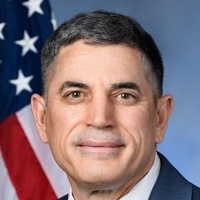
Andrew Clyde
Representative
GA
Andrew Clyde
Representative
GA
The SHORT Act aims to reform federal firearms regulations by redefining what constitutes a "firearm" for tax purposes, largely excluding antique or collector's items. It eliminates disparate federal treatment for short-barreled rifles and shotguns used lawfully and preempts state and local governments from imposing special taxes or registration requirements on these specific weapons. Furthermore, the bill mandates the destruction of certain existing federal registration and transfer records related to defined firearms.
The Knife Owners’ Protection Act of 2025 establishes federal protections for the lawful interstate transportation of knives, ensuring individuals can travel across state lines without fear of arrest or local legal interference, provided specific storage requirements are met.
Andy Biggs
Representative
AZ
Andy Biggs
Representative
AZ
The Knife Owners’ Protection Act of 2025 establishes federal protections for individuals transporting knives across state lines, provided the knives are stored in accordance with specific safety requirements. The bill shields compliant travelers from state and local arrest or detention and allows individuals to raise these protections as a legal defense. Additionally, it creates a civil right of action for those whose rights under this act are violated by state or local authorities.
This bill establishes national reciprocity for concealed carry permits, allowing individuals legally permitted to carry in their home state to carry a handgun in any other state that allows concealed carry.
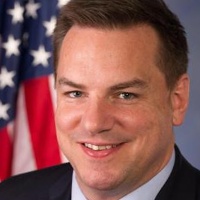
Richard Hudson
Representative
NC
Richard Hudson
Representative
NC
The Constitutional Concealed Carry Reciprocity Act of 2025 establishes a national standard for carrying concealed handguns across state lines. This act allows individuals legally permitted to carry in their home state to carry concealed in any other state that allows its residents to carry concealed firearms. The law does not override private property restrictions or prohibitions on government property, but it provides protections and legal recourse for those traveling in compliance with the new federal standard.
This act updates executive branch reorganization authority by expanding presidential objectives, redefining covered entities, removing certain restrictions, and extending the relevant deadlines to 2026.

James Comer
Representative
KY
James Comer
Representative
KY
The Reorganizing Government Act of 2025 updates the laws governing presidential executive reorganization plans. This bill expands the objectives for these plans to include reducing federal employees and eliminating burdensome regulations. It also extends the authority for the President to submit reorganization plans to Congress until the end of 2026.
This act eliminates the Optional Practical Training (OPT) program, ending work authorization for F-1 visa students unless explicitly authorized by future Congressional action.

Paul Gosar
Representative
AZ
Paul Gosar
Representative
AZ
The Fairness for High-Skilled Americans Act of 2025 aims to eliminate the Optional Practical Training (OPT) program, which currently allows F-1 student visa holders to gain temporary work authorization after completing their studies. This bill removes the government's authority to grant such work permission unless explicitly authorized by a future Act of Congress.
This bill formally impeaches Chief Judge John James McConnell Jr. of the U.S. District Court for Rhode Island for high crimes and misdemeanors based on allegations of political bias and conflicts of interest.
Andrew Clyde
Representative
GA
Andrew Clyde
Representative
GA
This bill constitutes the Articles of Impeachment filed by the House of Representatives against Chief Judge John James McConnell Jr. of the U.S. District Court for Rhode Island. The articles charge the Judge with high crimes and misdemeanors based on allegations of political bias and significant conflicts of interest. Specifically, the accusations cite his political donations, public statements regarding former President Trump, and his leadership role in a non-profit organization funded by a party in a case he presided over. The resolution formally seeks his removal from the federal bench.
This bill impeaches Chief Judge James E. Boasberg for allegedly abusing his power to obstruct the President's enforcement of immigration laws related to a designated terrorist organization.
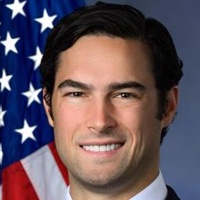
Brandon Gill
Representative
TX
Brandon Gill
Representative
TX
This bill impeaches Judge James E. Boasberg, Chief Judge for the District of Columbia, for high crimes and misdemeanors. The impeachment accuses Boasberg of abusing judicial power for political gain by obstructing the President's authority to remove aliens associated with a designated Foreign Terrorist Organization. Boasberg is accused of interfering with the President's enforcement of laws, jeopardizing national safety, and undermining the separation of powers. The bill seeks his removal from office.
The Fair and Open Competition Act of 2025 prohibits the federal government from requiring or penalizing bidders or contractors on federally funded construction projects based on their agreement or non-agreement with labor unions.
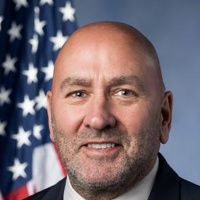
Clay Higgins
Representative
LA
Clay Higgins
Representative
LA
The Fair and Open Competition Act of 2025 ensures fair competition on federally funded construction projects by prohibiting the government from requiring or penalizing bidders based on union agreements. This legislation aims to keep federal agencies neutral in labor relations while promoting cost savings and opening opportunities for all businesses. Exceptions to this neutrality rule are strictly limited to specific public health, safety, or national security emergencies.
The LAND Act restricts foreign purchases of U.S. agricultural land by applying reciprocal ownership rules based on the buyer's home country and establishes a Task Force to monitor and report on these transactions.
Brandon Gill
Representative
TX
Brandon Gill
Representative
TX
The Land And National Defense Act (LAND Act) imposes strict reciprocal restrictions on foreign entities purchasing U.S. agricultural land, mirroring the limitations a U.S. citizen would face when buying land in the purchaser's home country. It establishes a new Task Force, chaired by the Secretary of Agriculture, to monitor and report on foreign ownership compliance. Furthermore, sellers are required to report all agricultural land sales to foreign purchasers to the Secretary of Agriculture.
This bill prohibits federal funding or support for research using human fetal tissue obtained from induced abortions while permitting research using tissue from miscarriages or stillbirths under updated guidelines.
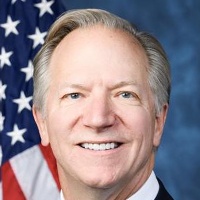
Robert Onder
Representative
MO
Robert Onder
Representative
MO
The Protecting Life and Integrity in Research Act of 2025 bans all federal funding or support for research utilizing human fetal tissue obtained specifically from an induced abortion. The bill permits federal research on tissue derived from miscarriages or stillbirths, provided it adheres to updated Public Health Service Act guidelines. Furthermore, it prohibits the solicitation or knowing acceptance of human fetal tissue donations if the donor knows the tissue resulted from an induced abortion or was procured for that purpose. This legislation also repeals an existing law concerning NIH revitalization.
This Act ratifies a settlement agreement to resolve water rights claims for the Navajo Nation, Hopi Tribe, and San Juan Southern Paiute Tribe in Northeastern Arizona, authorizing funding for water infrastructure, including the *iin b paa tuwaqatsi* pipeline.
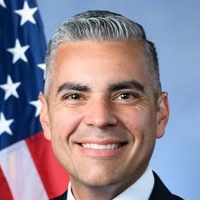
Juan Ciscomani
Representative
AZ
Juan Ciscomani
Representative
AZ
The Northeastern Arizona Indian Water Rights Settlement Act of 2025 officially ratifies a major agreement to settle long-standing water rights claims for the Navajo Nation, Hopi Tribe, and San Juan Southern Paiute Tribe. The bill authorizes significant funding for tribal water projects, establishes dedicated trust funds for future development, and mandates the construction of the *iin b paa tuwaqatsi* pipeline to deliver Colorado River water. Finally, it confirms specific water allocations, details leasing options, and establishes limited waivers of sovereign immunity to ensure the settlement is enforceable.
The CLEAR Act of 2025 aims to enhance state and local law enforcement's role in federal immigration enforcement by providing them with more authority, resources, training, and federal support for detaining and transferring undocumented immigrants.
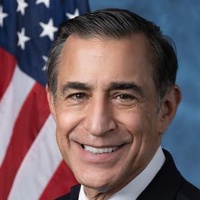
Darrell Issa
Representative
CA
Darrell Issa
Representative
CA
The CLEAR Act of 2025 aims to enhance immigration law enforcement by empowering state and local law enforcement to assist in the investigation, apprehension, and detention of undocumented immigrants. It encourages cooperation through financial incentives, mandates information sharing between state/local agencies and federal authorities, and expands detention facilities. The Act also provides training and immunity to state and local officers and continues the Institutional Removal Program to remove criminal immigrants from prisons. Additionally, it ensures that states are reimbursed for costs associated with detaining and transporting undocumented immigrants.
This act allows U.S. citizens to sue local governments defined as "sanctuary jurisdictions" for crimes committed by undocumented aliens due to failures in immigration enforcement.
Darrell Issa
Representative
CA
Darrell Issa
Representative
CA
The Sanctuary City Accountability Act establishes a new private right of action allowing U.S. citizens to sue local governments defined as "sanctuary jurisdictions" for crimes committed against them by undocumented aliens. This allows citizens to seek injunctive relief or compensatory damages in federal court if local policies obstruct federal immigration enforcement. A local government is protected from these lawsuits if its actions are mandated by state law.
This bill abolishes the Federal Reserve Board and Federal Reserve Banks one year after enactment, transferring assets to the Treasury and tasking the Treasury Secretary with managing outstanding liabilities.
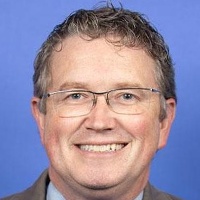
Thomas Massie
Representative
KY
Thomas Massie
Representative
KY
The "Federal Reserve Board Abolition Act" eliminates the Federal Reserve Board and Federal Reserve Banks one year after enactment, repealing the Federal Reserve Act. During the dissolution period, the Chairman of the Federal Reserve Board will manage the winding down of affairs, and the Office of Management and Budget Director will liquidate assets to maximize returns to the Treasury. The Treasury Secretary will assume outstanding liabilities and, along with the Office of Management and Budget Director, report to Congress on the implementation of the Act.
Prohibits federal funding to the United Nations' immigration and refugee relief organizations IOM, UNHCR, and UNRWA, and requires a study and audit of past funding.
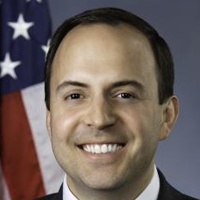
Lance Gooden
Representative
TX
Lance Gooden
Representative
TX
The "No Tax Dollars for the United Nations Immigration Invasion Act" prohibits the U.S. government from financially contributing to the United Nations International Organization for Migration (IOM), the United Nations High Commissioner for Refugees (UNHCR), and the United Nations Relief and Works Agency for Palestine Refugees in the Near East (UNRWA). It also mandates a study by the Comptroller General to identify all federal assistance programs that provide funds to these organizations, detailing amounts, restrictions, and potential repayments, as well as an audit of the Department of State’s Refugee Travel Loan Program. A report summarizing the study and audit results must be submitted to Congress within 180 days of the Act's enactment.
The "Forest Service Accountability Act" mandates presidential appointment of the Forest Service Chief with Senate approval, choosing someone experienced in forest and natural resources management, and requires a nomination within 30 days of enactment.
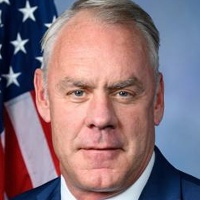
Ryan Zinke
Representative
MT
Ryan Zinke
Representative
MT
The Forest Service Accountability Act mandates that the President, with Senate approval, appoint the Chief of the Forest Service, choosing someone with expertise in forest and natural resources management. The Senate Committees on Agriculture, Nutrition, and Forestry, and Energy and Natural Resources will jointly review the nomination. Within 30 days of the Act's enactment, the President must submit a nomination for the Chief of the Forest Service to the Senate.
To award a Congressional Gold Medal to the 761st Tank Battalion, the first Black soldiers to serve in an American armored unit, for their valor and crucial contributions to the Allied victory in Europe.
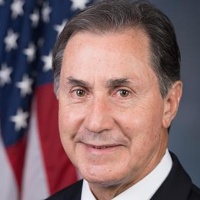
Gary Palmer
Representative
AL
Gary Palmer
Representative
AL
This bill authorizes the Speaker of the House and the President pro tempore of the Senate to award a Congressional Gold Medal to the 761st Tank Battalion, also known as the "Black Panthers," in recognition of their courageous service and crucial contributions during World War II. The medal will be given to the National Museum of African American History and Culture for display, honoring the 761st as the first Black soldiers to serve in an American armored unit and their significant role in the Allied victory in Europe. The bill also allows for the creation and sale of bronze duplicates of the medal to support the United States Mint Public Enterprise Fund.