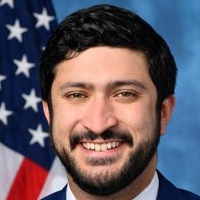
Legislative Activity
Track Gregorio's sponsored bills, co-sponsored legislation, and voting record
This bill mandates that biomedical products developed with federal research funding be sold at reasonable prices, ensuring U.S. residents are not charged more than the median price in comparable high-income nations.
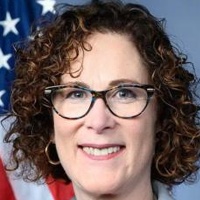
Valerie Hoyle
Representative
OR
Valerie Hoyle
Representative
OR
The Affordable Pricing for Taxpayer-Funded Prescription Drugs Act of 2026 mandates that biomedical products developed with federal research funding must be sold at a reasonable price. It establishes a price ceiling based on international benchmarks to ensure U.S. residents do not pay more than those in other high-income nations. Additionally, the bill increases transparency by requiring manufacturers to publicly report clinical trial costs, federal subsidies, and annual revenues for these products.
This resolution honors the life and historic congressional legacy of the Honorable Kay Granger, recognizing her trailblazing service as a Representative from Texas and her dedicated contributions to national defense and the city of Fort Worth.
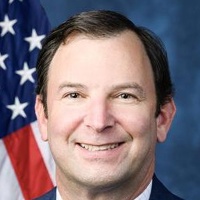
Craig Goldman
Representative
TX
Craig Goldman
Representative
TX
This resolution honors the life and legacy of the Honorable Kay Granger, celebrating her nearly 28 years of service in the U.S. House of Representatives. It recognizes her historic achievements as a trailblazer for women in public office, her dedicated advocacy for national defense, and her lasting contributions to the city of Fort Worth, Texas.
The Green New Deal for Public Housing Act provides federal grants to modernize, decarbonize, and expand public housing while creating workforce development opportunities and strengthening resident participation.
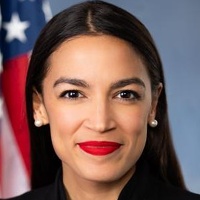
Alexandria Ocasio-Cortez
Representative
NY
Alexandria Ocasio-Cortez
Representative
NY
The Green New Deal for Public Housing Act aims to modernize the nation’s public housing stock by investing in deep energy retrofits, sustainability upgrades, and climate resilience. The bill establishes grant programs to transition public housing to zero-carbon, energy-efficient homes while simultaneously fostering economic empowerment through workforce development and resident-led management. By repealing restrictive caps on housing units and prioritizing tenant participation, the legislation seeks to improve living standards, ensure long-term habitability, and expand the availability of safe, affordable housing.
The "No TSA Data for ICE Act" prohibits the Department of Homeland Security from sharing TSA passenger data with immigration enforcement agencies and protects Trusted Traveler program participants from retaliation for exercising their First Amendment rights.
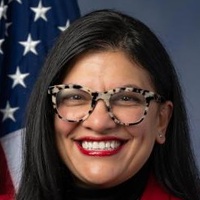
Rashida Tlaib
Representative
MI
Rashida Tlaib
Representative
MI
The "No TSA Data for ICE Act" prohibits the Department of Homeland Security from sharing sensitive passenger data from the TSA or private brokers with immigration enforcement agencies. Additionally, the bill protects participants in Trusted Traveler programs by preventing the government from suspending or denying enrollment based on an individual's participation in First Amendment-protected activities.
This bill directs the President to remove U.S. Armed Forces from hostilities against Iran unless Congress has declared war or specifically authorized the use of military force.
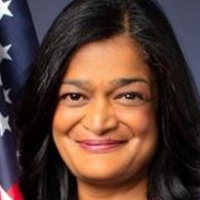
Pramila Jayapal
Representative
WA
Pramila Jayapal
Representative
WA
This bill directs the President to remove U.S. Armed Forces from hostilities against Iran unless Congress has explicitly declared war or authorized the use of military force. It preserves the right of the U.S. to defend against imminent attacks and ensures that intelligence-sharing activities remain unaffected. The resolution clarifies that it does not serve as an authorization for the use of military force.
This bill prohibits domestic business entities with significant foreign ownership or influence from contributing to U.S. elections and mandates strict certification requirements to ensure political spending is free from foreign control.
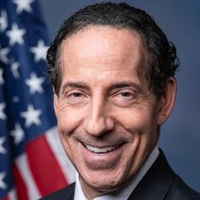
Jamie Raskin
Representative
MD
Jamie Raskin
Representative
MD
The Get Foreign Money Out of United States Elections Act strengthens existing laws to prevent foreign influence in American elections. It expands the ban on foreign contributions to include domestic companies with significant foreign ownership or control and mandates strict certification requirements for corporate political action committees. These measures ensure that foreign entities cannot influence federal, state, or local elections through direct spending, ballot initiatives, or Super PACs.
This bill mandates increased transparency and imposes four-year operational restrictions on large private equity firms that acquire childcare providers to ensure the stability and quality of care.
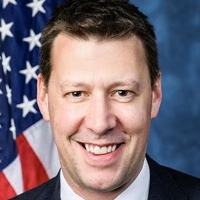
Josh Riley
Representative
NY
Josh Riley
Representative
NY
The Protecting Childcare from Private Equity Act aims to increase transparency and stability in the childcare industry by requiring large private equity firms to disclose their ownership of childcare providers. The bill imposes four-year restrictions on the sale of these businesses and the extraction of profits to ensure long-term operational stability. Additionally, it mandates a comprehensive study to evaluate the impact of private equity ownership on the quality, cost, and accessibility of childcare services.
The Inclusive Democracy Act of 2026 protects the right of all citizens to vote in federal elections regardless of criminal conviction and mandates that carceral facilities provide incarcerated individuals with the necessary resources to register and vote.
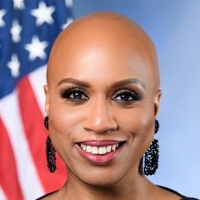
Ayanna Pressley
Representative
MA
Ayanna Pressley
Representative
MA
The Inclusive Democracy Act of 2026 prohibits the federal government and states from denying any citizen the right to vote in federal elections due to a criminal conviction. The bill mandates that carceral facilities provide incarcerated individuals with access to voter registration, absentee ballots, and election information. Additionally, it establishes enforcement mechanisms to ensure these voting rights are protected and upheld in all federal elections.
Orlin’s Law establishes comprehensive protections for detained immigrant parents, prioritizing family unity by mandating release procedures, access to legal and child welfare proceedings, and the creation of a dedicated office to coordinate parental rights and care.
Pramila Jayapal
Representative
WA
Pramila Jayapal
Representative
WA
Orlin’s Law establishes critical protections for immigrant parents in U.S. custody to prevent the unnecessary separation of families. The bill mandates that detained parents be prioritized for release, provided with the means to participate in family court proceedings, and granted access to resources for their children’s care. Additionally, it creates an Office of Detained Parent Coordination to oversee these protections and requires the government to provide alternatives to detention for parents.
The High Court Gift Ban Act prohibits federal judicial officers from accepting gifts exceeding $50 per instance or $100 annually from a single source, with specific exceptions and enforcement penalties.
Jamie Raskin
Representative
MD
Jamie Raskin
Representative
MD
The High Court Gift Ban Act establishes strict limits on gifts accepted by federal judicial officers, prohibiting any gift valued over $50 or exceeding $100 in total annual value from a single source. The bill includes specific exemptions for personal hospitality, professional events, and family gifts, while mandating enforcement through the Judicial Conference and potential civil or criminal penalties for violations.
The Fair Seeds for Farmers Act limits intellectual property protections for plants and prohibits the enforcement of contracts that restrict seed saving, breeding, and agricultural research.
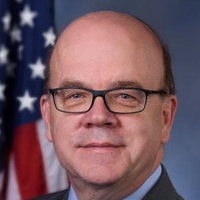
James McGovern
Representative
MA
James McGovern
Representative
MA
The "Fair Seeds for Farmers Act" limits intellectual property protections for plants to specific existing federal statutes, preventing broader patent claims on plant varieties and germplasm. Additionally, the bill renders unenforceable any contracts that restrict farmers and researchers from saving seeds or conducting plant breeding and experimentation.
This resolution designates July 10th as Journeyman Lineworkers Recognition Day to honor the essential service and sacrifices of the professionals who maintain our nation’s power grid.
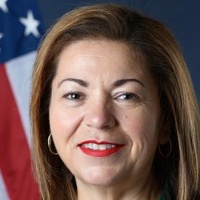
Linda Sánchez
Representative
CA
Linda Sánchez
Representative
CA
This resolution designates July 10th as Journeyman Lineworkers Recognition Day to honor the essential, high-risk work performed by these skilled professionals. It pays tribute to the lineworkers who provide critical service during emergencies and recognizes those who have made the ultimate sacrifice in the line of duty.
The No PFAS in Cosmetics Act prohibits the sale of food and cosmetic products containing intentionally added PFAS chemicals, effective January 1, 2027.
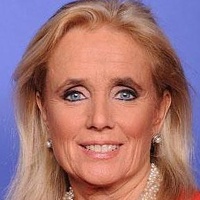
Debbie Dingell
Representative
MI
Debbie Dingell
Representative
MI
The "No PFAS in Cosmetics Act" prohibits the sale of cosmetic products containing intentionally added perfluoroalkyl or polyfluoroalkyl substances (PFAS). By classifying such products as adulterated under the Federal Food, Drug, and Cosmetic Act, this legislation aims to remove these chemicals from the supply chain. The ban is scheduled to take effect on January 1, 2027.
This bill directs the President to remove U.S. Armed Forces from hostilities in Lebanon within seven days, pursuant to the War Powers Resolution.
Rashida Tlaib
Representative
MI
Rashida Tlaib
Representative
MI
This resolution directs the President to withdraw U.S. Armed Forces from hostilities in Lebanon within seven days, utilizing authority under the War Powers Resolution. It explicitly clarifies that this action does not authorize the use of military force or limit security cooperation with Lebanese forces or the protection of diplomatic facilities.
The Save MEDICARE Act of 2026 reforms Medicare Advantage by tightening payment accuracy, enhancing audit and enforcement authority, and requiring private insurers to reimburse the VA for veteran healthcare services.

Lloyd Doggett
Representative
TX
Lloyd Doggett
Representative
TX
The Save MEDICARE Act of 2026 aims to increase transparency and accountability within the Medicare Advantage program by reforming payment methodologies, tightening oversight of diagnosis coding, and accelerating audit processes. The bill also enhances the Department of Veterans Affairs' ability to recover healthcare costs from private insurers and empowers states to enforce federal requirements for Medicare Advantage plans. These measures are designed to ensure more accurate payments, reduce deceptive practices, and protect resources for all Medicare enrollees.
This Act prohibits the executive branch from indefinitely suspending the entire Diversity Visa Program, requiring transparency and congressional notification for any narrower, temporary limitations.
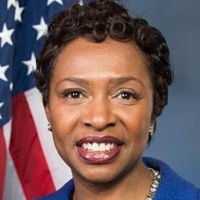
Yvette Clarke
Representative
NY
Yvette Clarke
Representative
NY
This bill, the Diversity Visa Protection and Modernization Act, aims to prevent the executive branch from indefinitely or broadly suspending the Diversity Immigrant Visa Program. It reaffirms that only Congress can halt the entire program, while allowing for narrowly tailored, temporary, or country-specific restrictions under strict transparency and notification requirements. The Act protects eligible visa selectees from losing their opportunities due to unexplained administrative pauses.
The LIFT the BAR Act restores federal public benefit eligibility, including SNAP, Medicaid, and housing assistance, for many lawfully present noncitizens by repealing restrictions from the 1996 welfare law and updating terminology.
Pramila Jayapal
Representative
WA
Pramila Jayapal
Representative
WA
The LIFT the BAR Act repeals decades-old restrictions that barred many lawfully present noncitizens from accessing essential federal public benefits. This legislation restores eligibility for programs like SNAP, Medicaid, CHIP, and housing assistance for qualified noncitizens. The bill also updates terminology, replacing "alien" with "noncitizen" throughout relevant statutes.
This Act establishes the fundamental right to vote in federal elections and prohibits governments from imposing undue burdens or substantial impairments on that right through a rigorous judicial review process.
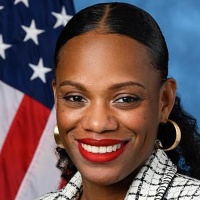
Summer Lee
Representative
PA
Summer Lee
Representative
PA
The Right to Vote Act establishes the fundamental right of every citizen to vote in federal elections and prohibits governments from imposing undue burdens on this right. It sets strict standards for when a government action that diminishes or substantially impairs voting can be upheld, requiring it to be the least restrictive means of furthering an important governmental interest. The Act also authorizes private citizens to bring civil actions in federal court to challenge violations, with expedited proceedings and provisions for awarding attorney's fees.
This bill mandates a GAO study and report to Congress detailing the impact of artificial intelligence on the U.S. workforce, including job displacement, creation, and alteration.
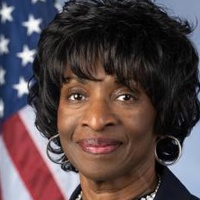
Valerie Foushee
Representative
NC
Valerie Foushee
Representative
NC
The AI Workforce Impact Study Act of 2026 mandates that the Government Accountability Office (GAO) conduct a comprehensive study on the effects of artificial intelligence on the U.S. workforce. This report must detail job displacement, creation, and alteration due to AI, broken down by demographics and industry. The study aims to provide Congress with essential data to understand AI's current impact and address limitations in federal data collection.
The Stop Spying Bosses Act restricts employers from excessively collecting, using, and transferring employee data, mandates transparency and access rights for workers, and establishes enforcement mechanisms through the Department of Labor.
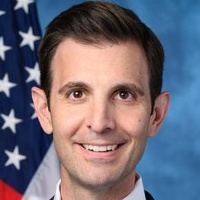
Chris Deluzio
Representative
PA
Chris Deluzio
Representative
PA
The Stop Spying Bosses Act establishes comprehensive federal protections regarding the collection and use of employee data by employers. It strictly limits what data employers can collect, bans surveillance unrelated to essential job functions, and mandates transparency about data practices. The bill also grants workers rights to access and correct their data, creates a new Department of Labor division to oversee the law, and establishes robust enforcement mechanisms, including private lawsuits and the invalidation of forced arbitration agreements.