
Legislative Activity
Track Jasmine's sponsored bills, co-sponsored legislation, and voting record
The SAFE Act of 2025 amends existing law to include equines (horses) in the prohibition of slaughtering animals for human consumption.

Vern Buchanan
Representative
FL
Vern Buchanan
Representative
FL
The SAFE Act of 2025 amends existing legislation to explicitly prohibit the slaughter of horses for human consumption, reinforcing protections for these animals. This bill seeks to prevent the inhumane treatment of American equines by closing loopholes that allow their slaughter and export for human consumption.
The "Access to Reproductive Care for Servicemembers Act" ensures that members of the Armed Forces and their dependents can access leave and travel reimbursement for reproductive health care services, including abortion and fertility treatments, not covered by the Department of Defense, while safeguarding their privacy and prohibiting adverse actions.
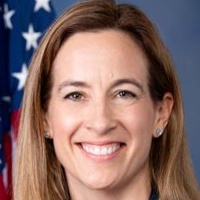
Mikie Sherrill
Representative
NJ
Mikie Sherrill
Representative
NJ
The "Access to Reproductive Care for Servicemembers Act" ensures that members of the Armed Forces and their dependents can access leave and reimbursement for travel expenses related to abortion services and assisted reproductive technology, such as in vitro fertilization, when these services are not available nearby. It protects the privacy of service members seeking such care and prohibits any adverse actions against them for utilizing these provisions. The bill aims to address barriers to reproductive healthcare created by state abortion restrictions and logistical challenges faced by military personnel.
This bill officially renames the Robert E. Lee Memorial as the Arlington House National Historic Site.
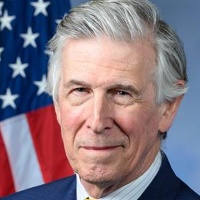
Donald Beyer
Representative
VA
Donald Beyer
Representative
VA
This bill officially redesignates the site currently known as the Robert E. Lee Memorial as the "Arlington House National Historic Site." It mandates that all official U.S. records, maps, and documents be updated to reflect this new name and repeals the previous joint resolutions that established the former designation.
The "Protect Veteran Jobs Act" allows wrongly terminated veteran civil service employees to be reinstated and requires executive agencies to report to Congress on veteran employee terminations.
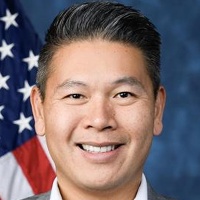
Derek Tran
Representative
CA
Derek Tran
Representative
CA
The Protect Veteran Jobs Act allows wrongly fired or dismissed veterans in civil service jobs between January 20, 2025, and the Act's enactment date to be reinstated to their previous position or a similar one. It mandates executive branch agencies to report to Congress every three months on all veteran employees who were fired or dismissed and the reasons for their termination, effective until January 20, 2029. The Act relies on existing U.S. Code definitions for key terms like "veteran" and "civil service."
The CROWN Act of 2025 prohibits discrimination based on hair texture and hairstyle in federally funded programs, housing, public accommodations, and employment.
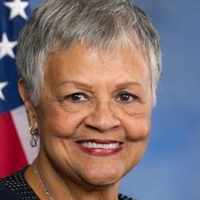
Bonnie Watson Coleman
Representative
NJ
Bonnie Watson Coleman
Representative
NJ
The CROWN Act of 2025 prohibits discrimination based on hair texture and hairstyle if that style is commonly associated with a particular race or national origin. This protection extends to federally funded programs, housing, public accommodations, and employment. The act aims to ensure equal opportunity and prevent discrimination based on hair, addressing historical biases and stereotypes. It clarifies that existing civil rights laws should be interpreted to include protection against hair-based discrimination.
This resolution condemns the Iranian regime’s terrorism and human rights abuses while affirming support for the Iranian people’s right to establish a democratic, secular, and non-nuclear republic.

Tom McClintock
Representative
CA
Tom McClintock
Representative
CA
This resolution condemns the Iranian regime for its ongoing human rights abuses, state-sponsored terrorism, and regional instability. It expresses strong support for the Iranian people's struggle for a democratic, secular, and non-nuclear republic. Furthermore, the bill advocates for international accountability for the regime's crimes and calls for the protection of Iranian political refugees.
The American Dream and Promise Act of 2025 provides a pathway to permanent residency for eligible individuals who came to the U.S. as children, or who have Temporary Protected Status (TPS) or Deferred Enforced Departure (DED) status.
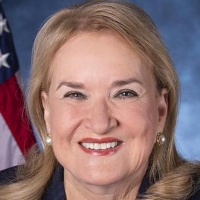
Sylvia Garcia
Representative
TX
Sylvia Garcia
Representative
TX
The American Dream and Promise Act of 2025 provides a pathway to permanent residency for eligible individuals who entered the United States as children and those with Temporary Protected Status (TPS) or Deferred Enforced Departure (DED). Title I, the Dream Act of 2025, establishes conditional permanent residency for eligible individuals who entered the U.S. as children. Title II, the American Promise Act of 2025, allows the Secretary of Homeland Security or the Attorney General to grant permanent resident status to eligible individuals from TPS or DED countries. Title III outlines general provisions, such as background checks, application processes, and fee exemptions, applicable to all seeking to adjust their status under this Act.
The "Taxpayer Funds Oversight and Accountability Act" enhances financial management and oversight in federal agencies by updating CFO responsibilities, mandating 4-year government-wide financial management plans, and requiring rigorous audits of internal controls.

Gerald Connolly
Representative
VA
Gerald Connolly
Representative
VA
The Taxpayer Funds Oversight and Accountability Act enhances financial management and transparency in federal agencies by updating the duties of Chief Financial Officers (CFOs) to include stronger oversight of financial reporting and internal controls. It replaces the government-wide 5-year financial management plan with a 4-year plan, requiring detailed strategies for improving financial management systems and workforce development. The Act also mandates annual financial management status reports to Congress and the Comptroller General, along with rigorous audits of internal controls to ensure effective financial management across the government.
Ethan's Law establishes federal penalties for improperly storing firearms where minors or prohibited persons can access them and creates grant programs to incentivize states to adopt matching safe storage laws.

Rosa DeLauro
Representative
CT
Rosa DeLauro
Representative
CT
Ethan's Law establishes federal requirements for the secure storage of firearms to prevent unauthorized access by minors and prohibited persons, making improper storage a civil violation with escalating penalties if injury or death results. The bill also creates a federal grant program to incentivize states and Tribes to adopt matching safe storage laws. Furthermore, Congress declares that failing to comply with these storage requirements constitutes negligence and may be considered the direct cause of resulting firearm injuries.
The "Postal Supervisors and Managers Fairness Act of 2025" amends Title 39 to modify procedures for negotiating pay and benefits of supervisory and other managerial personnel of the USPS, requiring the USPS to present written proposals to the supervisors' organization regarding pay and benefit changes, and mandates a binding determination by a dispute resolution panel within 15 days of its recommendation.
Gerald Connolly
Representative
VA
Gerald Connolly
Representative
VA
The "Postal Supervisors and Managers Fairness Act of 2025" amends Title 39 of the U.S. Code to modify the procedures for negotiating pay and benefits of supervisory and managerial personnel within the Postal Service. It requires the Postal Service to provide advance notice of proposed changes to pay and benefits and mandates a binding determination by a dispute resolution panel within 15 days of its recommendation. This aims to streamline the negotiation process and ensure fair resolution of disagreements.
This bill amends the law to grant non-unionized Postal Service employees in specific supervisory, professional, technical, clerical, administrative, or managerial roles the right to appeal certain employment decisions to the Merit Systems Protection Board.
Gerald Connolly
Representative
VA
Gerald Connolly
Representative
VA
The Postal Employee Appeal Rights Amendment Act of 2025 updates which non-unionized Postal Service employees can appeal certain employment decisions to the Merit Systems Protection Board (MSPB). Specifically, it grants this appeal right to supervisory, professional, technical, clerical, administrative, or managerial employees under the Executive and Administrative Schedule who are not covered by a collective bargaining unit. This legislation clarifies the scope of appeal rights for certain non-bargaining unit personnel within the Postal Service.
The Empowering and Enforcing Environmental Justice Act of 2025 aims to address environmental injustices by establishing an Office of Environmental Justice, defining key terms, creating a Senior Advisory Council, and providing grants to state, local, and tribal governments for environmental law enforcement in disproportionately affected communities.

Nanette Barragán
Representative
CA
Nanette Barragán
Representative
CA
The Empowering and Enforcing Environmental Justice Act of 2025 aims to protect vulnerable communities by creating an Office of Environmental Justice within the Department of Justice, defining key environmental justice terms, and establishing a grant program to aid state, local, and tribal governments in enforcing environmental laws. The Office of Environmental Justice will be responsible for developing environmental justice strategies, coordinating related matters, and promoting public participation. A Senior Advisory Council will also be created to advise on environmental justice matters and recommend policies. The grant program will provide funding for training, staffing, and community engagement to help address disproportionate environmental and health impacts on low-income, Tribal, and Indigenous communities.
The "BAD DOGE Act" repeals Executive Order 14158, effectively ending the US DOGE Service and US DOGE Service Temporary Organization due to concerns of overreach and violations of laws and regulations.
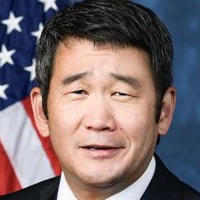
Dave Min
Representative
CA
Dave Min
Representative
CA
The "BAD DOGE Act" repeals Executive Order 14158, effectively disbanding the US DOGE Service (USDS) and the US DOGE Service Temporary Organization (USDSTO). This action is in response to findings that the USDS and USDSTO, under the leadership of Elon Musk, exceeded their authorized powers, violated constitutional principles, and contravened federal statutes and ethics regulations. The Act aims to restore proper oversight and adherence to legal standards within government IT operations.
The Federal Retirement Fairness Act allows temporary employees' service after 1988 to count toward retirement benefits under the Federal Employees Retirement System.
Gerald Connolly
Representative
VA
Gerald Connolly
Representative
VA
The Federal Retirement Fairness Act amends title 5 of the United States Code, allowing civilian service in a temporary position after December 31, 1988, to be creditable under the Federal Employees Retirement System. This change applies to current employees and Members of the United States Postal Service, and requires the Office of Personnel Management to notify eligible individuals and issue implementing regulations.
The "Delivering for Rural Seniors Act of 2025" establishes a pilot program providing grants to states for home delivery of commodities to low-income elderly people, especially in rural areas, from 2026-2028.
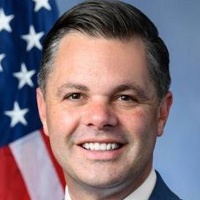
Zachary (Zach) Nunn
Representative
IA
Zachary (Zach) Nunn
Representative
IA
The "Delivering for Rural Seniors Act of 2025" aims to improve food access for low-income elderly individuals in rural areas by establishing a pilot program for home delivery of commodities. The program will award grants to state agencies, prioritizing those serving rural areas, to cover costs associated with transportation, staffing, and outreach. This act authorizes $10 million annually from 2026 to 2028 for these initiatives.
The "Due Process Continuity of Care Act" enables states to provide Medicaid coverage for individuals awaiting charges in medical institutions and supports states in planning and expanding healthcare access for this population.
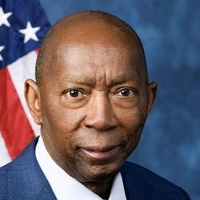
Sylvester Turner
Representative
TX
Sylvester Turner
Representative
TX
The "Due Process Continuity of Care Act" aims to provide Medicaid coverage for individuals in custody awaiting charges in a medical institution, removing the existing inmate limitation on benefits. It authorizes the Secretary to award planning grants to states to support providing Medicaid assistance to eligible individuals and to prepare an application that meets specific requirements. The Act requires states to develop plans for assessing health treatment needs, increasing healthcare provider participation, and ensuring quality of care for patients in custody. It allocates $50,000,000 for these planning grants.
This act authorizes the creation of the Smithsonian National Museum of the American Latino on the National Mall, ensuring diverse representation in its exhibits and programs.
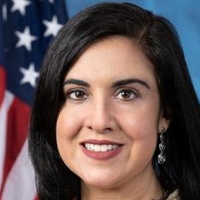
Nicole Malliotakis
Representative
NY
Nicole Malliotakis
Representative
NY
The Smithsonian National Museum of the American Latino Act authorizes the creation of the Smithsonian National Museum of the American Latino on the National Mall. It ensures the museum's exhibits and programs accurately represent the diverse cultures, histories, events, and values of Hispanic and Latino communities, seeking guidance from diverse sources. The Act also mandates regular reports to Congress on the museum's efforts to meet these diversity requirements.
This bill establishes an Office of Gun Violence Prevention within the Department of Justice to coordinate gun violence prevention efforts, evaluate related programs and policies, recommend evidence-based strategies, and assist communities affected by gun violence.

Maxwell Frost
Representative
FL
Maxwell Frost
Representative
FL
The "Office of Gun Violence Prevention Act of 2025" establishes an Office of Gun Violence Prevention within the Department of Justice, led by a Director appointed by the Attorney General, to coordinate gun violence prevention efforts, evaluate related laws and programs, and recommend evidence-based policies to Congress and the President. The Director will also convene an advisory council comprising various officials and at least 12 additional individuals representing gun violence survivors, community violence intervention service providers, and other relevant groups. The Office will also assist communities affected by gun violence with crisis response activities, such as providing access to mental health services and suicide prevention resources. Finally, the act authorizes the appropriation of necessary funds to carry out the provisions of the bill.
The Honoring Our Fallen Heroes Act of 2025 expands public safety officer benefits to include disability and death coverage for certain cancers presumed to be caused by on-duty exposure to carcinogens, and clarifies "line of duty" definitions for first responder benefits.
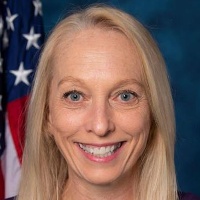
Mary Scanlon
Representative
PA
Mary Scanlon
Representative
PA
The Honoring Our Fallen Heroes Act of 2025 expands public safety officer benefits to include deaths and disabilities caused by exposure-related cancers, presuming that certain cancers diagnosed within 15 years of service are line-of-duty injuries if the officer served for at least 5 years. It defines "exposure-related cancer" and allows for updates to the list based on medical evidence, while also permitting individuals to petition for additions. The Act also clarifies "line of duty action" and applies retroactively to claims dating back to January 1, 2020, with a three-year window for filing claims based on these amendments.
The Investing in Rural America Act of 2025 expands Farm Credit System institutions' ability to finance essential community facilities in rural areas, fostering partnerships with local lenders and increasing transparency through public reporting.
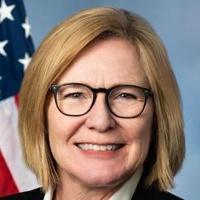
Michelle Fischbach
Representative
MN
Michelle Fischbach
Representative
MN
The Investing in Rural America Act of 2025 amends the Farm Credit Act of 1971, enabling Farm Credit System institutions to finance essential community facilities in rural areas, with a limit of 15% of their total outstanding loans. These institutions must offer participation in financing to other domestic lenders, especially community banks, and report these offers to the Farm Credit Administration. The Farm Credit Administration will then provide an annual report to Congress on these activities. This amendment aims to support rural development by leveraging the resources of the Farm Credit System.